Hon Mot sits about 7 km southeast of Nha Trang (냐짱 / 芽庄 / ニャチャン)'s shoreline — a low-slung limestone island that most tourists pass on their way to bigger stops like Hon Mun or Hon Tam. That's exactly why it's worth your time.
What it is
Hon Mot (literally "Island One") is one of the smaller islands in the Nha Trang Bay cluster, part of Khanh Hoa province in central Vietnam (베트남 / 越南 / ベトナム). It's not a resort island. There's no zipline, no water park, no thumping speakers. What you get is a rocky shoreline, a small fishing community, a few seafood shacks, and coral beds close enough to shore that you can snorkel without a boat ride.
The island has been home to a handful of fishing families for generations. Some aquaculture operations — lobster cages and fish pens — dot the shallow waters around it. Tourism arrived late and light. A few operators now include Hon Mot on their island-hopping routes, but it still feels more like visiting someone's working waterfront than a curated attraction.
Why travelers go
Three reasons, mostly. First, the snorkeling here is genuinely decent. The coral around Hon Mot's southern edge hasn't taken the same beating as the reefs closer to Nha Trang proper. You'll see hard coral formations, sea urchins, clownfish, and the occasional pufferfish in 2-4 meters of water. Second, it's a cheap seafood lunch stop — grilled fish, steamed shellfish, and cold beer at prices that haven't fully caught up to Nha Trang's tourist strip. Third, it's quiet. If you've spent a few days on Tran Phu Street dodging Russian-language menus and group tours, Hon Mot is a reset.
Best time to visit
The window is roughly March through August. Nha Trang's dry season peaks from January to August, but March onward gives you the warmest water and the calmest seas for snorkeling. Visibility around Hon Mot is best from April to July — often 10-15 meters on a good day.
Avoid October through December. The northeast monsoon kicks in and the bay gets choppy. Boat operators sometimes cancel island trips entirely during heavy weather weeks in November. January and February are fine weather-wise but water can be cooler (24-25°C) and visibility drops a notch.
How to get there from Nha Trang
Hon Mot is only accessible by boat from Nha Trang.
Option 1: Join an island-hopping tour. The cheapest route. Group boat tours depart daily from Cau Da Port (also called Nha Trang Port) around 8:30-9:00 AM and typically visit 3-4 islands including Hon Mot. Cost runs 150,000-350,000 VND per person depending on whether lunch is included. The budget end gets you transport and a guide; the higher end adds a seafood lunch and snorkel gear rental. Tours return by 4:00-4:30 PM.
Option 2: Charter a private boat. Small wooden boats at Cau Da Port or along the Tran Phu waterfront will take a group of 4-6 to Hon Mot and back for 800,000-1,200,000 VND total. You set the schedule. This makes sense if you want to spend more than the 45 minutes a group tour allocates. Negotiate a 3-4 hour window so you can actually snorkel and eat without rushing.
Travel time from port to Hon Mot is about 20-30 minutes depending on the boat and sea conditions.

Photo by Trung Nguyen on Pexels
What to do
Snorkel the south side
The southern and southeastern edges of the island have the best coral coverage. If you're on a group tour, the boat usually anchors here. Bring your own mask and snorkel if you can — rental gear from tour operators is functional but often scratched and ill-fitting. The reef starts shallow, so even weak swimmers can see plenty from the surface.
Walk the fishing village
The island's small settlement is on the western shore, facing Nha Trang. It's a working village — drying racks of squid, lobster traps stacked on the rocks, kids playing between boats. Walk through if you're respectful. Don't photograph people's homes without asking. A few families sell drinks and fruit.
Eat at a floating restaurant
There are a couple of floating seafood platforms moored near the island's west side. These are basic — plastic chairs, tin roofs, tanks of live fish and shellfish underneath. Point at what you want, they grill or steam it. A meal of grilled "ca bop" (grouper), steamed clams, rice, and a couple of Saigon beers runs roughly 200,000-400,000 VND per person depending on what you order. The grouper is the move.
Kayak the shoreline
Some tour operators and the floating restaurants rent kayaks for 50,000-100,000 VND per hour. Paddling around the island takes about 40 minutes at a relaxed pace. The north side has some interesting rock formations and small caves at the waterline — nothing dramatic, but worth a look if you have time.
Swim off the rocks
The east side has a few flat rock shelves where you can climb down and swim in deeper water. No sand beach here — it's limestone and coral rubble. Wear water shoes or sandals with grip. The water is clear and deep enough to jump in from some of the lower ledges.
Where to eat nearby
On the island itself, your options are the floating restaurants. Back in Nha Trang, the trip pairs well with a proper seafood dinner. Head to the cluster of local seafood restaurants along Nguyen Binh Khiem street near the Oceanographic Museum — cheaper and better than the tourist strip. Try "bun sua" (jellyfish noodle soup), a Nha Trang specialty you won't find easily elsewhere. A bowl costs around 35,000-50,000 VND. For something more filling, "banh canh" with fish cake is another solid local choice.
Where to stay
You can't stay on Hon Mot — there are no guesthouses or hotels. Base yourself in Nha Trang:
- Budget (200,000-500,000 VND/night): Hostels and basic guesthouses cluster around Nguyen Thien Thuat and Biet Thu streets. Functional, air-conditioned, close to the port.
- Mid-range (600,000-1,500,000 VND/night): Hotels along Tran Phu with sea views and pools. Plenty of options on booking platforms.
- Upper (2,000,000+ VND/night): Resorts south of the city center or on neighboring islands like Hon Tre.
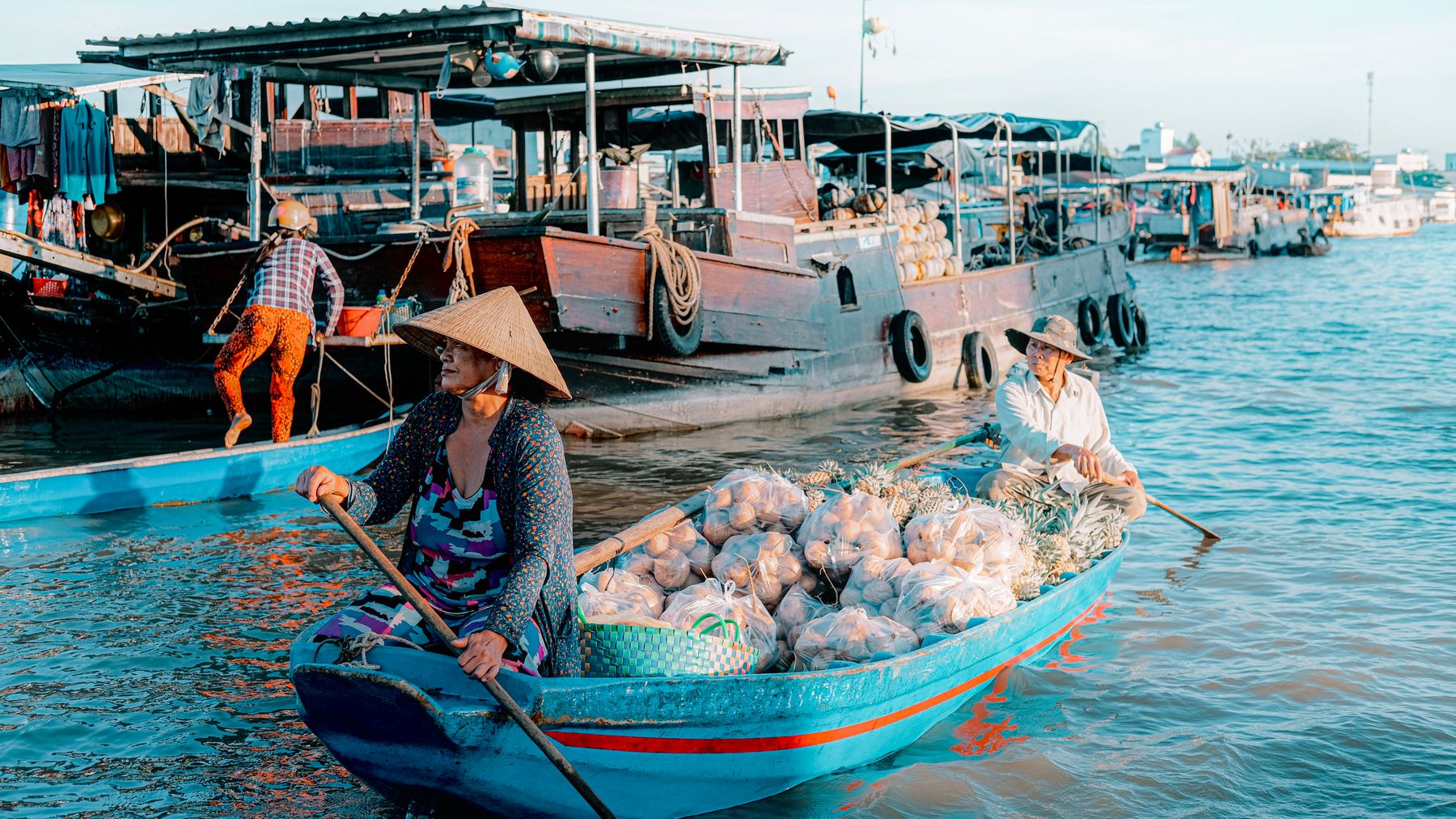
Photo by Kevin Huynh on Pexels
Practical tips locals would tell you
- Bring cash. There's no ATM on the island and the floating restaurants don't take cards.
- Sunscreen before you leave the port. There's almost no shade on the boat or in the water. Reapply after snorkeling.
- Wear reef-safe sunscreen if possible. The coral here is in better shape than most of Nha Trang Bay — worth not contributing to bleaching.
- Negotiate boat prices before boarding. Especially for private charters. Agree on the total price, the number of stops, and the return time. Get it on paper or text message if your Vietnamese is limited.
- Bring a dry bag. Boats here get wet. Your phone and wallet will thank you.
Common mistakes to avoid
- Booking the cheapest group tour without reading what's included. Some 150,000 VND tours are essentially booze cruises that barely stop at the islands. Read reviews and ask specifically if Hon Mot is on the itinerary — some operators skip it.
- Expecting a beach island. Hon Mot is rock and reef, not sand. If you want a beach day, Hon Tam or Bai Dai are better picks.
- Skipping the floating restaurants. Some visitors eat a packed lunch on the boat and miss the best part of the stop. Budget an extra 200,000 VND and eat the fish.
- Going in rough weather. If the sea looks choppy from shore in the morning, the ride out will be worse. Don't push it — reschedule.
Practical notes
Hon Mot works best as a half-day trip from Nha Trang, combined with snorkeling and a long seafood lunch. It's not a destination you plan a trip around — it's the kind of place that makes a Nha Trang stay feel less generic. Budget 400,000-600,000 VND total for transport, food, and gear rental, and you'll come back sunburned and full.
Last updated · May 26, 2026 · independently researched, never sponsored.