What it is
Hong Anh Thu Quan — literally "Hong Anh Bookstore" — is a preserved heritage site in Ca Mau city that dates back to the early 20th century. The original bookstore served as a cultural meeting point and clandestine distribution hub for progressive literature during the French colonial period. It's one of those quiet, easily overlooked sites that tells you more about the texture of southern Vietnamese life than any big-ticket attraction.
The site has been restored and maintained as a small memorial, with displays covering the bookstore's history and the role of print culture in shaping local identity. For travelers already in Ca Mau — whether you're heading to the southernmost tip of Vietnam (베트남 / 越南 / ベトナム) at Dat Mui or exploring the mangrove forests — it's a worthwhile stop that takes under an hour.
Why travelers go
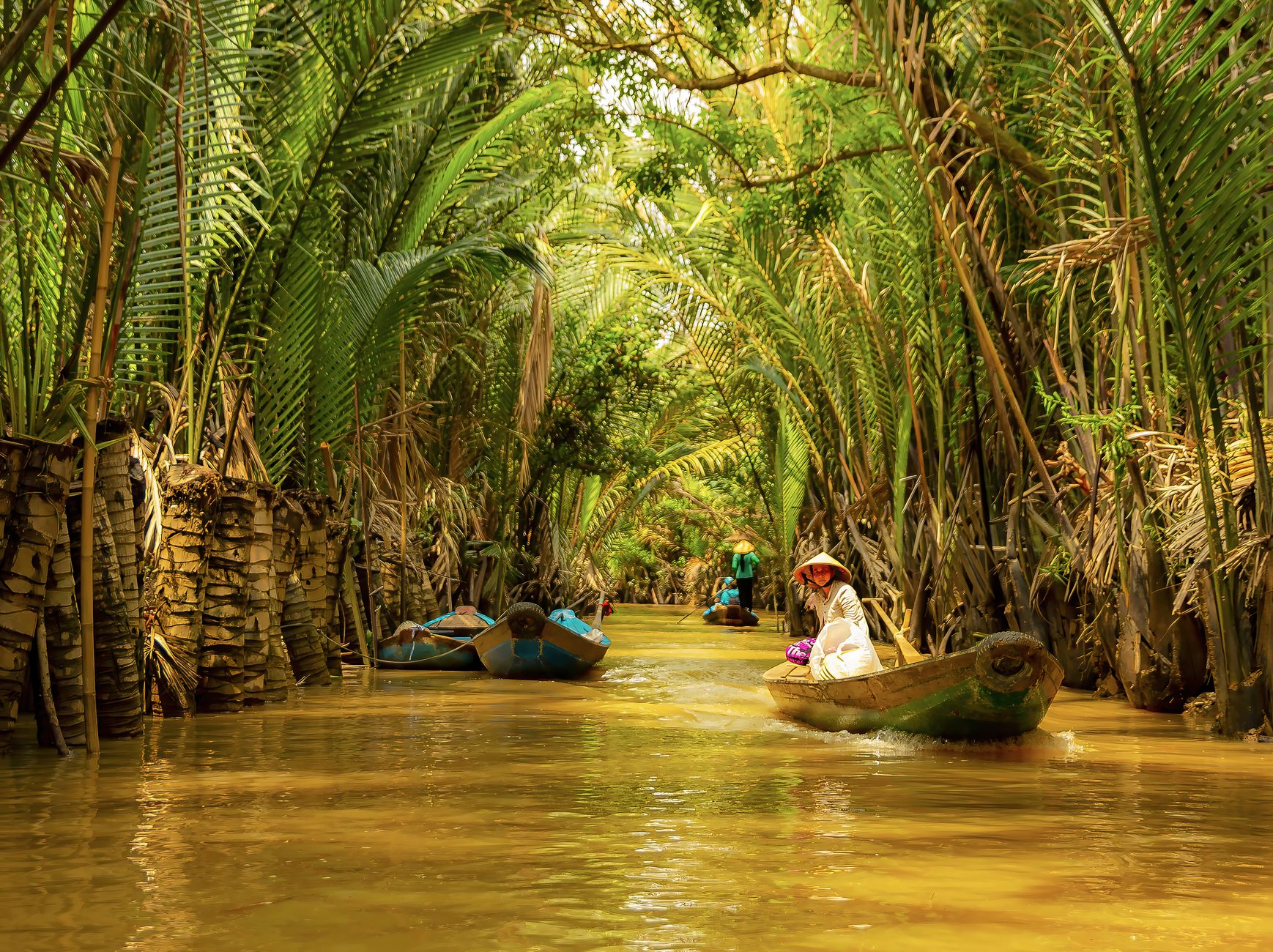
Most visitors to Ca Mau are chasing the "end of the road" feeling at Vietnam's southernmost point, or booking boat tours through the U Minh mangroves. Hong Anh Thu Quan offers something different: a window into how ideas moved through the Mekong Delta (메콩 델타 / 湄公河三角洲 / メコンデルタ) when the region was still frontier territory.
It's not a large site. You're looking at a restored building, some archival photos, and interpretive panels (mostly in Vietnamese, though some have English summaries). The appeal is context. If you've been traveling through the delta and wondering what life looked like here a century ago — before the canals were dredged, before the shrimp farms — this fills in a piece of the puzzle.
History buffs and anyone interested in Vietnamese print culture will get the most out of it. Casual travelers can pair it with a walk around Ca Mau's compact city center.
Best time to visit
Ca Mau has two seasons: wet and wetter. The dry season runs roughly from December through April, and that's your best window. Temperatures hover around 27-33°C year-round, but the dry months mean you can actually walk around without getting drenched. January to March is ideal — lower humidity, fewer mosquitoes, and the mangrove tours are more pleasant too.
Avoid September through November if you can. Flooding is common in the delta, and some rural roads become impassable.
The heritage site itself is open daily, typically from 7:30 AM to 11:00 AM and 1:30 PM to 5:00 PM. Mornings are cooler and quieter.
How to get there
Ca Mau city is about 350 km southwest of Saigon. Your options:
By bus: Direct sleeper buses run from Saigon's Mien Tay bus station to Ca Mau. The ride takes 7-8 hours and costs around 180,000-250,000 VND depending on the operator. Phuong Trang (FUTA) is the most reliable. Buses run throughout the day, with overnight departures available.
By plane: Ca Mau has a small airport (CAH) with flights from Saigon on Vietnam Airlines, but service is infrequent — sometimes just a few flights per week. Tickets run 800,000-1,500,000 VND one way. Check schedules in advance; cancellations happen.
From Can Tho: If you're already in the delta, buses from Can Tho to Ca Mau take about 3-4 hours and cost 100,000-150,000 VND. This is the more natural routing if you're doing a multi-day Mekong loop.
Once in Ca Mau city, Hong Anh Thu Quan is centrally located. A "xe om" (motorbike taxi) from the bus station costs 15,000-25,000 VND, or you can use Grab if signal cooperates. The site is walkable from most city-center hotels.

Photo by Alberto Capparelli on Pexels
What to do
Walk through the restored bookstore
The main building has been reconstructed to approximate its early 20th-century appearance. Inside, you'll find reproductions of the types of texts that circulated here — newspapers, pamphlets, literary journals. Even if you can't read Vietnamese, the physical objects and photographs give a sense of scale. This wasn't a grand operation; it was a small shopfront with outsized influence.
Read the interpretive displays
The site includes panels explaining the broader context of literacy and print distribution in the Mekong Delta. Some of this material connects to wider Vietnamese cultural movements. Take your time with these — they're the real substance of the visit.
Explore Ca Mau's city center on foot
The heritage site is close to Ca Mau's main market area and the riverfront. After your visit, walk along the Ca Mau River where fishing boats dock and vendors sell fruit from the back of sampans. The city isn't pretty in a postcard way, but it has an honest, working energy that's increasingly hard to find in more touristed Vietnamese cities.
Combine with Dat Mui (Cape Ca Mau)
If you've come all the way to Ca Mau, make the trip to Dat Mui — the southernmost point of mainland Vietnam, about 110 km from the city. Most people book a speedboat tour (around 500,000-800,000 VND per person) that cuts through mangrove channels. Hong Anh Thu Quan in the morning, Dat Mui in the afternoon makes for a full day.
Visit U Minh Ha National Park
The cajuput ("tram") forests of U Minh are about 30 km from Ca Mau city. Boat tours through the flooded forest run 200,000-400,000 VND. It's one of the last significant wetland forests in the delta.
Where to eat nearby
Ca Mau is shrimp country. The province produces a staggering volume of black tiger shrimp, and you'll eat them here cheaper and fresher than anywhere else in Vietnam. Look for "lau mam" — a fermented fish hotpot loaded with shrimp, squid, and vegetables that's a signature Mekong Delta dish. A pot for two runs 120,000-180,000 VND at local restaurants near the market.
Also try "banh tam bi" — thick, chewy tapioca noodles with shredded coconut pork and sweet-savory coconut cream. It's a southern delta specialty that rarely shows up on menus north of Can Tho. Street stalls sell portions for 20,000-30,000 VND.
For something familiar, "hu tieu" shops are everywhere — the clear broth pork noodle soup that's the delta's answer to "pho."
Where to stay
Ca Mau city has a handful of decent hotels but nothing fancy. Budget guesthouses run 200,000-350,000 VND per night. Mid-range hotels with air conditioning, hot water, and breakfast go for 400,000-700,000 VND. Muong Thanh Ca Mau is the most comfortable option in town at around 600,000-900,000 VND.
Don't expect boutique stays or hostels with social scenes. This is a working provincial capital, not a tourist hub.
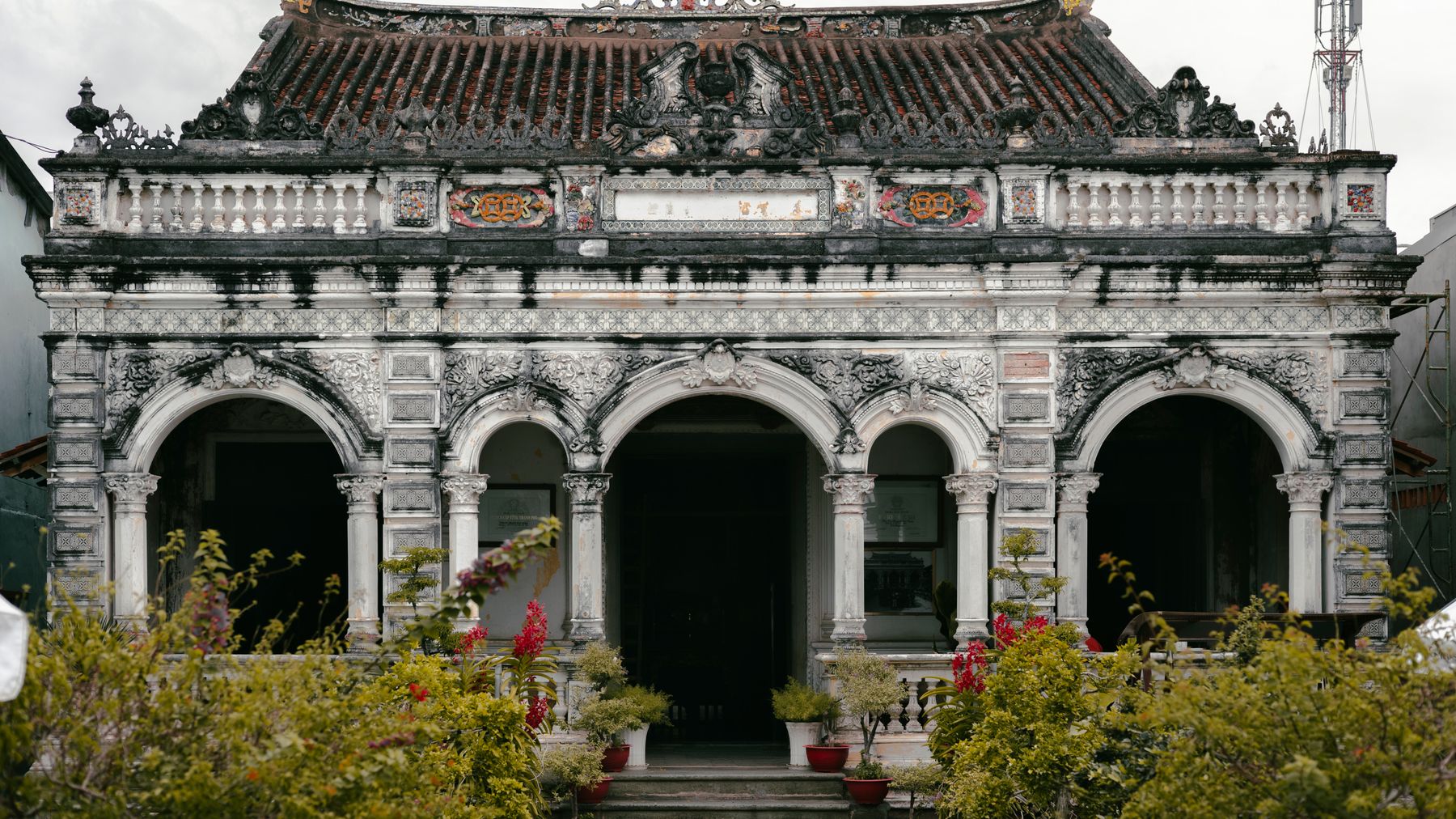
Photo by DUYTRG TRUONG on Pexels
Practical tips locals would tell you
- Bring mosquito repellent. Ca Mau is surrounded by wetlands and the mosquitoes are relentless, especially at dusk.
- Cash is king. Some shops accept bank transfers via QR code, but don't count on card payments outside hotels.
- Vietnamese language helps enormously here. English is rare. Download Google Translate's Vietnamese offline pack before you arrive.
- The heritage site is free to enter. No tickets, no guides required.
Common mistakes to avoid
- Treating Ca Mau as a day trip from Saigon. The 7-8 hour bus ride each way makes this miserable. Plan at least one overnight.
- Skipping the mangroves. People come to Ca Mau, visit the city, and leave. The real draw is the surrounding waterways and forests. Build in time for a boat tour.
- Expecting English signage at the heritage site. Bring a translation app or do some reading beforehand to get more out of the visit.
- Visiting during heavy rain season without flexible plans. Boat tours get cancelled, roads flood, and you'll spend a lot of time waiting.
Practical notes
Hong Anh Thu Quan won't be the highlight of anyone's Vietnam trip, and that's fine. It's a small, specific, well-maintained piece of delta history that rewards visitors who are already in Ca Mau and curious about the region beyond its coastline. Pair it with the mangroves and the southernmost cape, and you've got a two or three-day itinerary in a part of Vietnam that most travelers skip entirely.
Last updated · May 29, 2026 · independently researched, never sponsored.