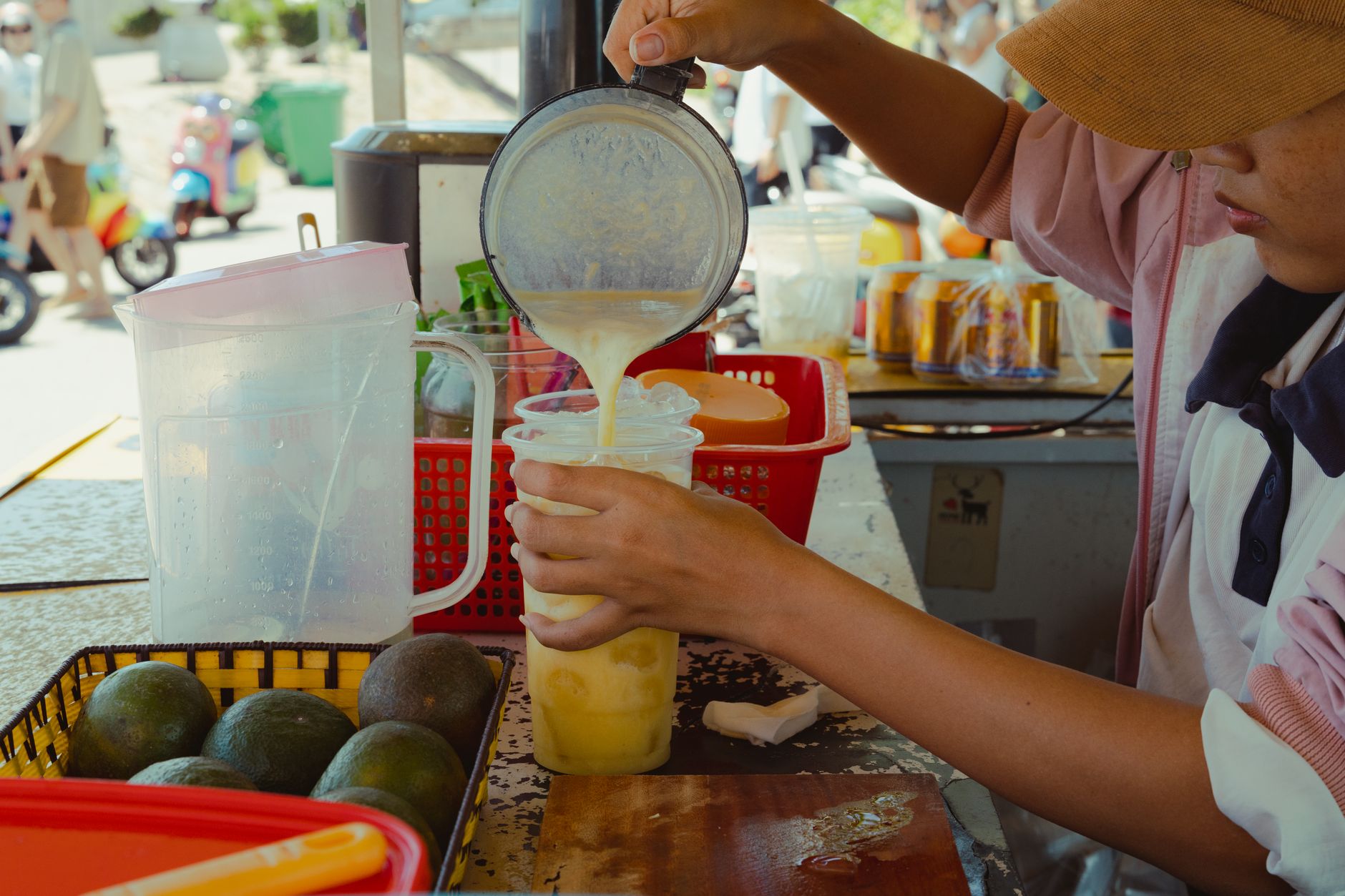
Hung Yen sits about 60 km southeast of Hanoi, close enough for a day trip but rarely on the itinerary of travelers moving between the capital and the coast. That's a mistake if you care about regional food — because this small Red River Delta province produces what many Vietnamese consider the country's finest "nhan long" (longan), and has built an entire dried-fruit tradition around it.
Why Hung Yen Longan Is Different
Longan grows across northern and central Vietnam (베트남 / 越南 / ベトナム), but Hung Yen's fruit has a particular reputation that dates back several centuries. Historical records note that longan from this province was presented as tribute during the imperial era — not a marketing claim, just context for why locals still talk about their fruit with a certain pride.
The reason is partly soil. The alluvial land along the Red River retains moisture without waterlogging the roots, and the province's warm summers with cool-enough winters push the trees into a defined fruiting cycle. Hung Yen "nhan lo" (a specific heritage variety, literally meaning "cave longan" for the deep, cave-like structure of its flesh around the seed) is the variety most prized. The flesh is thick, almost translucent white, with a floral sweetness that doesn't tip into cloying. The seed is small. The skin dries to a clean crack when you squeeze it.
Peak fresh season runs from late June through August. If you're in Hanoi (하노이 / 河内 / ハノイ) during that window, markets in the Old Quarter and Dong Xuan Market will be stacked with Hung Yen longan — look for fruit sold by the cluster with the stem attached, which keeps it fresher than loose-picked bags.
The Dried-Longan Industry
What makes Hung Yen's longan tradition more than a seasonal fruit story is "long nhan say" (dried longan) — a cottage industry that employs families across districts like Tien Lu, Kim Dong, and Phu Cu from July through September.
The drying process is low-tech by design. Fresh longan is sorted by size, then slow-dried — traditionally over charcoal or wood fires in clay-walled chambers, though electric drying kilns have become more common in the last decade. The goal is to reduce moisture to around 17–20% without scorching the flesh. Good dried longan should be amber-brown outside, golden-yellow inside, pliable but not sticky, and still carry that floral note from the fresh fruit.
At Hung Yen's local markets — try Pho Hien market or the stalls along Nguyen Van Linh street in the provincial capital — dried longan sells for roughly 150,000–250,000 VND per kg depending on grade and variety. The top-grade "nhan lo" dried product can push higher. Vacuum-packed versions sold at Hanoi supermarkets or airport shops are more expensive and considerably less interesting.
Dried longan travels well, keeps for months in a cool dry place, and is the version most used in cooking — which brings us to the kitchen side of this tradition.

Photo by Nguyễn Thị Thảo Hà (Ha Nguyen) on Pexels
Sweet Soups and Medicinal Logic
"Che" (Vietnamese sweet soup or sweet porridge) is where dried longan earns its keep beyond snacking. Hung Yen cooks and Hanoi street vendors alike use dried longan as a key ingredient in several "che" variations.
The most common is "che long nhan hat sen" — dried longan with lotus seeds, sometimes with a few dried red dates ("tao do") and white "che" broth sweetened with rock sugar. It's served warm in winter and cold in summer. A bowl from a street cart in Hanoi's Old Quarter runs about 20,000–30,000 VND. The flavor is gentle: the longan brings sweetness and a faint perfume, the lotus seeds add a starchy, slightly bitter counterpoint.
There's also a version with "nhan nhan" (longan flesh only, seed removed before drying), glutinous rice, and pandan leaf — closer to a porridge. And a simpler everyday preparation: dried longan simmered with ginger and rock sugar as a warm drink, consumed in the cooler months as what Vietnamese traditional medicine classifies as a tonic for the blood and for sleep.
This medicinal framing isn't incidental. In Vietnamese food culture — particularly in the north — the line between food and medicine is genuinely blurry. Dried longan is classified as warm in nature, said to nourish the heart and calm the mind. Mothers give it to children after illness. Older people drink the ginger-longan broth the way others might take a supplement. Whether or not you buy the pharmacological logic, it shapes how and when the ingredient gets used.

Photo by Duong Nguyen on Pexels
Getting There and What to Look For
Hung Yen city is 60 km from Hanoi — about 90 minutes by bus from My Dinh or Giap Bat stations, or under an hour by motorbike on Highway 5 and then south. It's not a heavily touristed destination: the main draws are Pho Hien Ancient Town (a trading port that peaked in the 17th century), a handful of old communal houses and temples, and the fruit.
If you visit during longan season (late June–August), roadside stalls along the provincial highway sell fresh fruit by the kilogram — 30,000–60,000 VND/kg depending on grade. Dried longan is available year-round. The thing to avoid is the tourist-priced gift boxes at highway rest stops; the better value is loose dried fruit bought by weight from a market vendor.
For context on other northern food traditions worth pairing with a Hung Yen visit, the sweet-soup culture connects naturally to what you'll find in Hanoi — including drinks like lotus tea and the dessert stalls around Hoan Kiem Lake.
Practical Notes
Hung Yen works best as a half-day addition to a Hanoi base, not an overnight destination unless you're deeply into slow delta travel. Bring a bag for dried fruit — you'll buy more than planned. If you're visiting outside longan season, the old town and temples are still worth a few hours, but the fruit-market atmosphere that makes the trip special is very much tied to the July–August window.
Last updated · May 29, 2026 · independently researched, never sponsored.