"Cao lau" is Hoi An's most possessive dish — the kind locals will tell you can't exist anywhere else because the water has to come from the Ba Le well, an ancient Cham source in the old town. Whether or not you believe the lore, the noodles are real: thick, chewy, slightly ash-grey, topped with sliced five-spice pork, crispy rice croutons, a handful of fresh herbs, and just enough broth to dress the bowl rather than fill it. For families traveling with kids, the good news is that cao lau is approachable — mild, not spicy, and endlessly customizable at the table.
What Makes a Good Bowl
A proper bowl has three textures working together: the chew of the noodle, the snap of the croutons, and the tender give of the pork. The broth — more of a concentrated ladle than a soup — should smell faintly of star anise. Broth-heavy bowls or soggy croutons are signs of corners being cut. Portion sizes across Hoi An (호이안 / 会安 / ホイアン) run small by Vietnamese standards, so kids and adults alike often order two bowls.
Prices are fairly consistent: 35,000–55,000 VND per bowl at local spots, up to 75,000–90,000 VND at places that have figured out the tourist premium. None of these are expensive by any measure, but the gap in quality between the cheapest and priciest is not always worth it.
Where to Go
Thanh Cao Lau — 26 Thai Phien
This is the place locals point you toward when you ask sincerely. It's a narrow shophouse about 400 meters from the covered Japanese Bridge, on a street that stays quieter than the main tourist drag. Plastic stools, fluorescent lighting, a laminated menu with two or three items on it. Cao lau (까오러우 / 高楼面 / カオラウ) here is 40,000 VND a bowl. The pork is sliced thick and has real five-spice depth. Kids do fine here — the owner's family eats at the same tables, and the noise level is relaxed. Open roughly 7am–2pm; they sell out by early afternoon on busy days, so aim for before 11am.
Truong Cao Lau — Nguyen Truong To Street
A slightly larger setup near the market end of town, this one has more table room, which matters when you're navigating a stroller or a restless six-year-old. Bowls run 45,000 VND. The croutons here are notably crispier — they fry them in small batches rather than prepping a vat at opening. The broth ladle is generous. English is limited but the menu has pictures. Opens at 6:30am and runs until around 1pm.
Quan Cao Lau Ba Buoi — 17/2 Le Hong Phong
This one operates out of a home kitchen down a short alley off Le Hong Phong, about 600 meters from Hoi An's central market. It's worth the mild navigation effort. Ba Buoi (the grandmother who started it) no longer cooks daily, but her daughter has kept the recipe intact. The pork here is sliced thinner and the herbs are notably fresh — rau muong and mint rather than the generic herb plate some spots use. Bowls are 50,000 VND. Opens at 7am, closes when the noodles run out, which is usually around 11:30am on weekends. Seats maybe 20 people across two rooms; families are welcome and it's quiet enough for small kids to eat without chaos.

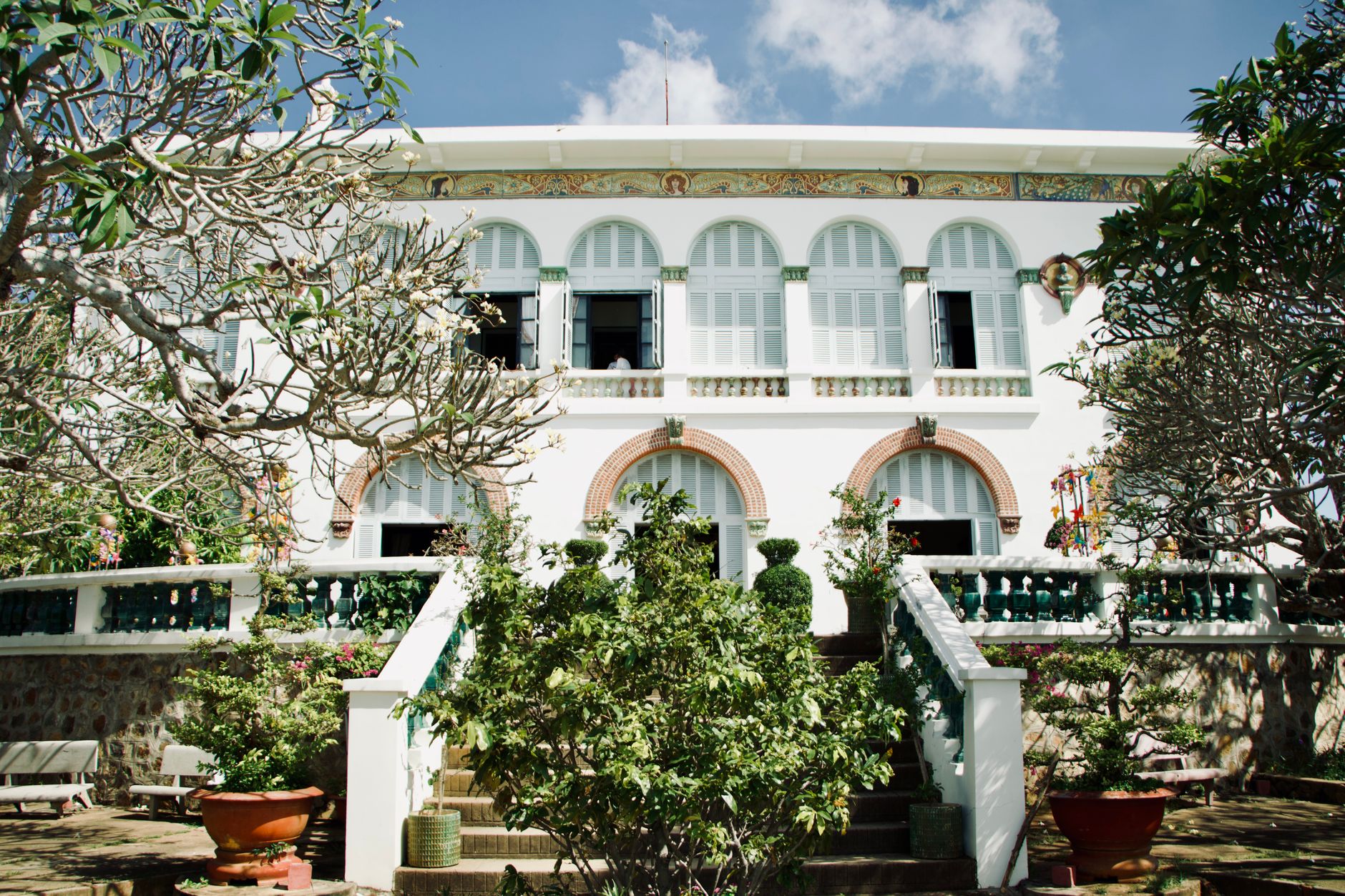
Photo by Alan Wang on Pexels
Practical Notes for Families
Cao lau is a morning and late-morning dish in Hoi An — most good spots close by early afternoon. Build your itinerary around that. If you're staying outside the old town, the ride in by taxi or Grab from, say, An Bang Beach is about 10–15 minutes and costs 40,000–60,000 VND.
The dish is naturally not spicy, but ask for "khong cay" (no chili) if you're ordering for young kids, since some spots add dried chili flakes on top by default. The croutons are a choking consideration for toddlers — easy enough to pull aside.
If your family is spending time exploring the old town more broadly, Hoi An pairs naturally with a walk to the Japanese Bridge and a loop through the tailors' streets before lunch. The Temple of Literature and water puppetry are Hanoi experiences, not Hoi An — but Hoi An does have its own quieter cultural sites worth an afternoon. For another Hoi An noodle worth knowing, "mi quang" is served at several of the same street-level spots and makes a good second breakfast if the kids want variety.

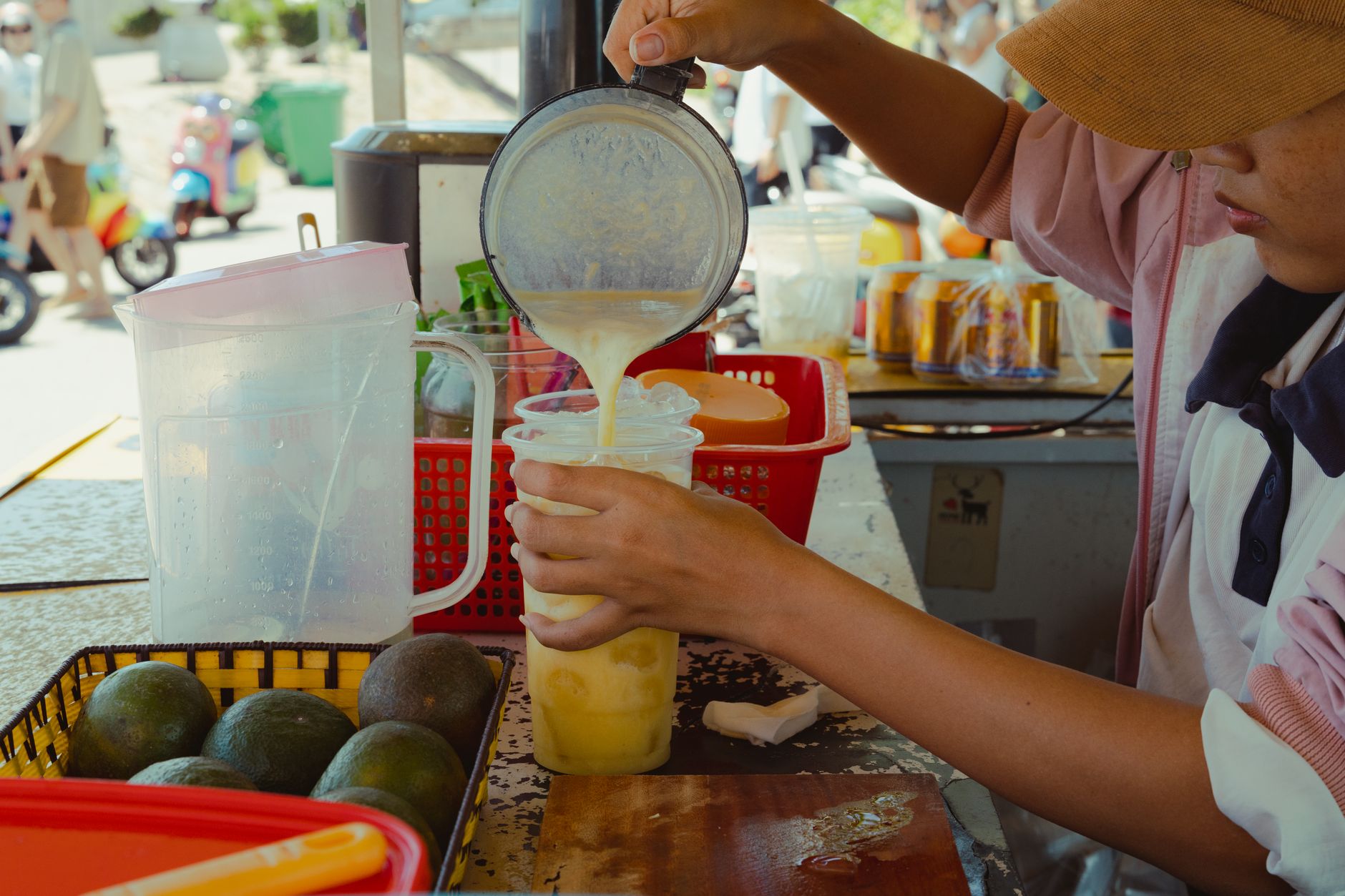
Photo by Vietnam Hidden Light on Pexels
Practical Notes
All three restaurants listed here are cash only; keep small bills (20,000–50,000 VND denominations). Hoi An's old town is pedestrian-only in the core, so drop off near Bach Dang Street and walk in. Mornings before 10am are cooler and less crowded — better for kids and better for the food.
Last updated · May 26, 2026 · independently researched, never sponsored.