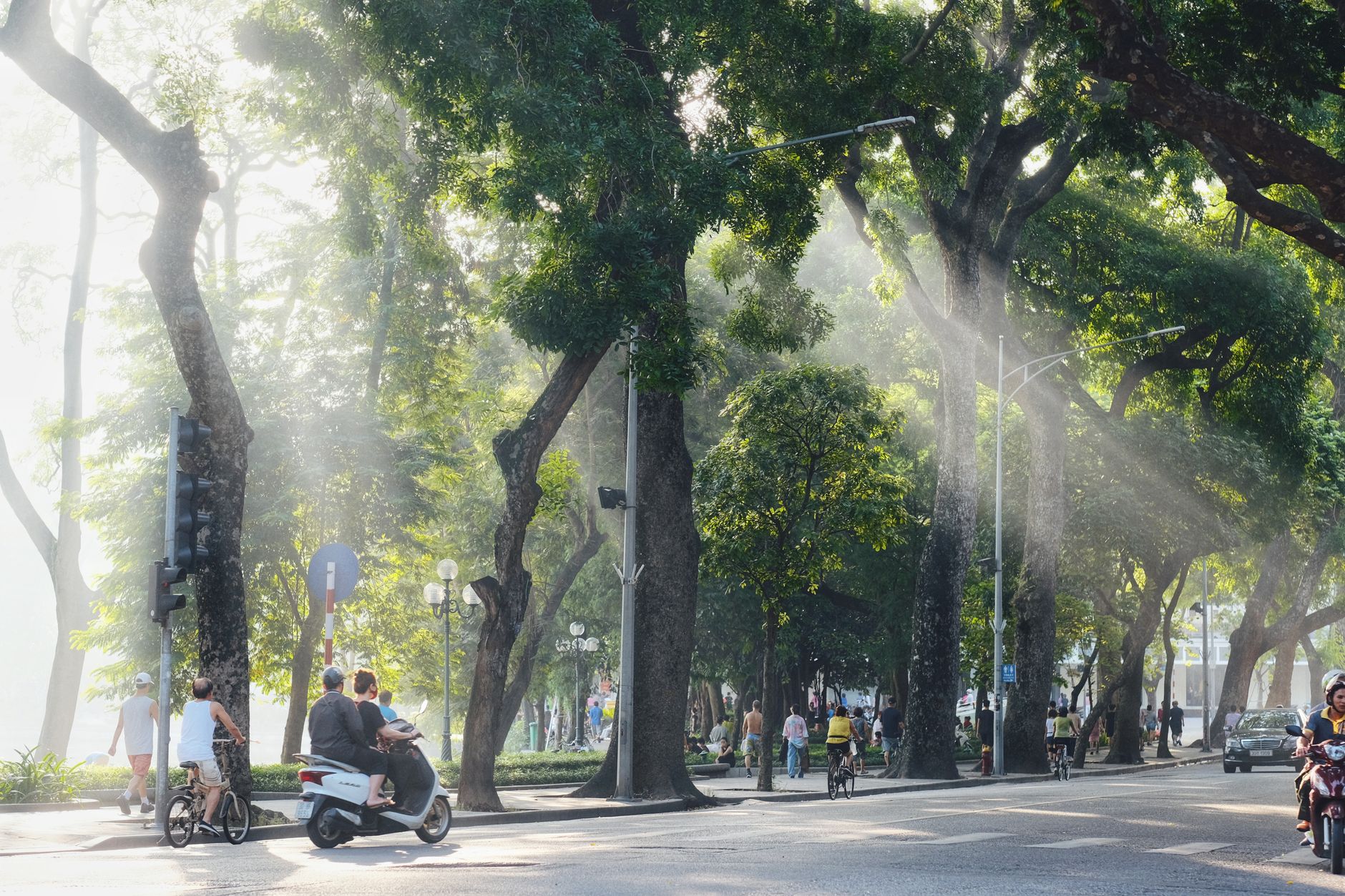
Lotus tea, known as "tra sen" in Vietnamese, is not a single drink but a family of infusions, each made from a different part of the lotus plant. Leaves, flowers, seeds, roots, plumules—each yields its own flavor, aroma, and ritual. In Vietnam (베트남 / 越南 / ベトナム), where the lotus is the national flower, these teas are woven into family gatherings, hospitality, and quiet moments of reflection.
The lotus plant (Nelumbo nucifera) rises from murky pond water pure and unblemished—a symbol that resonates throughout Vietnamese culture. That same reverence applies to how Vietnamese tea makers prepare and serve lotus infusions. This is not fast tea. It is deliberate, meticulous, often laborious. And that slowness is the point.
Flower Tea: The Most Revered Form
"Tra hoa sen" (lotus flower tea) is the crown jewel. The traditional Vietnamese method is labor-intensive: high-quality green tea leaves are nestled inside a blooming lotus flower overnight. As the flower closes, the leaves absorb the blossom's delicate perfume. This process repeats with fresh flowers until the scent reaches full intensity. A single pot of this tea can cost more than a meal.
In Hanoi, the most prized flower tea comes from lotus ponds in Tay Ho (West Lake) district, where families have been scenting tea for generations. A 100-gram package of authentic Tay Ho lotus tea runs anywhere from 500,000 to 2,000,000 VND depending on quality and the number of scenting cycles—some producers repeat the process five or six times over several weeks. If you visit the Tay Ho area between June and August, when lotus flowers bloom at dawn, you can sometimes watch harvesters working the ponds before 6 AM, collecting stamens and petals while the fragrance is strongest.
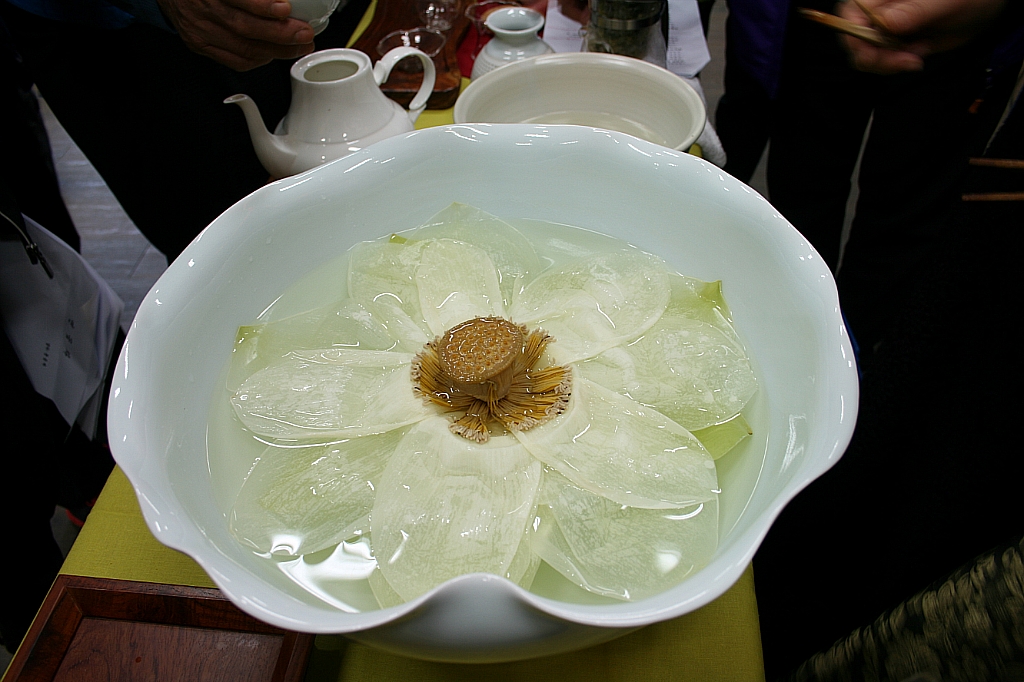
You can also steep 4–8 grams of dried lotus petals in 600 ml of water over low heat for a lighter, more affordable version. The visual alone—petals unfurling in hot water—carries symbolic weight: purity, enlightenment, the unfolding of clarity.
Leaf Tea: Everyday Ritual
Young lotus leaves, heat-treated by steaming or roasting, then dried, make "tra la sen." The preparation is straightforward: 6–12 grams of dried leaves (or 15–20 grams fresh) simmered in 600 ml of water over low heat yields two to three cups.
The brew is light, refreshing, subtly earthy. In Vietnamese kitchens, lotus leaves wrap sticky rice and steamed fish, imparting a whisper of fragrance to the food. You will find lotus-leaf-wrapped rice ("com la sen") served alongside grilled pork or "cha gio" (fried spring rolls) in restaurants across Hue and Hoi An, where the combination of herbal aroma and savory filling is a regional comfort. The tea itself is prized for cooling properties—particularly welcome during humid Hanoi summers, when temperatures push past 38 degrees Celsius and a chilled version of tra la sen becomes a practical daily drink. The ritual of preparing and slicing the leaves, roasting and drying them, is meticulous; quality tea reflects that care.

Image by 활빈당 via Wikimedia Commons (CC BY-SA)
Seed Tea: Nourishing and Nutty
"Tra hat sen" uses seeds that have been steamed and dried. Steep 5–10 grams in 600 ml of water over low heat for two to three cups. The flavor is gently sweet, slightly nutty; the mouthfeel warming and comforting.
In Vietnamese cuisine, lotus seeds show up in sweet soups called "che," savory dishes, and as snacks. Dong Thap province in the Mekong Delta (메콩 델타 / 湄公河三角洲 / メコンデルタ) is the country's largest lotus-growing region, and dried lotus seeds from Dong Thap are sold in every market from Saigon to Da Nang. At Ben Thanh Market in Saigon, a 500-gram bag of dried seeds typically costs 80,000–150,000 VND—a reasonable price for something that yields dozens of cups. Tea offers a different way to absorb their subtle taste and perceived nourishing properties. The steaming-and-drying process readies them for infusion, releasing their essence into hot water. Many Vietnamese families keep a jar of dried lotus seeds in the kitchen, ready for either cooking or brewing, the way other households might keep chamomile or mint on hand.
Plumule Tea: Bitter, Potent, Meditative
Inside each lotus seed sits a small green embryo—the plumule, called "tim sen" in Vietnamese. Removed from seeds before cooking (it would make dishes bitter), it is actively sought for tea precisely because of that bitterness.
"Tra tim sen" has a reputation for calming effects and is sometimes consumed to aid sleep or ease anxiety. Its intensity means small doses; many people blend it with milder herbs. Dried plumules steeped in hot water yield a potent infusion—not a casual afternoon drink, but a deliberate choice for a specific purpose. At traditional Vietnamese pharmacies—the ones you see along Hai Ba Trung or Lan Ong streets in Hanoi's Old Quarter, with rows of glass jars behind wooden counters—dried plumules sell for around 200,000–400,000 VND per kilogram. The shopkeeper might ask whether you want them for tea or for combining with other herbs, and may suggest a blend. If you are not used to bitter infusions, start with just 2–3 grams per cup and taste before adding more.

Image by 산머루 via Wikimedia Commons (CC BY-SA)
Root Tea: Earthy and Grounding
"Tra cu sen" is made from lotus root rhizome, either as dried slices steeped in hot water or as a powder mixed into hot water. Lotus root appears throughout Vietnamese and other Asian cuisines for its crisp texture and subtle sweetness when cooked.
As tea, it offers a mild, earthy flavor and is considered warming. The dried-and-sliced or powdered form makes preparation simple, allowing the root's essence to extract easily. It is the least labor-intensive lotus tea to prepare, and often the most approachable entry point for newcomers. You will find packaged lotus root tea in most Vietnamese supermarkets and convenience stores for 30,000–60,000 VND per box, making it an easy souvenir to carry home.
Where to Try Lotus Tea Across Vietnam
Geography matters. The lotus variety, the water it grows in, and the local preparation style all shape the final cup.
Hanoi and the North. Tay Ho district remains the epicenter for premium flower-scented tea. Several family-run tea houses along Quang An and Au Co streets serve tra hoa sen brewed to order. Expect to pay 80,000–200,000 VND per pot for two people. Pair it with "banh com" (green rice cakes) for a traditional Hanoi snack combination. In the Old Quarter, tea shops on Hang Dieu street stock a range of dried lotus products. If you are already exploring Hanoi for a bowl of pho or a cup of egg coffee, a stop at one of these shops takes only a few minutes and is well worth the detour.
Hue and Central Vietnam. Hue's Tinh Tam Lake was historically planted with lotus for the imperial court. Today, lotus tea in Hue tends to be blended with local green tea varieties and has a slightly more robust flavor than the Hanoi style. Cafes along the Perfume River often list lotus tea on their menu alongside Vietnamese coffee—an interesting contrast to try back to back. A pot of lotus tea in a riverside cafe costs around 40,000–80,000 VND.
Dong Thap and the Mekong Delta. Dong Thap's Tram Chim and Thap Muoi lotus fields are vast. The province has built a small tourism circuit around lotus season (May through September), including boat rides through lotus ponds and on-site tea preparation. Lotus seed tea and lotus leaf tea are more common here than the flower-scented variety, and prices are lower than in Hanoi—expect 60,000–120,000 VND for a 100-gram bag of dried lotus leaf tea at a local market.
How to Order and What to Say
At a tea shop or cafe, the phrase "Cho toi tra sen" (give me lotus tea) works as a starting point. If you want to specify the type, you can say:
- "Tra hoa sen" — flower tea
- "Tra la sen" — leaf tea
- "Tra hat sen" — seed tea
- "Tra tim sen" — plumule tea
Most servers will understand if you simply point at the menu, but knowing these names helps at market stalls where there is no English signage. If you are buying dried tea to take home, ask "Bao nhieu mot goi?" (how much for one package?) and the vendor will usually pull out a calculator or write the number down.
For brewing at home, the general rule across all lotus tea types: use water just off the boil (about 85–90 degrees Celsius, not a rolling boil), steep for 3–5 minutes on the first infusion, and re-steep the same leaves or seeds two or three times. Lotus teas are forgiving—over-steeping produces a stronger flavor but rarely turns harsh, unlike some black teas.
Common Mistakes and What Surprises Foreigners
Expecting one flavor. Most visitors try lotus tea once—usually the flower-scented version—and assume that is the whole story. The seed tea and leaf tea are genuinely different drinks. If you only try one, you have only met one member of the family.
Buying tourist-grade tea at inflated prices. In heavily trafficked areas near the Temple of Literature in Hanoi or along the tourist strip in Hoi An, lotus tea packages marked in English can run three to five times the price of identical products sold at a local market two streets away. Ask for the price per 100 grams and compare before buying.
Drinking it cold when it is meant to be hot. Leaf tea works fine chilled. Flower-scented tea does not—cooling it mutes the fragrance, which is the entire point. Plumule tea served cold just tastes bitter without the aromatic warmth that balances it.
Assuming it is caffeinated. Pure lotus flower petal, leaf, seed, and plumule teas contain no caffeine. However, the premium flower-scented version (tra hoa sen) is made with green tea leaves, which do contain caffeine. If you are avoiding caffeine, ask whether the tea base includes "tra xanh" (green tea).
Treating it like herbal medicine. Lotus teas have a long history in traditional Vietnamese wellness practices, and vendors sometimes make broad health claims. Enjoy it as a flavorful drink with cultural significance. That is reason enough.
Quick Reference: Lotus Tea at a Glance
- Tra hoa sen (flower tea): Most expensive. Scented green tea base. Aromatic, delicate. Contains caffeine. 500,000–2,000,000 VND / 100g for premium Tay Ho varieties.
- Tra la sen (leaf tea): Budget-friendly. Light, earthy, cooling. Caffeine-free. Best chilled in summer. 40,000–100,000 VND / 100g.
- Tra hat sen (seed tea): Nutty, mildly sweet. Caffeine-free. Widely available in dried form. 80,000–150,000 VND / 500g seeds.
- Tra tim sen (plumule tea): Bitter, calming. Caffeine-free. Small doses recommended. 200,000–400,000 VND / kg.
- Tra cu sen (root tea): Earthy, mild. Caffeine-free. Available as powder or dried slices. 30,000–60,000 VND / box.
- Best season: June through August, when fresh lotus flowers are harvested.
- Best regions: Tay Ho (Hanoi), Hue, Dong Thap (Mekong Delta).
- Brewing temp: 85–90 degrees Celsius. Steep 3–5 minutes. Re-steep 2–3 times.
Why Lotus Tea Matters in Vietnam
Serving lotus tea is an act of hospitality and intention. Whether on a special occasion, during family gatherings, or as a gift, the choice signals respect and care. The meticulous preparation—especially of flower-scented green tea—reflects reverence for tradition and the subtle craft of tea making.
The lotus itself embodies values central to Vietnamese identity: purity, resilience, optimism. A cup of lotus tea is not merely a beverage; it is a connection to heritage, to the natural world, and to the quiet aesthetic that shapes Vietnamese life. In that sense, every sip carries meaning. You will see lotus motifs on pagoda walls in Ninh Binh, on silk in Da Lat markets, and painted on ceramic bowls at Bat Trang pottery village outside Hanoi. The flower is everywhere because it means something to people here—and the tea is one of the most direct ways to understand why.
Final Note
Lotus tea is not a trend or a novelty item. It is a living tradition tied to specific places, seasons, and skills that Vietnamese families have refined over centuries. If you visit Vietnam and drink nothing but ca phe sua da and bia hoi—and those are both worth your time—you will still have missed something quiet and essential. Sit down with a pot of tra sen. Give it the few minutes it asks for. That patience is part of the taste.
Last updated · May 29, 2026 · independently researched, never sponsored.