Lang Cu Lan is a countryside eco-tourism village about 20 km northwest of Da Lat, tucked into a valley of pine forest and coffee plantations at roughly 1,000 meters elevation. It's not a traditional ethnic minority village in the museum sense — it's a loosely organized tourism site built around the aesthetics and daily rhythms of the K'Ho minority community that has lived in this part of Lam Dong for generations. The name translates roughly to "Loris Village," after the slow loris that once inhabited these forests.
The site opened to visitors in the early 2010s and has grown gradually without the heavy-handed resort development you see elsewhere in the Central Highlands (중부 고원 / 中部高原 / 中部高原). There are no ticket gates with QR codes, no neon-lit photo zones. It still feels like someone's backyard — because parts of it literally are.
Why Travelers Go
Lang Cu Lan draws people who want a break from Da Lat (달랏 / 大叻 / ダラット)'s increasingly crowded center. The main Xuan Huong Lake area and the night market get packed on weekends and holidays, and the traffic around the central market has gotten noticeably worse in the last few years.
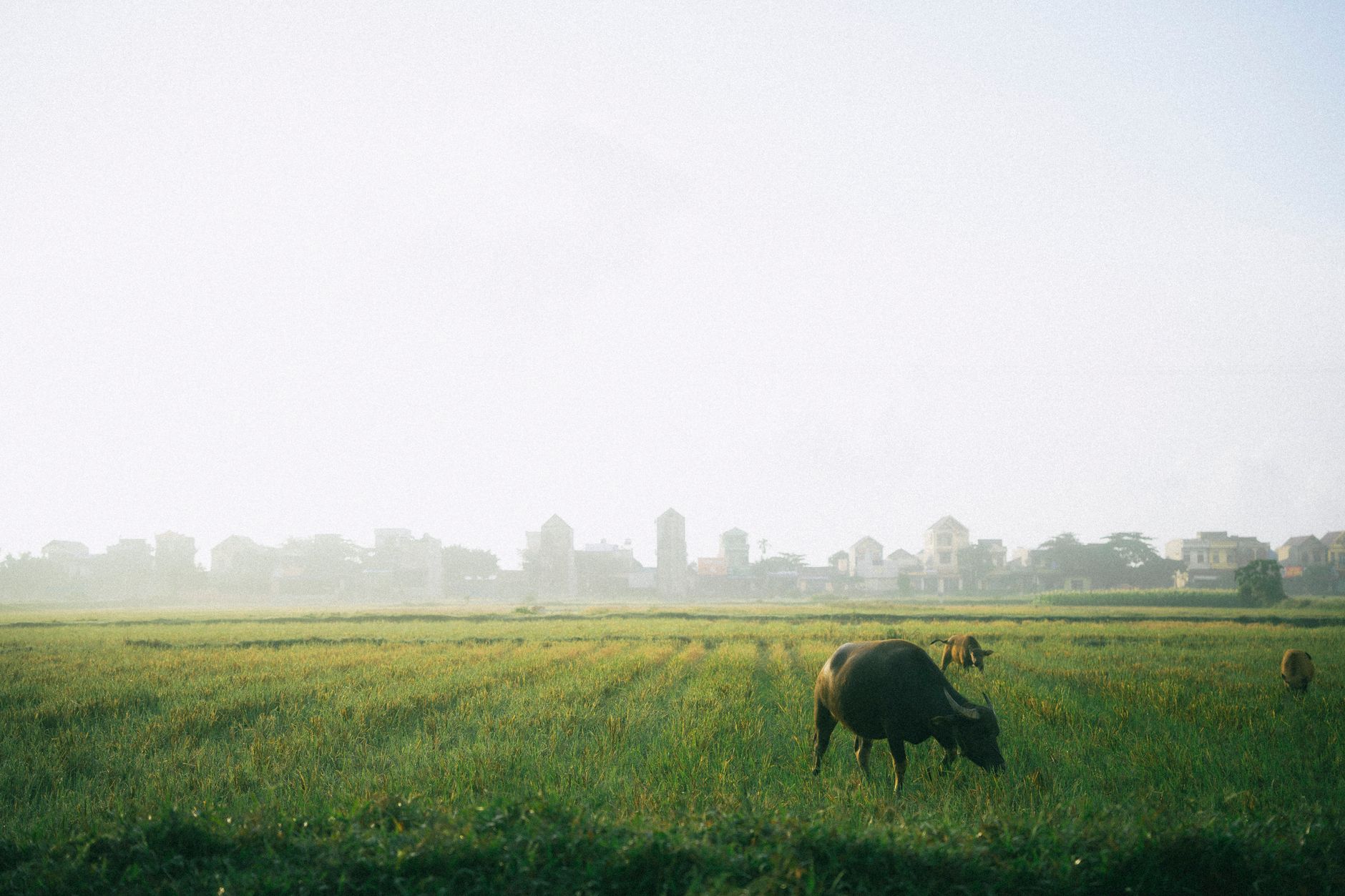
Out here, the appeal is simple: cool air, dirt paths through pine and bamboo groves, a few streams, some livestock wandering around, and not much else competing for your attention. It's popular with Vietnamese families and couples looking for photo backdrops — the village has rustic bamboo bridges, thatched-roof huts, and some intentionally photogenic setups — but on a weekday morning, you can walk through most of the grounds without seeing more than a handful of other visitors.
It's not a full-day destination. Think of it as a solid half-day trip, especially if you combine it with the drive itself, which passes through some of the better countryside scenery near Da Lat.
Best Time to Visit
The sweet spot is November through March. This is the dry season in the Central Highlands, and temperatures around Lang Cu Lan hover between 15–22°C during the day. Mornings can be misty, which makes the pine forest look genuinely good without any filter.
Avoid Tet and long weekends (April 30, September 2) unless you enjoy competing for parking with tour buses. The rainy season from May through October doesn't make the village inaccessible, but the red dirt paths turn slippery, and the streams can swell enough to make some crossings annoying.
How to Get There from Da Lat
From central Da Lat, Lang Cu Lan is about 20 km northwest along provincial road DT725, heading in the direction of Lat village. The drive takes around 40–50 minutes depending on how cautiously you take the winding sections.
By motorbike: The most common option. Rental bikes in Da Lat run 120,000–180,000 VND/day for a semi-auto. The road is paved and in reasonable condition, though the last 2–3 km to the village entrance narrows and has some loose gravel patches. Confident riders only for that stretch.
By taxi or Grab car: A one-way Grab from Da Lat center costs roughly 200,000–280,000 VND. Getting a return ride can be tricky since signal is weak out there — arrange a round-trip with your driver or have them wait.
By tour: Several Da Lat tour operators include Lang Cu Lan in countryside half-day packages (typically 350,000–500,000 VND per person), often combined with a stop at a coffee farm and a silk factory. These are fine if you don't ride, but they limit your time at the village to about 90 minutes.
Entrance fee is 60,000 VND for adults (as of early 2025). Kids under 1 meter tall go free.

Photo by Quang Nguyen Vinh on Pexels
What to Do
Walk the Village Loop
There's a main trail that loops through the village in about 60–90 minutes at a relaxed pace. It passes through bamboo groves, crosses a few small wooden bridges over streams, and winds past thatched cottages and animal pens. Some sections have hammocks strung between trees — claim one early if you visit on a weekend.
Try the Waterfall Stream Crossing
A shallow stream runs through the lower part of the village, and there's a stretch where you can wade across stepping stones or a swinging bamboo bridge. It's not adventure tourism — your grandmother could do it — but it's a nice spot to cool off and the water is genuinely cold.
Ride an Ostrich (Yes, Really)
The village keeps a small flock of ostriches, and for about 50,000 VND you can ride one for a short supervised loop. It's chaotic and slightly absurd, which is kind of the point. They also have horses if you prefer something that cooperates with the rider.
Visit the Minority Craft Displays
A few huts showcase K'Ho weaving, basket-making, and rice wine preparation. These aren't performances — they're quiet, low-key displays, sometimes with a local artisan working. Worth stopping for five minutes to understand the textile patterns, which differ from what you'd see in Sapa or the northern highlands.
Sit and Drink Coffee
There's a small café area near the main entrance serving Da Lat-grown coffee. A "ca phe sua da" here costs 25,000–35,000 VND. The beans are local robusta, nothing specialty, but the setting — pine trees, cool air, silence — makes it better than it has any right to be.
Where to Eat Nearby
Lang Cu Lan itself has a basic restaurant serving grilled chicken, sticky rice, and simple Vietnamese plates. The grilled free-range chicken ("ga nuong") is the move — the birds are raised locally and the meat has more flavor than what you get in the city. Expect 250,000–350,000 VND for a whole chicken.
On the drive back toward Da Lat, stop along DT725 near Lat village for "banh canh" — thick tapioca noodle soup — which is a comfort food specialty in the Da Lat area. A bowl runs 35,000–50,000 VND.
Where to Stay
Most visitors stay in Da Lat and do Lang Cu Lan as a day trip. Central Da Lat has everything from 200,000 VND/night hostels to boutique hotels in the 1,500,000–3,000,000 VND range.
Lang Cu Lan itself has a handful of basic homestay-style rooms and bungalows on-site, priced around 400,000–800,000 VND per night. They're rustic — expect thin mattresses, shared bathrooms in some cases, and limited hot water. But if you want to wake up inside the village before day-trippers arrive, it's worth the tradeoff.

Photo by Duc Nguyen on Pexels
Practical Tips
- Wear shoes you don't care about. The paths are dirt and can be muddy even in dry season after morning dew. Sandals work if you're careful, but closed shoes are smarter.
- Bring cash. There's no ATM anywhere near the village, and card payments aren't accepted. Budget 200,000–400,000 VND beyond the entrance fee for food, coffee, and activities.
- Go early. Arrive by 8:30–9:00 AM and you'll have the trails mostly to yourself. By 11:00 AM on weekends, the tour groups start rolling in.
- Charge your phone. Limited outlets inside the village, and mobile signal (Viettel works best) is patchy.
Common Mistakes
Skipping the back trails and only staying near the entrance area — that's where all the crowds and photo setups concentrate. The quieter, more interesting sections are a 10-minute walk deeper in.
Expecting a polished attraction. This isn't Ba Na Hills or the Golden Bridge. It's low-budget, a little rough around the edges, and some of the structures look like they could use a coat of paint. If you come with countryside-walk expectations instead of theme-park expectations, you'll enjoy it.
Practical Notes
Lang Cu Lan works best as a morning half-day trip from Da Lat, paired with an afternoon wandering the city center or visiting one of the nearby coffee farms. It's a good reset if you've been doing back-to-back tourist sites. Budget about half a day, 300,000–500,000 VND total, and leave before lunch.
Last updated · May 26, 2026 · independently researched, never sponsored.