The Structure
The Golden Bridge — "Cau Vang" in Vietnamese — is a 150-meter pedestrian walkway inside the Ba Na Hills resort, about 30 kilometers west of Da Nang. What makes it memorable isn't the engineering; it's the design. Two oversized hands, cast from fiberglass and wire mesh, appear to support the bridge from below, as if carved ancient stone has emerged from the mountain itself. The bridge loops almost back on itself, creating a distinctive silhouette that reads instantly in photographs.
The hands are the concept. They're designed to resemble weathered stone, but the fiberglass-and-wire-mesh construction keeps the whole structure light enough to cantilever across the gap. The walkway itself is steel-framed and paved, simple and functional — the hands do the visual work.
The bridge sits at roughly 1,400 meters above sea level in the Truong Son range. That altitude matters practically: temperatures up here run 5-8 degrees Celsius cooler than down in Da Nang, which hovers around 30-35C most of the year. In winter months (December through February), it can drop below 15C at the bridge, and fog is common. Bring a light jacket even if it's sweltering at sea level.
Who Built It and When
The Sun Group commissioned the bridge. TA Landscape Architecture, a Ho Chi Minh City-based firm affiliated with the city's University of Architecture, designed it. Vu Viet Anh, the firm's founder, led the project; Tran Quang Hung designed the bridge itself; Nguyen Quang Huu Tuan managed the design team.
Construction started in July 2017 and wrapped in April 2018 — roughly nine months. The bridge opened to the public in June 2018. It went viral almost immediately, becoming one of Vietnam's most Instagram'd landmarks within a couple of years.

Image by Trung Le via Wikimedia Commons (CC BY-SA)
What You See From Up There
The bridge's main job is practical: it connects the cable car station to the resort's gardens, cutting out a steep climb. But the elevation — and the mountain location — means clear-day views reach across to the Truong Son Mountains and, on the coast side, the Da Nang shoreline. Misty mornings create a different mood, clouds wrapping around the hands like the structure is floating.
The bridge is part of a larger resort experience. Ba Na Hills includes French Village (a colonial-era mock-up), a fantasy park, temples, and various gardens. Most visitors spend a half-day or full day here. The cable car ride up the mountain is itself a draw — long, slow, and panoramic.
On the bridge itself, the walkway is lined with chrysanthemum beds and lobelia planters that the resort staff swap out seasonally. The gold-painted railing gives the structure its name — "Cau Vang" literally translates to "Golden Bridge." At the midpoint where the two hand sections meet, there's a small viewing platform where most people stop for photos. That's where the queue builds up.

Image by Laslovarga via Wikimedia Commons (CC BY-SA)
How to Get There and Visit
You'll need a ticket to Ba Na Hills. The resort is accessible only by cable car, which departs from the base station west of Da Nang city center. The ride takes around 20 minutes. Once at the top, the Golden Bridge is one of several attractions; most visitors spend 30 minutes to an hour on and around it.
Check the official Ba Na Hills website for current ticket prices (they shift seasonally), cable car hours, and any closures due to weather. Strong winds or heavy rain can shut the bridge down. Clear skies in early morning or late afternoon give the best light for photography. Weekends and Vietnamese holidays get crowded; weekday visits are quieter.
Getting from Da Nang (다낭 / 岘港 / ダナン) to the base station: The cable car base is on the road to Ba Na, about 25 km from the city center and roughly 40 minutes by car or motorbike without traffic. A Grab car from central Da Nang (near the Dragon Bridge area) typically runs 200,000-300,000 VND one way. Some hotels arrange shuttles. You can also rent a motorbike for around 120,000-150,000 VND per day from shops along Bach Dang Street — the mountain road is paved and manageable, but it's steep and winding, so only attempt it if you're comfortable on two wheels.
As of recent seasons, adult tickets for Ba Na Hills (including the cable car and all on-site attractions) are around 900,000-1,000,000 VND for adults and roughly half that for children. There's no separate ticket for the Golden Bridge alone — it's bundled into the general admission. The resort opens at 7:00 AM and the last cable car down usually departs around 9:00-9:30 PM, though most people leave well before dark.
Planning Your Day Around Ba Na Hills
Most visitors treat Ba Na Hills as a half-day or full-day trip from Da Nang. If you're staying in Hoi An — about 30 km south of Da Nang — add another 30-40 minutes to the drive. Some tour operators in both cities offer combined packages that pair Ba Na Hills with a stop at the Marble Mountains on the way back.
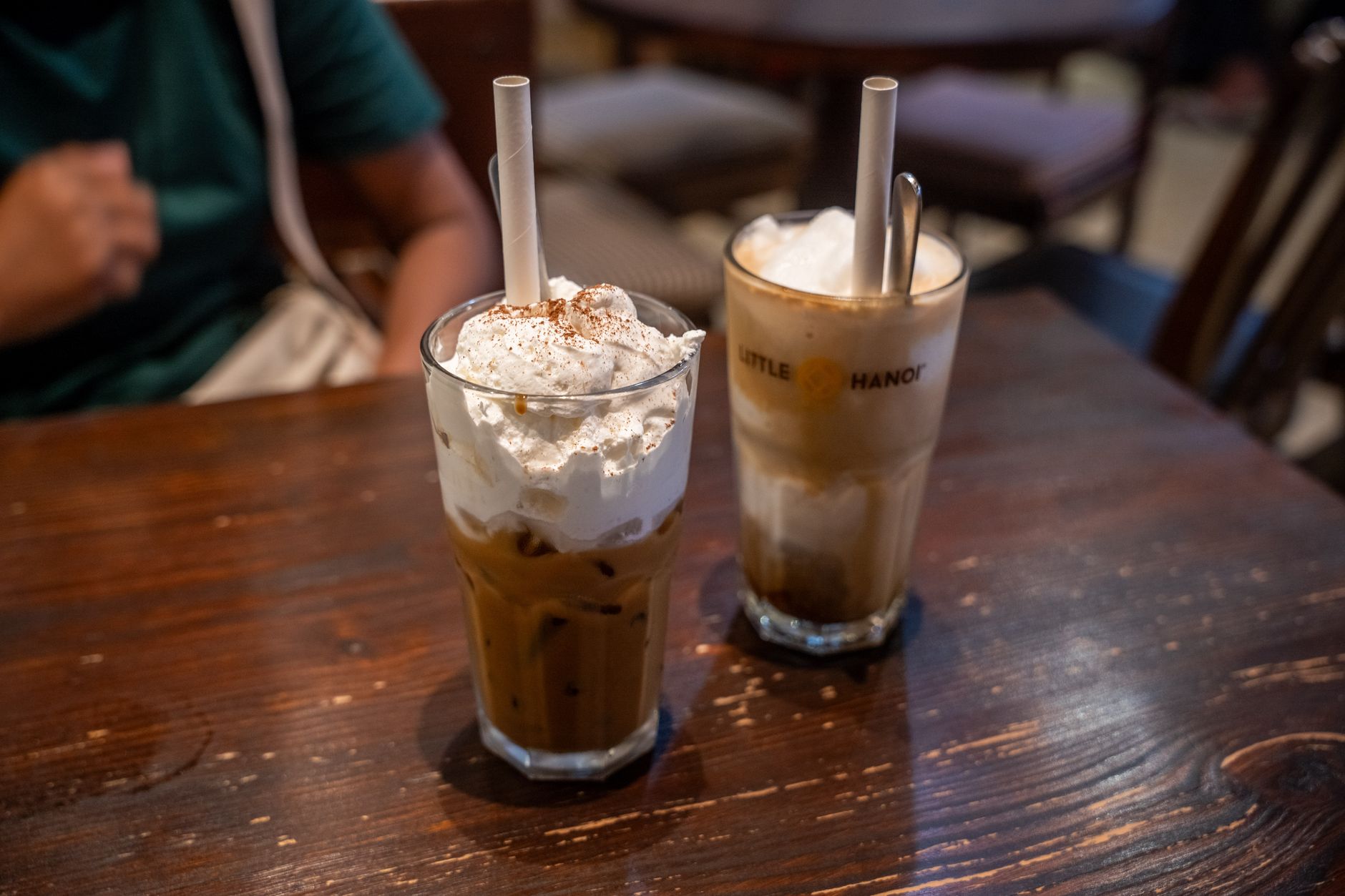
A realistic schedule: arrive at the base station by 7:30 AM to catch an early cable car. Hit the Golden Bridge first while it's relatively empty. Walk through the gardens to French Village, grab a "ca phe" (Vietnamese coffee — there are several cafes on site, though prices are resort-level, around 50,000-80,000 VND for a basic drink). Explore the Linh Ung Pagoda and the fantasy park if you're traveling with kids. By early afternoon, the bridge gets its heaviest foot traffic from tour groups arriving from Da Nang and Hue (Hue is about 100 km north, and some operators run day trips that include Ba Na Hills).
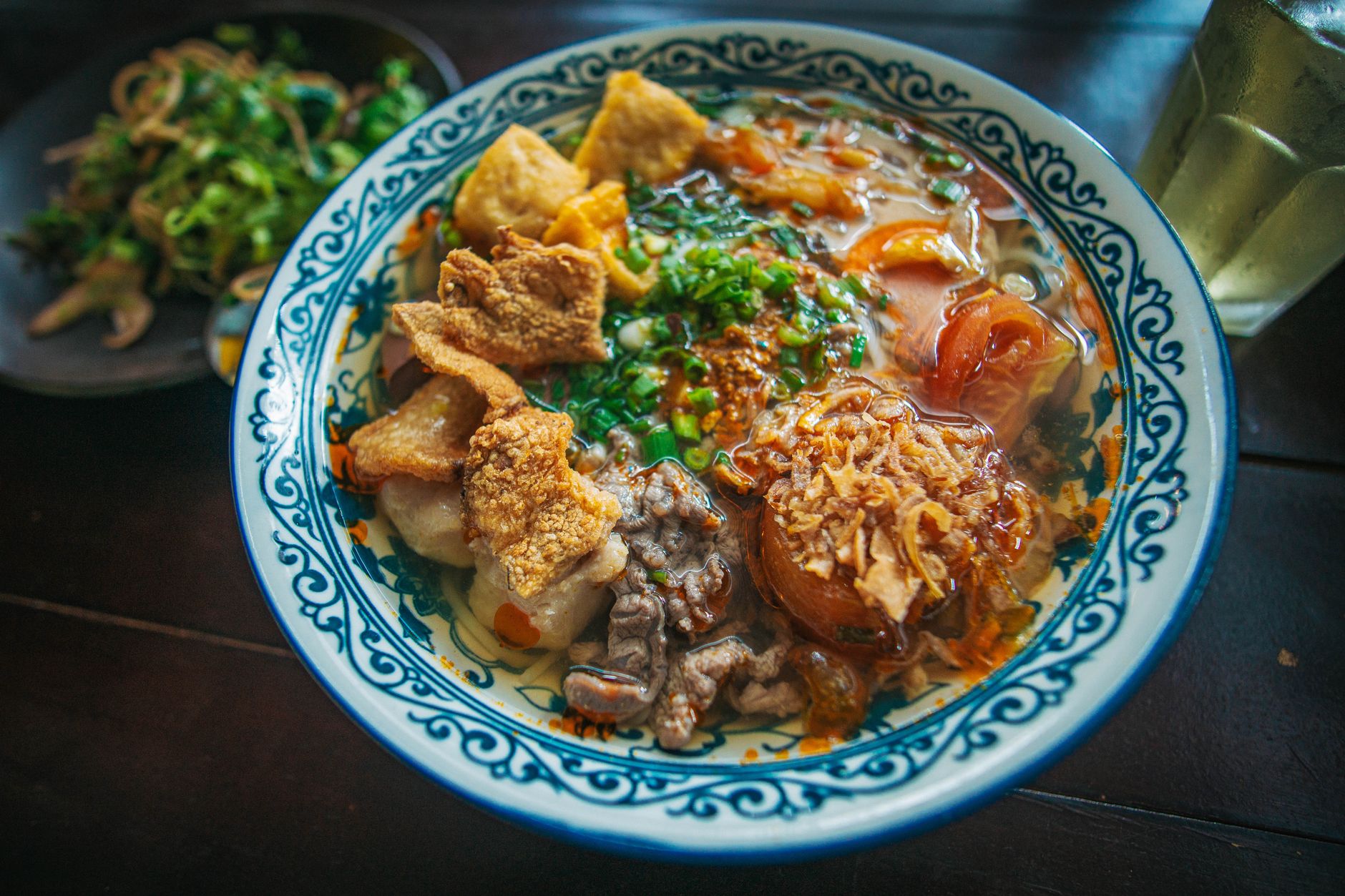
Food inside the resort is functional but overpriced compared to Da Nang street food. Expect to pay 100,000-200,000 VND for a meal at the on-site restaurants. My suggestion: eat light at Ba Na Hills, then head back to Da Nang for dinner. The "bun cha" joints on Hoang Dieu Street or the seafood stalls at Man Thai fishing village near Son Tra Peninsula are better food for half the price. If you want something quick after the trip, a proper "banh mi" from Madam Lan or Bread of Life near the Han River will cost you 25,000-35,000 VND and taste far better than anything inside the resort.
What Surprises Most Visitors
It's a theme park, not a standalone bridge. The single biggest surprise for first-timers is that you can't just drive up, walk across the Golden Bridge, and leave. It's inside a gated resort. You buy the full Ba Na Hills ticket, ride the cable car, and then the bridge is one attraction among many. Budget at least three to four hours for the whole experience, even if the bridge is all you came for.
The crowds are real. On weekends, Vietnamese holidays (especially Tet, April 30, and September 2), and during peak tourism months (October through March), the bridge can feel shoulder-to-shoulder. Getting a clean photo without other people in frame requires patience or very early arrival. Some photographers show up right at 7:00 AM opening and sprint to the bridge to get five minutes of relative calm.
Fog isn't a failure — it's a feature. Many visitors worry about cloudy days ruining the trip. In practice, the mist rolling through the giant hands creates some of the most memorable shots. Total whiteout fog where you can't see three meters ahead — that's a different story, and it does happen, especially in winter mornings. But light fog and drifting clouds? That's the bridge at its most atmospheric.
It gets cold. People come from the Da Nang beach in shorts and sandals, then shiver at 1,400 meters. The temperature difference is significant. A light windbreaker stuffed in your bag solves this.
The cable car is part of the experience. The Ba Na Hills cable car held a Guinness World Record for longest single-wire cable car when it opened. The ride itself — about 20 minutes, crossing deep valleys with jungle canopy below — is genuinely impressive. Don't sleep through it looking at your phone.
Quick Reference
- Location: Ba Na Hills, approximately 25 km west of Da Nang city center
- Altitude: Roughly 1,400 m above sea level
- Bridge length: 150 meters
- Opened: June 2018
- Ticket: Included in Ba Na Hills general admission (approximately 900,000-1,000,000 VND for adults)
- Operating hours: 7:00 AM - 9:30 PM (last cable car down); subject to weather closures
- Best time to visit: Weekday mornings, especially 7:00-9:00 AM for fewer crowds
- Best months: February through May and August through September for clearer skies; October through January brings more fog and cooler temperatures
- Travel time from Da Nang center: 40 minutes by car to base station, plus 20 minutes by cable car
- Travel time from Hoi An: About 1 hour 15 minutes to base station
- Grab car cost from Da Nang: 200,000-300,000 VND one way
- What to bring: Light jacket, comfortable walking shoes, charged phone, small backpack
Why It Matters
The Golden Bridge landed in travel magazines, TikTok, Pinterest, and Instagram because it looks like nothing else in Vietnam — and because it's a rare case of modern architecture that prioritizes visual storytelling over pure function. It's become a symbol of Vietnamese tourism pivoting toward Instagram-era design: bold, memorable, photogenic. It draws visitors who might not otherwise visit Da Nang or Ba Na Hills. And it's legitimately well-executed — the hands don't feel kitschy or forced, even if they're definitely theatrical.
The bridge also shifted how Da Nang positions itself as a destination. Before 2018, most international visitors treated the city as a transit point between Hoi An and Hue. The Golden Bridge gave Da Nang its own landmark — something that shows up on "places to visit in Vietnam" lists alongside Ha Long Bay and the rice terraces of Sapa. Whether that's purely good for the region is debatable (overtourism at a single attraction has its costs), but the economic impact on local transport, hospitality, and food businesses has been significant.
Beyond the Bridge: What Else Is Worth Your Time in Da Nang
If you're making the trip to Da Nang for the Golden Bridge, you'd be shortchanging yourself to skip the rest of the city. The food alone justifies a two- or three-night stay. Da Nang's "mi quang" — turmeric-tinted noodles with pork, shrimp, herbs, and a small amount of broth — is one of central Vietnam's signature dishes, and the best bowls come from neighborhood shops, not tourist restaurants. Try the strip of "mi quang" stalls along Le Dinh Duong Street near the Cham Museum.
"Banh xeo (반세오 / 越南煎饼 / バインセオ)" — crispy rice-flour crepes stuffed with shrimp and bean sprouts — is another local strength. Ba Duong on Hoang Dieu Street has been doing them since the 1980s and charges about 50,000 VND per crepe. Wrap pieces in rice paper with fresh herbs and dip in "nuoc cham" (the sweet-sour fish sauce). Simple and perfect.
For sightseeing, the Marble Mountains (Ngu Hanh Son) are 8 km south of the city center and offer cave pagodas and coastal views. The Cham Museum downtown houses the world's largest collection of Cham sculpture. And the Son Tra Peninsula — the forested headland north of the city — has winding roads, a giant Quan Am statue at Linh Ung Pagoda, and quiet beaches that feel disconnected from the resort strip. From Da Nang, day trips to Hue (the Imperial Citadel, the Tomb of Tu Duc, and the Thien Mu Pagoda) or Hoi An (the lantern-lit old town, "cao lau" noodles, and the tailor shops) are easy and well-served by bus, Grab, or motorbike.
Bottom Line
The Golden Bridge is a single walkway inside a theme-park resort, and it costs a full-day ticket to reach. That's worth knowing upfront. But the design genuinely delivers — the giant hands, the mountain fog, the elevation — and Ba Na Hills has enough around it to fill a day without feeling padded. Pair it with two or three nights exploring Da Nang's food and coastline, and you've got one of the stronger stops in a central Vietnam itinerary.
Last updated · May 29, 2026 · independently researched, never sponsored.