What it is and why it matters
Lang Kinh Duong Vuong is the mausoleum dedicated to Kinh Duong Vuong, the figure Vietnamese mythology names as the forefather of the Viet people — the first in a lineage that runs through Lac Long Quan and Au Co to the Hung Kings. The site sits in A Lung village, Thuan Thanh district, Bac Ninh province, about 30 km east of Hanoi. It's not a major tourist circuit stop, which is precisely why it's worth the trip: you'll share the grounds with local families burning incense rather than tour buses.
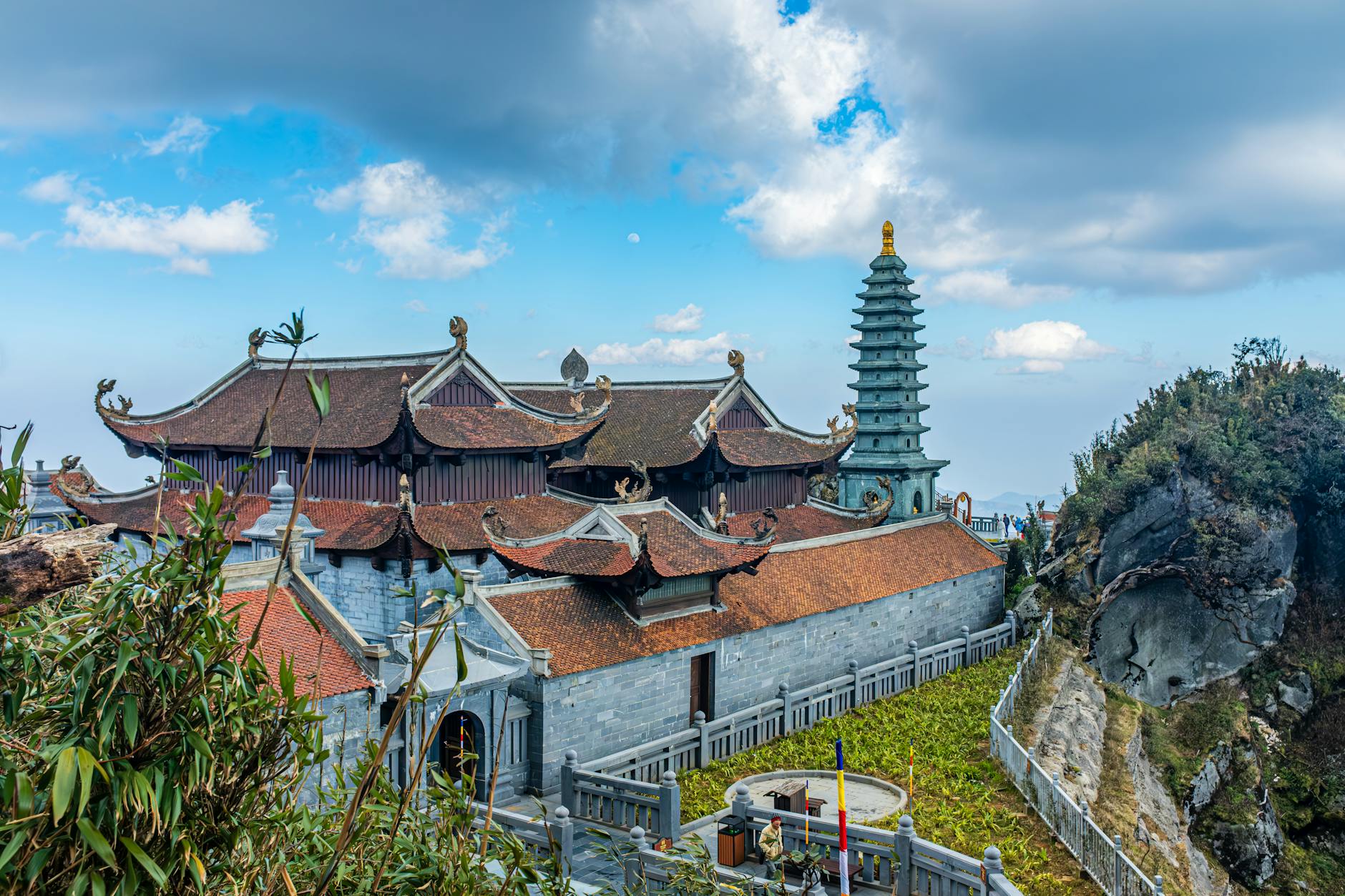
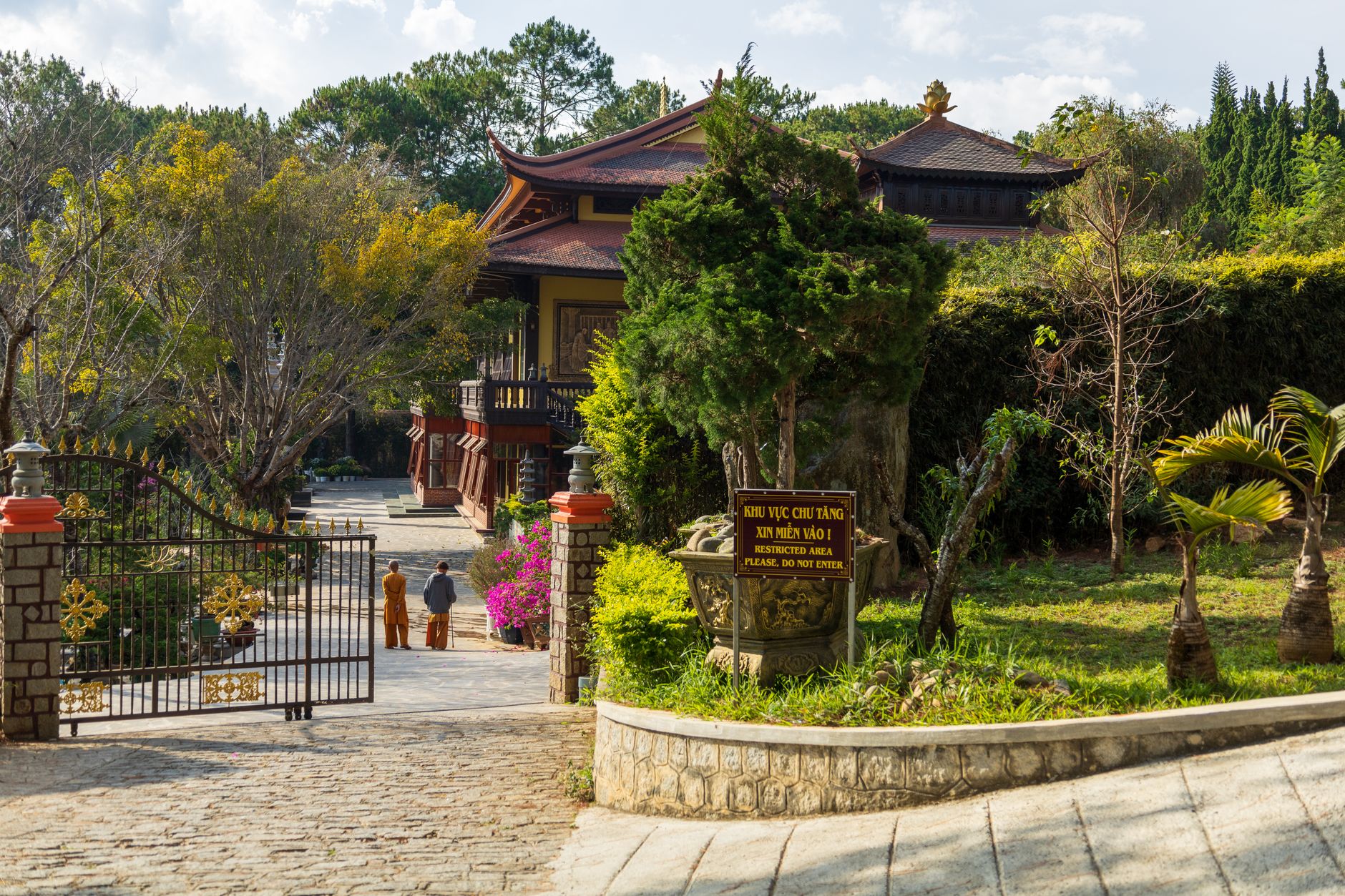
The mausoleum complex has been rebuilt and expanded over centuries, most recently with significant restoration work. The main hall houses altars to Kinh Duong Vuong, his wife Than Long, and their son Lac Long Quan. Surrounding it are traditional courtyards, a lotus pond, ceremonial gates, and mature banyan trees that give the place a calm weight that newer temples can't replicate. If you've visited the Hung Kings Temple in Phu Tho during the Hung Kings Festival, this site completes the origin story — it's the chapter before that chapter.
Why travelers go
Most visitors are Vietnamese making a pilgrimage to honor their ancestral roots, especially around the third lunar month. For foreign travelers, the draw is different: it's a window into how Vietnamese people connect with their mythological past in a living, active way. The architecture is distinctly northern Vietnamese — curved rooflines, dragon motifs, red lacquer — and the setting along the Duong River gives the complex a quiet rural character that central Bac Ninh city has mostly lost to development.
Bac Ninh province is also the heartland of "quan ho" folk singing, a UNESCO-recognized tradition. Combining a visit to the mausoleum with a morning in the surrounding villages gives you a layered picture of northern Vietnamese culture that a day in Hanoi (하노이 / 河内 / ハノイ)'s Old Quarter simply can't.
Best time to visit
The site is open year-round, but two windows stand out:
- [Lunar New Year](/posts/tet (뗏 (베트남 설날) / 越南春节 / テト)-lunar-new-year-guide) through third lunar month (roughly February–April): This is festival season. The main celebration at Lang Kinh Duong Vuong falls on the 18th day of the first lunar month, with processions, quan ho singing, and crowds of local worshippers. It's lively and photogenic, but expect company.
- October–December: Cool, dry weather. Few visitors. You'll likely have the courtyards to yourself on a weekday morning. This is the better window if you want contemplative quiet over festival energy.
Avoid July–August if you can. The heat is aggressive and afternoon thunderstorms turn unpaved paths muddy.
How to get there from Hanoi
By motorbike or car: Take National Highway 1A east toward Bac Ninh city, then cut south on Provincial Road 282 toward Thuan Thanh. The mausoleum is signposted from the main road. Total distance is about 30 km from central Hanoi, roughly 45–60 minutes depending on traffic past Long Bien Bridge.
By bus: Catch a Bac Ninh-bound bus from Gia Lam bus station (15,000–25,000 VND, 40 minutes). From Bac Ninh city bus station, grab a local xe om or taxi to Thuan Thanh — about 12 km south, costing around 80,000–120,000 VND by taxi.
By Grab: A Grab car from Hanoi center runs about 180,000–250,000 VND one way. Booking a return can be tricky from rural Thuan Thanh, so consider asking your driver to wait (negotiate a round-trip fare of 400,000–500,000 VND for the half-day).

Photo by Q. Hưng Phạm on Pexels
What to do
Walk the full complex, slowly
The mausoleum isn't large, but rushing through misses the point. Enter through the triple gate, stop at the lotus pond, then move through the outer courtyard to the main worship hall. Read the stone steles if you can — some date back several hundred years. Budget 45 minutes to an hour.
Watch (or join) the incense offerings
Locals burn incense and leave offerings of fruit, sticky rice, and sometimes whole chickens at the main altar. You're welcome to buy a small incense bundle from vendors near the gate (5,000–10,000 VND) and place it yourself. Nobody will mind — just follow what others do: light the incense, hold it with both hands, bow three times.
Visit the Duong River embankment
A short walk from the complex takes you to the river embankment. There's nothing organized here — no ticket booth, no cafe — just a wide view across rice paddies and the slow brown river. In the early morning, fishermen work the banks. Bring a drink from the village.
Explore A Lung village
The surrounding village has narrow brick lanes, small family temples, and the kind of daily rural life that's disappearing fast in the Red River Delta. If you visit during festival time, you may catch quan ho performances in the village common house.
Combine with Bat Trang or Dong Ho
Bat Trang ceramic village is about 20 km west, back toward Hanoi. Dong Ho — famous for its woodblock "Dong Ho painting" tradition — is just 15 km north in Thuan Thanh district itself. Either makes a strong half-day pairing.
Where to eat nearby
Thuan Thanh isn't a food destination, but Bac Ninh province does a few things well. Look for "banh cuon" — the steamed rice rolls here are thinner and more delicate than what you'll find in Hanoi, often served with fried shallots and a dipping sauce made with local "cha gio" (fried spring rolls). Small shops along the main road in Thuan Thanh town sell plates for 25,000–35,000 VND.
If you detour through Bac Ninh city on the way back, find a bowl of "pho" at one of the market-adjacent stalls near the old quarter — the broth tends to be clearer and slightly sweeter than Hanoi's, and a bowl runs 35,000–45,000 VND.
Where to stay
Most travelers visit as a day trip from Hanoi, which is the practical move. If you want to stay overnight in the area:
- Budget: Nha nghi (guesthouses) in Thuan Thanh town, 200,000–350,000 VND/night. Basic but clean. Don't expect English.
- Mid-range: Hotels in Bac Ninh city, 400,000–800,000 VND/night. More options, better facilities, easy taxi ride to the site.
- Comfortable: A few newer business hotels in Bac Ninh city run 900,000–1,500,000 VND with decent rooms and breakfast included.

Photo by Hồng Quang Official on Pexels
Practical tips locals would tell you
- Dress modestly. This is an active worship site, not a ruin. Cover shoulders and knees. You'll see Vietnamese visitors doing the same.
- Bring cash. There are no ATMs at the site and no card payment anywhere nearby. Small bills for incense, parking (5,000–10,000 VND for a motorbike), and food.
- Go early. The complex is most peaceful before 9 AM. By midday on weekends, school groups and family pilgrimages pick up.
- Learn one phrase: "Con xin phep" (roughly, "I respectfully ask permission") — said quietly before entering the main hall. Locals will notice and appreciate it.
Common mistakes to avoid
- Treating it like a photo backdrop. People are actively praying here. Ask before photographing worshippers, and don't pose in front of the main altar.
- Coming without a plan to get back. Grab availability in rural Thuan Thanh is unreliable. Arrange return transport before you arrive.
- Skipping the village. The mausoleum alone takes under an hour. The village and surrounding landscape are half the experience — allow a full morning.
Practical notes
Lang Kinh Duong Vuong is free to enter. The site is open daily from roughly 7 AM to 5 PM, though these hours flex during festival periods. Combine it with Dong Ho village or a stop in Bac Ninh city for the best use of a half-day trip from Hanoi.
Last updated · May 29, 2026 · independently researched, never sponsored.