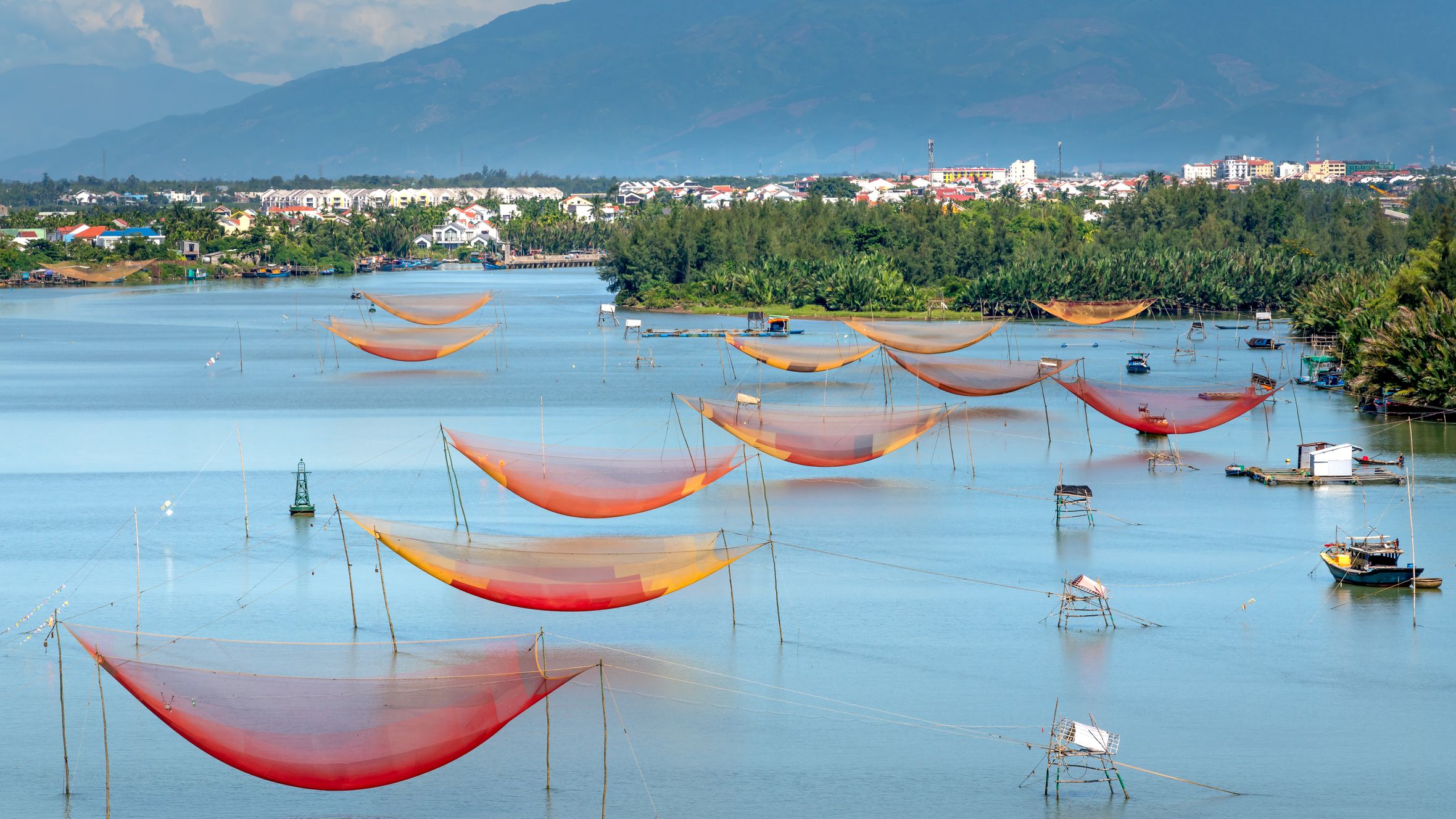
Lao Cai is smaller and less touristed than nearby Sapa, which shapes your options. The province seat sits on the Red River; most visitors base themselves here, then day-trip to Sapa (38 km northeast). If you're hiking, trekking, or visiting minority villages, the choice of where to sleep matters more than it does in Hanoi.
Lao Cai Town Center (Riverside)
The main town occupies a narrow strip along the Red River. The action is compressed into a few blocks around Tran Phu Street (the main drag) and Quang Trung Street one block back. Shops, offices, and middling restaurants cluster here. It's functional, not atmospheric.
Who stays here: Backpackers, budget travelers, people catching the early train to Hanoi (하노이 / 河内 / ハノイ) or China, and those who don't mind urban grit. The town center is genuinely working-class Vietnamese — you're not in a bubble.
Budget options: 150,000–300,000 VND per night
Tiny guesthouses line the side streets off Tran Phu. Most are family-run, basic rooms with a bed, fan or weak AC, shared or private bathroom. You'll find places like Lao Cai Friendly House and similar no-name operations on booking sites. Breakfast is rarely included; expect instant noodles at a street stall for 10,000–20,000 VND. The noise from street traffic and karaoke starts around 9 p.m. and can run late. If you're a light sleeper, bring earplugs.
What you gain: cheap beer, local food on every corner, zero tourist pretense. What you lose: quiet, consistent WiFi, predictable service.
Mid-range: 400,000–700,000 VND per night
A handful of 2–3-star hotels occupy the town center. They have proper reception, elevators, AC, and a shower that works. Rooms are small but clean. Some offer complimentary breakfast (usually pho or com tam and coffee). Wifi is usually decent. Staff speak basic English or French.
These places fill up fastest on Friday and Saturday nights, when locals and cross-border traders pass through. Booking ahead is smart if you're arriving in the evening.
Why choose town: Train station is walking distance (if you're taking the Hanoi night train). Restaurants and markets are immediate. You're not isolated. It suits travelers who want a base to sleep and move on, not a destination to linger.
Sapa Road Corridor (Uphill, 10–20 km)
As you leave Lao Cai town heading toward Sapa, the road climbs into forested hills. A string of homestays, small hotels, and eco-lodges sit along or just off this corridor. Most are family operations with 5–15 rooms. The appeal is immediate: cooler air, quieter, rice paddies and limestone karst visible from the room.
Who stays here: Trekkers who want a launch point for village walks. Couples and small groups seeking a break from town noise. People with 2–3 days in the region.
Budget to mid-range: 250,000–500,000 VND per night
Family-run homestays offer rooms in wooden or concrete houses, often with shared facilities. Breakfast (rice, vegetables, eggs) is usually included. No WiFi guarantee. The owners often cook lunch and dinner if you ask (100,000–150,000 VND per person). Some have basic trekking knowledge and can arrange local guides.
These places appeal to independent travelers and backpackers happy to rough it slightly in exchange for authenticity and valley views. The road itself is somewhat chaotic (tour buses, motos, trucks); rooms on the property's back side are quieter.
Mid-range to upscale: 600,000–1,200,000 VND per night
Small lodge operations offer private rooms with en-suite bathrooms, hot water, and sometimes a balcony overlooking rice fields or the valley. Breakfast and a guide are often included. WiFi is more reliable. The vibe is part eco-lodge, part rural retreat. Design is usually minimalist Vietnamese or French colonial-influenced wood.
These suit couples, families, and travelers who want comfort without isolation — they're still on the main road, so getting to Sapa or back to town is 30–45 minutes by motorbike or car.

Photo by Duc Nguyen on Pexels
Sapa Town
Sapa is 38 km away but worth mentioning: it has far more accommodation and a more developed tourist infrastructure. Hotels range from budget guesthouses (200,000 VND) to upscale mountain resorts (2,000,000+ VND). The town is cooler, walkable, and geared to trekkers. Many visitors skip Lao Cai town entirely and sleep in Sapa. That said, Sapa can feel overrun in peak season (September–November, spring). Lao Cai town or the corridor gives you breathing room and saves 10–20% on lodging.
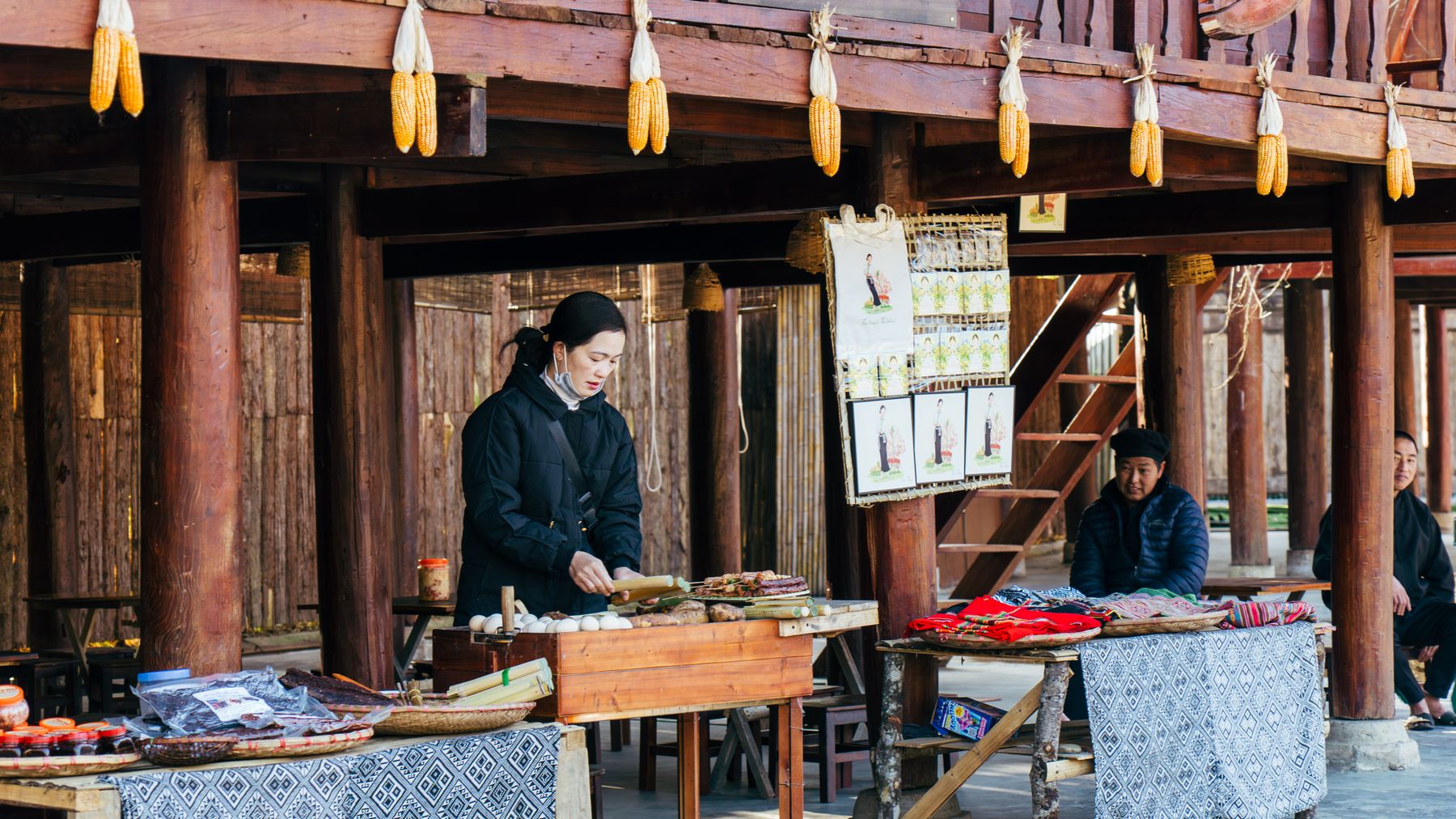
Photo by Gibson Chan on Pexels
Practical notes
Book ahead from Friday to Sunday or during holidays; mid-week is relaxed. The Red River floods in summer (June–August); it rarely affects hotels, but the landscape becomes less photogenic. Lao Cai town has no ATM issues, but smaller homestays may not accept cards — bring cash. If you're coming from China (Kunming), the border crossing at Hekou is 20 km south; most travelers take a bus or hire a driver through their hotel. Plan 2–3 days if you want to day-trip to Sapa and walk a village trail; one night is doable but rushed.
Last updated · May 29, 2026 · independently researched, never sponsored.