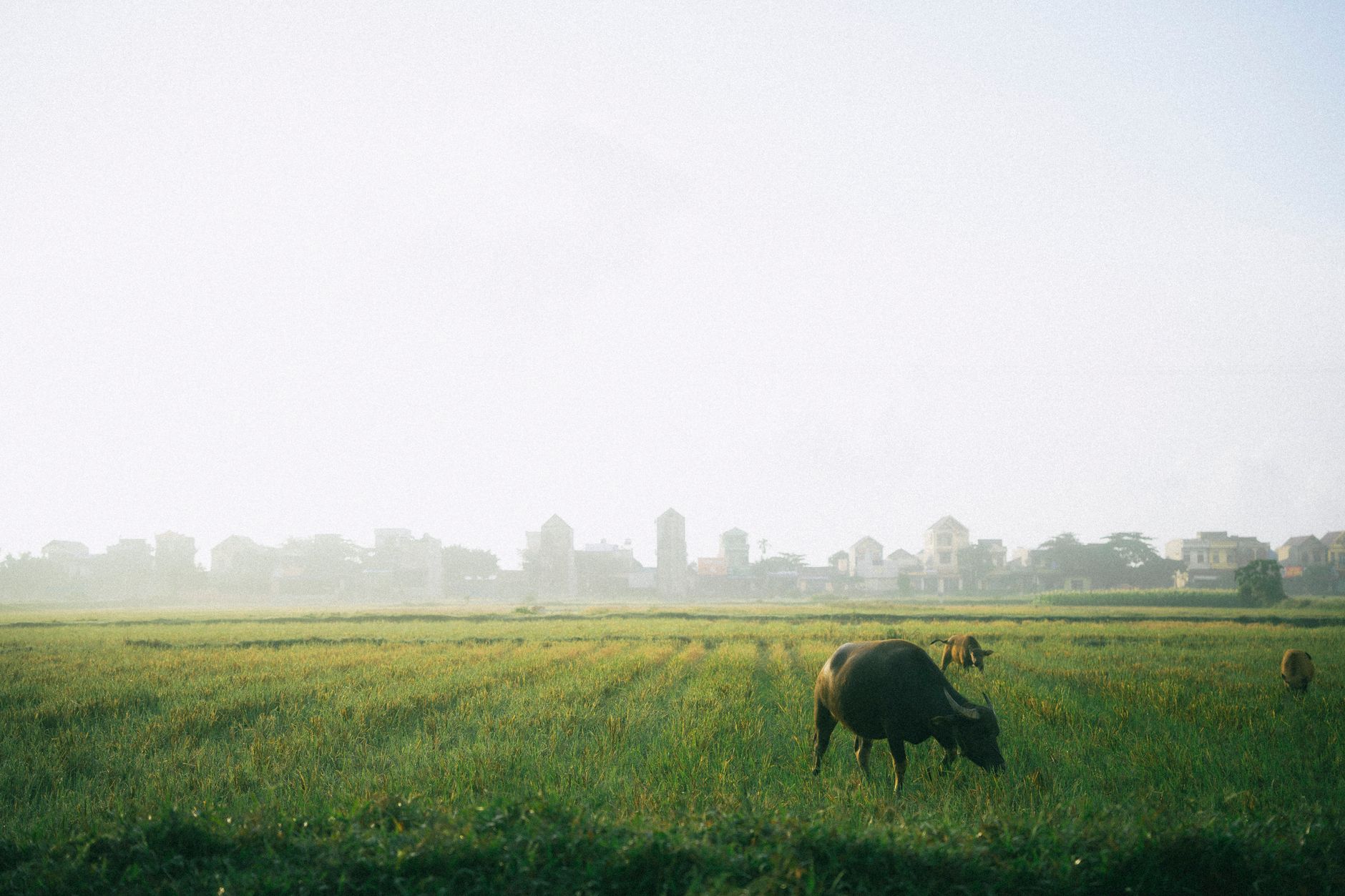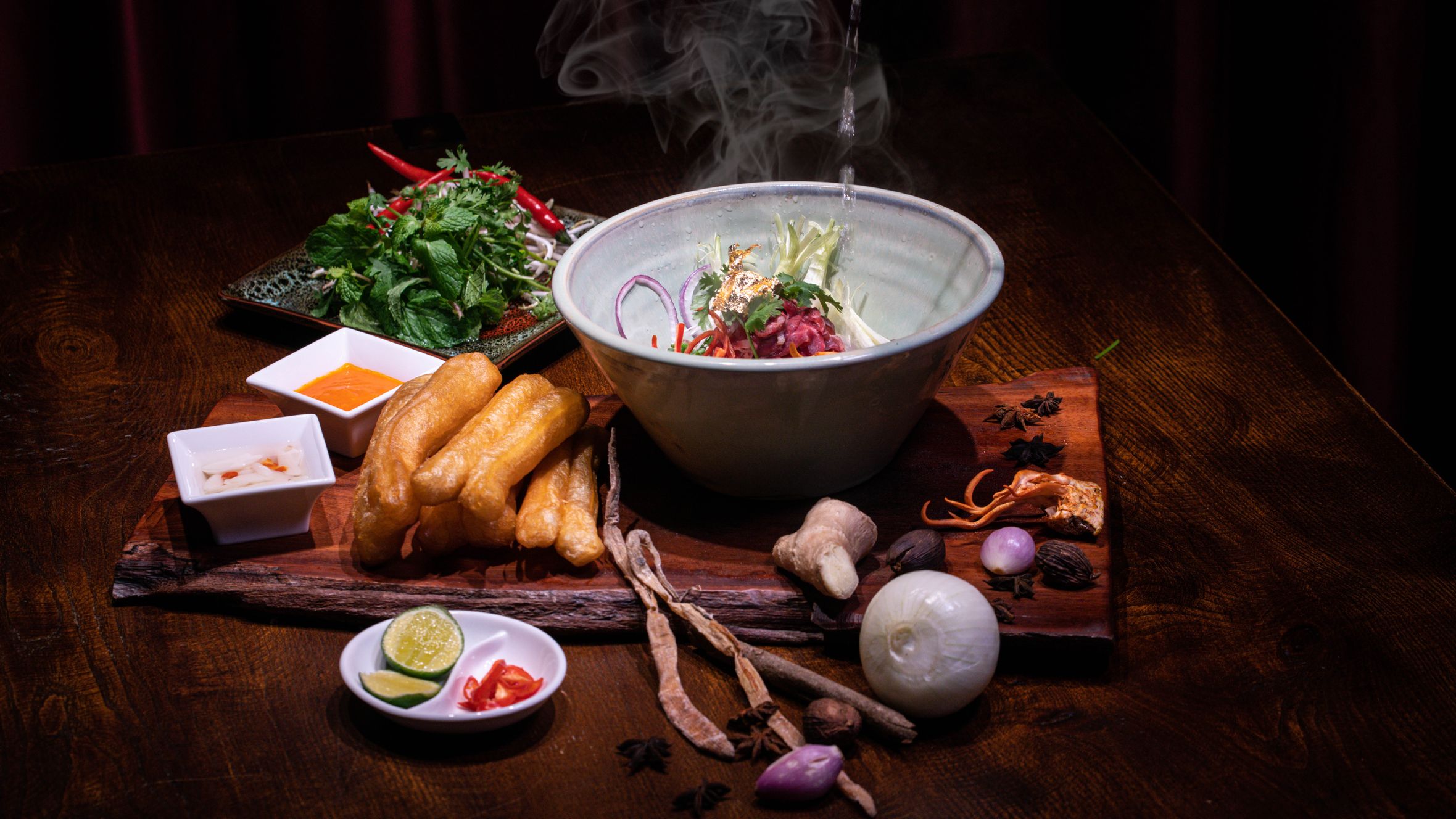
The Mekong Delta (메콩 델타 / 湄公河三角洲 / メコンデルタ) feeds more of Vietnam than any other region, and the fish that swim through its canals are as central to daily life here as rice. This isn't fine dining — it's peasant food in the best sense: cheap, seasonal, and cooked by people who've been doing it the same way for generations.
The Four Fish Worth Knowing
Ca Linh — the flood-season fish
"Ca linh" (small cyprinid fish) appear in the Delta only during flood season, roughly August through October, when the Mekong spills across the plains. They're tiny — rarely longer than a finger — and locals treat their arrival like a minor annual event. Fishermen pull them up in nets by the kilo, vendors sell them in piles on plastic tarps along the road for around 30,000–50,000 VND per kg, and families cook them the same day.
The classic preparation is ca linh kho me: braised with tamarind in a clay pot until the bones soften and the sauce turns thick and sour-sweet. Eaten over plain rice with a plate of rau muong (water spinach), it's one of those dishes that tastes specifically of a place and a time of year. Miss the flood season, miss the fish.
Ca Loc — the snakehead
"Ca loc" (snakehead fish) is the Delta's workhorse protein. It lives in rice paddies and canals, grows to a respectable size, and tolerates brackish water that would kill most other species. It's also genuinely delicious — firm white flesh, not muddy, with enough fat to hold up to grilling.
The showpiece dish is ca loc nuong trui: whole snakehead packed in mud or banana leaves and roasted directly over charcoal or open flame until the skin chars and the flesh steams inside. The fish is brought to the table and diners pull the flesh apart, wrapping it in rice paper with fresh herbs, sliced star fruit, and green banana, then dipping in mam nem (fermented anchovy sauce). The combination is pungent and layered in a way that fish sauce alone doesn't achieve. You'll find this dish at roadside stalls throughout Dong Thap and An Giang provinces for 80,000–150,000 VND depending on the size of the fish.
Basa — misunderstood at home, exported everywhere
"Basa" (Pangasius bocourti) is one of Vietnam (베트남 / 越南 / ベトナム)'s biggest aquaculture exports, farmed in massive floating cages along the Tien and Hau rivers near Can Tho. Internationally it gets a bad reputation — often sold frozen and flavorless in European supermarkets. In the Delta, fresh basa is a different fish entirely.
Locally it's eaten as ca basa kho to: simmered in a clay pot with caramelized fish sauce, sugar, chili, and cracked black pepper until the liquid reduces to a dark, sticky coating. The flesh stays flaky but absorbs the brine. It's the kind of dish that gets better the longer it sits on the stove and the one you'll find in almost every home kitchen between Can Tho and Vinh Long.
Ca Keo — the mudskipper
"Ca keo" (mudskipper) is the fish that surprises visitors the most, largely because it walks. It spends half its life out of water, skipping across mud flats on modified pectoral fins. In the Ca Mau peninsula, at the southern tip of the country, it's considered a delicacy.
The most common preparation is nuong muoi ot: grilled whole over charcoal with a crust of salt and chili. The flesh is dense and slightly gelatinous near the spine, with a mild brininess from its brackish habitat. Vendors in Ca Mau's market sell them grilled to order for 5,000–10,000 VND per fish. They're small — two or three per person — and eaten with your hands.
How the Delta Cooks Fish
Across all four species, a few techniques dominate.
Kho to (clay-pot braising) is the most common. Fish, caramel made from sugar and fish sauce, chili, and sometimes pork belly go into a terracotta pot and cook slowly over low heat. The goal is reduction — a thick, lacquered sauce that coats each piece. The clay pot distributes heat gently and imparts a faint mineral quality you don't get from metal.
Nuong trui (open-fire roasting) handles larger, fattier fish. No oil, no marinade beyond salt and sometimes lemongrass stuffed into the cavity. The char is part of the flavor.
Lau (hotpot) appears at family meals and at riverside restaurants catering to locals. A sour tamarind or me (tamarind) broth holds sliced fish, rice paddy herb, bean sprouts, and thinly sliced banana blossom. In Can Tho you'll find lau ca linh at lunch spots near Ninh Kieu wharf for around 120,000–180,000 VND per person.
The Delta also runs on "mam", fermented fish paste in various forms. Mam ca loc (fermented snakehead) and mam ca sac (fermented climbing perch) are aged in salt and used as condiments, dipping sauces, or the base for a dish called bun mam — a noodle soup with a deep, funky broth that polarizes first-timers and becomes an obsession for everyone else.

Photo by Hồng Quang Official on Pexels
Where to Eat It
Can Tho is the most accessible entry point. The floating markets at Cai Rang, about 6 km from the city center, are wholesale operations — mostly for buyers, not tourists — but the canal-side restaurants nearby serve fresh ca loc and basa dishes from early morning. For ca linh, time your trip to flood season and head toward Chau Doc or Hong Ngu in Dong Thap, where the fish are most plentiful. Ca keo is nearly impossible to find outside Ca Mau province, which takes some commitment to reach — roughly 180 km south of Can Tho on Highway 1.
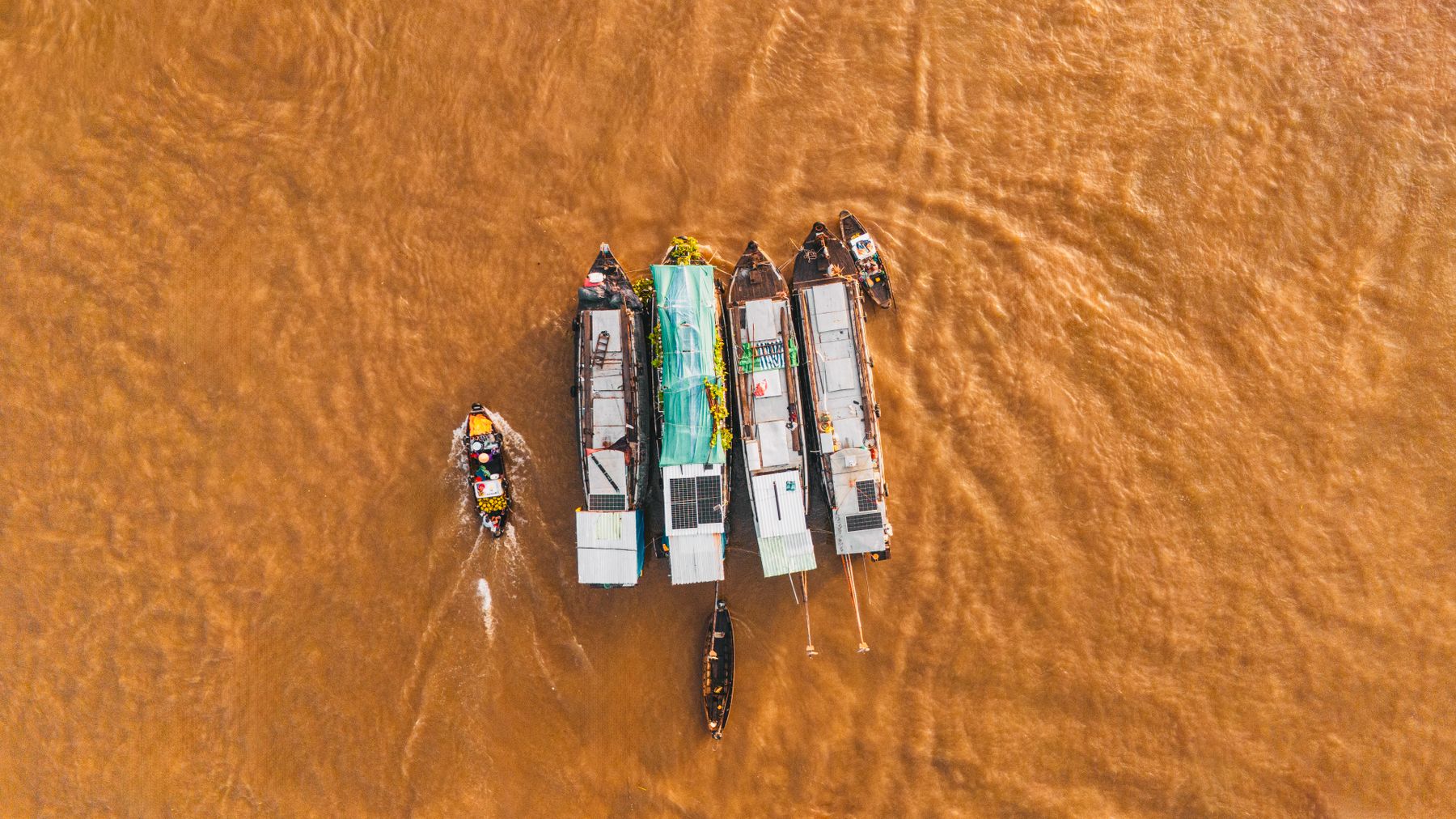
Photo by Duy Nguyen on Pexels
Practical Notes
Flood season (August–October) is the only time ca linh appears, so plan accordingly if that's your focus. Most of these dishes cost well under 100,000 VND per person at local spots. Bring a basic phrase or two — menus in smaller Delta towns rarely include English, and pointing at what the next table is eating remains the most reliable ordering system.
Last updated · May 29, 2026 · independently researched, never sponsored.