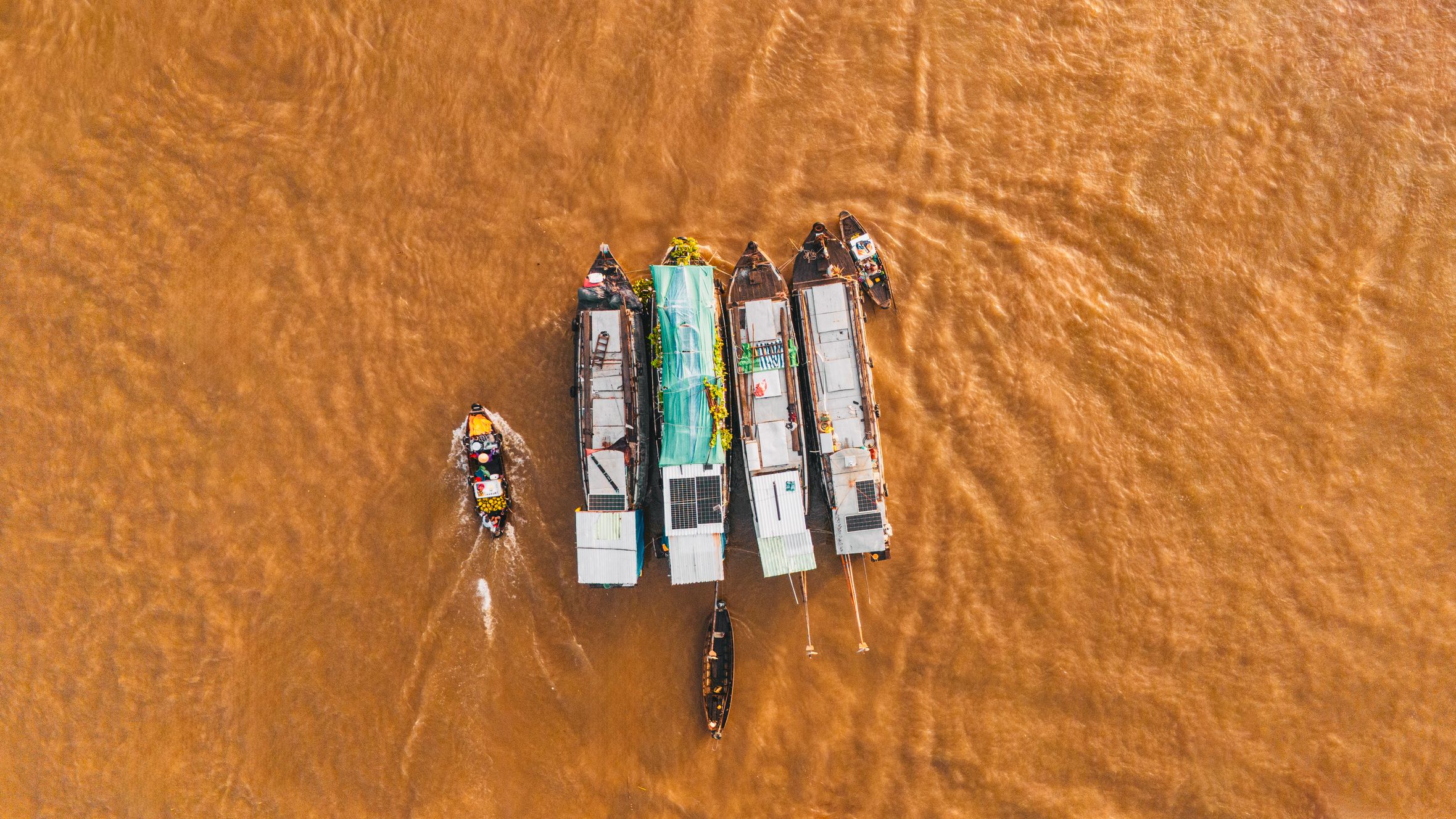
Most travelers treat Can Tho as a single-night pitstop to see the floating markets before rushing back to Saigon. Spending ten days in the capital of the Mekong Delta (메콩 델타 / 湄公河三角洲 / メコンデルタ) reveals a slow-paced, culturally rich city shaped by Vietnamese, Khmer, and Chinese heritages.
Here is a day-by-day guide to slow travel in Can Tho (껀터 / 芹苴 / カントー), built for those who want to understand the delta rather than just photograph it.
Day 1 — The Riverfront and Chinese Heritage
Start your journey at Ninh Kieu Wharf, the historical and commercial heart of the city. Walk along the Hau River to Ong Temple, a late 19th-century Chinese assembly hall built by the Guangzhou congregation. Inside, massive coils of incense hang from the ceiling, filling the air with smoke as locals pray for good fortune.
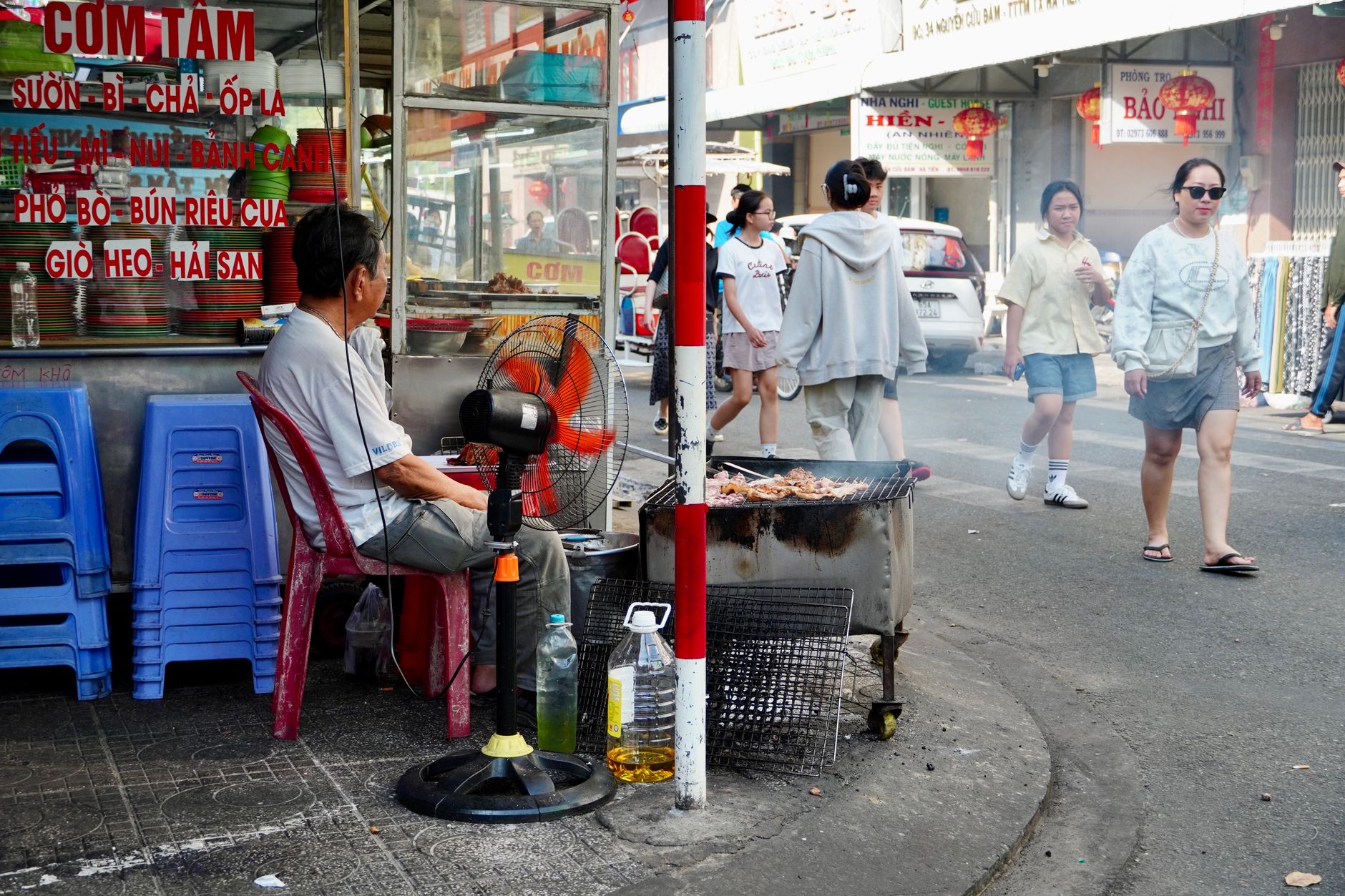
- Dish to try: "Com tam" (broken rice) topped with grilled pork chop and shredded pork skin at a local stall behind the market for 35,000 VND.
- Off-script suggestion: Skip the touristy river cruises and walk the narrow residential alleys of Xuan Khanh neighborhood just before sunset to see daily life away from the water.
Day 2 — Cai Rang and Noodle Artisans
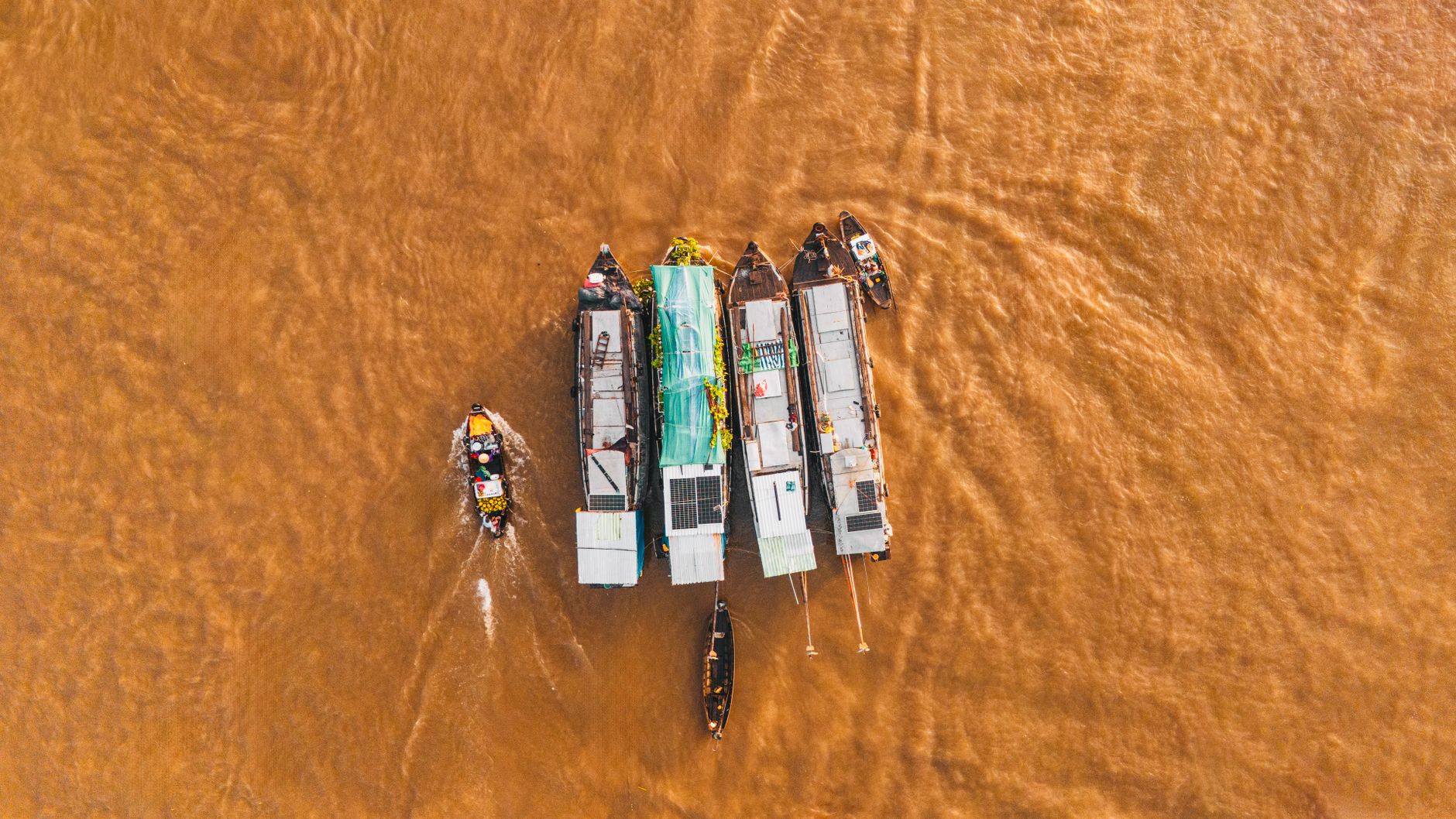
Wake up at 5:00 AM to catch the peak of Cai Rang floating market. While smaller than in its golden age, it remains a vital wholesale hub. Look for the "cay beo"—lateral bamboo poles hanging from the bow of each boat showing what goods (like pumpkins, pineapples, or sweet potatoes) are for sale.
- Dish to try: A bowl of "hu tieu" (tapioca noodle soup) assembled on a wooden boat by vendors who pull up alongside your vessel.
- Off-script suggestion: After the market, stop at the nearby Chin Cuu noodle workshop. Instead of just watching, ask the owner if you can try spreading the rice batter onto the bamboo steaming trays yourself.
Day 3 — Binh Thuy and French Colonial Echoes
Head 6 km north of the city center to Binh Thuy Ancient House. Built in 1870 by the Duong family, this home is a rare blend of French architectural exteriors (double staircases, Corinthian columns) and traditional Vietnamese interiors (mother-of-pearl inlaid altars, three-compartment layout).
- Dish to try: "Banh mi" with local shumai meatballs from a cart near the Binh Thuy market.
- Off-script suggestion: Walk behind the ancient house to the quiet canal paths. You will find small family-run cafes serving "ca phe sua da" (iced coffee with condensed milk) under the shade of star apple trees.
Day 4 — Khmer Theravada Traditions
Can Tho has a significant Khmer population, and today is dedicated to their spiritual heritage. Visit Munirangsyaram Pagoda, located right in the city center. Its bright golden spires and detailed carvings of the Angkorian deity Keynor reflect classic Theravada Buddhist architecture.
- Dish to try: "Num bo choc", a Khmer-style fish noodle soup flavored with wild ginger and turmeric, found in the small eateries around the pagoda.
- Off-script suggestion: Visit the pagoda during the late afternoon (around 4:00 PM) when you can hear the young monks chanting their evening prayers.

Photo by Emily Le on Pexels
Day 5 — The Gardens of Phong Dien
Travel 15 km southwest to the rural district of Phong Dien. This area is famous for its fruit orchards and agricultural canals. Visit the Muoi Cuong Cacao Farm, where the owner will show you how cocoa beans are harvested, fermented, and turned into traditional chocolate and wine.
- Dish to try: "Banh hoi" (fine rice vermicelli woven into intricate bundles) served with roasted pork and fresh herbs at the Ut Dzach homestay.
- Off-script suggestion: Rent a single-speed bicycle from a local shop and ride along the concrete canal paths of Nhon Nghia village, crossing the narrow monkey bridges if you dare.
Day 6 — Southern Folk Music
Spend the day exploring the musical roots of the Mekong Delta. Seek out a performance of "don ca tai tu", the UNESCO-recognized southern amateur folk music that combines zithers, lutes, and poetic vocals.
- Dish to try: "Banh canh" (thick tapioca noodles in a rich crab broth) at a street-side stall.
- Off-script suggestion: Avoid the formal theater shows. Instead, ask your guesthouse to find a local "don ca tai tu" club meeting, which often takes place in backyard gardens over tea or rice wine.
Day 7 — The Wet Markets and Culinary Secrets
Spend the morning at Tan An Market, the busiest wet market in the city. Watch vendors clean fresh snakehead fish, sort heaps of water lilies, and sell wild herbs unique to the delta floodwaters.
- Dish to try: "Banh xeo" (crispy savory crepes stuffed with pork, shrimp, and mung beans) wrapped in wild mustard greens.
- Off-script suggestion: Buy a handful of "trai ban" (mangrove apple fruit) from a vendor. It has a sour, astringent taste that locals use to flavor fish soups.
Photo by Emily Le on Pexels
Day 8 — Son Islet (Con Son) Community Tourism
Take a local ferry to Son Islet, a low-lying landmass in the middle of the Hau River. The residents here have formed a community-based tourism cooperative, sharing their traditional ways of life without corporate interference.
- Dish to try: Traditional folk cakes like "banh la mit" (jackfruit leaf cake) made by the islet home cooks.
- Off-script suggestion: Visit the floating fish rafts on the edge of the islet to see how farmers breed red tilapia and watch the unique spectacle of "flying snakehead fish" jumping for food.
Day 9 — Temples of Long Tuyen
Explore the Long Tuyen ancient village area, which has preserved its rural character despite urban sprawl. Visit the Binh Thuy Communal House (Dinh Binh Thuy), dedicated to the guardian spirits of the land. The architecture features complex roof carvings of dragons and phoenixes.
- Dish to try: "Nem chua" (fermented pork rolls) wrapped in banana leaves, sold near the communal house.
- Off-script suggestion: Walk along the Ba Lang River bank to find old brick kilns that have been abandoned and reclaimed by wild banyan trees.
Day 10 — Modern Can Tho and Reflection
Spend your final day at the Can Tho Museum to tie all your experiences together. The museum houses excellent exhibits on the region's archaeological history, ethnic minority cultures, and agricultural tools.
- Dish to try: A final bowl of hot noodle soup at a local stall near the university district.
- Off-script suggestion: Spend your last evening walking across the pedestrian bridge (Cau Tinh Yeu) to watch the sunset over the confluence of the Can Tho and Hau rivers.
Practical notes
To get around Can Tho, download the Grab app for short trips within the city center, or rent a scooter for about 150,000 VND per day to reach rural districts like Phong Dien. The dry season from December to April offers the most comfortable weather for outdoor exploration.
Last updated · May 30, 2026 · independently researched, never sponsored.