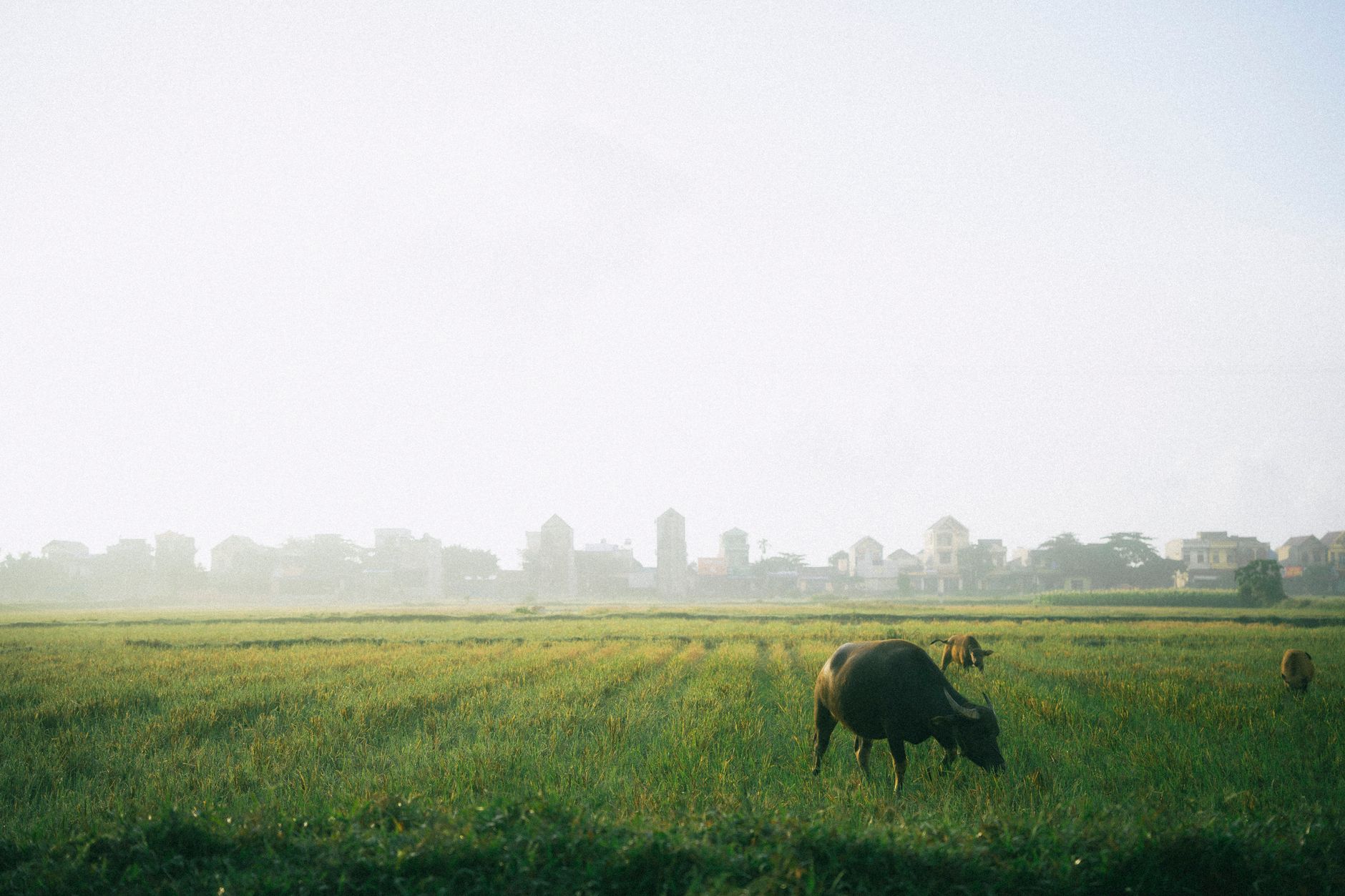
What it is
Mubarak Mosque sits in the Cham Muslim village of Chau Giang, Phu Hiep commune, Tan Chau district, An Giang province — about 5 km from the Cambodian border. Built in 1750 and reconstructed in 1992, it's the oldest and most architecturally distinctive mosque in the Mekong Delta (메콩 델타 / 湄公河三角洲 / メコンデルタ). The mosque serves the local Cham community, an ethnic minority group with deep roots in southern Vietnam who practice Sunni Islam.
The building itself is a hybrid: traditional Islamic arches and a green-and-white minaret blended with Vietnamese roofing proportions and local materials. The prayer hall can hold around 200 worshippers, and the grounds include a madrasa (Islamic school) and a small cemetery.
Why travelers go
Most visitors to the Mekong Delta stick to Can Tho's floating markets or the obvious boat tours. Mubarak Mosque offers something different — a window into a community that most travelers don't know exists in Vietnam (베트남 / 越南 / ベトナム). The Cham Muslims of An Giang maintain distinct traditions: weaving, fishing, and a daily rhythm shaped by the call to prayer rather than the usual pagoda bells.
Photographers come for the architecture. The minaret against a flat delta sky, the geometric tile work in teal and gold, the quiet courtyard at midday — it's genuinely photogenic without needing a filter. But the real draw is cultural: spending an hour in Chau Giang village watching women weave "sarong" fabric on wooden looms, or seeing kids recite Arabic script in the madrasa courtyard.
Best time to visit
An Giang is hot year-round. The dry season (November to April) is more comfortable and makes the dirt roads around Chau Giang less muddy. Mornings before 9 AM are ideal — the light is good, the mosque is quiet, and you'll catch daily life before the midday heat empties the streets.
Avoid visiting during Friday noon prayers (around 11:30 AM–1 PM) unless you've been explicitly invited by a local. The mosque is a functioning place of worship, not a tourist attraction — respect that.
During Ramadan (dates shift yearly), the village takes on a different energy. Evening "iftar" meals are communal and welcoming, but visit with a local guide who knows the community.
How to get there
From Saigon: Take a bus from Mien Tay station to Chau Doc (about 6 hours, 160,000–200,000 VND). From Chau Doc, hire a xe om (motorbike taxi) or grab a local bus to Tan Chau — roughly 20 km, 15–20 minutes by motorbike.
From Can Tho: Buses run to Chau Doc (3–4 hours, around 120,000 VND). Same onward route to Tan Chau.
From Chau Doc: The easiest base. Rent a motorbike (120,000–150,000 VND/day) and ride east along the river road toward Tan Chau. The mosque is signposted in Phu Hiep commune — look for the green minaret rising above the tree line. Google Maps pins it accurately.
By boat: Some Mekong Delta tours running between Chau Doc and Phnom Penh stop at Cham villages along the way. Ask your tour operator if Chau Giang is on the route.
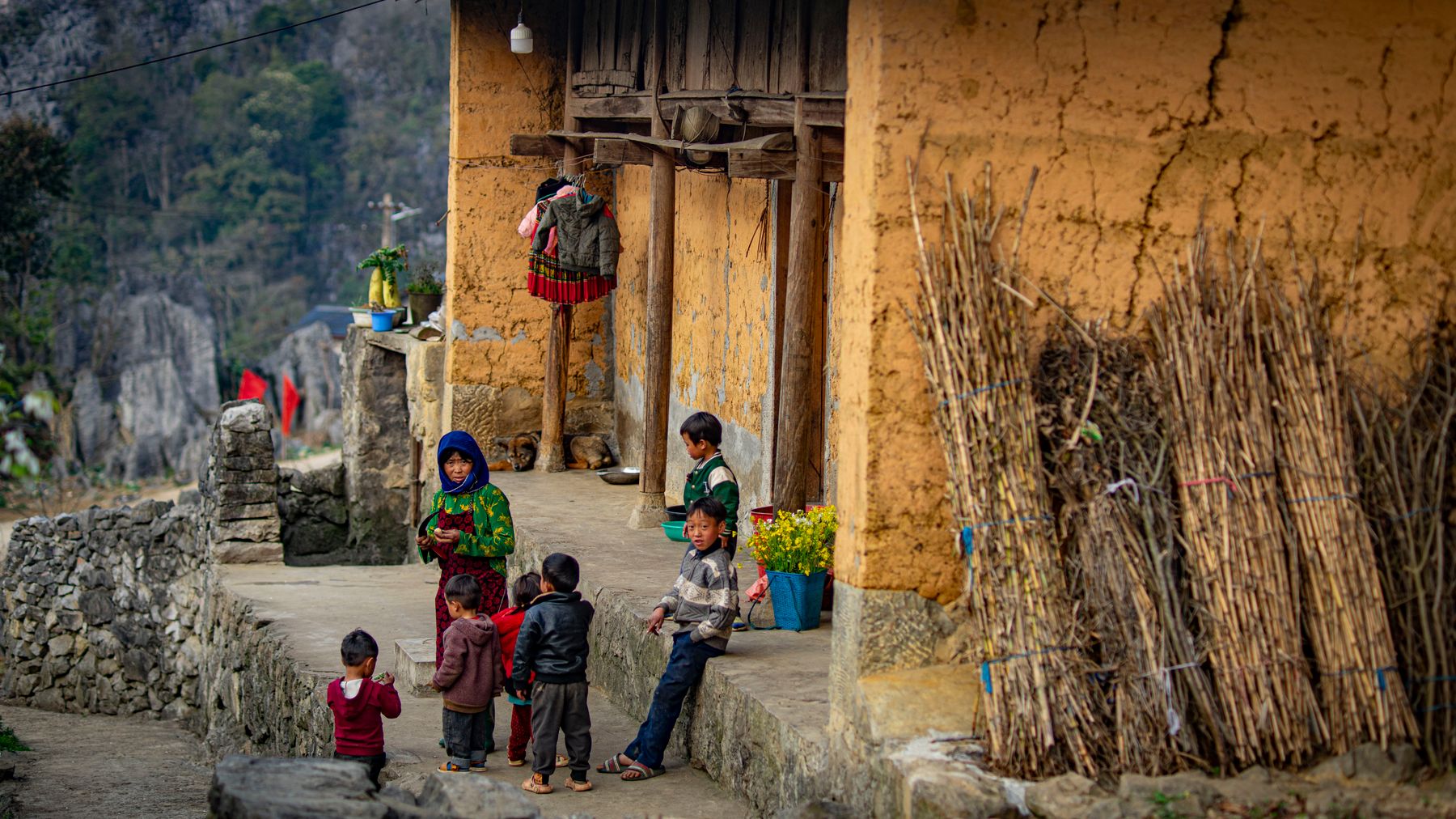
Photo by Vietnam Hidden Light on Pexels
What to do
Visit the mosque
Remove your shoes before entering the courtyard. Women should cover shoulders and knees — bring a scarf. The imam or a community member will often appear to show you around if you look respectful and curious. There's no entry fee, but a small donation (20,000–50,000 VND) to the mosque's maintenance fund is appreciated.
Walk through Chau Giang village
The village stretches along the river bank. Cham women weave traditional fabrics on looms set up beneath their stilt houses — you can watch and buy directly. A handwoven scarf runs 80,000–150,000 VND. The village also produces "banh tet" variations during holidays, using local recipes distinct from mainstream Vietnamese versions.
Combine with Chau Doc sights
Chau Doc itself has Sam Mountain (Nui Sam), the Ba Chua Xu temple, and floating fish farms on the Bassac River. A day trip from Chau Doc can cover Mubarak Mosque in the morning and Sam Mountain in the afternoon.
Where to eat
Tan Chau town has basic "com" rice shops along the main road — expect to pay 30,000–45,000 VND for a plate. For something specific to the Cham community, look for "banh tet / 越南春节 / テト) Cham" or "ca ri" (curry) served in small family-run spots near the mosque. These aren't on Google Maps — ask around.
Back in Chau Doc, try "bun ca" (fish noodle soup), the local specialty. Stalls near the market open early and close by 9 AM. A bowl costs 25,000–35,000 VND.
If you're heading further into the delta, Can Tho has more variety — "hu tieu" is excellent there, and you'll find proper "com tam" plates without trouble.
Where to stay
There's no accommodation in Chau Giang village itself. Base yourself in Chau Doc (15–20 minutes away):
- Budget: Chau Doc has dozens of nha nghi (guesthouses) around the market area. Expect 200,000–350,000 VND/night for a clean room with AC and hot water.
- Mid-range: Victoria Nui Sam Lodge sits on Sam Mountain with river views. Around 1,200,000–1,800,000 VND/night.
- Homestays: A few family-run places along the river road offer rooms for 150,000–250,000 VND. Basic but atmospheric.

Photo by Flint Huynh on Pexels
Practical tips
- Dress code matters. This isn't a pagoda where shorts fly. Cover knees and shoulders. Men in short shorts will get looks.
- Photography: Ask before photographing people, especially women. Most will say yes with a smile, but ask first.
- Language: Very few people in Chau Giang speak English. Basic Vietnamese phrases help. The Cham community speaks both Vietnamese and Cham — a few words of greeting in Cham ("Habar" for hello) go a long way.
- Cash only. No ATMs in the village. Withdraw in Chau Doc or Tan Chau town before heading out.
- Combine trips. If you're doing a Mekong Delta loop through Can Tho and Chau Doc, slot Mubarak Mosque into your Chau Doc day. It pairs naturally with Sam Mountain and the floating villages.
Common mistakes
- Showing up during Friday prayers without invitation. You'll be politely turned away. Time your visit for a weekday morning.
- Expecting a tourist setup. There's no ticket booth, no gift shop, no signage in English. That's the point.
- Skipping the village. The mosque alone takes 20 minutes. The village — the looms, the river bank, the daily rhythm — is where the real experience lives. Budget at least 90 minutes total.
- Not bringing water. There's nowhere to buy drinks between Tan Chau and the mosque. Bring a bottle.
Practical notes
Mubarak Mosque is a working religious site in a small community, not a packaged attraction. That's exactly what makes it worth the detour. Come with respect, leave a donation, buy a scarf from the weavers — and you'll get a piece of Mekong Delta life that most travelers never see.
Last updated · May 29, 2026 · independently researched, never sponsored.