Chu Mom Ray National Park covers nearly 57,000 hectares of dense forest along the borders of Laos and Cambodia in Kon Tum province. It's one of the biggest national parks in Vietnam (베트남 / 越南 / ベトナム) and among the least visited. If you want highland jungle without the crowds that places like Phong Nha or Cat Ba draw, this is where you go.
What It Is and Why It Matters
Established in 2002 and recognized as an ASEAN Heritage Park, Chu Mom Ray protects a massive stretch of Central Highlands (중부 고원 / 中部高原 / 中部高原) forest that ranges from lowland tropical jungle up to peaks around 1,773 meters. The park sits in Sa Thay district, about 30 km west of Kon Tum city.
The biodiversity here is serious. Surveys have documented over 1,500 plant species and around 500 animal species, including gray-shanked douc langurs, Asian elephants, gaur, and several types of hornbill. You probably won't spot elephants — they keep deep in the forest — but the birdwatching alone makes the trip worthwhile for wildlife enthusiasts.
The park also has cultural significance. Several ethnic minority communities, primarily the Gia Rai and Ba Na peoples, live in and around the park's buffer zones. Their villages, stilt houses, and communal "rong" houses are part of the landscape here, not a tourist add-on.
Why Travelers Go
Most people who make it to Chu Mom Ray are looking for one of three things: serious trekking through primary forest, birdwatching in a genuinely undisturbed habitat, or a reason to explore the Central Highlands beyond Da Lat and the usual circuit. The park doesn't have the polished infrastructure of more popular destinations, and that's precisely the appeal. You'll encounter more researchers than backpackers on most trails.
The waterfalls inside the park — particularly the falls along the Sa Thay River system — are worth the hike. And the views from higher elevations across unbroken canopy toward the Lao and Cambodian borders have a scale that's hard to find elsewhere in Vietnam.
Best Time to Visit
The dry season runs from November through April, and that's when you want to be here. Trails are passable, river crossings are manageable, and leeches are less aggressive. December to February is the coolest period — expect mornings around 15-18°C at higher elevations, which feels genuinely cold after weeks in tropical Vietnam.
Avoid June through September. The monsoon turns forest trails into mud channels, and some areas become inaccessible. The park management may restrict access to certain zones during heavy rain periods.

Photo by Duy Nguyen on Pexels
How to Get There
The nearest city with decent transport links is Kon Tum, about 30 km east of the park entrance. From Da Nang, you can catch a bus to Kon Tum — the ride takes around 5-6 hours via the QL14E and costs 180,000-250,000 VND depending on the operator. Buses leave from Da Nang's central bus station several times daily.
From Kon Tum city, you'll need to arrange a motorbike or car to Sa Thay town, then continue to the park headquarters. The road from Kon Tum to Sa Thay is paved and takes about 45 minutes. A "xe om" (motorbike taxi) from Kon Tum runs around 150,000-200,000 VND one way. Renting your own motorbike in Kon Tum is the better option — expect 120,000-180,000 VND per day — since you'll want flexibility once you're out there.
If you're coming from Quang Ngai city on the coast, the drive west to Kon Tum takes roughly 3-4 hours via the QL24. It's a good road with solid mountain scenery, passing through the highlands transition zone.
From Saigon or Hanoi
Flights to Pleiku (about 50 km south of Kon Tum) run daily from both cities. From Pleiku airport, a taxi or Grab to Kon Tum costs around 350,000-450,000 VND and takes about an hour.
What to Do
1. Trek to Chu Mom Ray Peak. The park's namesake summit sits at 1,773 meters. The trek typically requires a full day with a guide — expect 6-8 hours of walking through layered forest zones. You'll move from bamboo and lowland jungle into mossy, cooler montane forest near the top. Arrange guides through the park headquarters; fees run around 500,000-700,000 VND per day.
2. Birdwatching along the Sa Thay River corridor. The riparian zones attract hornbills, kingfishers, and various raptor species. Early mornings between 5:30 and 8:00 are best. Bring binoculars — you can't rent them here.
3. Visit a Ba Na or Gia Rai village. Communities in the buffer zone are generally welcoming to respectful visitors. The communal rong houses — tall, steep-roofed timber structures — are distinctive Central Highlands architecture. Ask your guide to facilitate introductions rather than walking in unannounced.
4. Waterfall hikes. Several cascades are reachable on half-day treks from the park headquarters area. Trails are marked but not always well-maintained, so a guide is strongly recommended.
5. Night walks. If you're staying overnight near the park, guided night walks offer a chance to spot civets, slow lorises, and various frog species. Not every guide offers this, so ask specifically when arranging your visit.
Where to Eat Nearby
Kon Tum city is your best bet for meals before or after the park. Look for "com lang" — village-style rice meals with grilled meats, forest vegetables, and "muoi e" (a tangy chili-salt dip made with local herbs). "Goi la" is the local specialty: a DIY wrap-it-yourself dish with rice paper, dozens of different leaves and herbs, grilled pork or beef, and fermented fish sauce. It's hands-on, social, and genuinely delicious. Restaurants along Nguyen Hue street in Kon Tum serve solid versions for 80,000-120,000 VND per person.
Inside the park, there's nothing. Bring your own food and water for any trekking.
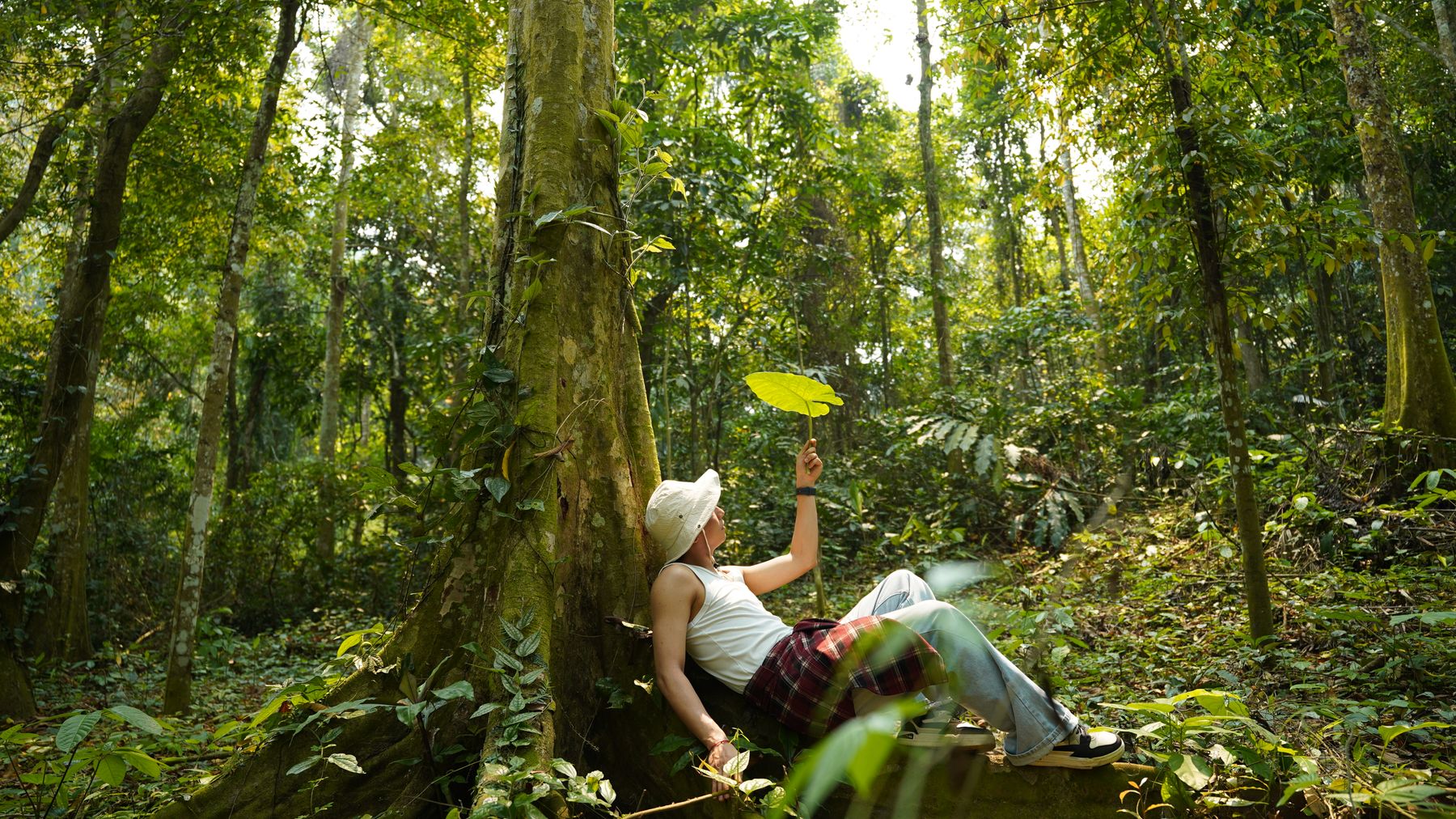
Photo by Huy Đặng Văn on Pexels
Where to Stay
Kon Tum city has guesthouses and small hotels ranging from 200,000-500,000 VND per night for basic but clean rooms. A few newer hotels with air conditioning and hot water run 500,000-900,000 VND. There's no accommodation inside Chu Mom Ray itself, though camping is possible with permission from park management — bring all your own gear.
Sa Thay town has a couple of basic "nha nghi" (guesthouses) if you want to stay closer to the park entrance, but options are limited and quality is minimal.
Practical Tips
- Guides are not optional. The forest is dense, trails aren't always marked, and phone signal drops to zero quickly. Park headquarters can arrange guides, but give them at least a day's notice.
- Bring leech socks and insect repellent, even in dry season. The forest floor is their territory.
- Carry cash. There are no ATMs near the park. The nearest reliable machines are in Kon Tum city.
- Pack layers. Mornings at elevation are cool; midday in the lowland forest is hot and humid. The temperature swing catches people off guard.
- Learn a few words of Vietnamese — English speakers are rare in Sa Thay and the surrounding area. Google Translate's offline Vietnamese pack is worth downloading before you leave Kon Tum.
Common Mistakes
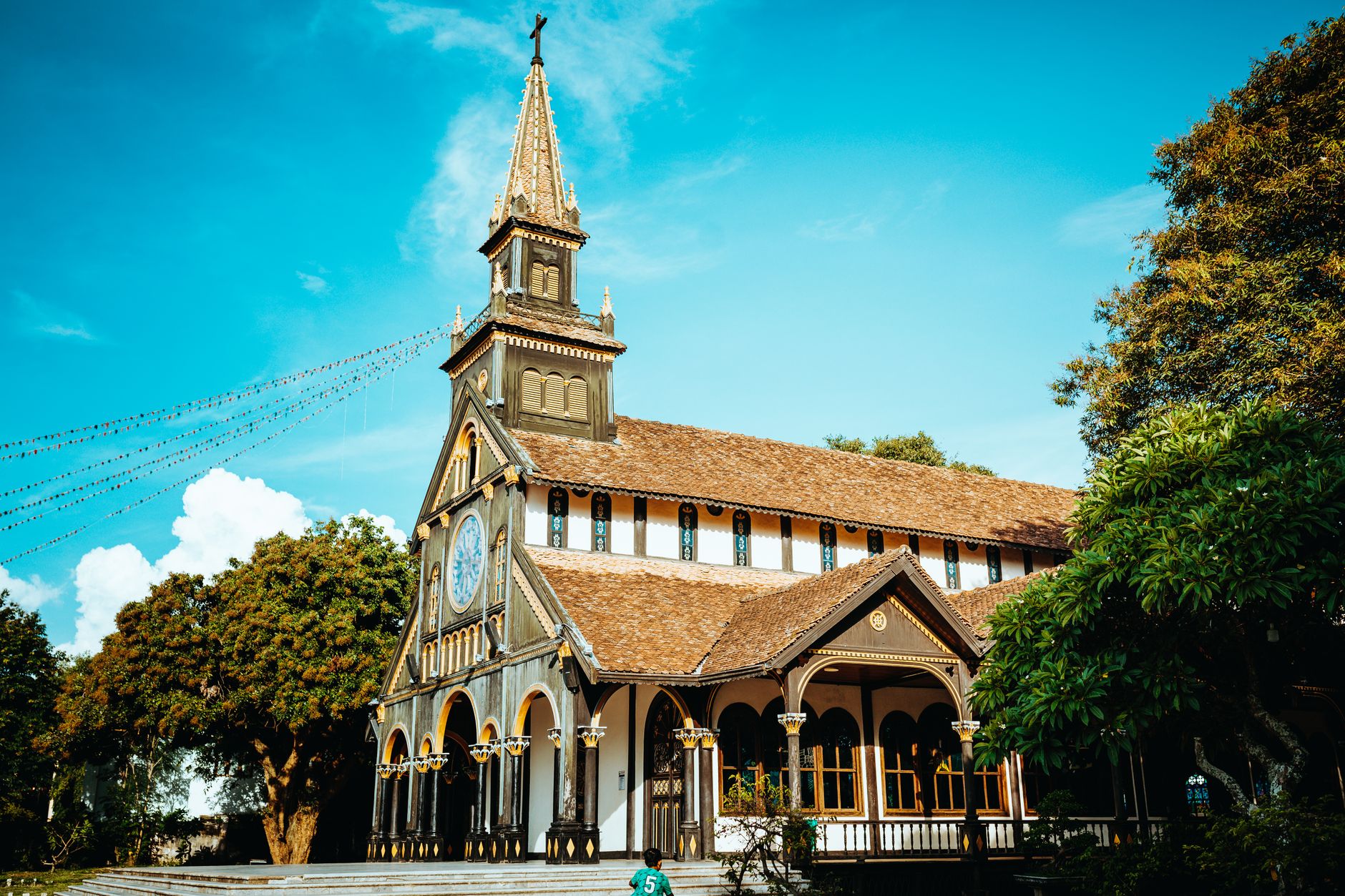
Showing up without a guide or pre-arrangement and expecting to just walk in. The park has entry procedures and guide requirements — treat it like a proper national park visit, not a casual day hike. Also, underestimating distances: the park is enormous, and what looks like a short trail on a map can take hours through thick forest. Finally, skipping Kon Tum city itself. It's a genuinely interesting small highland city with good food, "ca phe" culture, and a wooden cathedral worth seeing. Don't just pass through.
Last updated · May 26, 2026 · independently researched, never sponsored.