What sets Namia apart
Namia River Retreat sits on the Thu Bon River a few kilometers from Hoi An Ancient Town. The pitch: Vietnamese herbology as a daily practice, not a spa menu afterthought. You'll find herbal bath soaks waiting in your villa after a day cycling the countryside, a pot of ginger-lemongrass tea by your bed at turndown, and a full apothecary where staff prescribe custom remedies based on a short wellness assessment.
The resort skips the impersonal luxury-chain vibe. Staff are local, genuinely conversational, and often join you for parts of the cooking class or river cruise. It's small — 30-something villas — so you'll recognize faces by day two.
The herbology program (Lumina Wellbeing)
Lumina Wellbeing is the on-site wellness center. You start with a self-assessment or sit-down consultation, then choose one of two pathways — one focused on relaxation, the other on revitalization. Treatments range from traditional herbal steam therapy to "Dien Chan", an oriental facial reflexology technique that maps pressure points on the face to organs and systems.
The apothecary visit is the highlight. A practitioner selects dried herbs, roots, and leaves from glass jars lining the walls, then brews a custom blend for your treatment or sends a packet back to your villa for an evening soak. Scents: mint, lemongrass, ginger, turmeric, cinnamon bark. It's theater, but functional theater — you leave the 90-minute session feeling genuinely reset, not just moisturized.
Born to Banh Mi cooking class
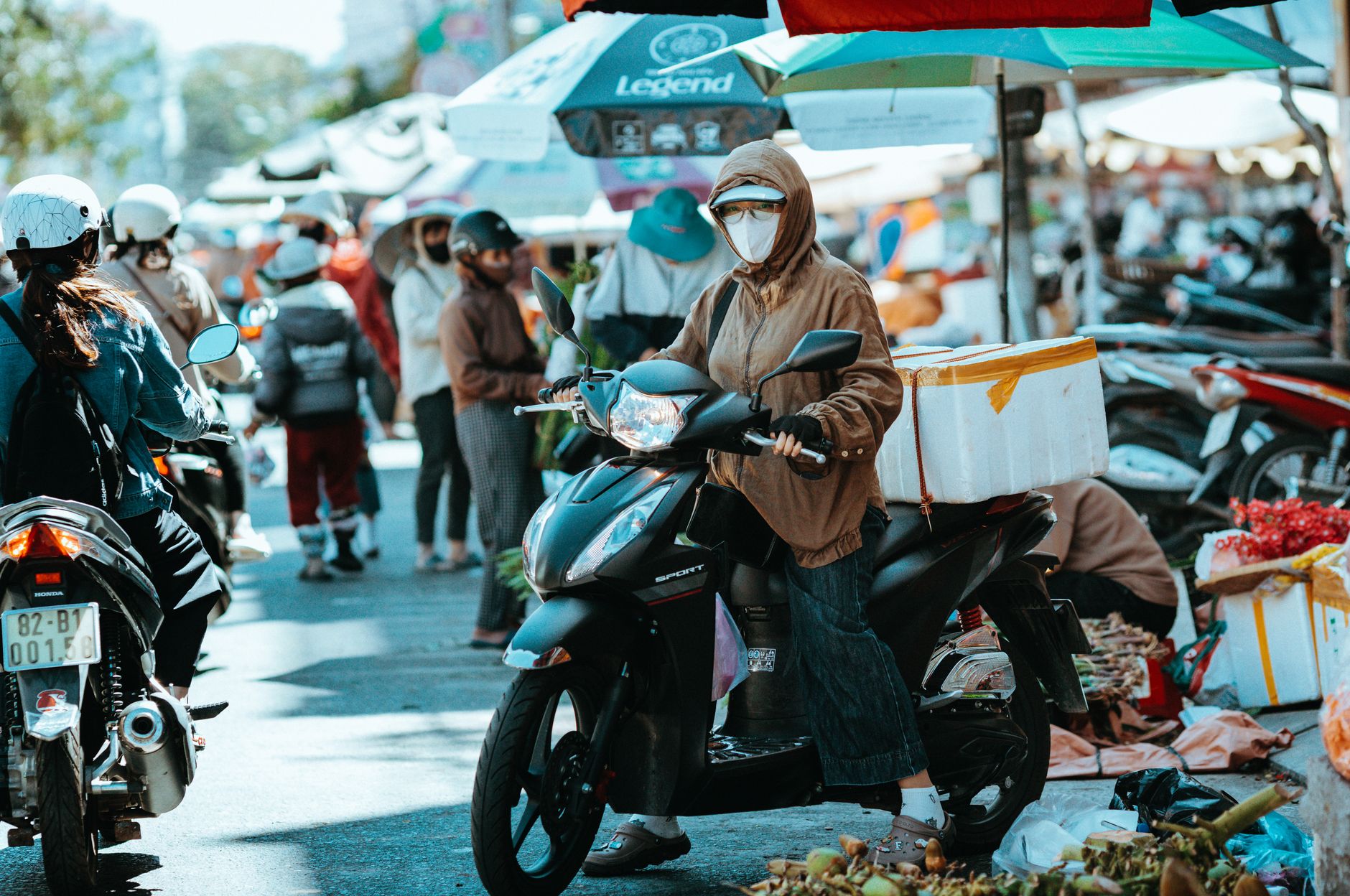
This isn't a resort kitchen demo. You meet your guide at 7:30 a.m. and walk through Hoi An Market, stopping at stalls for pork pate, pickled daikon and carrot, cilantro, chili, and the crucial ingredient: "banh mi" bread from a decades-old bakery that still bakes in a wood-fired oven.
The guide explains why Hoi An banh mi has that specific crackle-to-chew ratio (hint: rice flour mixed into the dough, French colonial technique adapted). You visit two bakeries, taste-testing crusts. Then back to Namia's open-air kitchen to assemble your own, with exact ratios for the pate-mayo-Maggi seasoning base.
You eat what you make. The class runs three hours, costs around 1,200,000 VND per person, and books out quickly — reserve when you book the room.

Image by Christopher Crouzet via Wikimedia Commons (CC BY-SA)
Dining: The Merchant and The Fisherman
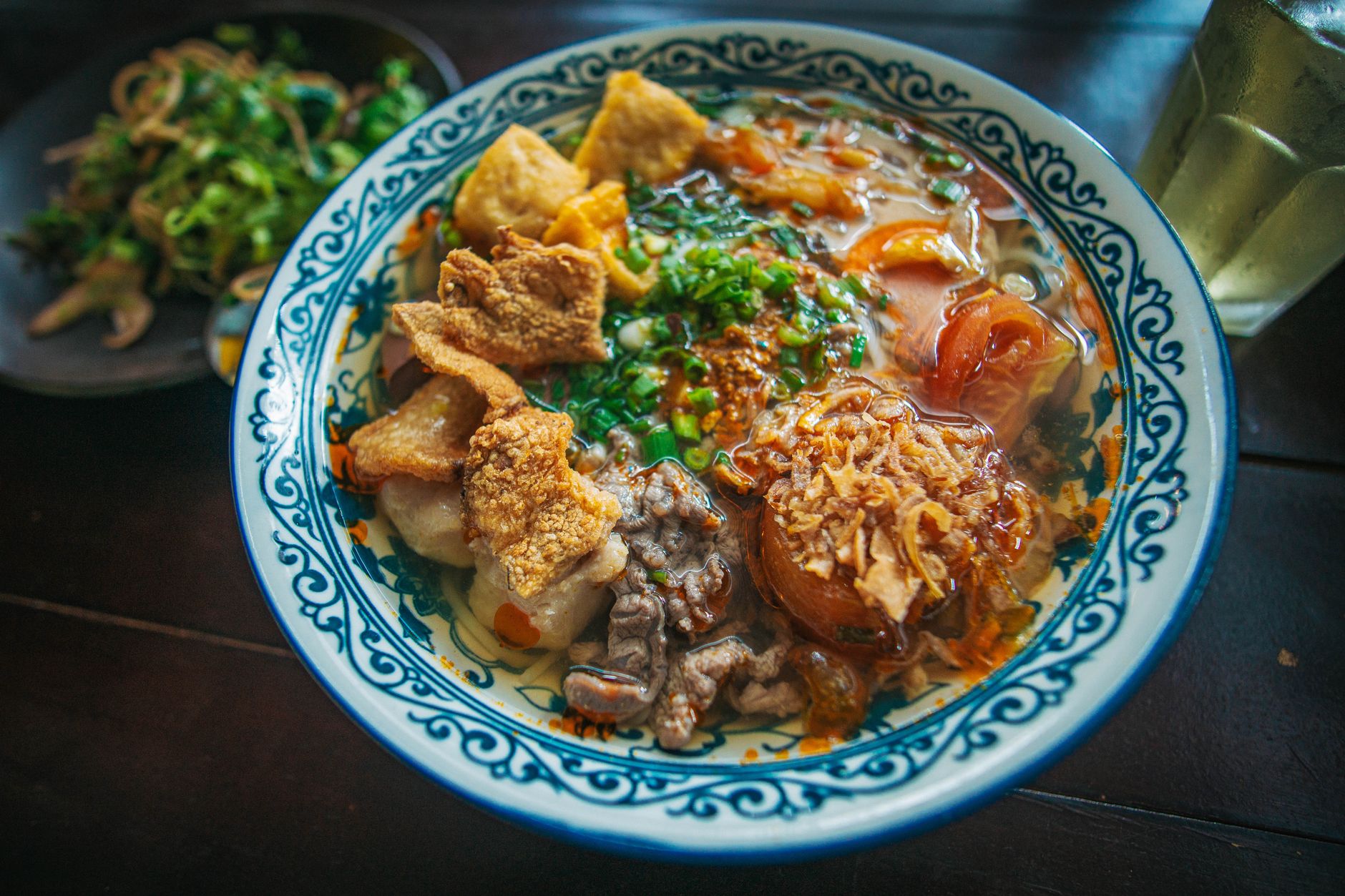
Two restaurants, both focused on Hoi An's trading-port history. The Merchant leans into spice-route flavors (turmeric, lemongrass, galangal), sourcing vegetables from Tra Que Village, a 400-year-old organic farming community 3 km north. The Fisherman features daily catches from Cu Lao Cham (Cham Islands), 18 km offshore — expect grilled mackerel, steamed grouper, and a solid "canh chua" (sour soup) with river prawns.
Prices: mains 280,000–450,000 VND. Breakfast included with room rate. The herbs you see in every dish — "rau ram", "hung lui", "kinh gioi" — come from the resort's own garden behind the spa.
Accommodations
Nipa Pool Villas (45 m²): Ground-floor villas facing nipa palm groves. Private plunge pool, outdoor rain shower, king bed. Quiet but not riverfront. From 6,800,000 VND/night.
River Pool Villas (50 m²): Same layout, riverbank location. You wake to the Thu Bon flowing past, fishermen in round basket boats at 6 a.m. From 8,200,000 VND/night.
Honeymoon Pool Villa (300 m²): Separate structure with full spa room (sauna, Jacuzzi, massage table), 8-meter pool, outdoor dining pavilion. Honeymooners or anyone willing to pay 22,000,000 VND/night for total seclusion.
All villas: minibar stocked with herbal teas, essential oil diffuser, rain shower, daybed. No TVs in bedrooms (lobby lounge has one). Wi-Fi works fine.
Sundowner Cruise
Daily 5 p.m. departure, 90 minutes on a traditional wooden "sampan". The route: downriver toward Hoi An Ancient Town, turning back before the bridge. Your guide — usually a former fisherman — talks about river life, seasonal floods, the decline of traditional boat-building. Complimentary canapes (spring rolls, grilled pork skewers) and cocktails (passion fruit mojito, lemongrass gin tonic).
Golden hour on the Thu Bon is legitimately photogenic, but the real value is the storytelling. Our guide explained how his family switched from fishing to tourism work as pollution and overfishing made the river less viable. Included with room rate, or 850,000 VND if booked separately.

Image by Steffen Schmitz (more photos) via Wikimedia Commons (CC BY-SA)
Suggested slow-living itinerary
- 6:15 a.m.: Guided bike ride through rice paddies (hotel provides vintage-style cruiser bikes). 8 km loop, 90 minutes, flat terrain. Buffalo sightings guaranteed.
- 9:00 a.m.: Wellness treatment at Lumina (book the herbal steam + Dien Chan combo, 2 hours).
- 12:30 p.m.: Lunch at The Fisherman, then nap in your villa.
- 5:00 p.m.: Sundowner Cruise.
- 8:00 p.m.: Herbal bath soak waiting in your villa, or sit on the daybed with the house-blend tea.
Repeat for three days. By the end, you'll smell faintly of lemongrass and actually know the difference between hung lui and rau ram.
Practical details
Location: Cam Thanh Commune, 4 km northeast of Hoi An Ancient Town. 35-minute drive from Da Nang Airport (resort arranges transfers, 600,000 VND one-way).
How to book: Direct via Namia's website or Booking.com. Rack rates 6,800,000–22,000,000 VND/night depending on villa category. Packages that include cooking class + wellness sessions offer better value (check website for current offers).
Best time: February–April (dry, cooler) or September–October (post-monsoon, river is full, greenest landscapes). Avoid October typhoon season if you're risk-averse.
What to skip: The resort gym is tiny. If serious workouts are part of your routine, run the rice-field loop instead or rent a bike into town.
Why it works
Namia succeeds because it commits to the herbology premise without veering into wellness-retreat sanctimony. You're not lectured about toxins or sold overpriced tinctures. The herbal elements are woven into the daily rhythm — a soak after a bike ride, tea at bedtime — practical, not performative. The cooking class goes deeper than most resort offerings, and the staff actually live in the communities you're visiting, which changes the tenor of every interaction.
If you want a Hoi An (호이안 / 会安 / ホイアン) stay that's more than a boutique-hotel base for Ancient Town day trips, Namia delivers. Just book the banh mi class early.
Last updated · May 26, 2026 · independently researched, never sponsored.