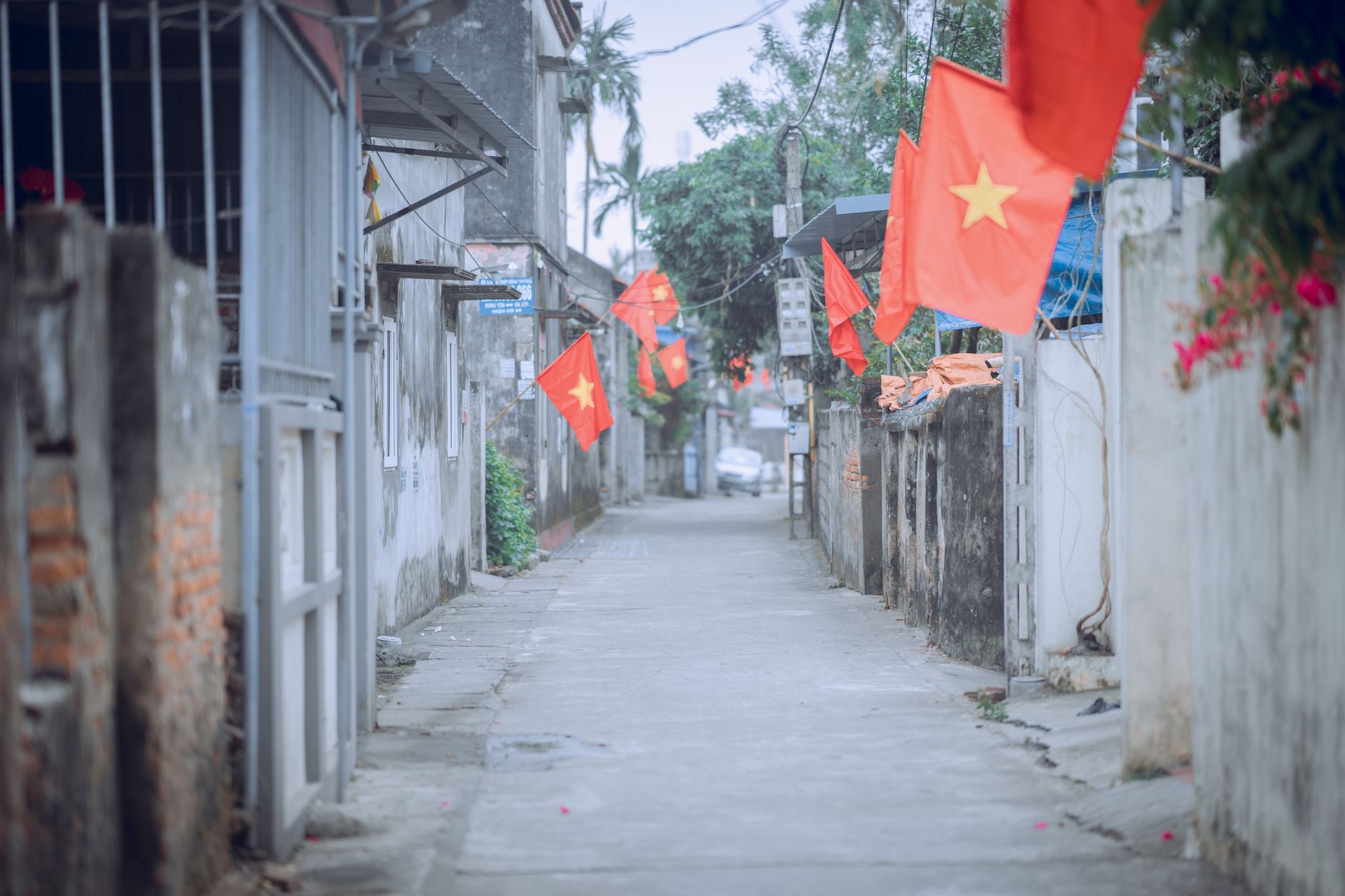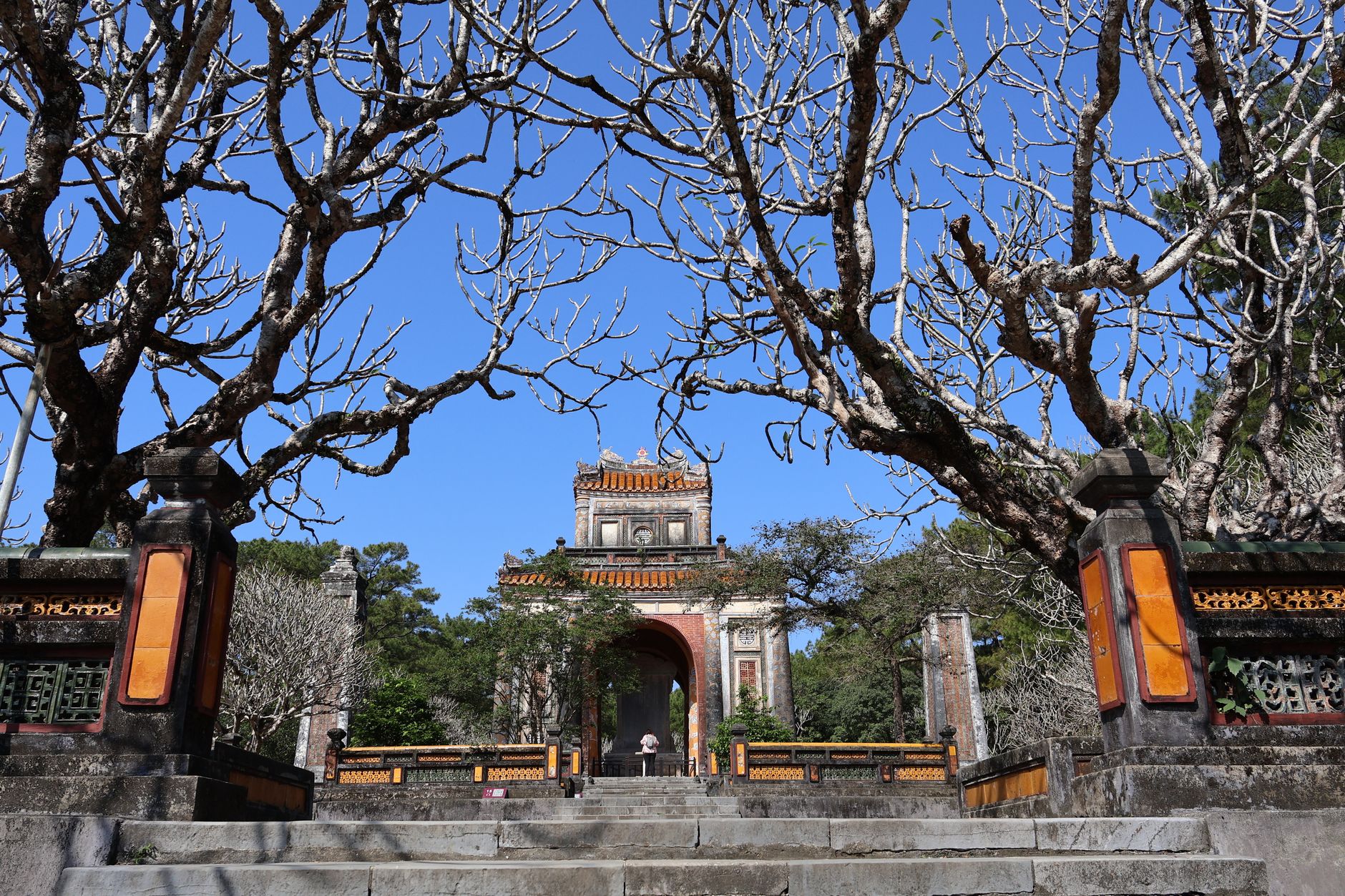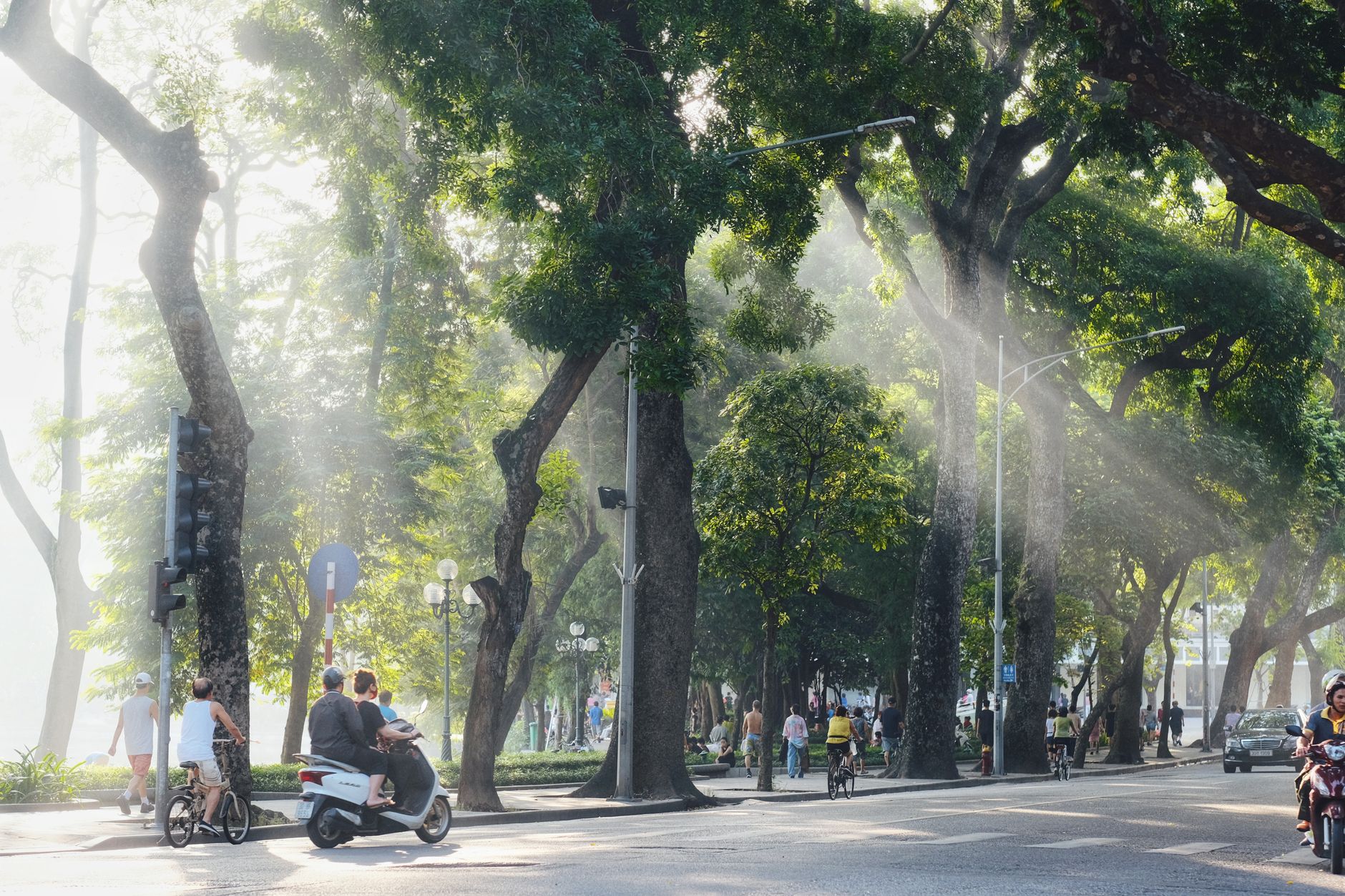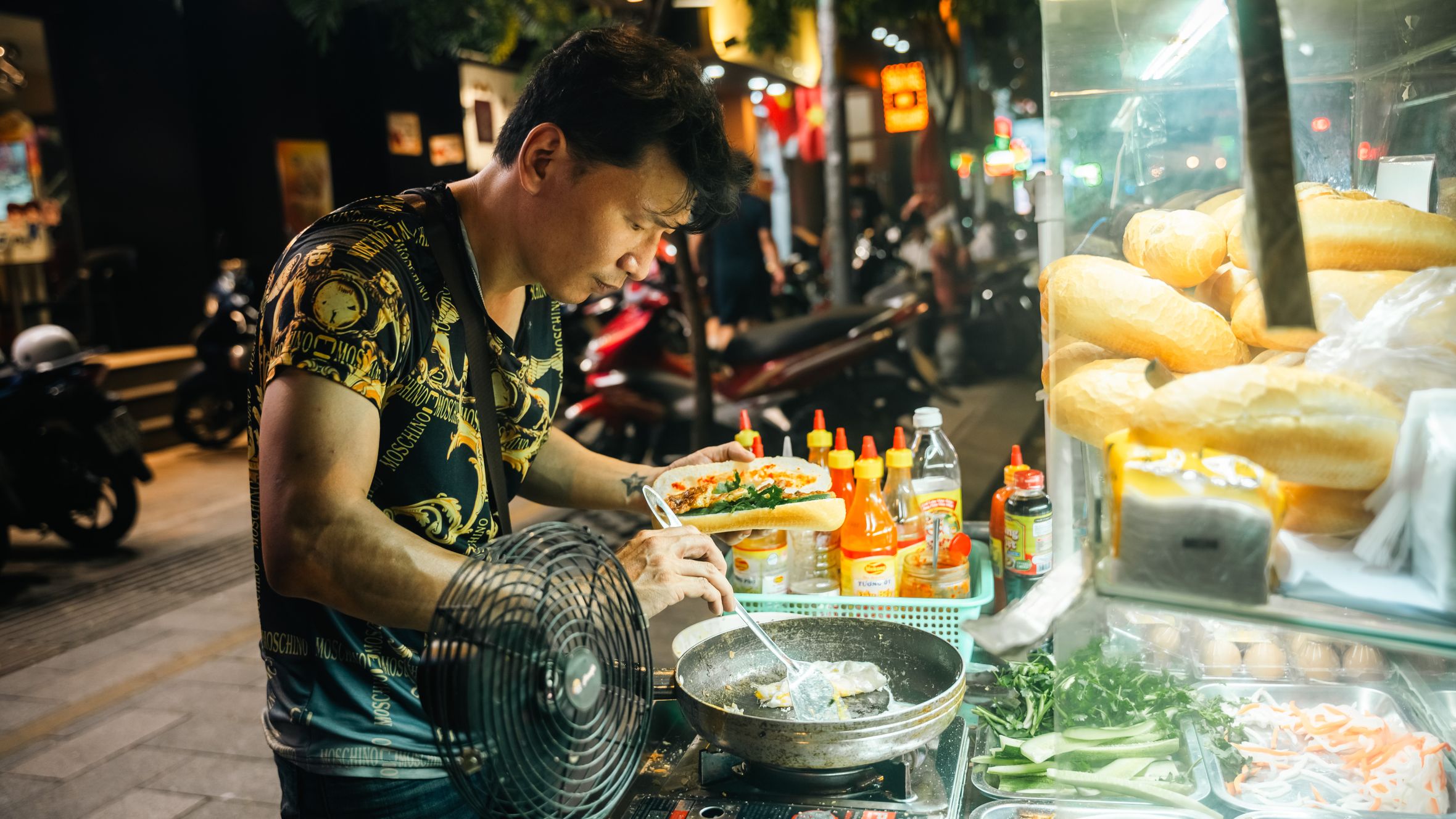
Central Vietnam (베트남 / 越南 / ベトナム) is defined by its distinct culinary identity, where the influence of the former royal capital in Hue meets the bustling port history of the coast. This 10-day loop focuses on the intersection of street food culture and heritage sites, moving from the coastal sprawl of Da Nang to the preserved alleys of Hoi An.
Day 1-3 — Da Nang: Coastal Flavors
Start in Da Nang (다낭 / 岘港 / ダナン), a city that balances industrial growth with a surprisingly deep street food scene. Base yourself near the Han River or the My Khe beach area. Your first stop should be a bowl of "mi quang". Unlike the soup-heavy noodles found elsewhere, this dish is served with a small amount of turmeric-infused broth, topped with shrimp, pork, and a rice cracker. Head to a local stall on Phan Chau Trinh street for an authentic experience.
Spend your second day exploring the local markets. Con Market is the epicenter of Da Nang's food scene. Look for "banh xeo"—a crispy, savory crepe stuffed with bean sprouts and shrimp. In the evening, walk the Han River bridges and stop at a street-side stall for "ca phe sua da".
Day 4-5 — My Son and the Road to Hoi An
On day four, hire a private car for the 45km drive to "My Son". It is best to arrive by 7:30 AM to beat the tour buses. These brick temple ruins, built by the Champa civilization, offer a quiet morning before the heat sets in. On the drive back, stop in the rural districts for a simple lunch of local pork and rice.
Spend day five transitioning to Hoi An. The drive takes about 45 minutes. Once you arrive, drop your bags and head straight for the central market to find "cao lau". This noodle dish is unique to Hoi An, featuring thick, chewy noodles made with water from local ancient wells and topped with slices of pork and fresh herbs.

Photo by Kirandeep Singh Walia on Pexels
Day 6-8 — Hoi An: Ancient Port Eats
Hoi An is best navigated by bicycle. Spend your mornings cycling through the rice paddies toward An Bang beach. For lunch, seek out a "banh mi" shop. While many tourists flock to the famous names, the smaller, unnamed stalls near the edge of the Ancient Town often serve a better crust-to-filling ratio.
In the evenings, the town transforms. Take a walk along the river and try "goi cuon" (fresh spring rolls) from a street vendor. If you are visiting during the "Mid-Autumn Festival", the town is particularly vibrant with lanterns, though it gets crowded. For a quieter cultural experience, look for a "ca tru" performance if available, or simply enjoy the evening air with a glass of local beer.
Photo by Kirandeep Singh Walia on Pexels
Day 9-10 — Coastal Relaxation and Final Bites
Return to Da Nang for your final two days. Use this time to revisit any dishes you missed. If you haven't tried "banh canh"—a thick, udder-like noodle soup—find a shop that specializes in crab or fish cake versions.
Before you fly out, spend your last morning at a cafe near the beach. Order a "vietnamese coffee" and watch the local fishermen returning to the shore. It is a slow, grounding way to end a trip defined by constant movement and heavy eating.
Practical notes
Transport between Da Nang and Hoi An is easily managed via Grab or private car hire, costing roughly 300,000 to 400,000 VND. Always carry cash for street food, as most small stalls do not accept cards. If visiting during the rainy season (October to December), expect occasional flooding in Hoi An and plan your footwear accordingly.
Last updated · May 30, 2026 · independently researched, never sponsored.