What Nui Cac Mac actually is
Nui Cac Mac (sometimes written Phia Oac or confused with it — they're in the same massif) is a limestone peak in Cao Bang province's Nguyen Binh district, topping out around 1,930 meters. It sits within the Phia Oac – Phia Den nature reserve, a protected area of montane forest that most travelers to northern Vietnam never hear about. The mountain itself is part of a broader ridge system where subtropical jungle gives way to mossy cloud forest, dwarf bamboo, and — if you time it right between December and February — occasional frost and even snow on the upper slopes.
Cao Bang as a province draws people mostly for Ban Gioc Waterfall and Pac Bo Cave. Nui Cac Mac is a different proposition: quieter, physically harder, and more about the walking than the destination photo.
Why travelers go
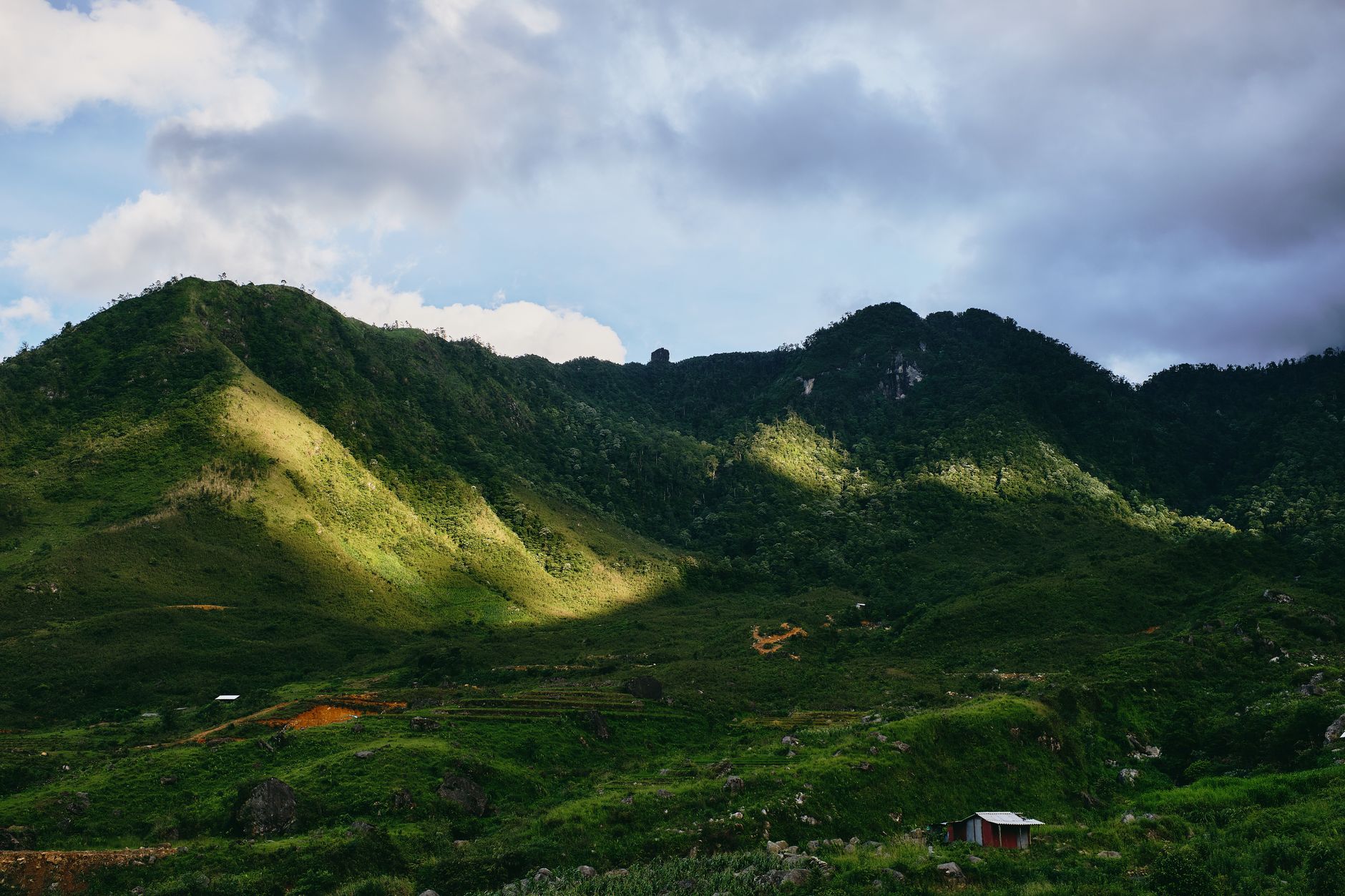
Three reasons, mostly. First, the forest. The Phia Oac reserve holds some of the best-preserved montane forest left in the Vietnamese northeast. You'll pass through broadleaf subtropical canopy, then cloud forest draped in moss and lichen, then open ridgeline with views south toward the karst towers of Cao Bang and north toward the Chinese border hills. Second, the altitude — nearly 2,000 meters puts Nui Cac Mac in the same conversation as Fansipan in Sapa, but without the cable car or the crowds. Third, the Dao and Tay communities in villages around Phia Den and Tinh Tuc at the mountain's base. Homestays here feel like they did in Sapa fifteen years ago.
Best time to visit
September through November is ideal. The summer rains taper off by mid-September, trails dry out, and the forest canopy turns. October gives you clear mornings and cool nights (10–15°C at the trailhead elevation of around 1,200m, colder up top). November can bring early mist but is still manageable.
December through February draws Vietnamese visitors hoping for snow — it does happen, maybe a handful of days per winter, but it's unpredictable and the trails get slippery. March and April are fine but hazier. Avoid June through August: the trails turn to mud, leeches are aggressive, and visibility from the summit drops to nothing.
How to get there
The nearest major hub is Cao Bang city, roughly 85 km southeast of the Phia Den area.
From Hanoi to Cao Bang: Take the sleeper bus from My Dinh bus station. Several operators run nightly departures (around 8–9 PM), arriving in Cao Bang city by 4–5 AM. Tickets run 250,000–350,000 VND. Alternatively, daytime buses take about 7–8 hours. Driving yourself on a motorbike via Highway 3 through Bac Kan is a full day but a spectacular ride through limestone valleys.
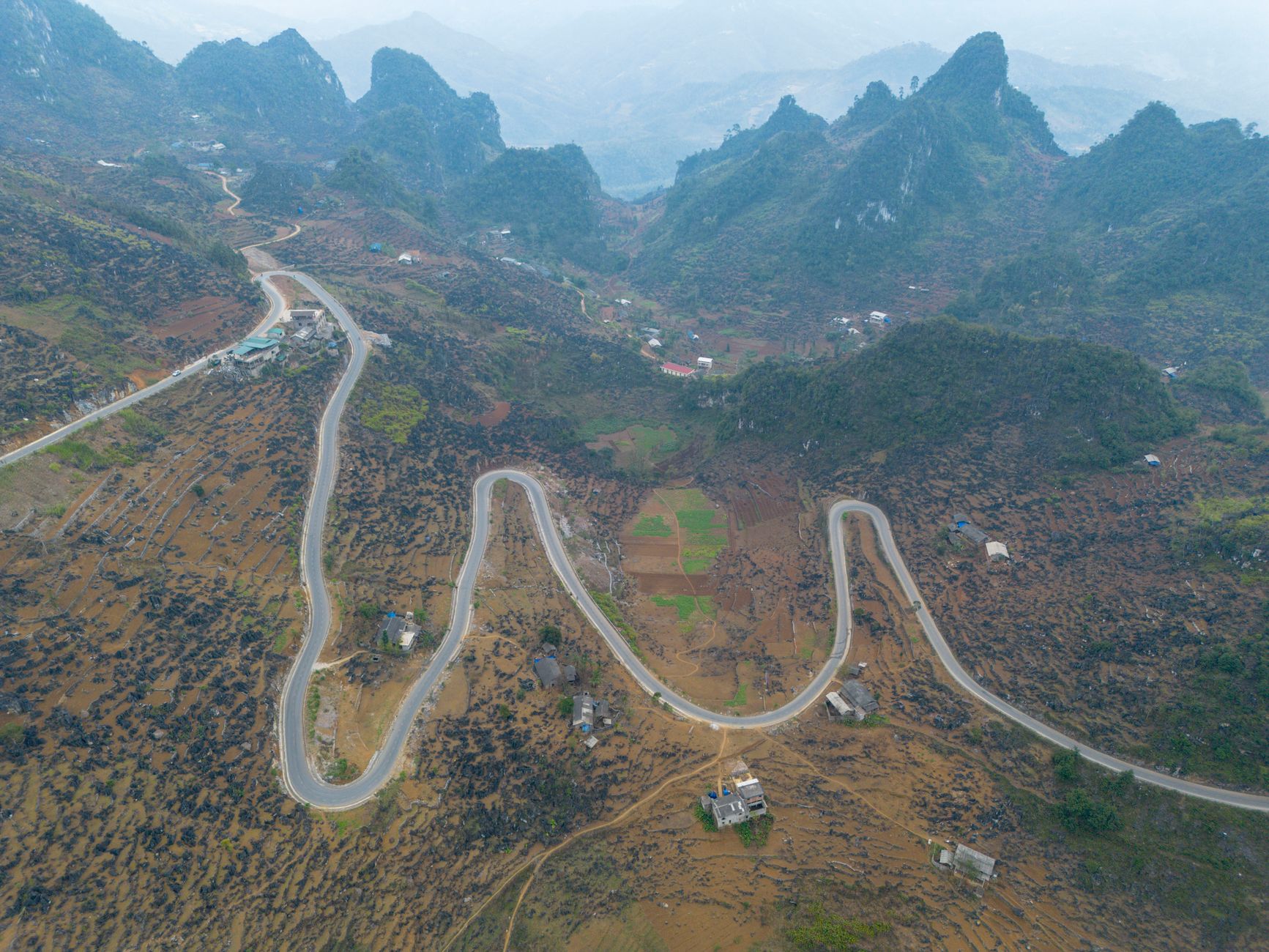
From Cao Bang city to Phia Den/Nui Cac Mac: Take a local bus or xe khach toward Nguyen Binh district (about 2 hours, 60,000–80,000 VND). From Nguyen Binh town, you'll need a xe om (motorbike taxi) for the final 20 km up to Phia Den or Tinh Tuc — expect to pay 100,000–150,000 VND. If you're on your own motorbike, the road from Nguyen Binh to Phia Den is paved but steep, with some loose gravel patches after rain.
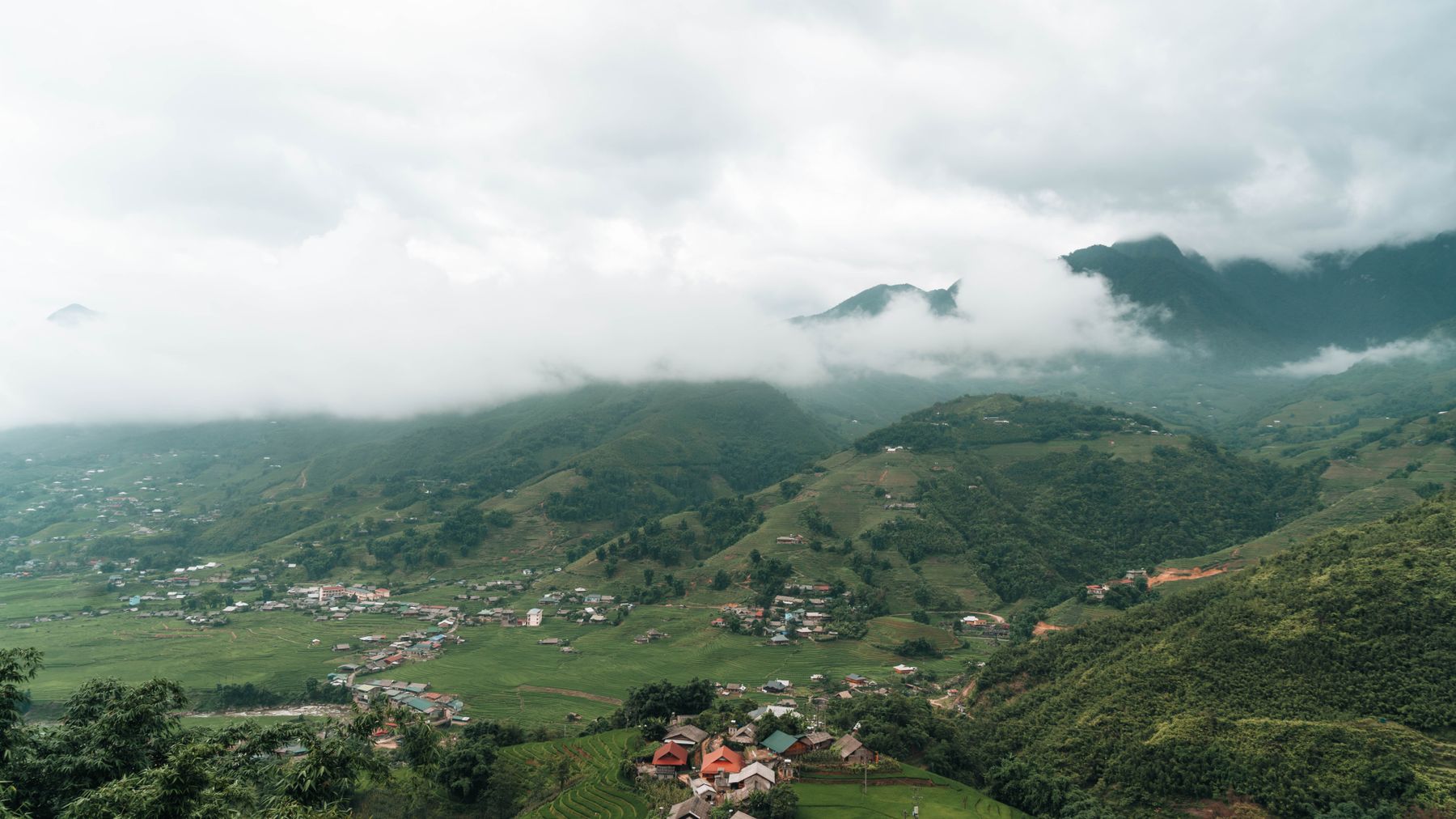
Photo by Quang Vuong on Pexels
What to do
Summit trek
The main event. The standard route starts from near Phia Den and climbs roughly 700 meters over 5–7 km (depending on the trail variation). Allow 4–5 hours up, 3 hours down. You don't strictly need a guide for the lower sections, but above 1,600 meters the trail fragments and cloud cover rolls in fast — hiring a local Dao guide through your homestay is smart, typically 400,000–500,000 VND for the day. They'll also point out medicinal plants and orchid species you'd walk right past.
Phia Oac silver mine ruins
The French operated silver and zinc mines around Tinh Tuc in the colonial period. The old mine shafts and processing infrastructure are still partially visible — crumbling stone walls, rusted machinery, overgrown rail tracks. It's a 30-minute walk from Tinh Tuc town. No entry fee, no signage, no other tourists. Bring a headlamp if you want to poke into the shallow tunnels.
Phia Den minority village walk
The Red Dao families around Phia Den still do indigo dyeing and silver jewelry work. A morning spent walking between homesteads — buying directly if something catches your eye, 150,000–300,000 VND for small silver pieces — is more genuine than most "ethnic village" tourism elsewhere in northern Vietnam.
Waterfall detour at Ban Viet
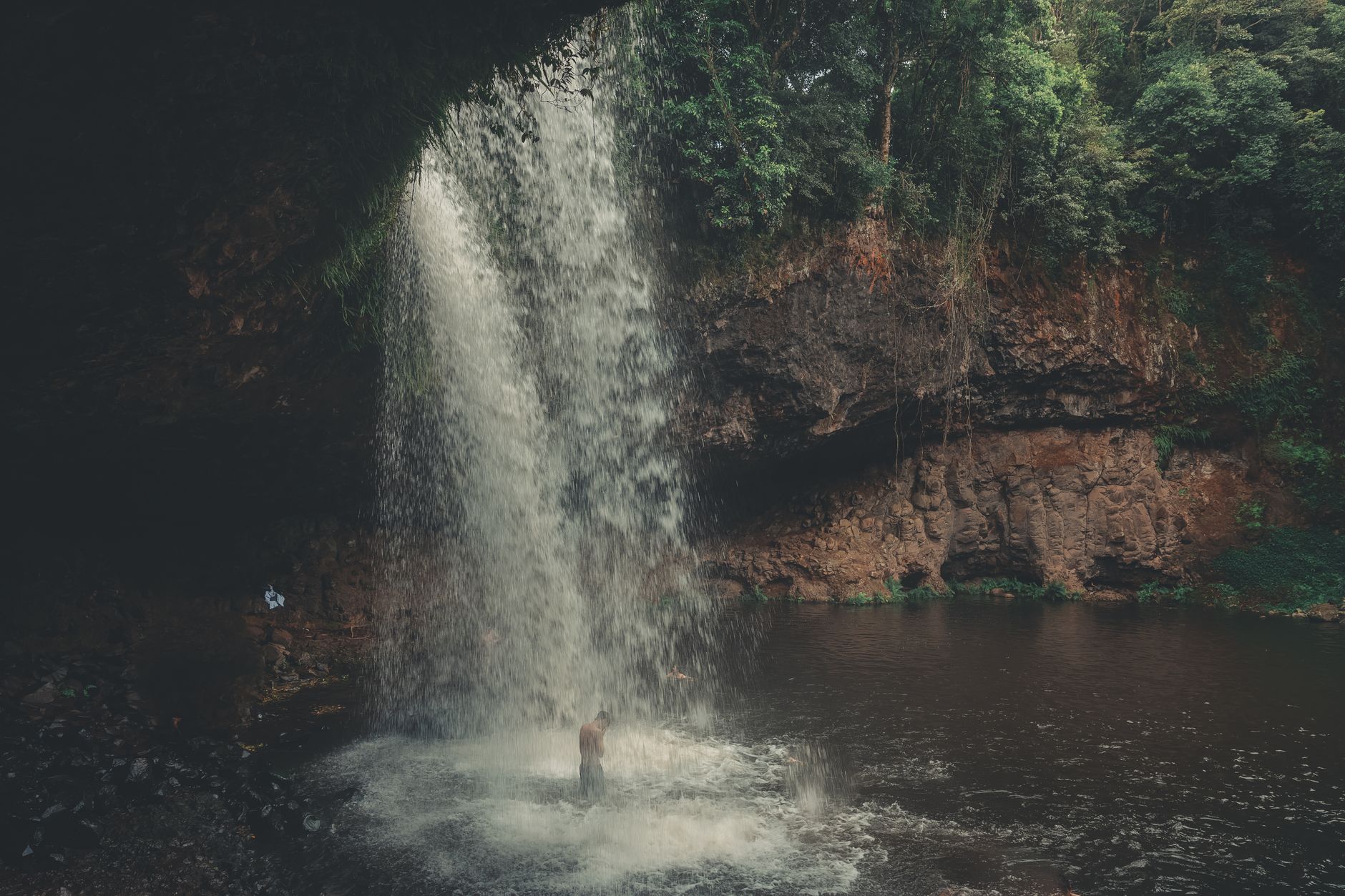
About 8 km from Phia Den, a marked trail drops to a series of small cascades in thick forest. Not a destination waterfall, but a good half-day addition if you have a rest day between summit attempts or are waiting out weather.
Where to eat nearby
Tinh Tuc and Phia Den are small — expect homestay meals or simple com binh dan (rice-plate) shops, not restaurants. The local specialty worth seeking is "thang co", a sour offal hotpot that the Dao and Hmong communities make with horse or buffalo meat, herbs, and cardamom. It's an acquired taste and genuinely warming after a cold summit day. You'll also find "pho" at breakfast stalls in Nguyen Binh town — basic but solid, around 30,000–40,000 VND a bowl. Stock up on snacks and water in Cao Bang city or Nguyen Binh before heading up.
Where to stay
Homestays around Phia Den are the main option. Expect basic rooms — mattress on the floor, shared bathroom, warm blankets — for 150,000–250,000 VND per night, meals included. A few guesthouses in Tinh Tuc offer private rooms with hot water showers for 300,000–400,000 VND. There's no hotel infrastructure here. If you want comfort, stay in Cao Bang city (decent hotels from 400,000–600,000 VND/night) and day-trip, though that makes the summit push a very long day.

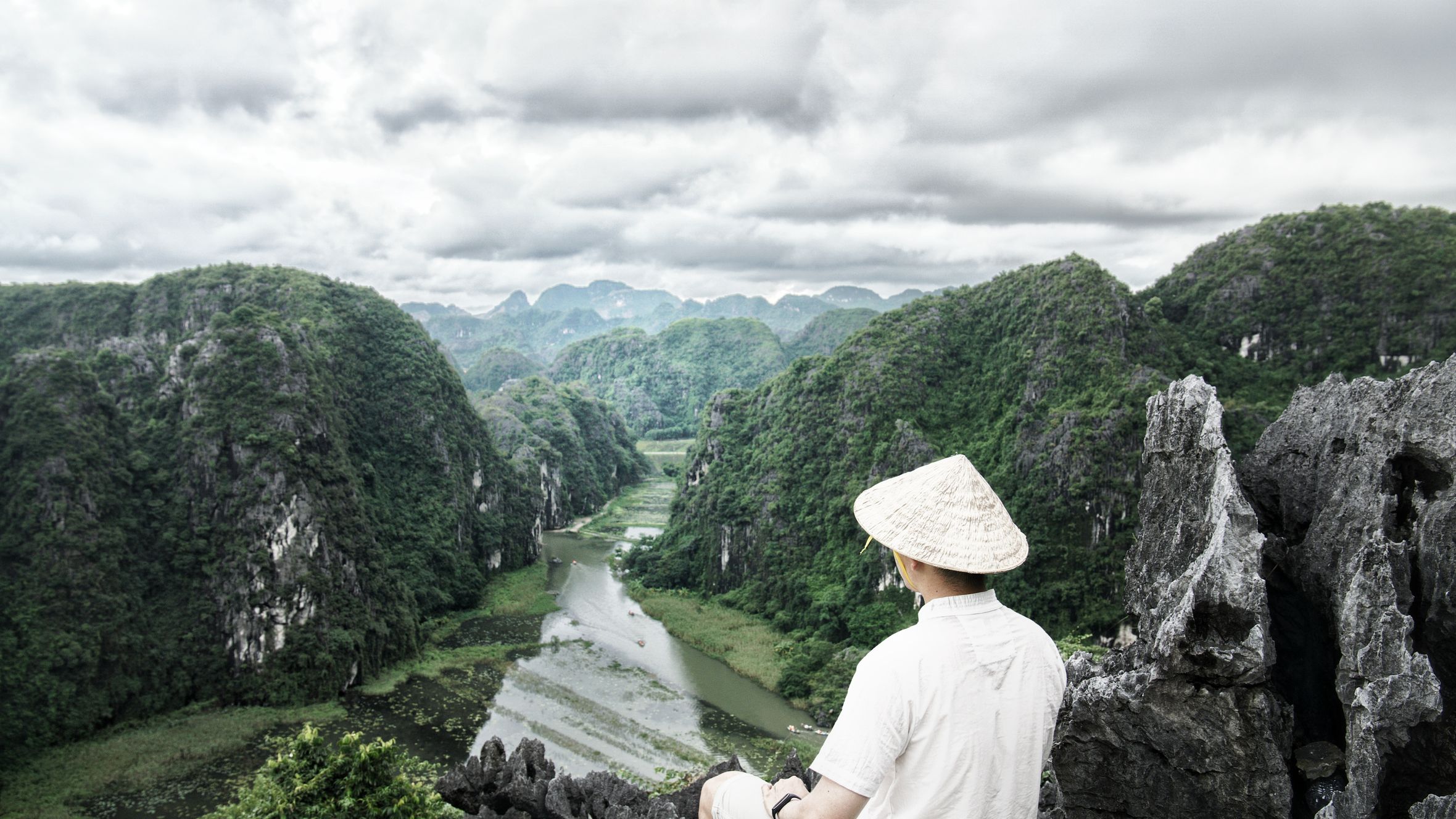
Photo by Hồng Quang Official on Pexels
Practical tips locals would tell you
- Layer up. Even in October, summit temperatures can drop below 10°C with wind chill. Bring a proper jacket, not just a hoodie.
- Carry cash. No ATMs in Phia Den or Tinh Tuc. The nearest ATM is in Nguyen Binh town, and it's not always stocked. Withdraw in Cao Bang city.
- Charge everything in town. Electricity in homestays can be unreliable. Bring a power bank.
- Start early. Cloud cover typically builds by 10–11 AM on the summit. A 5:30 AM departure from Phia Den gives you the best shot at clear views.
- Fuel up your bike in Nguyen Binh. No petrol stations between Nguyen Binh and Phia Den.
Mistakes to avoid
- Showing up without a plan in rainy season. The trails aren't maintained trails with boardwalks — they're mountain paths. After heavy rain, sections become genuinely dangerous.
- Underestimating the distance from Hanoi (하노이 / 河内 / ハノイ). This is a two-day minimum trip. People try to bus in, summit, and bus back in 48 hours and end up exhausted and rushing. Give it three days.
- Skipping Nguyen Binh market. The Sunday morning market in Nguyen Binh town is where Dao, Tay, and Nung communities trade produce, livestock, and textiles. If your visit overlaps, it's worth an early morning stop.
- Expecting Sapa (사파 / 沙坝 / サパ)-level tourist infrastructure. There are no cafes, no Western menus, no tour booking offices. That's the point — but come prepared.
Practical notes
Nui Cac Mac is one of those places that rewards people who don't need everything arranged for them. The mountain is real hiking, the villages are real villages, and the region is still largely off the foreign-tourist circuit. Pair it with a stop at Ban Gioc Waterfall (90 km northeast of Cao Bang city) for a worthwhile loop through one of Vietnam's most underappreciated provinces.
Last updated · May 26, 2026 · independently researched, never sponsored.