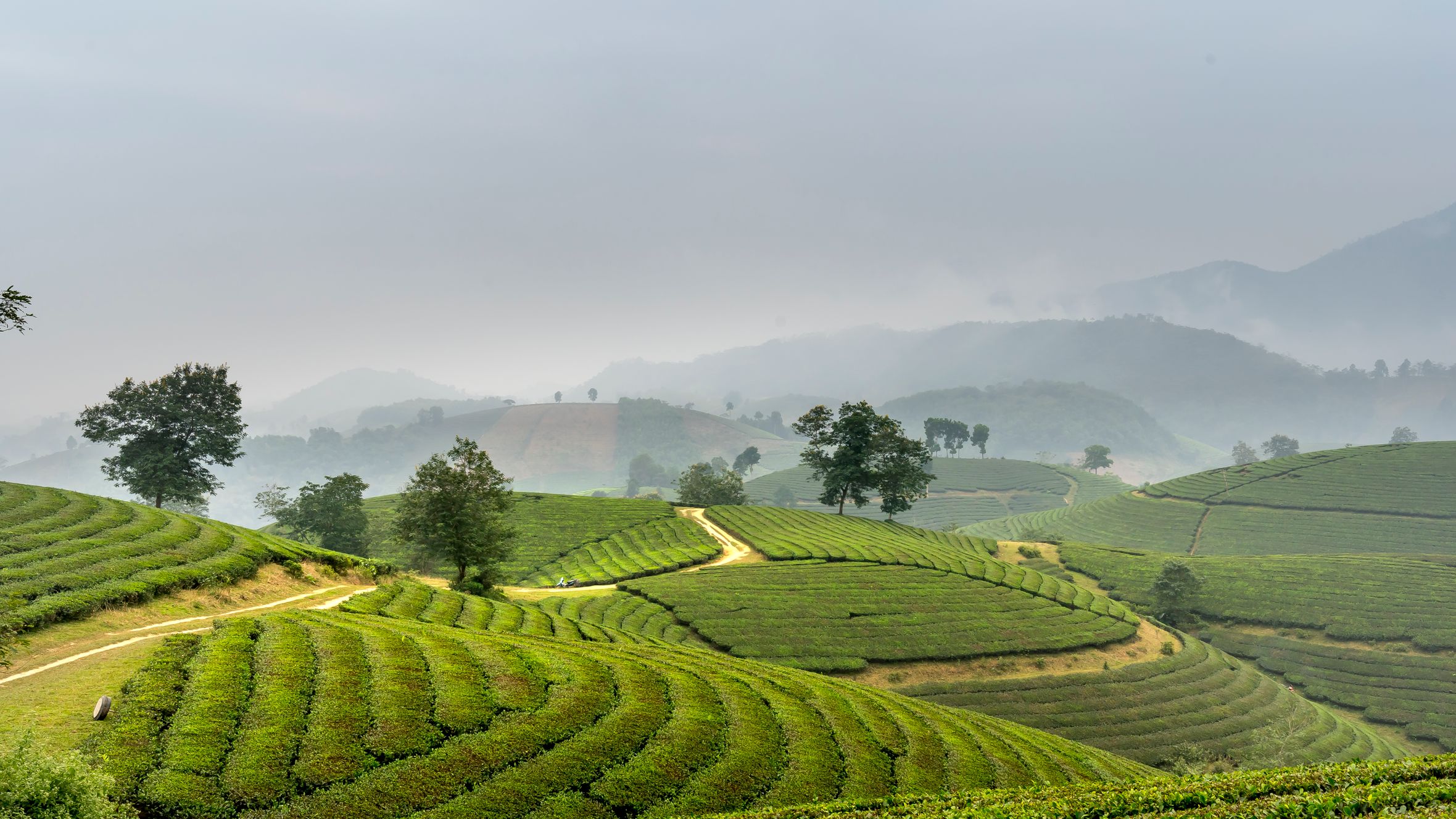
Nui Da Dung sits about 5 km east of Ha Tien town, a limestone karst rising abruptly from flat rice paddies in what is now An Giang province. It's one of those places that rewards the minor effort of showing up — caves threaded with Buddhist shrines, views across the delta plain to the Gulf of Thailand, and almost no other foreign visitors.
What it is
Nui Da Dung (literally "standing stone mountain") is a 100-meter-tall karst formation riddled with caves and overhangs. The mountain has served as a pilgrimage site for centuries, with small pagodas and altars tucked into its grottos. During the 18th and 19th centuries, it was also used as a natural fortress — the caves provided shelter and strategic vantage points. Today it functions as a scenic and spiritual site, managed as a provincial heritage area.
The mountain complex includes Hai Son Pagoda at the base, several cave systems (Chua Hang, Tien Cave, Giang Cave among them), and a network of stone staircases carved into the rock face.
Why travelers go
Three reasons, mostly:
- The caves — not polished show-caves, but raw limestone chambers with Buddhist statues, incense smoke, and stalactites. The main cave (Chua Hang) has a small temple inside with natural skylights.
- The views — from the upper ridgeline, you see flat green paddies stretching to the coast, the Dong Ho channel, and on clear days, Phu Quoc's silhouette on the horizon.
- The quiet — this isn't Ha Long Bay. You'll share the path with local worshippers and maybe a school group. That's it.
It pairs well with a day trip from Ha Tien that also covers Thach Dong (another cave-pagoda 3 km away) and the Mui Nai beach area.
Best time to visit
Dry season: November through April. The stone steps get slippery in the wet months (May–October), and the humidity inside the caves becomes oppressive. Early morning (before 9 AM) is ideal — cooler temperatures, better light for photos from the summit, and the incense smoke in the caves catches the morning sun filtering through cracks in the rock.
Avoid major lunar calendar dates (1st and 15th of the lunar month) if you want solitude — local pilgrims visit in numbers on those days.
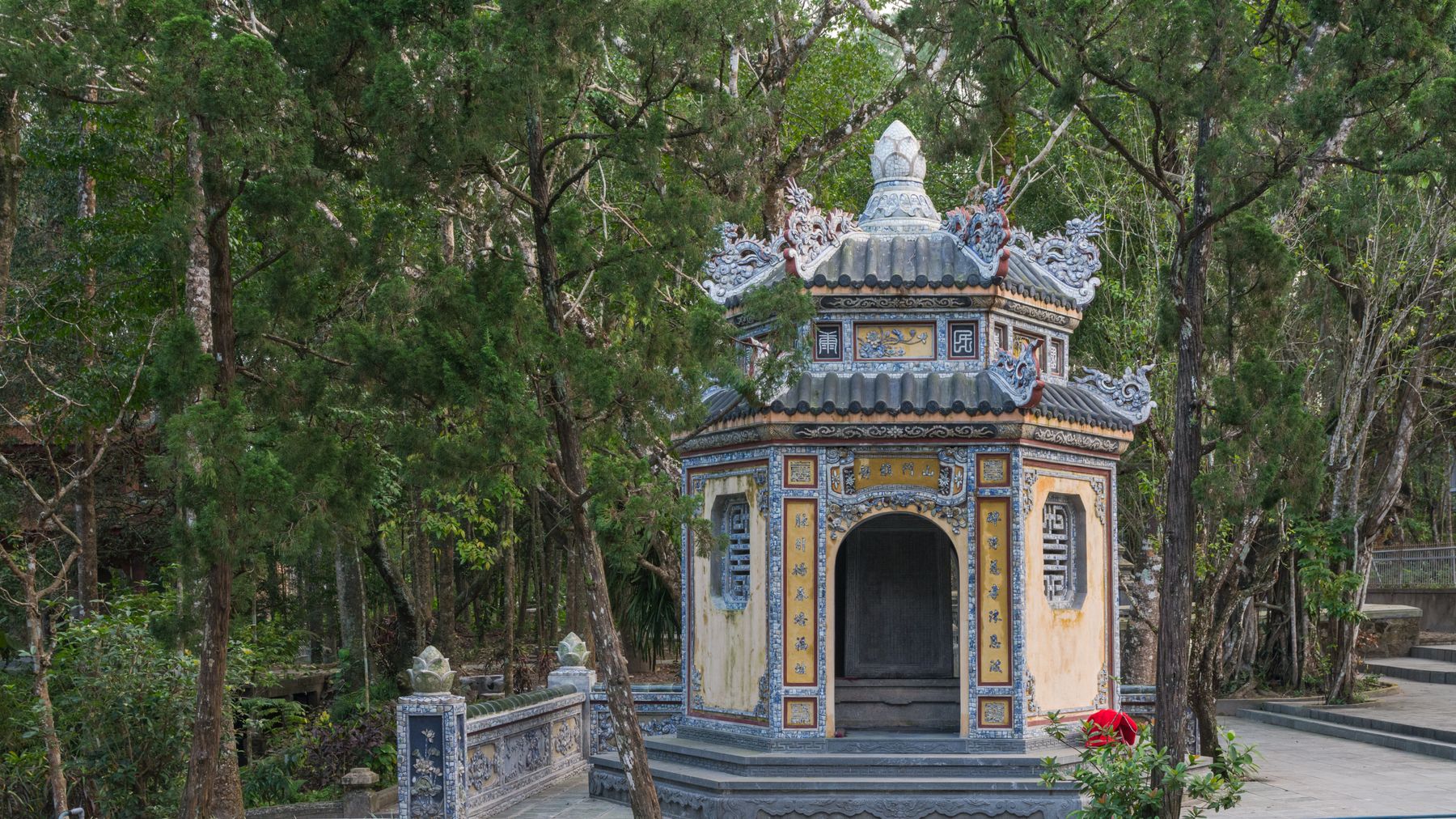
Photo by Ricardo Santanna on Pexels
How to get there
From Ha Tien: 5 km east on the road toward Rach Gia. A xe om (motorbike taxi) costs 30,000–50,000 VND one way. If you're renting a motorbike in Ha Tien (150,000 VND/day from most guesthouses), it's a 10-minute ride.
From Rach Gia: About 80 km west, roughly 1.5 hours by motorbike or bus. Buses from Rach Gia to Ha Tien run every 30–45 minutes from the Rach Gia bus station (60,000 VND). Ask to be dropped at the Nui Da Dung turnoff.
From Can Tho: Around 200 km. Take a bus to Ha Tien (5–6 hours, ~180,000 VND) or drive via Chau Doc and the canal roads if you prefer the scenic Mekong Delta (메콩 델타 / 湄公河三角洲 / メコンデルタ) route through An Giang.
From Saigon: The fastest option is a bus to Ha Tien (7–8 hours, ~250,000 VND from Mien Tay station). Night buses depart around 10 PM and arrive early morning — convenient if you want to hit the mountain at dawn.
What to do
Climb the main trail
The stone staircase from Hai Son Pagoda winds through three cave systems before reaching the ridgeline. Total ascent takes 30–45 minutes at a moderate pace. The steps are uneven and sometimes narrow — wear shoes with grip, not sandals.
Explore the caves
Chua Hang is the largest and most accessible, with a resident monk and small altar. Tien Cave (about halfway up) has impressive stalactite formations. Bring a phone flashlight for the darker sections — there's no installed lighting in the smaller chambers.
Visit Hai Son Pagoda
At the mountain's base, this working pagoda has a courtyard garden, a main hall with Mahayana Buddhist iconography, and monks who are generally happy to chat if you speak some Vietnamese. Dress respectfully (cover shoulders and knees).
Combine with Thach Dong
Thach Dong cave-pagoda is 3 km northwest, right on the road back toward Ha Tien. It's smaller but equally atmospheric — a single large cavern with a temple inside and views from the hilltop. Budget an extra 30–45 minutes.
Where to eat
Nui Da Dung itself has a couple of drink stalls at the parking area selling coconut water, sugarcane juice, and instant noodles. For proper food, head back to Ha Tien:
- Oasis Bar (Tran Hau, Ha Tien) — Western and Vietnamese menu, decent "hu tieu" soup, cold beer. Around 60,000–90,000 VND per dish.
- Quan Hai San Thanh Dat (near the night market) — seafood by weight, grilled squid, steamed clams. Budget 150,000–250,000 VND for two people eating well.
- The Ha Tien night market along the waterfront has grilled seafood skewers, "banh mi (반미 / 越式法包 / バインミー)", and fresh fruit shakes for 15,000–40,000 VND.

Photo by Vietnam Hidden Light on Pexels
Where to stay
Ha Tien is the base. Options:
- River Hotel — mid-range, air-con rooms from 350,000 VND/night, river views from upper floors.
- Hai Van Hotel — budget, clean, 200,000–280,000 VND. Five minutes from the waterfront.
- Ha Tien homestays — a few family-run guesthouses on Phuong Thanh street offer rooms for 150,000–200,000 VND with breakfast included.
There's no accommodation at Nui Da Dung itself.
Practical tips
- Entrance fee: 10,000 VND (as of 2024). Paid at the parking area.
- Water: Bring at least one liter. There's nowhere to buy drinks once you're past the base.
- Footwear: Proper shoes, not flip-flops. The stone steps are worn smooth in places.
- Time needed: 2–3 hours for the full mountain circuit including caves. Add another hour if you visit Thach Dong.
- Language: Almost no English spoken. Download Google Translate Vietnamese offline if you want to communicate with monks or locals.
Common mistakes
Going in the afternoon heat. The exposed ridgeline sections bake from noon onward. Start early.
Wearing sandals. People do it. People also slip on the mossy limestone. Don't be that person.
Skipping Thach Dong. It's 3 km away and worth the detour — arguably more photogenic than Nui Da Dung's summit.
Not bringing cash. There's no ATM at the mountain and the drink stalls don't take cards. Bring small bills (10,000 and 20,000 VND notes are useful for offerings at the pagoda).
Treating it as a full-day trip. The mountain itself takes 2–3 hours. Plan it as part of a Ha Tien day that includes the town, the night market, Thach Dong, and maybe Mui Nai beach in the afternoon.
Last updated · May 26, 2026 · independently researched, never sponsored.









