Pac Bo is one of those places where the landscape does most of the talking. A limestone cave tucked into the base of a karst cliff, a clear stream running through dense forest, and a quiet valley in the far northeast corner of Vietnam (베트남 / 越南 / ベトナム) — it's a site that feels remote even by Cao Bang standards, and that's part of the draw.
What It Is and Why It Matters
Pac Bo (sometimes written Pac Po) sits about 55 km north of Cao Bang city, just 3 km from the Chinese border in the commune of Truong Ha. This is where Ho Chi Minh (호치민 / 胡志明 / ホーチミン) returned to Vietnam in February 1941 after 30 years abroad. He lived in and around the Coc Bo cave here, working and writing in conditions that were, by any measure, rough.
The site was declared a national historical monument in 1975. Today it's a managed heritage area with a small museum, walking trails, and the original cave and stream. It draws a steady flow of Vietnamese visitors — school groups, families, veterans — but relatively few international travelers make it this far north. If you're already in Cao Bang for Ban Gioc Waterfall or the northeast loop, Pac Bo is an easy and worthwhile addition.
Why Travelers Go
Two reasons. First, the history: whether or not you're deeply familiar with Vietnamese 20th-century history, standing inside a small cave where someone lived on foraged jungle food while planning a revolution is a visceral experience. The museum provides enough English-language context to follow the story.
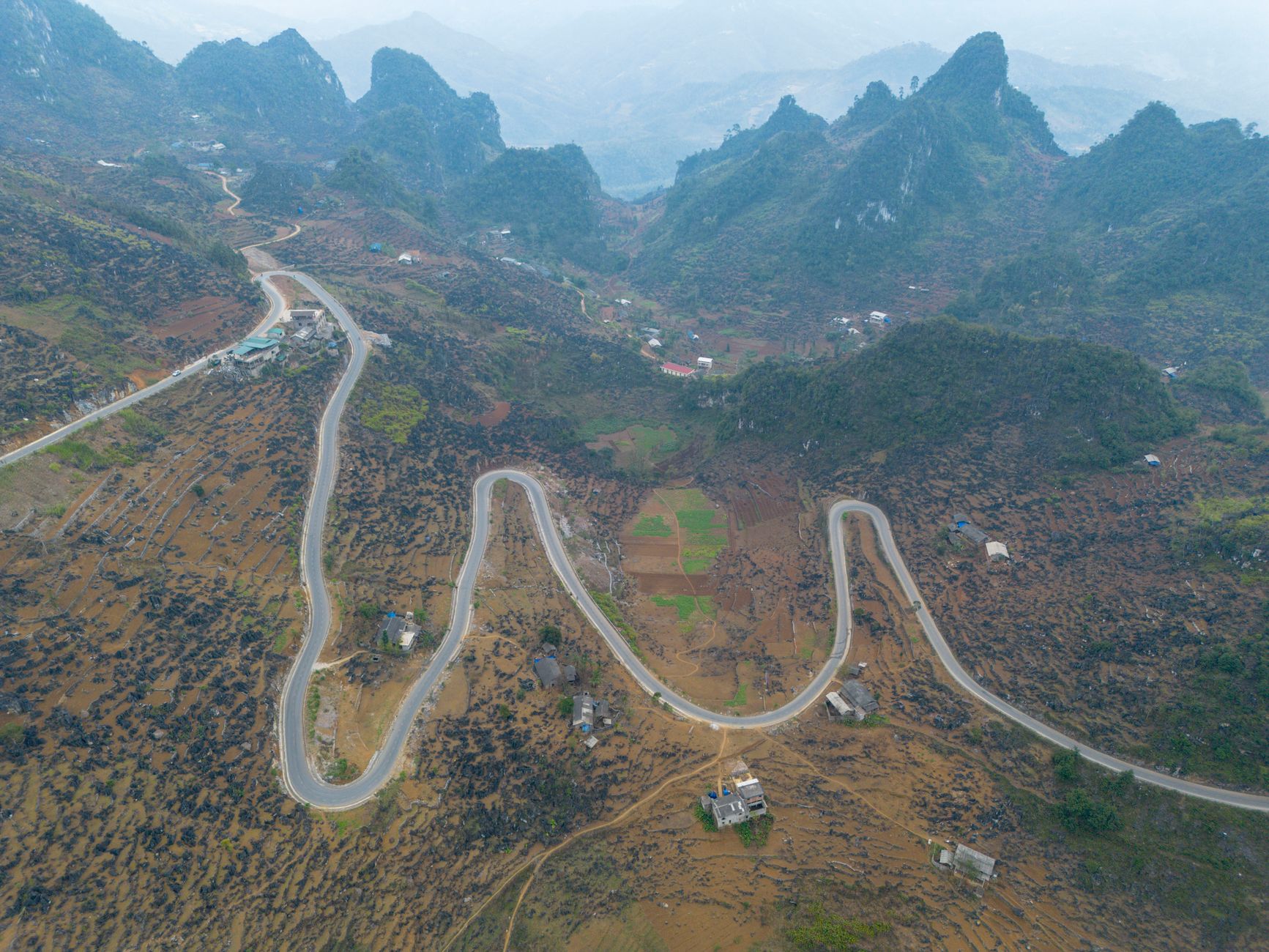
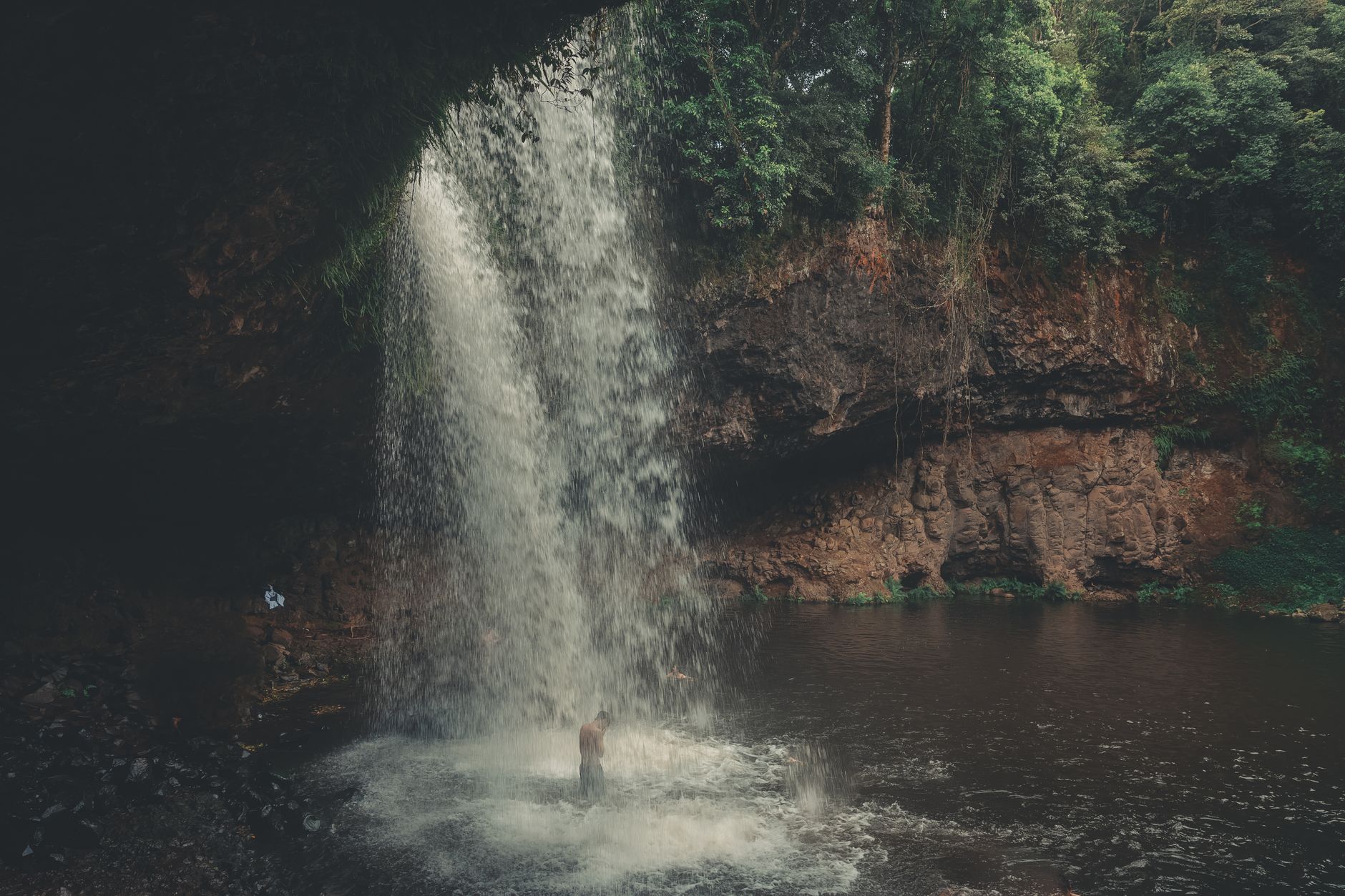
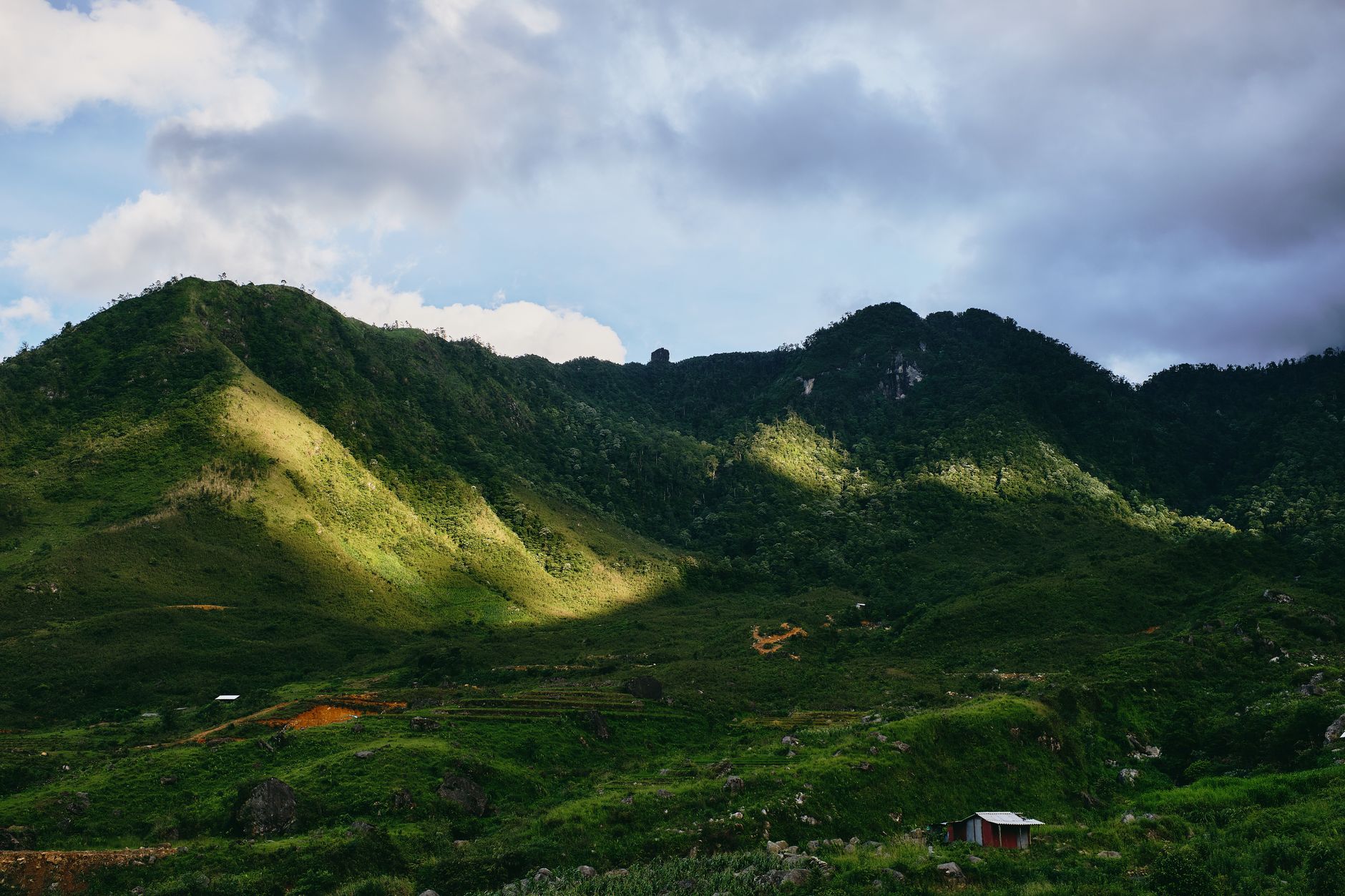
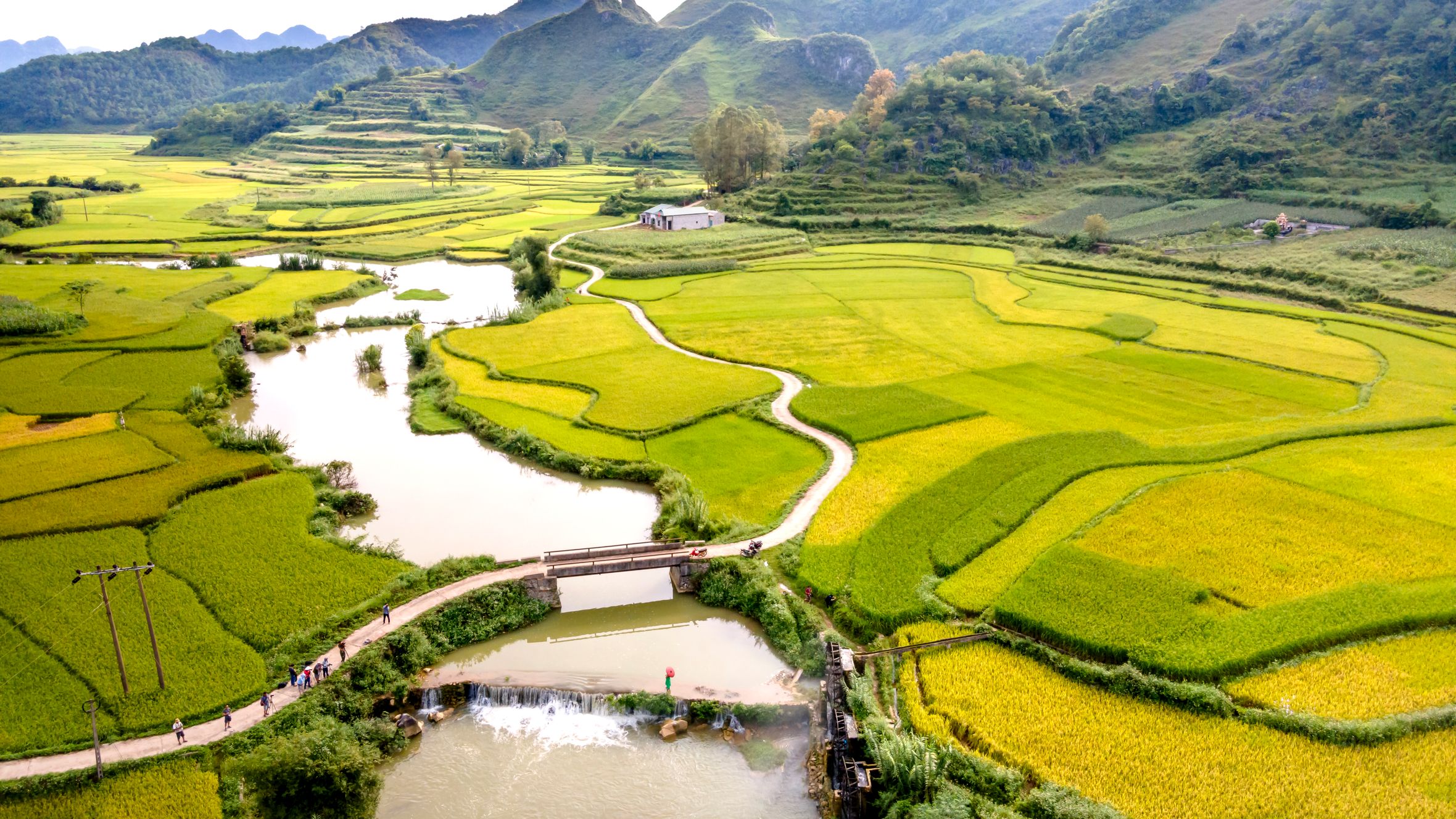
Second, the scenery. The valley around Pac Bo is classic northeast Vietnam — sharp karst peaks, thick vegetation, terraced fields at the edges. The Lenin Stream (named by Ho Chi Minh himself, along with the Karl Marx Peak above it) is genuinely beautiful, running shallow and clear over smooth rocks. It's a landscape that rewards anyone who appreciates quiet, green, uncrowded spaces.
Best Time to Visit
September through November is ideal. The summer rains have softened, the air is cooler, and the valley is at peak green. December through February can be cold — Cao Bang sits at elevation and temperatures occasionally drop below 10°C. March to May is pleasant but drier, with occasional haze. Avoid national holidays (especially around Tet and the September 2 National Day), when the site gets packed with domestic tour groups.
How to Get There
The nearest major hub is Hanoi, roughly 280 km south.
Hanoi to Cao Bang City
- Bus: Several daily departures from My Dinh and Nuoc Ngam bus stations. The ride takes 6-7 hours on Highway 3 (now partly expressway via the Hanoi–Thai Nguyen section). Tickets run 200,000–280,000 VND depending on the operator. Duc Long and Kumho are reliable.
- Motorbike: A popular option for riders doing the northeast loop through Ha Giang, Bao Lac, and Cao Bang. The roads are good but mountainous — expect a full day from Hanoi.
Cao Bang City to Pac Bo
- Motorbike or car: 55 km north on Provincial Road 203. Takes about 1.5 hours on a winding but well-paved mountain road. You can rent a motorbike in Cao Bang city for around 150,000–200,000 VND/day.
- Local tour: Most Cao Bang hotels and guesthouses arrange day trips combining Pac Bo with Nguom Ngao Cave and Ban Gioc Waterfall. Expect to pay 600,000–1,000,000 VND per person depending on group size.

Photo by Quang Nguyen Vinh on Pexels
What to Do at Pac Bo
Walk Through Coc Bo Cave
The cave itself is modest — a shallow overhang in the limestone, maybe 3 meters deep. A flat rock inside served as a desk and bed. It takes five minutes to see, but the setting, pressed right against the cliff face with the stream below, gives it weight. Signage is in Vietnamese and English.
Follow the Lenin Stream Trail
A paved walking path follows the stream for about 1 km upstream from the cave. The water is clear enough to see the bottom, and the karst walls rise steeply on both sides. It's flat, shaded, and easy walking. Budget 30-40 minutes.
Visit the Pac Bo Museum
A small but well-organized museum near the entrance covers the 1941-1945 period with photographs, documents, and reconstructed scenes. English captions are brief but serviceable. Allow 20-30 minutes.
Climb to the Lookout Above the Cave
A trail leads up the hillside behind the cave to a viewpoint overlooking the valley. It's steep in places — wear proper shoes, not sandals. The view across the karst ridgeline and down to the stream is worth the 15-minute climb.
See the Khuoi Nam Spring
A short walk past the cave leads to the natural spring where Ho Chi Minh reportedly collected drinking water. It's a small, quiet spot and a good turnaround point if you don't want to do the full trail.
Where to Eat Nearby
There's no real restaurant scene at Pac Bo itself — just a few stalls near the parking area selling drinks, instant noodles, and snacks. Eat properly in Cao Bang city before or after your visit.
Cao Bang is known for "banh cuon" — the steamed rice rolls here are thicker and chewier than the Hanoi version, often stuffed with minced pork and wood ear mushroom, served with a dipping sauce that's sweeter and less fishy. Try it at the morning market stalls along Vuon Cam street. A plate runs about 25,000–35,000 VND.
Also look for "pho chua" (sour pho) — a cold noodle dish with crispy fried rice paper, roasted peanuts, pork, and a tangy broth. It's a Cao Bang specialty you won't find easily elsewhere. Street vendors around the central market sell it for 20,000–30,000 VND.
Where to Stay
Stay in Cao Bang city. Options range from basic guesthouses (200,000–350,000 VND/night) to mid-range hotels with air conditioning and hot water (400,000–700,000 VND/night). There's no international-standard hotel, but several places along Phia Den Road and near the city center are clean and adequate. Book ahead during holidays.
If you're combining Pac Bo with Ban Gioc, some travelers stay in Trung Khanh town, which is closer to the waterfall but farther from Pac Bo.
Photo by Quang Nguyen Vinh on Pexels
Practical Tips
- Entry fee: 20,000 VND per person (as of early 2024). Parking is an additional 5,000–10,000 VND for a motorbike.
- Time needed: 1.5 to 2.5 hours covers everything comfortably.
- Bring water and snacks. The on-site stalls have limited selection.
- Wear shoes with grip. The trail above the cave is slippery after rain, and the rocks along the stream can be mossy.
- Go early. Tour buses from Cao Bang typically arrive between 10:00 and 11:00. If you leave Cao Bang by 7:30, you'll have the site mostly to yourself for the first hour.
Common Mistakes to Avoid
- Skipping the museum. Without context, the cave is just a cave. The museum gives you the story that makes the site meaningful.
- Wearing sandals. The main path is paved, but the side trails and the climb above the cave are not. Flip-flops on wet limestone is a recipe for a bad day.
- Not combining with Ban Gioc. Pac Bo alone might not justify the trip from Hanoi. But paired with Ban Gioc Waterfall, Nguom Ngao Cave, and the drive through Cao Bang's karst valleys, it becomes part of one of the best road trips in northern Vietnam.
- Expecting English-speaking guides. There are Vietnamese-speaking guides at the site, but English availability is limited. Read up before you go, or ask your hotel in Cao Bang to arrange a guide.
Practical Notes
Pac Bo works best as part of a 2-3 day Cao Bang itinerary. The drive alone — through some of the most dramatic karst scenery in northern Vietnam — is reason enough to go. Bring a jacket in winter, sunscreen in summer, and enough cash for the day. There are no ATMs at the site.
Last updated · May 29, 2026 · independently researched, never sponsored.