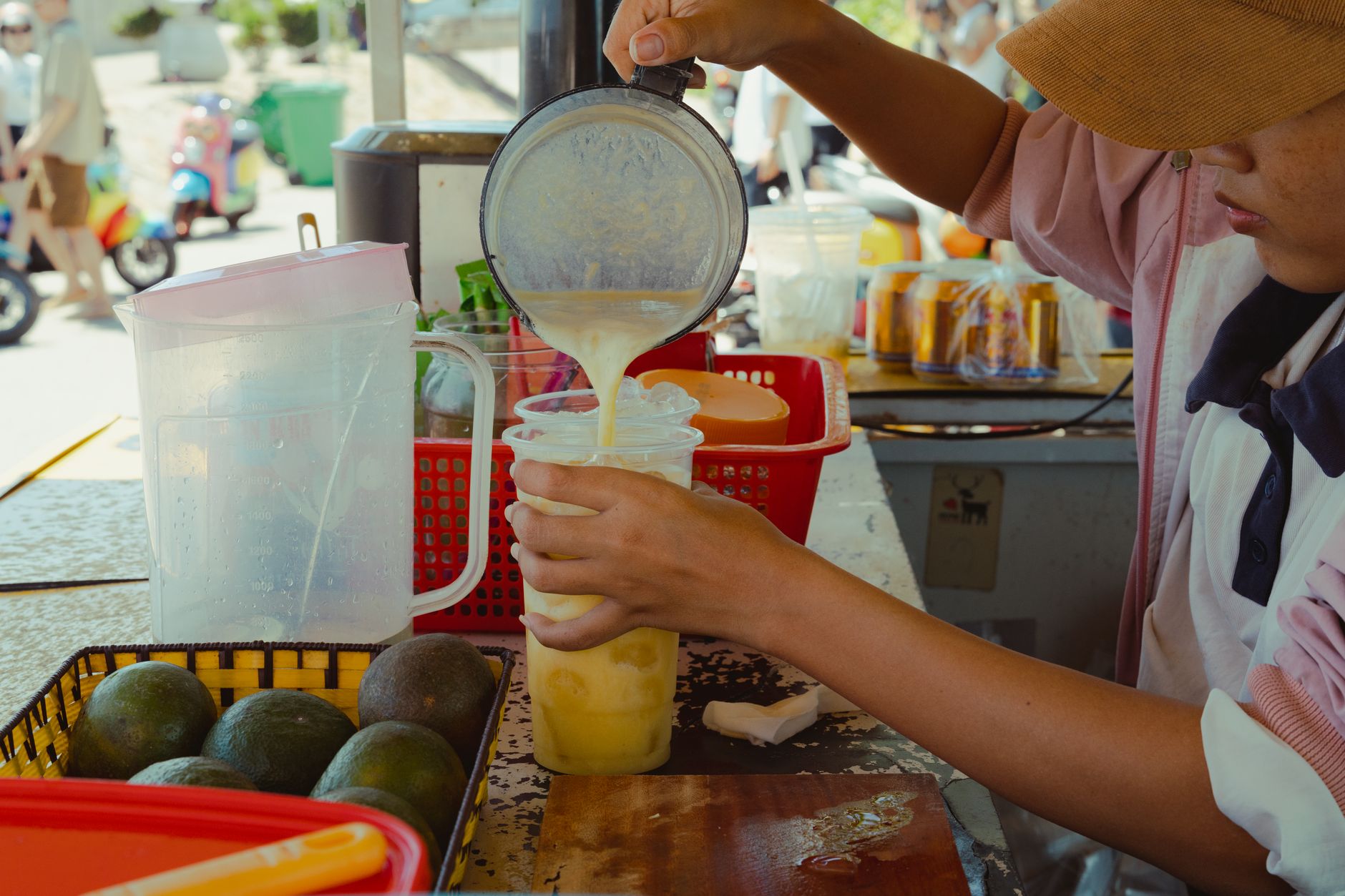
"Ruou tao meo" is the highland wine you will see everywhere in Sapa — small unlabeled bottles filled with a pale amber liquid, stacked on market stalls and propped up in restaurant windows. It is made from the fruit of the wild crabapple-rose-hip tree (Docynia indica), fermented slowly in terracotta or glass at altitude. At its best it tastes dry-ish, faintly floral, and a little tannic, somewhere between a rough cider and a light rice wine. At its worst it tastes like someone dissolved sugar into rubbing alcohol. The difference between those two outcomes usually comes down to where you buy it and how fresh the batch is.
The Sidewalk Version — Market Stalls and Corner Sellers
The cheapest and most common way to try ruou tao meo is from the small vendors clustered around Sapa (사파 / 沙坝 / サパ) Market on Cau May and the surrounding lanes. Bottles range from 25,000 to 50,000 VND for a 500ml flask, and most sellers will let you taste before you commit. Do taste before you buy — quality varies enormously even between adjacent stalls.
What you want: a bottle that looks like it has been sitting for at least a few weeks (slight sediment at the bottom is fine, even good), and a vendor who can tell you roughly where the fruit came from. H'mong and Dao sellers who produce their own small batches tend to be more consistent than the bulk resellers who repackage commercial product from Lao Cai city. If the liquid is totally clear and syrupy sweet, it has likely been adulterated with sugar or blended down — pass on it.
The honest reason to go sidewalk: it is cheap enough to buy two or three bottles and compare them. Bring a daypack and pick up a bottle before heading up toward Cat Cat Village or out to the terraced fields around Muong Hoa Valley. Drink it at room temperature or slightly chilled — do not add ice, do not mix it with anything, and definitely skip the cocktail menus at tourist bars that charge 80,000 VND to pour it over fruit juice. That is a waste of the wine and your money.
One reliable spot is the covered section of Sapa Market itself, open from around 6am to early afternoon. Come before 10am when the local producers are still present and haven't sold out of their better stock.
The Sit-Down Version — What You Actually Get
Several small restaurants on Muong Hoa Street and Thach Son Street serve ruou tao meo by the small ceramic cup or shared carafe alongside food. This format costs more — expect to pay 15,000 to 20,000 VND per cup, or around 70,000 to 90,000 VND for a 300ml shared pour — but it comes with a few advantages.
The best of these spots keep their wine in sealed ceramic jars rather than plastic, which preserves the aroma better over time. The staff also tend to know their stock — ask which batch is freshest and they will usually tell you honestly, or just pour from whichever jar is currently open.
A good pairing: order a plate of grilled black pork (thit lon cap nach) or smoked buffalo (trau gac bep) alongside a shared carafe. Both are fatty, smoky, and slightly charred — the dry acidity of a decent ruou tao meo cuts through them cleanly in a way that Vietnamese beer does not. This is the one context where the sit-down version earns its price premium.
One spot worth knowing: a small restaurant near the corner of Thach Son and Hoang Lien, run by a Dao family, has been serving the same house batch for several years. No English sign outside — look for the string of dried tao meo fruit hanging in the doorway. They open around 11am and close when the food runs out, usually by 7pm.

Photo by Thanh Long Bùi on Pexels
What to Skip
Avoid the gift-boxed versions sold near the cable car terminal and in the souvenir shops along Cau May. These are almost always mass-produced, over-sweetened, and priced at a tourist markup — 120,000 to 200,000 VND for a bottle that tastes worse than the 40,000 VND market version. The packaging is designed for luggage, not for drinking.
Also skip the cocktail menus. Ruou tao meo mixed with lemon soda or poured over crushed ice loses the thing that makes it interesting. It is not a base spirit. It is the whole drink.
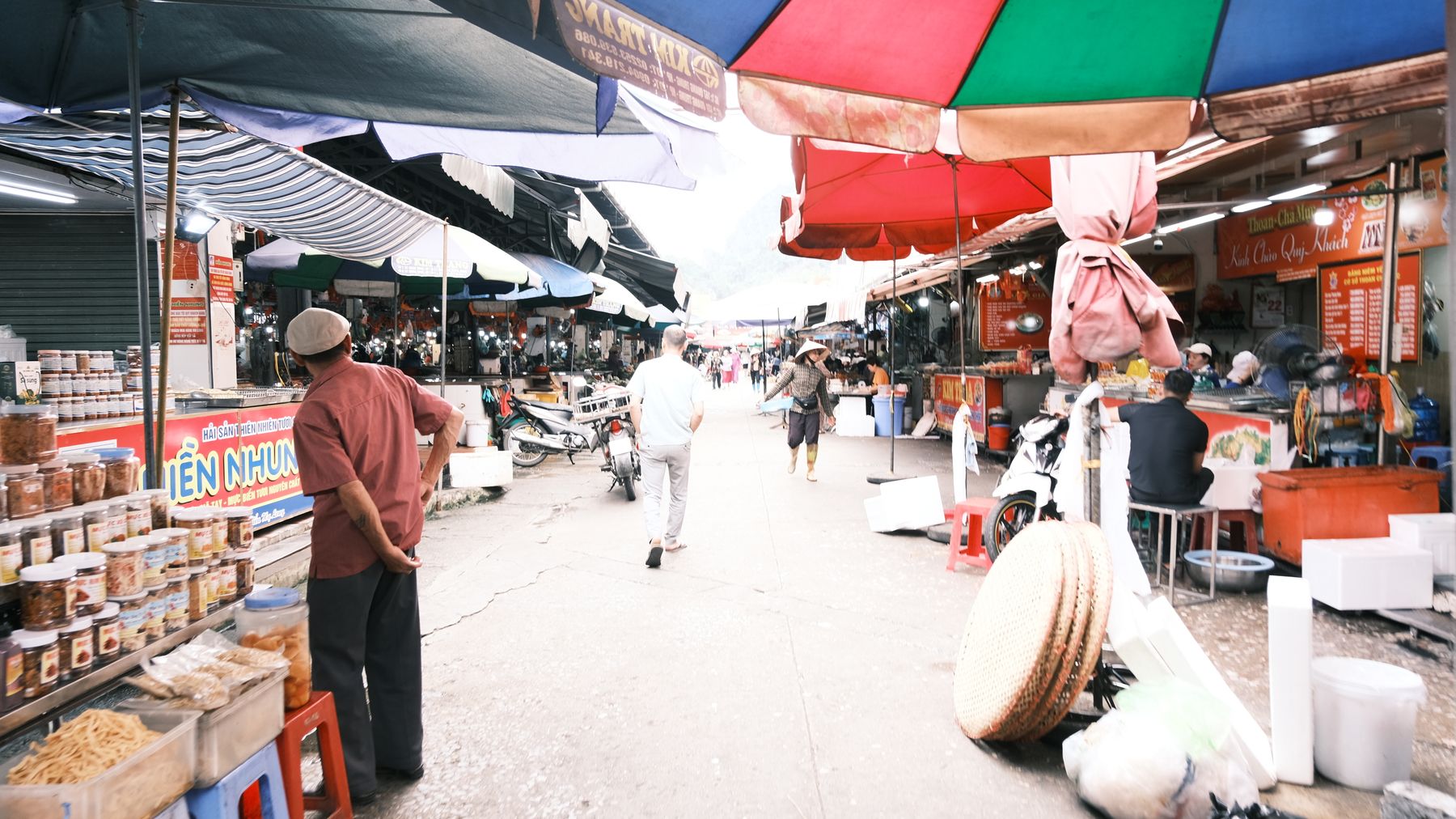
Photo by Đạt Nguyễn on Pexels
A Note on Strength
Ruou tao meo typically runs between 15% and 25% ABV depending on fermentation time and the producer's style. It is not the firewater that "ruou" sometimes implies — but two or three cups on an empty stomach at 1,500 meters above sea level will catch you off guard. Eat first.
Practical notes: Tao meo season peaks from October through January when the fruit is freshest and newly fermented batches appear. Outside of that window the wine is still available, but you are drinking last season's stock — which is fine, just older. Sapa sits about 380km from Hanoi by road; most visitors arrive via overnight train to Lao Cai then a 38km minibus transfer.
Last updated · May 26, 2026 · independently researched, never sponsored.