Day 1 — Arrival in Hanoi
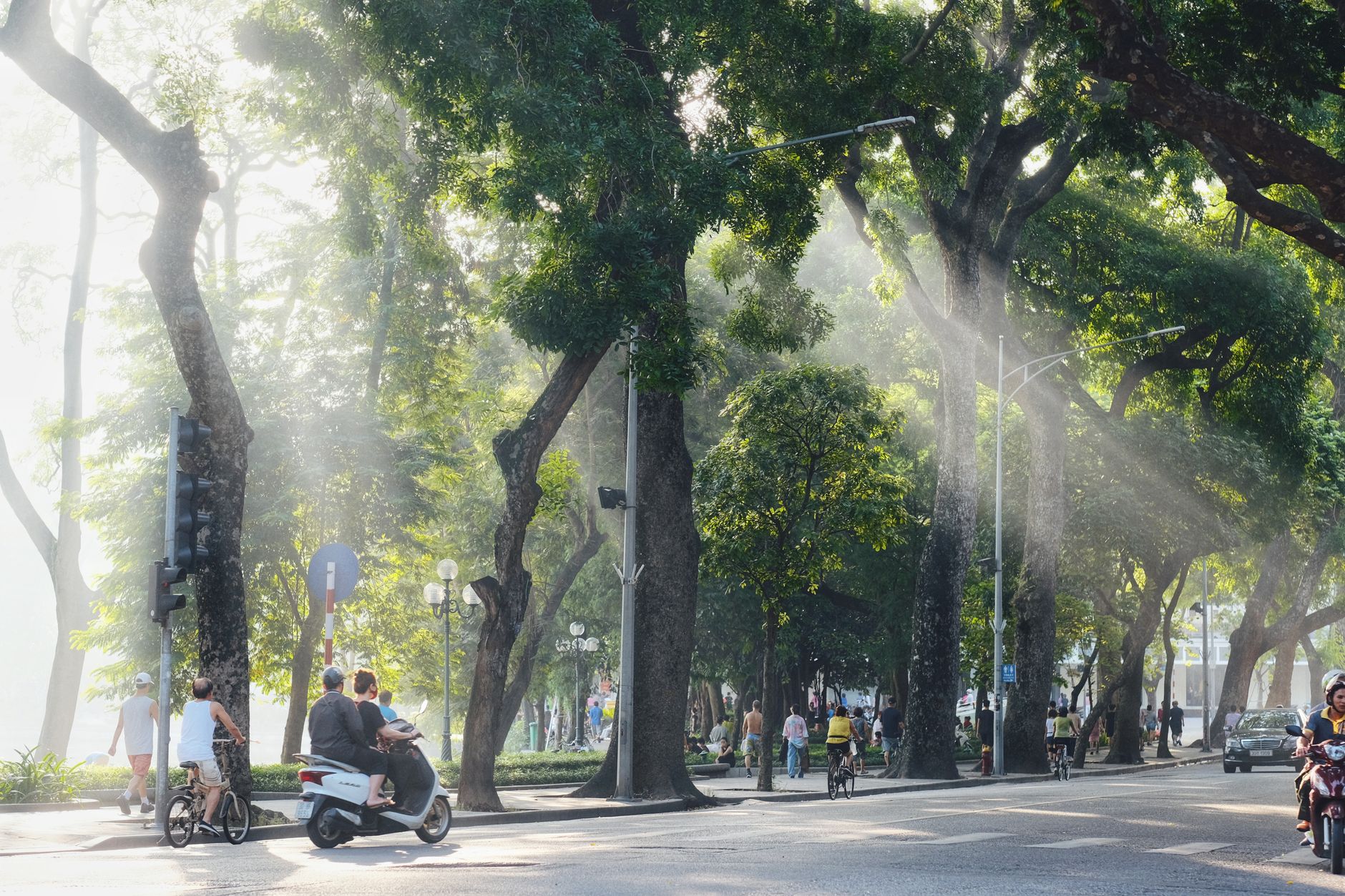
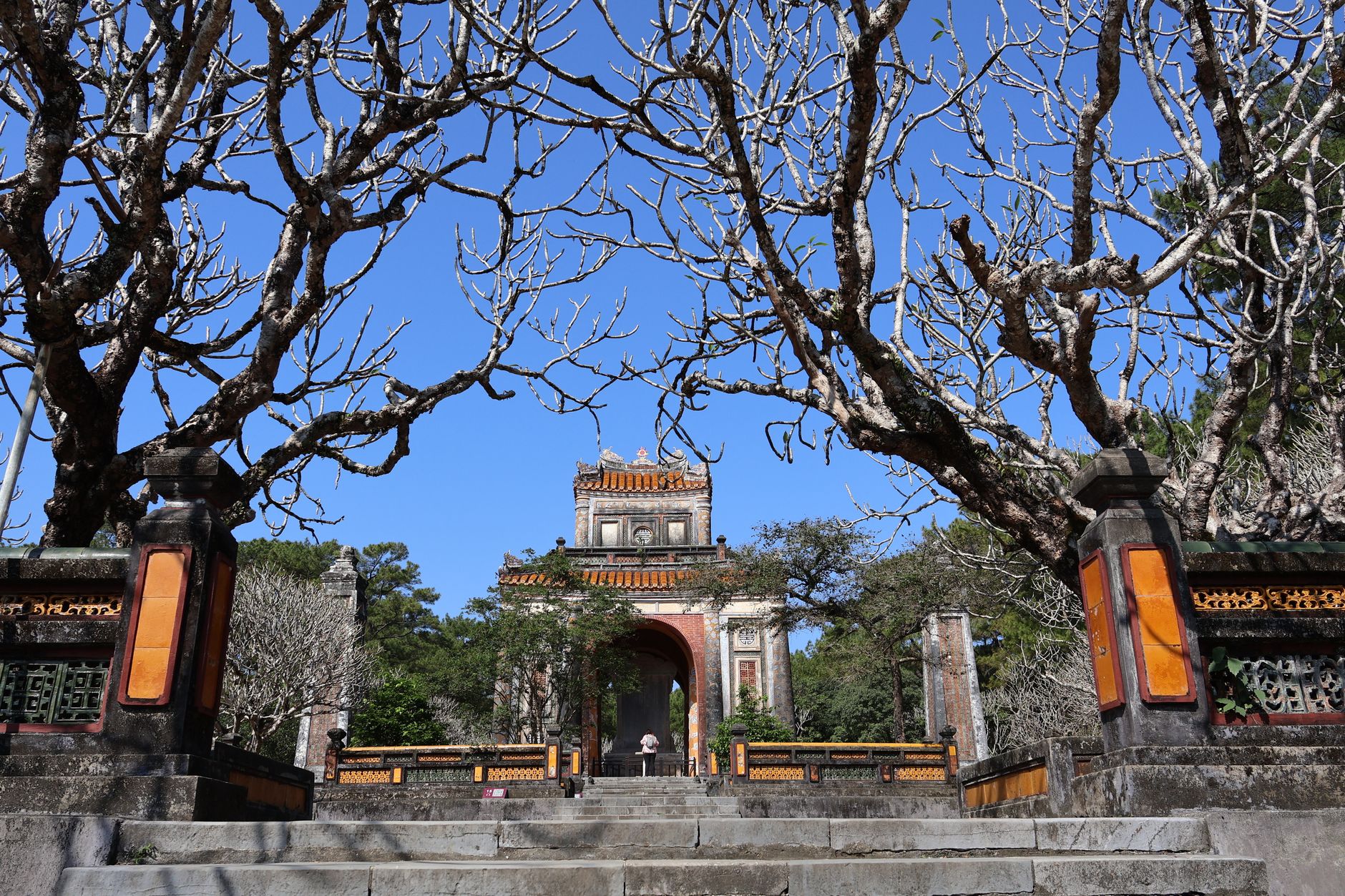
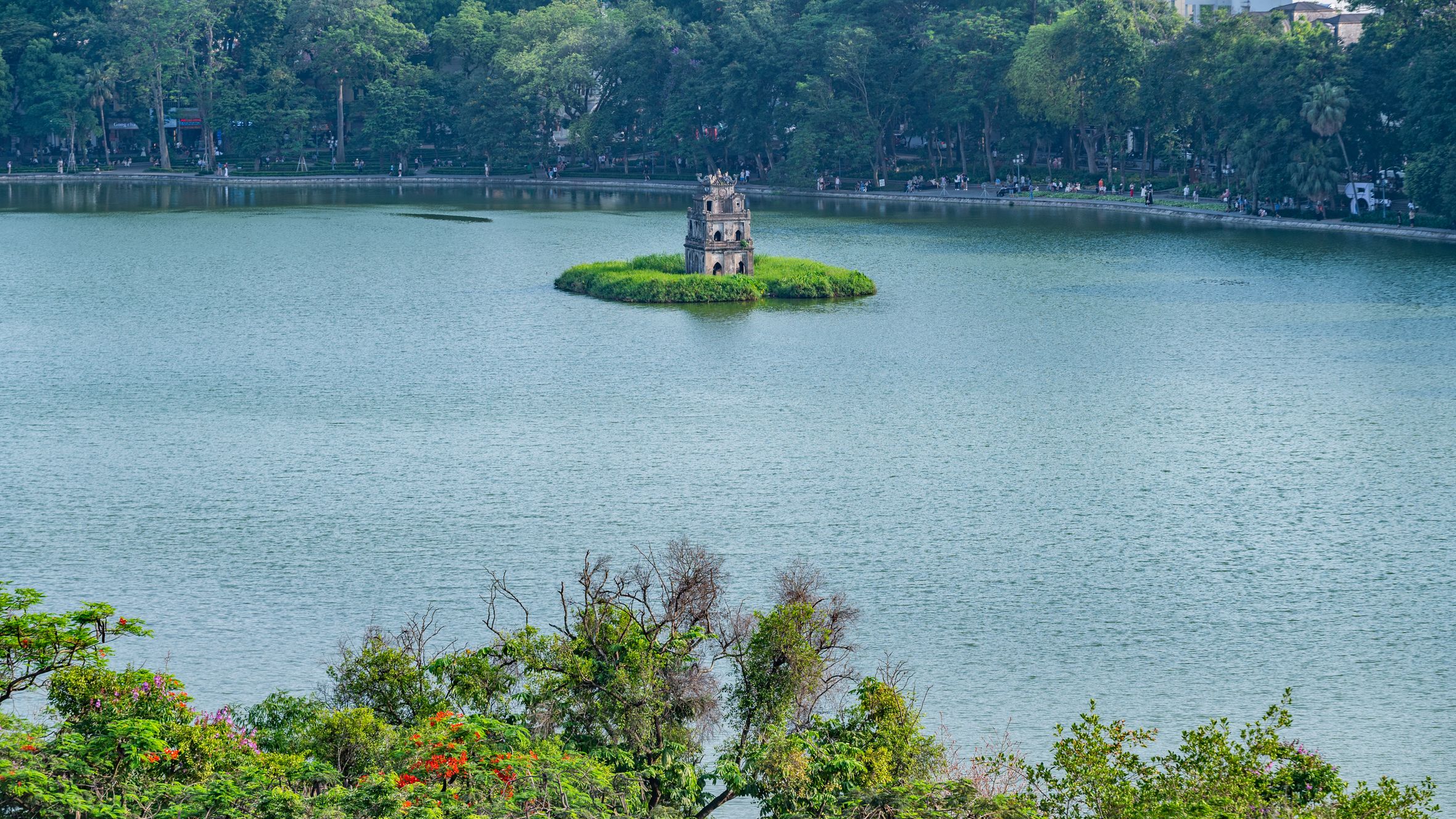
Skip the crowded hostels and base yourself near the West Lake area, where the pace is noticeably slower. Start your journey at the "Tran Quoc Pagoda", the oldest in the city, situated on a small island. While it is a popular site, arriving at 7:00 AM allows you to witness the morning chants before the tour buses arrive. Spend the afternoon at the "Temple of Literature", focusing on the courtyards rather than the main halls, to appreciate the Confucian architecture.
Day 2 — The Spirit of the Red River
Travel 15km to the village of Bat Trang. Beyond the ceramics, the village houses several small, quiet shrines tucked away in the alleyways. In the evening, return to the city center for a bowl of "bun thang", a delicate noodle soup that reflects the refined culinary history of the capital, before resting for an early departure.
Day 3 — Hoa Lu and the Ancient Capital
Head south to Ninh Binh (닌빈 / 宁平 / ニンビン). Instead of the typical boat tours, spend your time at the "Hoa Lu" Ancient Capital. The temples dedicated to the Dinh and Le dynasties are built directly into the limestone karst landscape. The atmosphere here is heavy with history, offering a somber, meditative space compared to the surrounding tourist hubs.
Day 4 — The Heights of Bai Dinh
Dedicate a full day to "Bai Dinh". It is a massive complex, but if you walk the long corridors of Arhat statues early in the morning, you can find profound silence. The scale of the architecture is meant to humble the visitor, and the view from the highest stupa provides a clear perspective of the "Tam Coc" region below.

Photo by Nguyen Ngoc Tien on Pexels
Day 5 — Moving North to the Mountains
Take a private car or local bus toward the mountains of the northwest. The journey is long, but the transition from the flat plains to the terraced hills is a meditative experience in itself. Aim for a homestay in a quiet valley near Mai Chau, where the sound of the wind through the rice paddies replaces the hum of city traffic.
Day 6 — Reflection in the Valley
Use this day for stillness. Walk the paths between the stilt houses and the surrounding hills. In the evening, participate in a local tea ceremony featuring "lotus tea". The process of brewing and the scent of the tea are central to the local culture of mindfulness.
Day 7 — The Path to Sapa
Travel toward Sapa (사파 / 沙坝 / サパ). Rather than staying in the main town, which has become quite commercial, book a stay in a village like Ta Van or Lao Chai. These areas are home to ancient stone paths and small, community-run shrines that see very few visitors.
Photo by Nguyen Ngoc Tien on Pexels
Day 8 — High Altitude Meditation
Spend the day hiking the lower slopes of the Hoang Lien Son range. Find a quiet spot overlooking the Muong Hoa Valley to practice seated meditation. The air here is thin and crisp, and the lack of digital connectivity in the deeper villages makes it easier to disconnect from the outside world.
Day 9 — Returning to the Capital
Begin the return journey to Hanoi. Use this time on the road to process the shift in landscapes. Once back in the city, visit the "One Pillar Pagoda" at dusk. It is a small site, but its singular design and the surrounding lotus pond make it an ideal place for a final, quiet reflection on your journey.
Day 10 — Departure
Before heading to the airport, enjoy a final "vietnamese coffee" at a street-side stall. Observe the rhythm of the city—the movement of people, the preparation of "banh mi" for the morning rush, and the persistence of tradition amidst the modern pace. It is the perfect way to ground yourself before leaving.
Practical notes
Dress modestly when visiting temples; ensure your shoulders and knees are covered to show respect. While many sites are free, carrying small denominations of VND for incense offerings or donations is standard practice. Always check the lunar calendar, as some temples are significantly more crowded during the full moon or specific festivals like "Tet".
Last updated · May 30, 2026 · independently researched, never sponsored.