
Tan Thanh border gate sits about 35 km north of Lang Son city, right at the edge of Vietnam (베트남 / 越南 / ベトナム) where it meets China's Guangxi province. It's not a place most foreign tourists think to visit, but it's one of the busiest trade crossings in northern Vietnam — and for travelers who like seeing how a country actually works beyond the tourist trail, it's a genuinely interesting stop.
What It Is
Cua Khau Tan Thanh is an international border gate in Van Lang district, Lang Son province. It opened for trade in the early 1990s as Vietnam normalized relations with China, and it quickly became one of the most important overland trade corridors in the north. Most of what crosses here is agricultural goods — tropical fruit heading north, Chinese manufactured goods heading south. On any given morning, you'll see hundreds of trucks lined up, porters hauling sacks of dragon fruit, and traders negotiating prices on their phones in a mix of Vietnamese and Mandarin.
The gate area includes a large trade zone and market complex on the Vietnamese side. It's not glamorous, but it has a raw, busy energy that tells you more about the Vietnamese economy than any museum could.
Why Travelers Go
Three reasons, mainly. First, the Tan Thanh trade market is one of the cheapest places in Vietnam to buy Chinese-manufactured goods — electronics, clothing, household items, fabrics. Second, the border crossing itself is a spectacle worth watching if you're interested in trade culture. Third, it's an easy day trip from Lang Son city and pairs well with a broader trip through the northeast.
Some travelers also use Tan Thanh as an overland crossing into China's Pingxiang city, though the paperwork requirements differ from the more popular Huu Nghi (Friendship Gate) crossing 20 km to the east. If you're crossing into China, double-check visa requirements well in advance — this is not a visa-on-arrival point.
Best Time to Visit
October through March is the sweet spot. The weather in Lang Son is cooler and drier during these months, which makes the outdoor market areas much more comfortable. Temperatures hover around 15-22°C, and the mountain air feels clean.
Avoid the weeks right before and after Tet — the market either shuts down entirely or becomes so packed with wholesale buyers stocking up for the holiday that it's hard to move. The summer months (June-August) bring heavy rain and humidity that makes wandering an open-air trade zone less appealing.
How to Get There from Hanoi
From Hanoi, take a bus from My Dinh or Gia Lam bus station to Lang Son city. Buses run frequently throughout the day, take about 3-3.5 hours, and cost 120,000-180,000 VND depending on the operator. Some comfortable limousine vans (Duc Phuc, Hoang Long) do the route for around 200,000 VND.
From Lang Son city, you'll need to get to Tan Thanh — about 35 km north. Options include:
- Local bus: Infrequent but cheap, around 30,000 VND. Leaves from the Lang Son bus station.
- Motorbike taxi ("xe om"): Around 150,000-200,000 VND one way. Negotiate before you go.
- Rented motorbike: If you've got your own wheels, the road (QL4A then DT235) is in decent shape. Scenic ride through limestone valleys.
If you're driving from Hanoi (하노이 / 河内 / ハノイ), the whole trip via the Hanoi-Lang Son expressway takes about 3.5-4 hours including the final stretch on provincial roads.
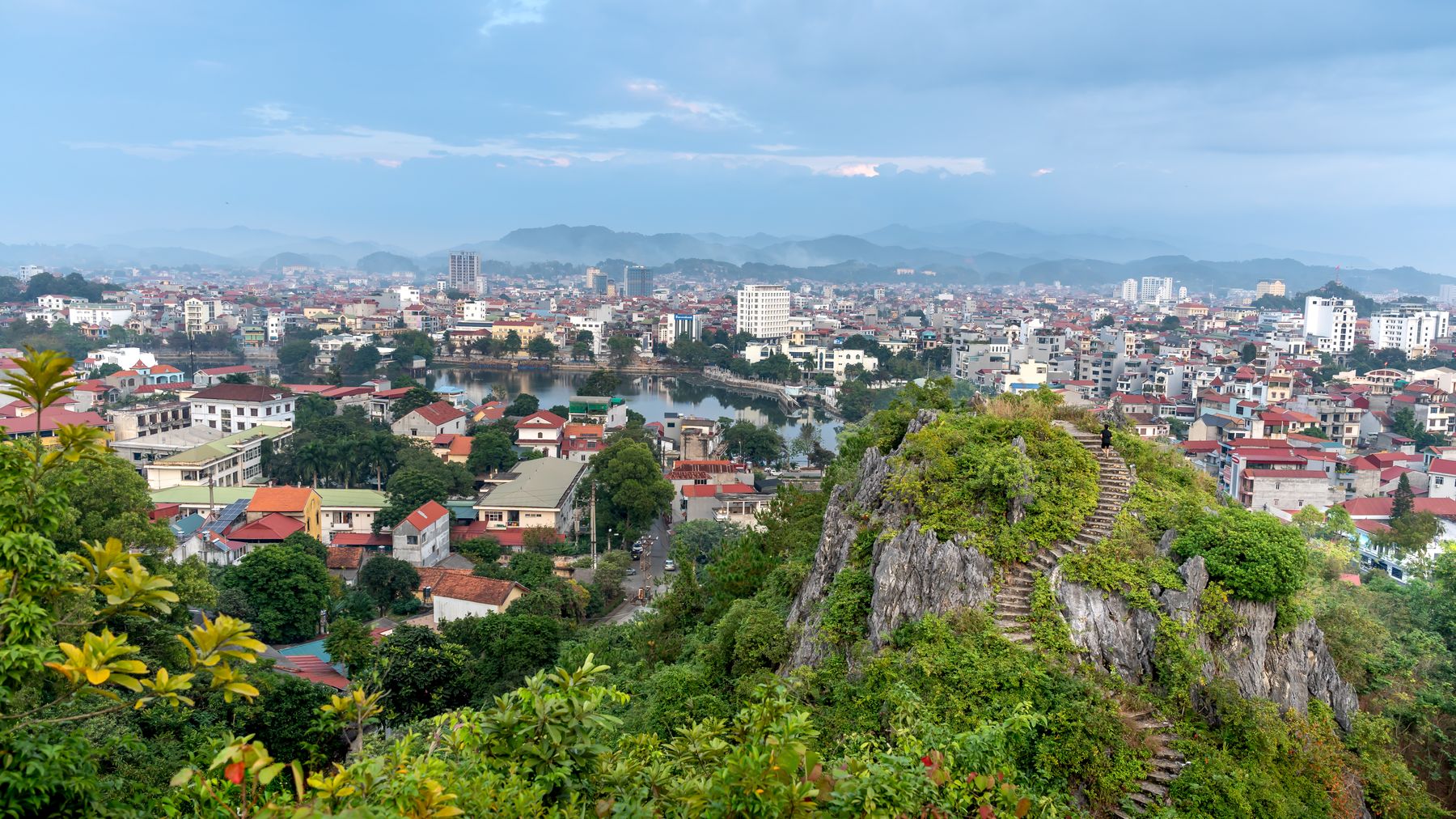
Photo by Quang Nguyen Vinh on Pexels
What to Do
Walk the Trade Market
The Tan Thanh trade zone is a sprawling complex of stalls and warehouses. Prices here are genuinely lower than in Hanoi or Saigon for Chinese-made goods — think 30-50% cheaper on things like clothing, small electronics, and kitchen equipment. Bargaining is expected. Bring cash in VND; some vendors also accept Chinese yuan.
Watch the Border in Action
The truck staging area near the actual gate is fascinating. Hundreds of vehicles queue daily, and the loading and unloading operations run with a chaotic efficiency. You can't cross into the restricted zone without authorization, but from the public areas you get a clear view of the scale of cross-border trade.
Visit Chi Lang Pass
About 20 km south of Tan Thanh on the road back to Lang Son, Chi Lang Pass is a narrow valley between limestone cliffs that has been a strategic military point for centuries. It's peaceful now — just farmland and dramatic rock faces. Worth a stop for the scenery and the history.
Explore Lang Son City
Don't skip Lang Son itself. The Ky Lua market in town is one of the oldest border trade markets in Vietnam, and the Tam Thanh Cave and Nhi Thanh Cave right at the edge of town are easy walks with interesting local pagodas inside.
Try the Local Food Scene
Lang Son province has its own distinct food culture — more on that below.
Where to Eat Nearby
At the Tan Thanh gate area itself, food options are basic — rice stalls and noodle shops catering to truck drivers and traders. Honest food, nothing fancy, and very cheap (a full meal for 35,000-50,000 VND).
The real eating happens back in Lang Son city. Two dishes you should not miss:
- "Pho chua" (sour pho): Lang Son's signature dish. Cold rice noodles with pork, crispy shallots, peanuts, and a tangy broth. Nothing like the "pho" you know from Hanoi — it's more like a noodle salad. Look for it at the stalls around Ky Lua market.
- Roast duck: Lang Son is famous across the north for its roast duck, often served with vermicelli and a sour dipping sauce. Le Loi street has several dedicated duck restaurants; expect to pay about 120,000-180,000 VND per portion.
If you're a fan of "banh cuon", the Lang Son version comes stuffed with minced pork and wood ear mushroom, served with a clear dipping broth instead of the usual fish sauce.
Where to Stay
There's no reason to stay at Tan Thanh itself — accommodation is limited to basic guesthouses for traders. Base yourself in Lang Son city instead.
- Budget: Nha nghi (guesthouses) around the bus station area run 200,000-350,000 VND per night. Clean enough, don't expect frills.
- Mid-range: Muong Thanh Lang Son or Ky Hoa Hotel offer proper hotel rooms with breakfast for 500,000-800,000 VND.
- Best value: The newer mini-hotels on Tran Dang Ninh street hit a good balance — around 400,000-500,000 VND for air-conditioned rooms with hot water and Wi-Fi.
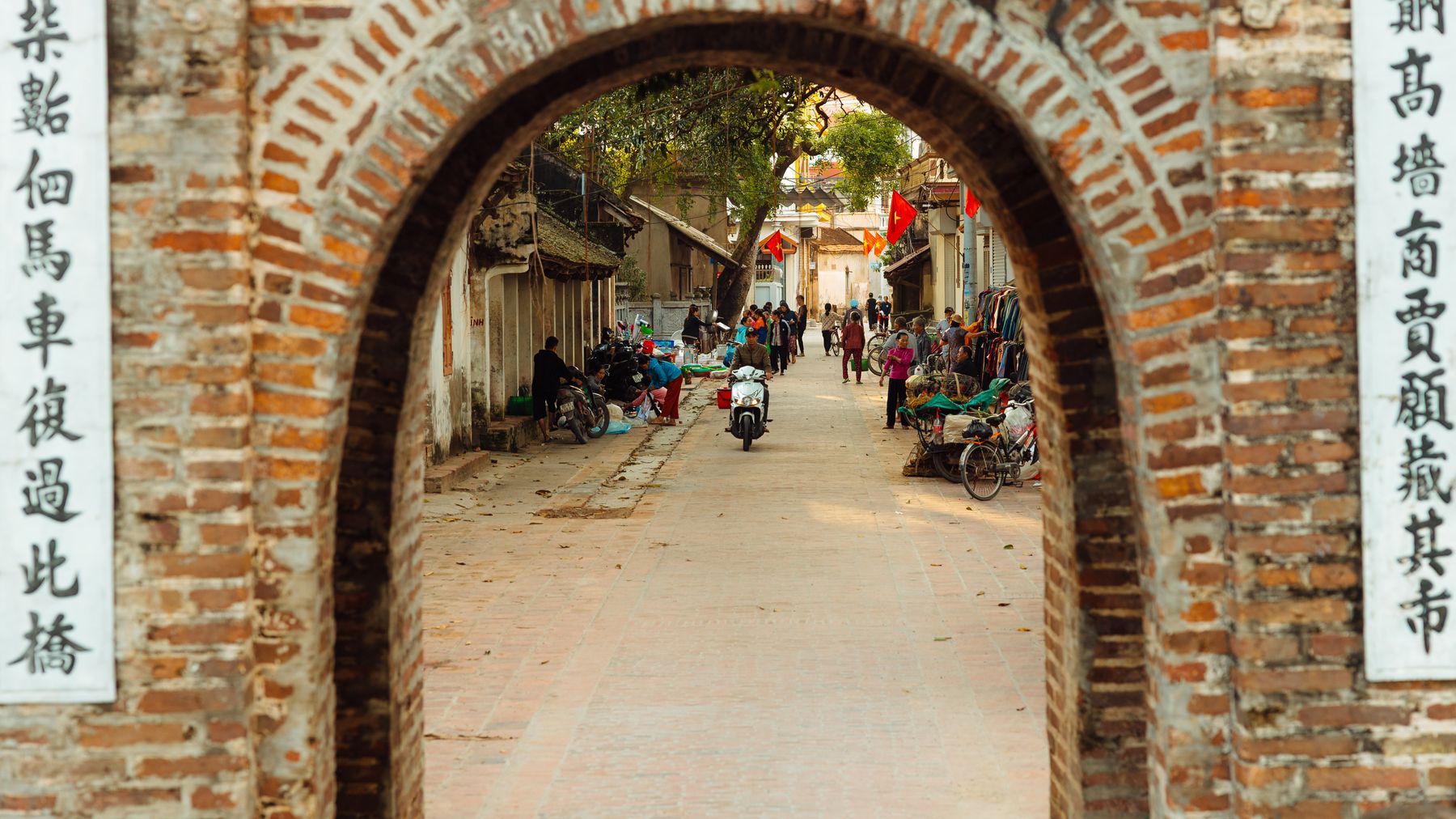
Photo by HONG SON on Pexels
Practical Tips
- Bring your passport even if you're not crossing the border. There are occasional checkpoints on the road to Tan Thanh, and foreigners may be asked for ID.
- The market is busiest and most interesting in the morning, roughly 7:00-11:00. By mid-afternoon, many stalls start closing.
- Phone signal is fine — you might even pick up Chinese cell towers near the gate, so watch your roaming charges.
- ATMs are available in Lang Son city but not at Tan Thanh. Bring enough cash.
Common Mistakes to Avoid
- Assuming you can cross into China casually. You need a valid Chinese visa. This is not a special economic zone with relaxed entry.
- Buying electronics without testing them. Some goods at the trade market are factory seconds or have minor defects. Check everything before you pay.
- Going on a Monday. The market runs lighter on Mondays; weekends and mid-week are busier and have better selection.
- Skipping Lang Son city. Tan Thanh alone isn't worth a dedicated trip. Combine it with a night or two in Lang Son, explore the caves and markets, and eat your way through the local specialties.
Practical Notes
Tan Thanh works best as part of a longer northeast Vietnam loop — combine it with Lang Son, then continue to Ha Giang or Cao Bang for the mountain scenery. If you're based in Hanoi, a two-day trip covering Lang Son city and Tan Thanh is the minimum to make the journey worthwhile.
Last updated · May 26, 2026 · independently researched, never sponsored.






