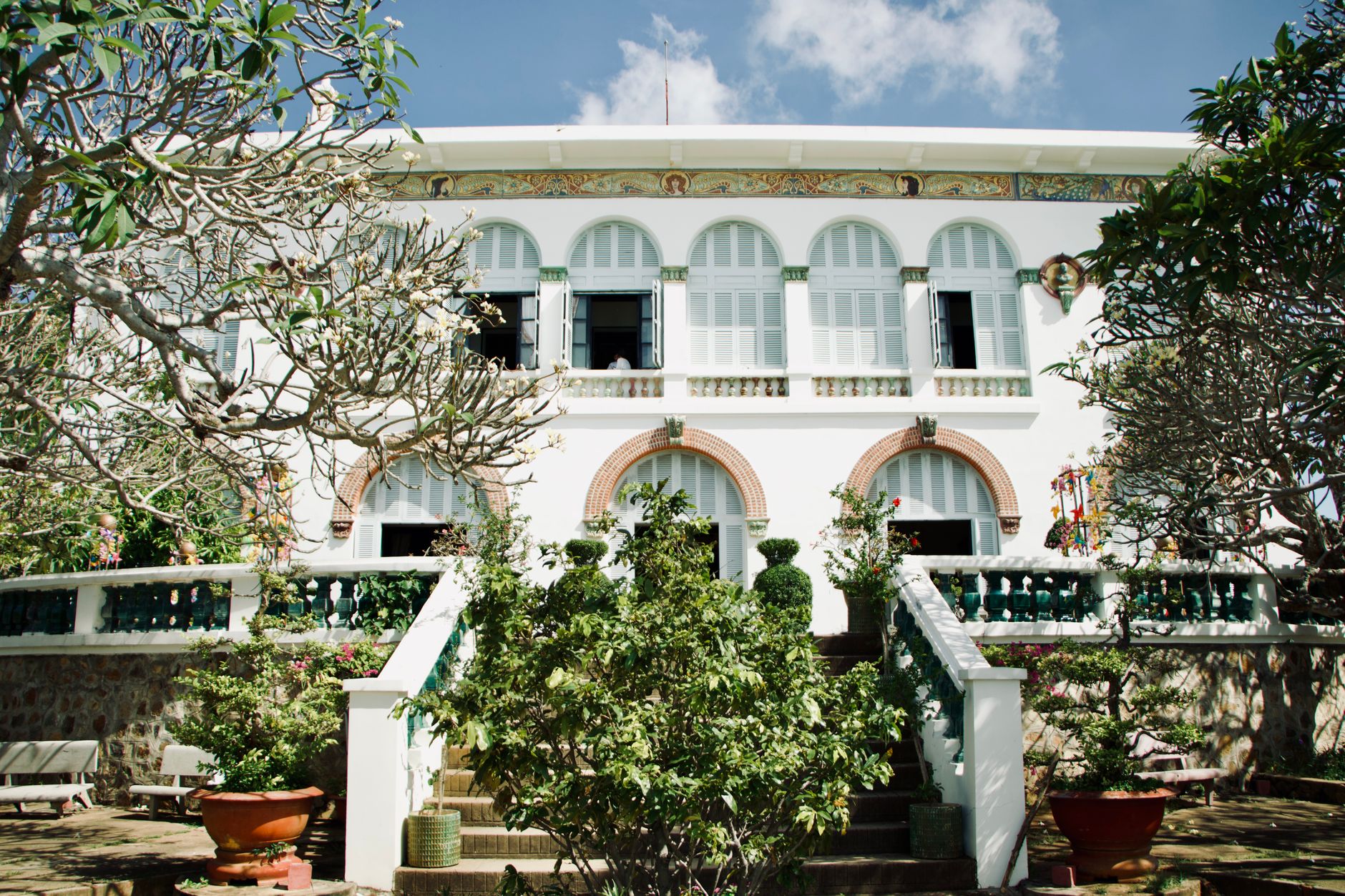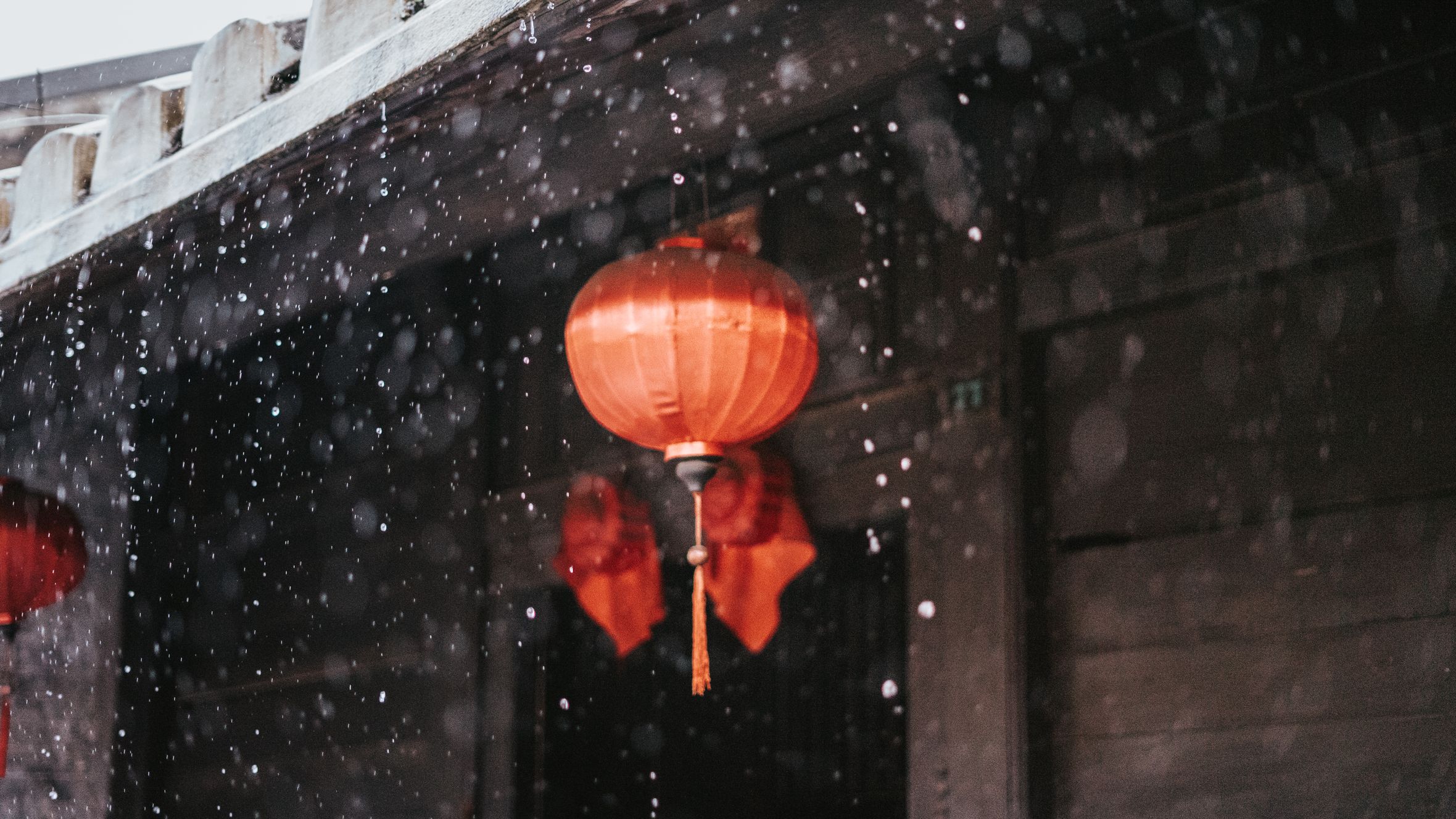
Tan Ky Old House sits at 101 Nguyen Thai Hoc Street in the heart of Hoi An's old town, and it's one of the few heritage homes where you can actually walk inside and see how a prosperous Vietnamese-Chinese-Japanese trading family lived two centuries ago. It's not a museum in the usual sense — it's a lived-in house, still owned by descendants of the original family, and that's what makes it worth your time.
What It Is and Why It Matters
Built around 1741, Tan Ky is a two-storey timber merchant house that blends Vietnamese, Chinese, and Japanese architectural styles — a direct reflection of Hoi An (호이안 / 会安 / ホイアン)'s history as a Southeast Asian trading port. The wooden frame uses Japanese joinery techniques. The roof tiles and carved panels draw from Chinese decorative traditions. The layout follows Vietnamese feng shui principles. Seven generations of the same family have lived here.
The house survived floods, wars, and centuries of monsoon seasons. You can still see the high-water marks etched into the interior columns from past flooding — some reaching well above head height. It was one of the first structures in Hoi An recognized by UNESCO when the old town received World Heritage status in 1999.
Why Travelers Go
Tan Ky isn't the biggest or flashiest attraction in Hoi An, but it gives you something the Japanese Covered Bridge and the assembly halls don't: an intimate look at domestic life in a historic trading town. A family member typically guides you through the house, pointing out details you'd miss on your own — the crab-shaped support brackets under the balcony (a symbol of commerce), the poetry inlaid in mother-of-pearl on the walls, the way the courtyard channels light and ventilation through the narrow shophouse.
It's also included in the Hoi An Old Town ticket (125,000 VND as of early 2025), which covers entry to five heritage sites. So there's no reason to skip it.
Best Time to Visit
Hoi An's dry season runs from February through August. March to May is the sweet spot — warm but not yet at peak summer heat, and tourist crowds are lighter than June-August. Mornings before 10 AM are best for Tan Ky specifically, because tour groups tend to arrive mid-morning and the small interior gets crowded fast.
Avoid October-November if you can. That's peak flooding season, and while the house has survived centuries of it, the surrounding streets can be ankle-deep in water during bad weeks.
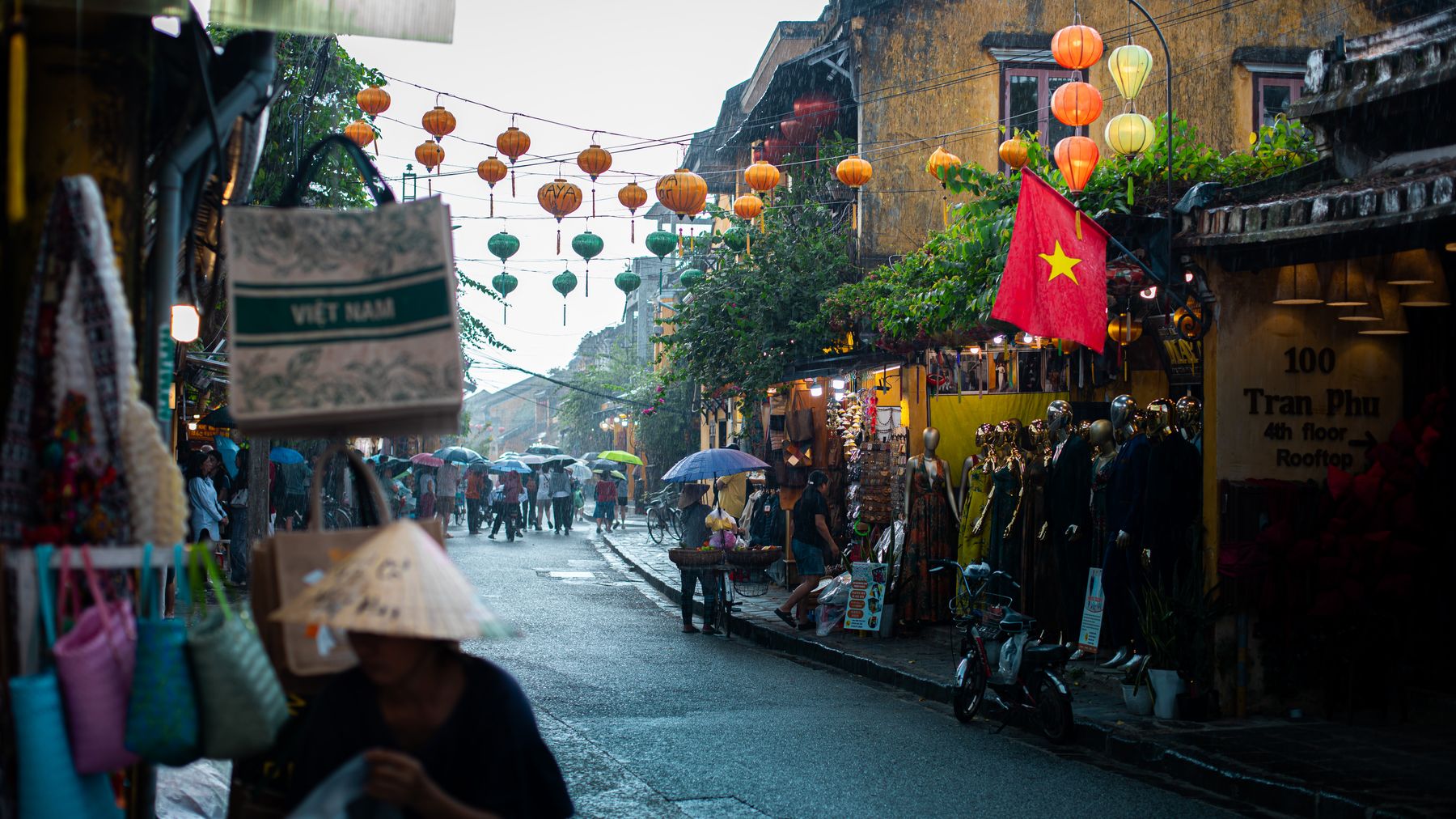
Photo by Sachith Ravishka Kodikara on Pexels
How to Get There from Da Nang
Da Nang is the nearest major city, about 30 km northeast. You have a few options:
- Grab/taxi: 250,000-350,000 VND one way, roughly 40 minutes depending on traffic. The most convenient option.
- Motorbike: Rent one in Da Nang (다낭 / 岘港 / ダナン) for 120,000-150,000 VND per day and ride down the coastal road past the Marble Mountains. It's a straightforward route and one of the more scenic short drives in central Vietnam.
- Local bus: Yellow bus #1 runs from Da Nang bus station to Hoi An for 20,000 VND. Takes about 75 minutes. Drops you at Hoi An bus station, then it's a 10-minute walk into the old town.
Once in Hoi An, Tan Ky is on the main east-west street of the old quarter. No vehicles allowed in the pedestrian zone after 8 AM, so you'll walk the last stretch regardless.
What to Do at Tan Ky
Walk the Interior with the Family Guide
Don't rush through. The family member on duty will walk you through the main hall, the courtyard, and the upper floor. Ask about the flood marks on the columns — they'll tell you stories about specific years when the Thu Bon River swallowed the ground floor.
Study the Architectural Details
Look up. The ceiling joinery is the most interesting part of the house. The interlocking wooden beams use no nails — a Japanese construction method. The carved transoms above doorways depict grapes, flowers, and birds, each with symbolic meaning tied to prosperity and longevity.
Read the Poetry Panels
On the walls of the main hall, you'll find Chinese poetry characters inlaid with mother-of-pearl and colored glass. Even if you can't read the characters, the craftsmanship is worth examining up close. The guide can translate.
Compare It to Other Old Town Houses
Your Hoi An ticket lets you enter several heritage homes. After Tan Ky, walk a few blocks to Phung Hung Old House at 4 Nguyen Thi Minh Khai — it's slightly larger and has a different atmosphere. Seeing both gives you a better sense of the range of merchant architecture here.
Sit in the Courtyard
The central courtyard is designed to bring in light and air while keeping rain off the living spaces. On a quiet morning, it's one of the more peaceful spots in the old town. Take a minute.
Where to Eat Nearby
Nguyen Thai Hoc and the surrounding streets have no shortage of food. Two things worth seeking out:
"Cao lau" is Hoi An's signature noodle dish — thick rice noodles with pork, herbs, and crispy croutons in a small amount of broth. Com Ba at 94 Nguyen Thai Hoc, almost next door to Tan Ky, does a solid version for around 40,000-50,000 VND.
For "banh mi", the famous Banh Mi Phuong at 2B Phan Chau Trinh is a 5-minute walk. Expect a line, but it moves fast. A sandwich runs 25,000-35,000 VND depending on fillings.
If you want something more substantial, "mi quang" — turmeric-tinted noodles with pork or shrimp — is the other regional staple. Vendors along Tran Phu Street serve reliable bowls.

Photo by Quang Nguyen Vinh on Pexels
Where to Stay
Most travelers base themselves in Hoi An rather than commuting from Da Nang daily.
- Budget: Homestays and hostels in the An Hoi side of the river start around 200,000-400,000 VND per night.
- Mid-range: Boutique hotels along Hai Ba Trung or Le Loi streets run 800,000-1,500,000 VND. Many include breakfast and bicycle rental.
- High-end: Beachside resorts between Hoi An and Da Nang (An Bang Beach area) start around 2,500,000 VND and go up from there.
Practical Tips
- Buy your Hoi An Old Town ticket before entering the pedestrian zone. Ticket booths are at several entry points along Bach Dang and Nguyen Thai Hoc. The 125,000 VND pass includes five site visits — plan which ones you want.
- Tan Ky closes around 5 PM most days. Don't leave it for the end of the day.
- Photography is allowed inside, but flash bothers the family and damages the old wood. Use natural light.
- The house is small. If a tour group is inside when you arrive, wait five minutes and come back — you'll have a much better experience.
Common Mistakes to Avoid
- Skipping the guide. Some visitors walk in, snap a photo, and leave in three minutes. The family guide is free and adds context you won't get from a plaque.
- Visiting only Tan Ky. The old town ticket covers five entries. Pair it with the Fujian Assembly Hall and the Japanese Covered Bridge at minimum.
- Coming midday in summer. The house has no air conditioning. At 1 PM in July, the interior is hot and the streets outside are worse. Morning visits are significantly more comfortable.
- Forgetting cash. The ticket booths take cash only. ATMs are available on Tran Hung Dao Street, a short walk from the old quarter.
Last updated · May 26, 2026 · independently researched, never sponsored.