Tay Ninh sits about 100 km northwest of Saigon, close enough for a day trip but distinct enough to feel like a different food world. The city is home to the Cao Dai Holy See — the ornate headquarters of the Cao Dai religion, which counts roughly three million followers across southern Vietnam (베트남 / 越南 / ベトナム) — and that religious identity has shaped a vegetarian cooking tradition that's genuinely worth the drive.
Why Cao Dai and Vegetarian Food Are Inseparable
"Cao Dai" adherents observe mandatory vegetarian days — at minimum ten days per month, and for ordained clergy, a permanent plant-based diet. That's not a fringe practice. It's embedded in daily life across Tay Ninh, which means the demand for good vegetarian food here is constant, not occasional. The result is a dense ecosystem of "com chay" (vegetarian rice) restaurants, street stalls, and temple canteens that have been refining their menus for generations.
Visitors eating at these spots aren't just doing temple tourism. The food is genuinely good on its own terms — not the sad buffet of boiled vegetables you might dread, but dishes with real technique: braised mock-meat tofu, caramelized mushroom claypots, herb-heavy soups built from long-simmered vegetable stocks.
What to Eat in Tay Ninh
Banh Trang Phoi Suong — The One Dish You Came For
"Banh trang phoi suong" translates roughly as rice paper dried in the dew — thin sheets of rice paper left outside overnight to absorb moisture from the air, giving them a soft, pliable texture that's entirely different from the brittle dried sheets used elsewhere. Tay Ninh produces the most celebrated version in Vietnam; the local microclimate and traditional sun-drying method matter in ways that are hard to replicate industrially.
You eat it wrapped around grilled pork, fresh herbs, green banana, and star fruit, dipped into a peanut-pork liver sauce. The vegetarian version — common at any com chay restaurant — swaps the pork for marinated tofu or mushroom, and the sauce gets a tamarind-peanut base that's honestly just as satisfying. A portion runs 30,000–50,000 VND at most street stalls near the Cao Dai temple complex.
Com Chay at the Temple Canteen
The canteen inside the Cao Dai Holy See grounds serves free vegetarian meals to pilgrims on major observance days. If you're not a pilgrim, you're welcome to eat at the surrounding restaurants that cater to the same crowd. A full "com chay" plate — rice, two or three braised vegetable dishes, soup — costs 25,000–40,000 VND and is genuinely filling. Don't expect anything flashy. The cooking is honest and restrained, which is kind of the point.
Banh Canh Tay Ninh
The local take on "banh canh" — thick rice-flour noodles in broth — skews toward a lighter, clearer stock compared to the richer versions you find in Saigon (사이공 / 西贡 / サイゴン). Tay Ninh-style tends toward a pork-bone or crab broth, but vegetarian versions using mushroom and tofu are easy to find and cost around 35,000–45,000 VND per bowl. The noodles themselves are slightly chewier than the mass-produced kind — a regional texture worth noticing.
Che and Snacks Around the Market
Tay Ninh's central market area is good for grazing. "Che" stalls (sweet dessert soups) are everywhere — "che ba mau" (three-color bean dessert) and "che troi nuoc" (glutinous rice dumplings in ginger syrup) are both naturally vegan and cheap, around 15,000–20,000 VND per cup. You'll also find stalls selling Tay Ninh-produced dried banh trang with sesame and spring onion — a good snack for the drive back.

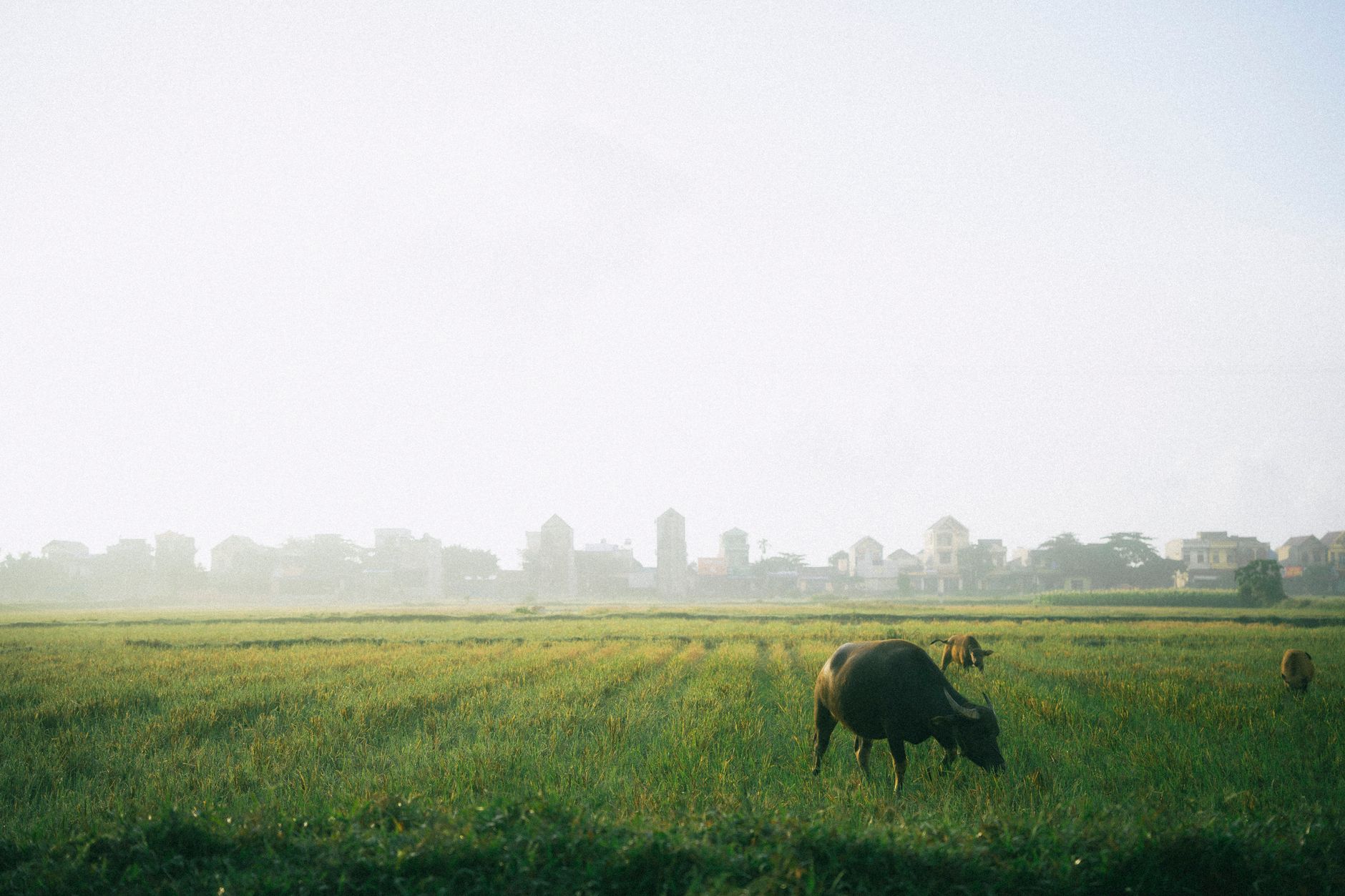
Photo by Quang Nguyen Vinh on Pexels
Eating Around the Cao Dai Temple
The Holy See complex is about 4 km east of Tay Ninh town center on National Highway 22B. Most of the food action clusters within a 500-meter radius of the main gate. Mornings before the 6 a.m. and noon ceremonies are the best time to eat — stalls are freshest and the area has a calm, purposeful energy. Afternoon crowds shift, and some smaller stalls pack up by 2 p.m.
A handful of restaurants on Hoang Lo street (running parallel to the temple's northern wall) specialize in full vegetarian menus year-round, not just on observance days. These are your best bet if you're arriving outside of ceremony hours.

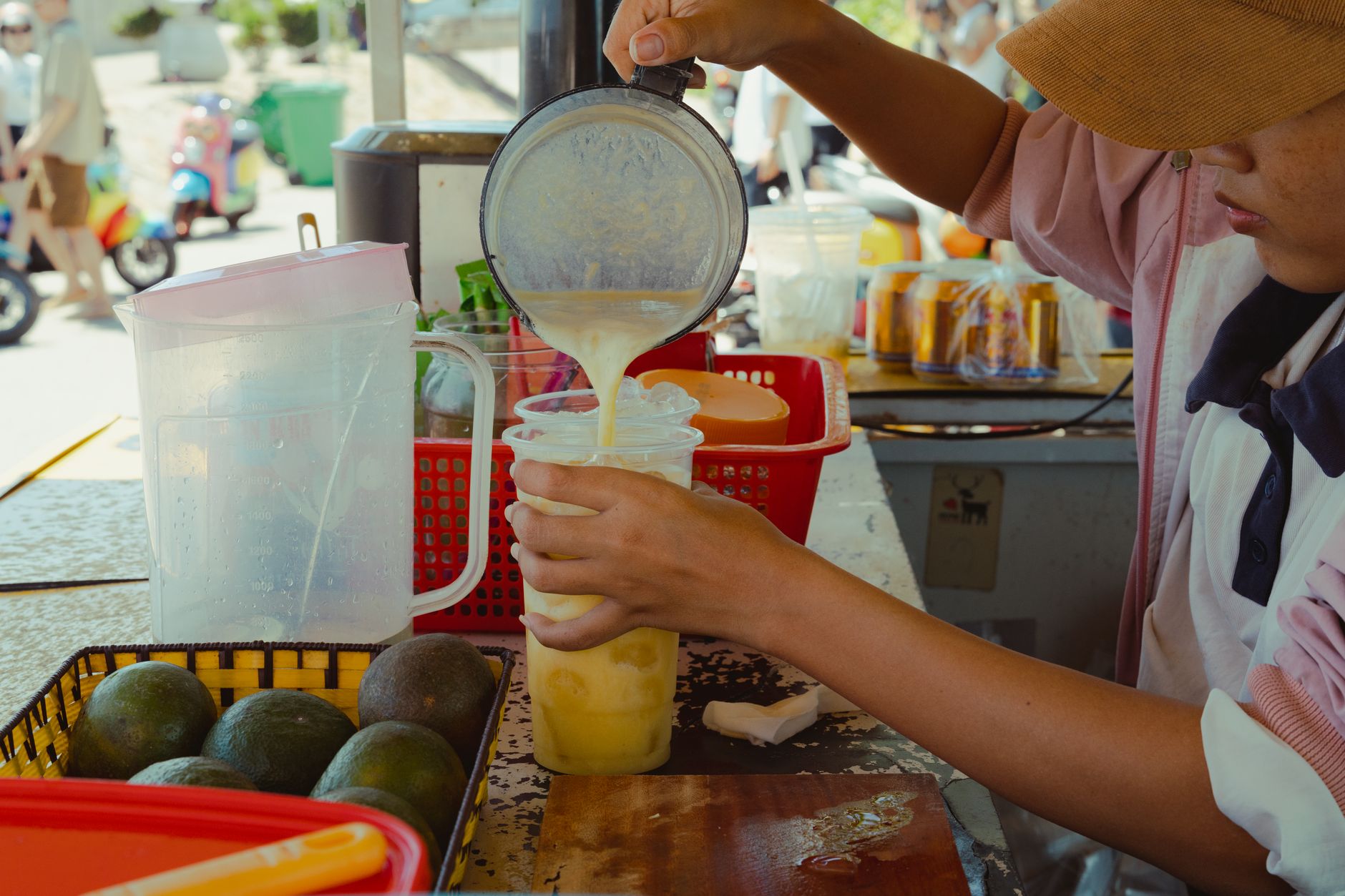
Photo by Nguyen Truong Khang on Pexels
Getting There From Saigon
The fastest option is a private car or motorbike hire — 95–100 km via Highway 22, about 2 hours depending on traffic through Cu Chi. Public buses from Saigon's Mien Tay station run to Tay Ninh town for around 70,000–90,000 VND and take 2–2.5 hours. Renting a motorbike in Tay Ninh town and riding to the temple yourself takes about 15 minutes and costs nothing but time.
Tay Ninh pairs naturally with a stop at Cu Chi Tunnels on the way back — the two sites sit roughly along the same northwest corridor out of Saigon.
Practical Notes
Most com chay restaurants in Tay Ninh are cash only; bring small bills. The Cao Dai Holy See has four daily ceremonies (6 a.m., noon, 6 p.m., midnight) — visitors are welcome to observe from the upper gallery, and the noon ceremony draws the largest crowds. If you're planning a day trip primarily for the food, aim to arrive before 11 a.m. to eat, watch the noon ceremony, then explore before heading back.
Last updated · May 26, 2026 · independently researched, never sponsored.