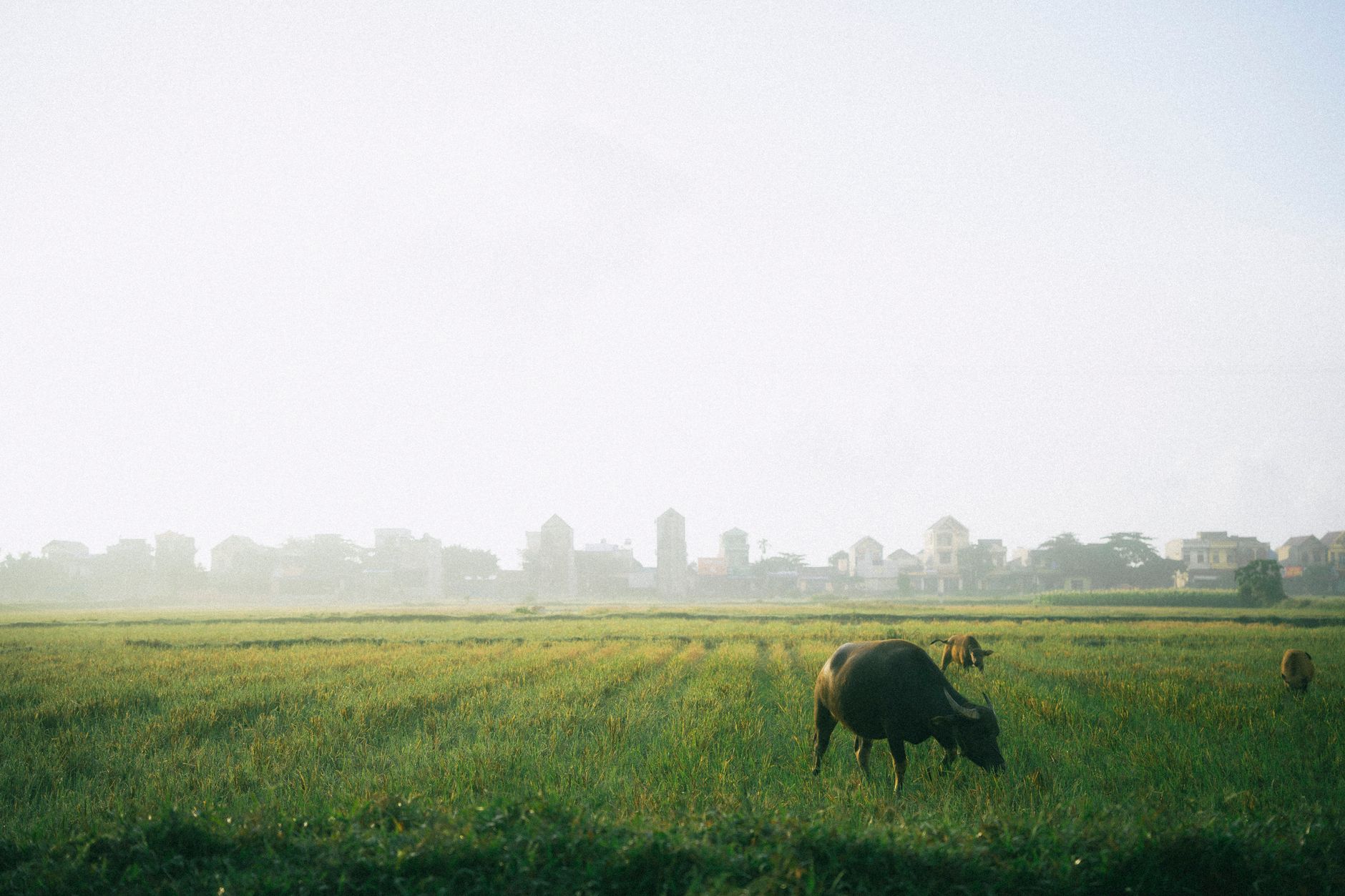
Lang Sen is one of Vietnam (베트남 / 越南 / ベトナム)'s least-visited Ramsar sites, a 5,030-hectare wetland reserve in Tan Hung district, Long An province. It sits at the edge of the Dong Thap Muoi (Plain of Reeds), about 150 km northwest of Saigon, and gets a fraction of the tourists that places like Tram Chim or Phu Quoc attract. If you're the kind of traveler who'd rather watch a painted stork hunt frogs at dawn than queue for a cable car, this is your place.
What it is
Lang Sen was designated a Ramsar Wetland of International Importance in 2015. The reserve protects a mix of seasonally flooded grasslands, melaleuca forests, and lotus marshes that form part of the larger Mekong Delta (메콩 델타 / 湄公河三角洲 / メコンデルタ) floodplain system. It's home to over 150 bird species, including sarus cranes, oriental darters, and Asian openbills, plus mammals like fishing cats and smooth-coated otters — though you'll need patience and luck for those.
The area has been managed as a nature reserve since 2004, but the Ramsar listing put it on the conservation map. For most of its existence, Lang Sen has been a working landscape — local communities still fish and harvest lotus around the buffer zones, which gives it a lived-in quality that manicured parks lack.
Why travelers go
Three reasons, mostly. First, the birds. Lang Sen is one of the better birding sites in southern Vietnam, especially during the wet season when wading birds concentrate around shrinking pools. Second, the lotus fields. From June through September, the marshes turn pink with blooming lotus — kilometres of it, not a decorative pond. Third, the quiet. You're unlikely to see another foreign visitor here. This is deep delta Vietnam, and the pace reflects that.
Best time to visit
The wet season — June through October — is when Lang Sen is most alive. Water levels rise, the lotus blooms peak around July and August, and migratory birds start arriving from September onward. The landscape transforms from brown scrubland to a green-and-pink waterworld.
If birding is your priority, September to December is strongest. Sarus cranes typically show up in small numbers between October and March. The dry season (January–April) is less photogenic — the marshes shrink, the vegetation goes dormant — but it's easier to walk trails and spot mammals.
Avoid the hottest weeks of April if you overheat easily. There's almost no shade on the reserve's open marshland, and midday temperatures regularly pass 35°C.
How to get there
From Saigon, you have a few options.
By motorbike or car: Take National Highway 1A west toward Tan An (Long An's capital, about 50 km / 1 hour), then follow Provincial Road 49 and local roads northwest through Moc Hoa to Tan Hung district. Total distance is roughly 150 km, taking 3–3.5 hours by motorbike depending on traffic getting out of Saigon. The roads are flat and decent once you're past the city.
By bus + xe om: Catch a bus from Saigon's Mien Tay bus station to Moc Hoa town (around 80,000–100,000 VND, 3 hours). From Moc Hoa, hire a local xe om (motorbike taxi) for the remaining 30 km to the reserve entrance — negotiate around 150,000–200,000 VND for the ride.
There's no direct tourist shuttle. If you don't ride a motorbike, booking a private car from Saigon through a local travel agency runs about 1,500,000–2,000,000 VND round trip.
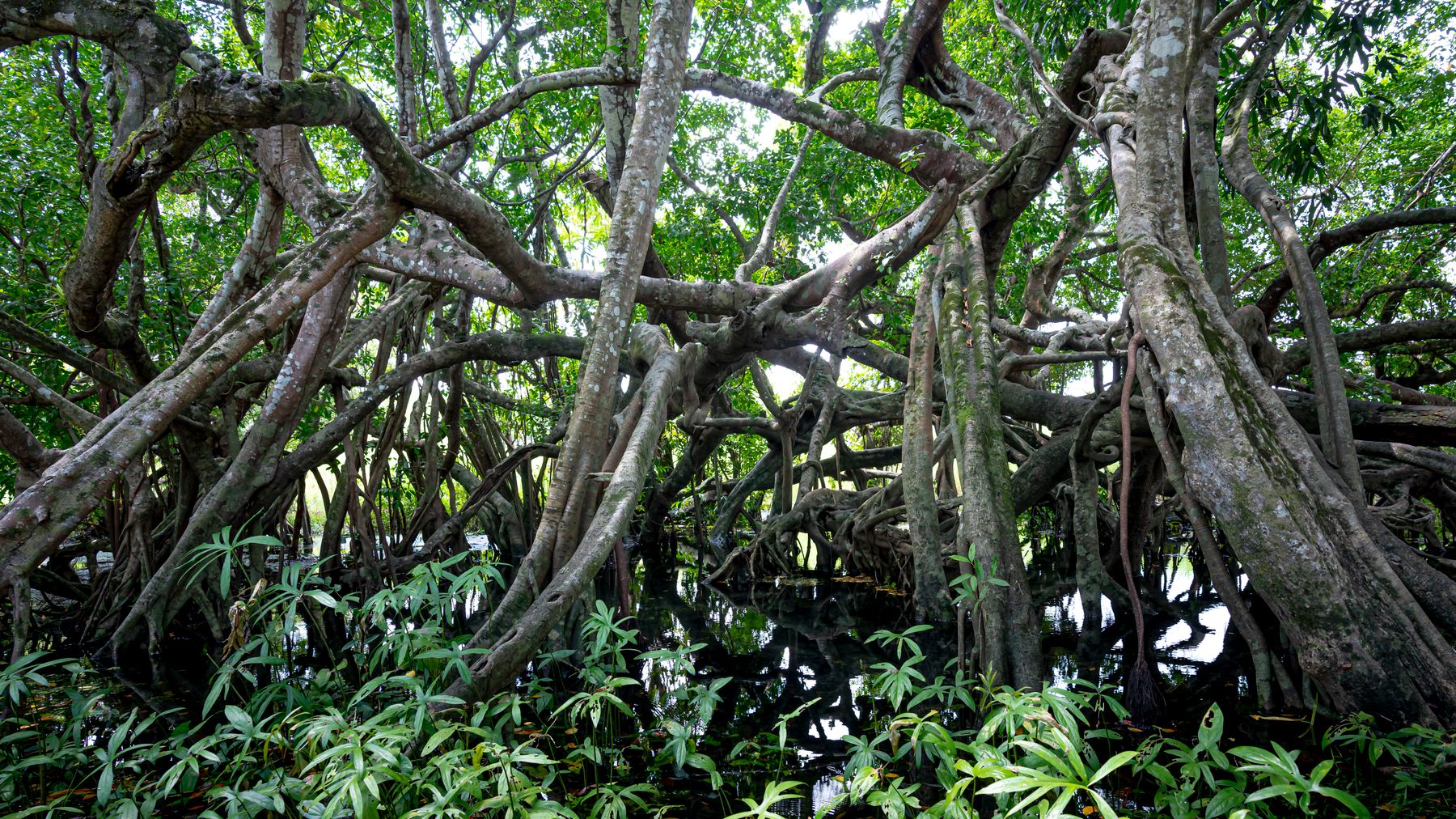
Photo by Quang Nguyen Vinh on Pexels
What to do
Boat trips through the melaleuca forest
The core experience. Small wooden boats (often paddled, sometimes with a low-powered motor) take you through flooded melaleuca corridors where the canopy closes overhead and the water is tea-coloured from tannins. Boat hire typically costs 200,000–400,000 VND per trip depending on duration and group size. Go early — 6:00 to 7:30 AM — when the birdlife is most active.
Lotus marsh walks and photography
During bloom season, the reserve opens walking paths along the lotus marshes. The scale is hard to convey in words — these aren't ornamental ponds but vast stretches of open water covered in pink flowers. Bring a long lens if you have one, but even a phone captures the colour well against the flat horizon.
Birdwatching from observation towers
The reserve has basic observation platforms positioned near nesting colonies and feeding areas. A local guide (available at the reserve office, around 300,000–500,000 VND per half-day) knows where current colonies are active. Without a guide, you'll still see plenty of egrets and kingfishers, but the rarer species need someone who knows the terrain.
Visit the buffer-zone communities
The villages around Lang Sen live off the wetland — fishing, harvesting lotus seeds and stems, collecting melaleuca honey. Stopping at a roadside stall to buy fresh lotus seeds (eaten raw, mild and slightly sweet) or a jar of local honey is one of those small interactions that stays with you.
Cycling the perimeter roads
The flat terrain makes for easy cycling. Some guesthouses in Moc Hoa or Tan Hung can arrange a bicycle. The roads along the reserve's edges pass through rice paddies and scattered hamlets — classic Mekong Delta scenery without the tourist infrastructure of Can Tho or Ben Tre.
Where to eat nearby
Lang Sen itself has no restaurants. Moc Hoa town, about 30 km southeast, has local rice shops and a few decent places along the main road.
Two things to seek out: "canh chua" — the sour tamarind soup made with freshwater fish, a Mekong Delta staple done well here with whatever was pulled from the river that morning. And "hu tieu" Nam Vang style, which Long An province does with a clear pork broth and a tangle of noodles, prawns, and herbs. A bowl runs 30,000–45,000 VND.
If you're passing through Tan An on the way back to Saigon, the town's market has good "banh mi" and fresh fruit.
Where to stay
Accommodation near Lang Sen is basic. In Tan Hung district, a few local guesthouses ("nha nghi") offer rooms for 200,000–350,000 VND per night — clean enough, fan or air-con, don't expect frills. Moc Hoa has slightly more options including a couple of mini-hotels in the 400,000–600,000 VND range with air-con and hot water.
For more comfort, stay in Tan An (Long An's provincial capital) and make Lang Sen a long day trip. Tan An has proper hotels starting around 500,000 VND.

Photo by Sanjeev Kumar Maurya on Pexels
Practical tips locals would tell you
- Bring your own water and snacks. There's nothing to buy inside the reserve.
- Sunscreen and a hat are non-negotiable. The open marshland offers zero shelter.
- Mosquito repellent matters, especially during and after the wet season. Dawn and dusk are feeding time — for the mosquitoes, not just the birds.
- Call ahead to the reserve management office (a Vietnamese-speaking friend helps) to confirm boat availability and current water levels. During very dry months, boat trips may not operate.
- Cash only. No ATMs in Tan Hung. Stock up in Moc Hoa or Tan An.
Common mistakes to avoid
Don't come expecting a national park with paved trails, visitor centres, and a gift shop. Lang Sen is a working wetland reserve with minimal tourist infrastructure — that's part of the appeal, but it means you need to be slightly self-sufficient.
Don't try to do it as a quick half-day from Saigon. The 3+ hour drive each way means you'll spend more time on the road than at the reserve. One overnight in the area lets you hit the golden-hour boat trip at dawn, which is when Lang Sen is at its best.
Don't skip the local guide. The reserve is large and featureless to an untrained eye. A guide turns a pleasant boat ride into an actual wildlife experience.
Practical notes
Lang Sen charges a modest entrance fee (typically 20,000–30,000 VND). The reserve is managed by Long An province's forest protection department. If you're combining this with a broader southern Vietnam trip, it pairs naturally with a visit to Tram Chim National Park in Dong Thap (another Ramsar site, about 80 km north) or a swing through Can Tho for floating markets and "com tam" before heading back to Saigon.
Last updated · May 29, 2026 · independently researched, never sponsored.