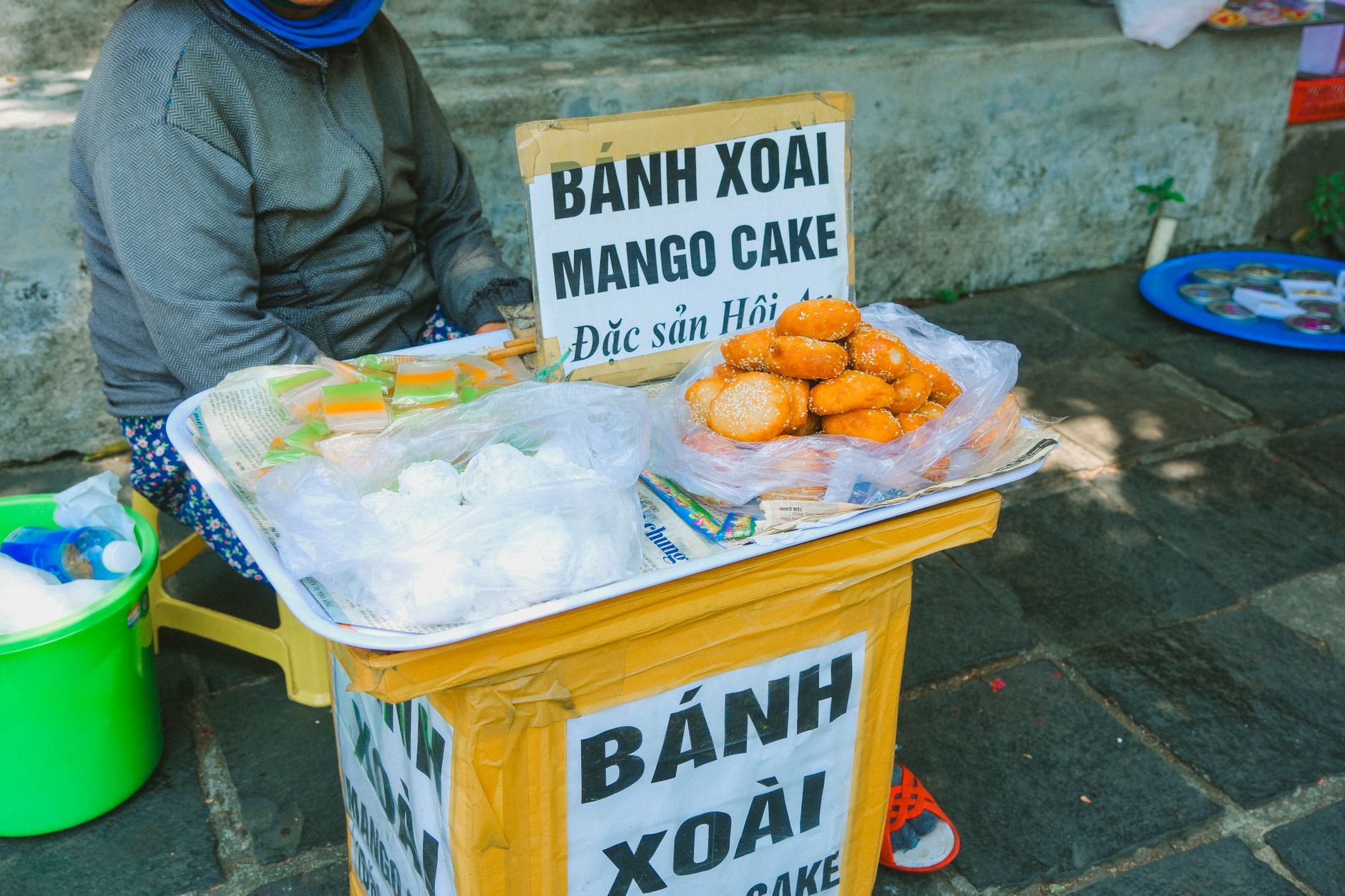
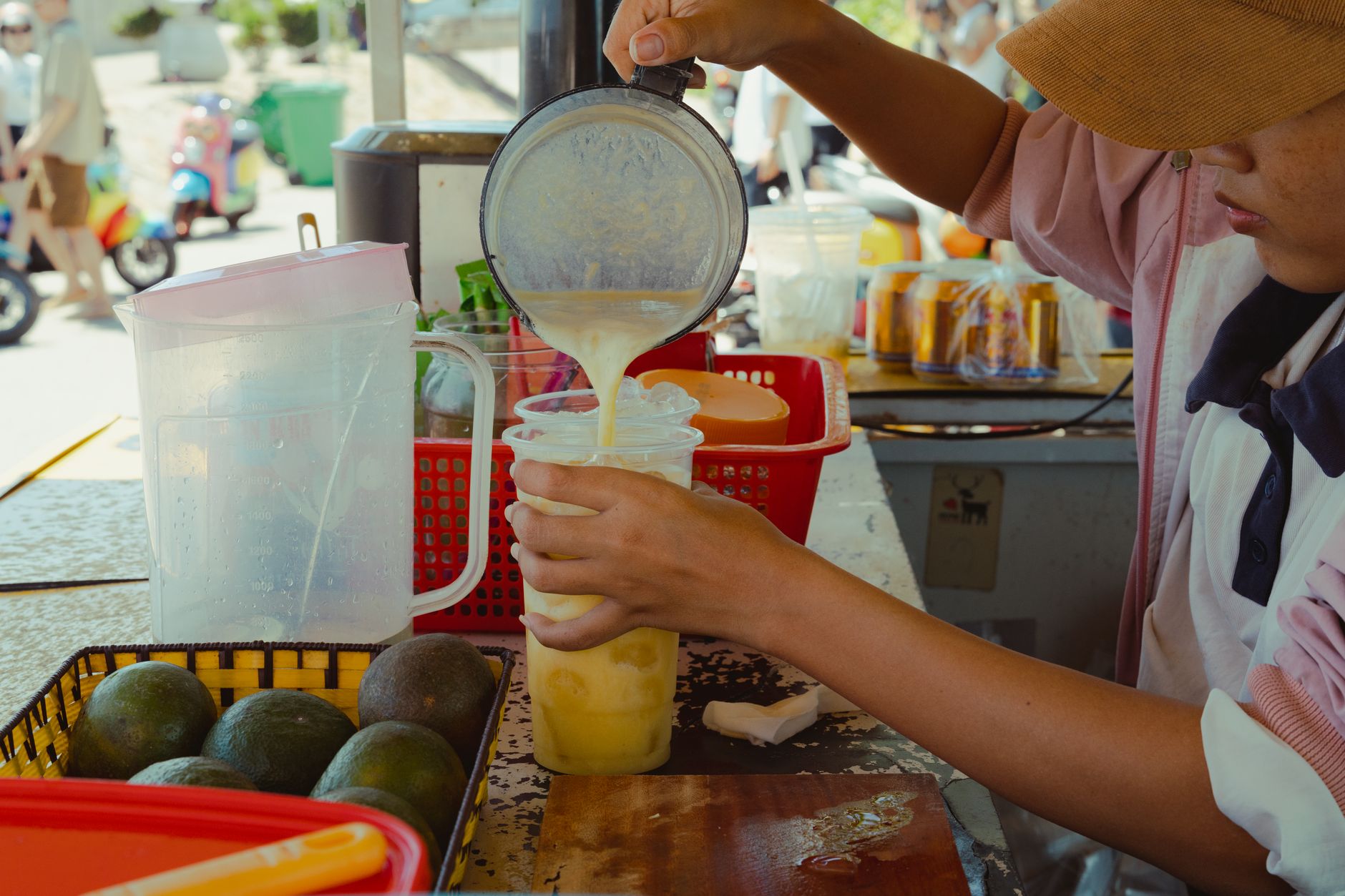
On the morning of "Tet Doan Ngo" — the fifth day of the fifth lunar month — you eat before you brush your teeth. That is the rule. Fermented sticky rice and whatever sour fruit is in season, consumed on an empty stomach, supposedly killing the worms and "sâu bọ" (insects, parasites, bad forces) that have taken up residence in your gut over winter. It sounds like folk medicine, because it is. It also tastes surprisingly good.
What Tet Doan Ngo Actually Is
Tet Doan Ngo falls around late May or early June by the solar calendar — the exact date shifts each year with the lunar cycle. It is one of the older festivals in the Vietnamese year, observed across the country, though the foods eaten and the specific rituals vary considerably between north, central, and south.
The name roughly translates to "extermination of insects festival," and that framing tells you everything about its agricultural roots. This is midsummer — the point in the farming calendar when pests are at their most active and disease is thought to peak. The ritual eating at dawn, the specific ingredients, the offerings left on the ancestor altar — all of it connects back to a belief that the body needs a seasonal purge.
Modern Vietnamese families may not think much about the parasite logic when they sit down to eat. But almost everyone still does it, or at least remembers doing it as a child.
Ruou Nep: The Fermented Sticky Rice
"Ruou nep" — fermented glutinous rice — is the centerpiece of the morning ritual. It is not quite wine and not quite solid food. Cooked sticky rice is mixed with yeast ("men ruou"), packed into a container, and left to ferment for a few days. The result is a soft, mildly alcoholic, sweet-sour mass that sits somewhere between porridge and a very young rice wine.
There are two main versions. "Ruou nep trang" uses white glutinous rice and turns out pale and slightly soupy. "Ruou nep than" — black sticky rice — ferments into a deep purple, almost jammy result with a stronger flavour. In the Mekong Delta (메콩 델타 / 湄公河三角洲 / メコンデルタ) and southern provinces, you see both. In the north, the white version is more common at Doan Ngo.
The alcohol content is low — maybe 3 to 5 percent — but eaten on an empty stomach first thing in the morning, it creates a mild warmth that feels oddly fitting for the ritual. Children get a small spoonful. Adults eat a bowl. The idea is that the fermentation process creates an environment in the digestive tract that is hostile to parasites. Traditional medicine or not, generations of Vietnamese families have treated it as non-negotiable on this one morning a year.
In Hanoi markets like Dong Xuan Market, ruou nep starts appearing in the days before Doan Ngo — sold in small plastic containers for around 20,000 to 35,000 VND. Homemade versions circulate through families and neighbours. If someone's grandmother makes it, there is usually enough for the whole building.
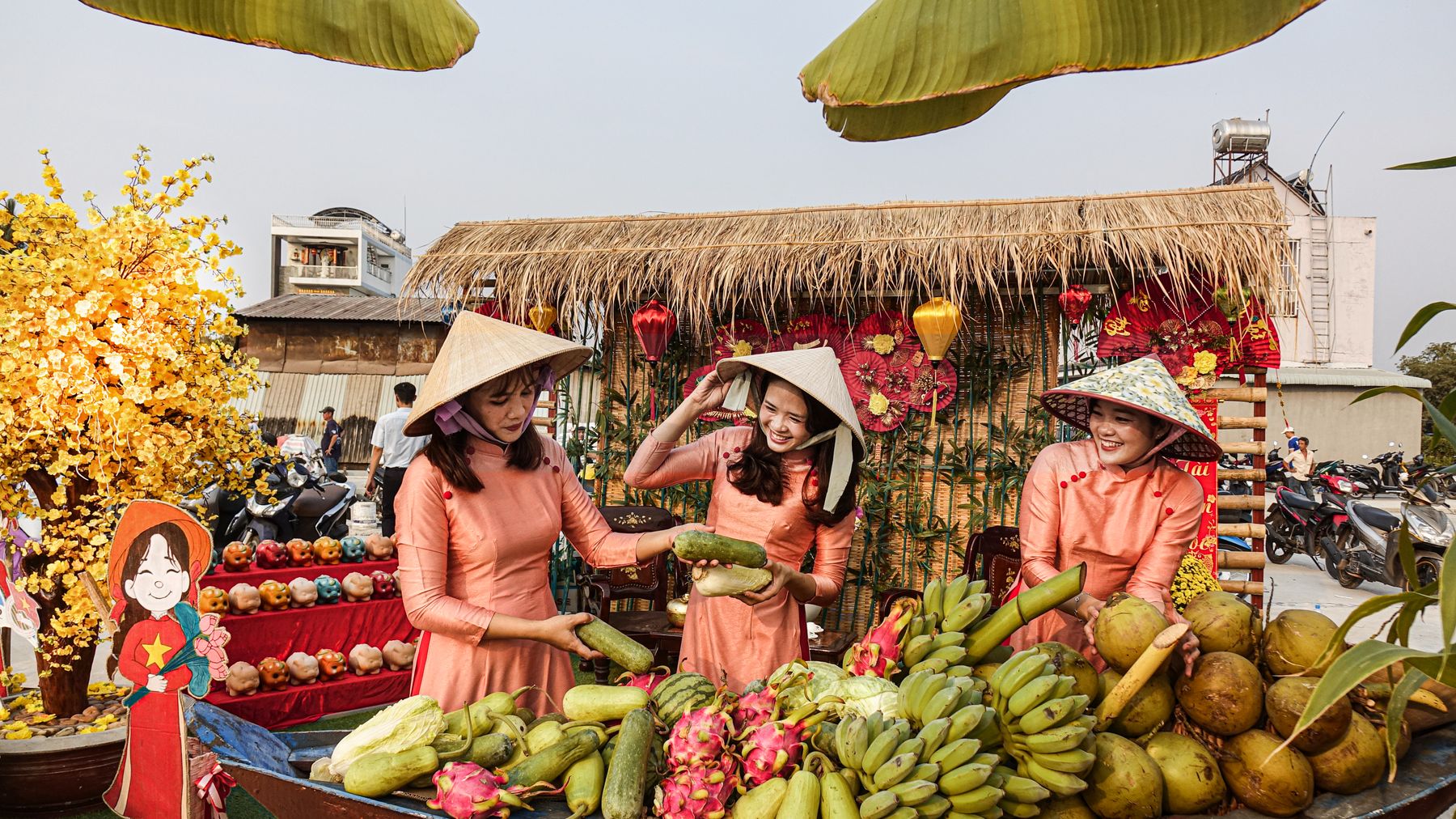
Photo by Vyvan BÙI VY VÂN on Pexels
The Fruit Component
Sour or astringent fruit eaten alongside the ruou nep is the second half of the ritual. The logic is the same — acidity and tannins creating an inhospitable environment for gut parasites.
In the north, "man" (plums) are traditional — small, tart, and intensely sour at this time of year. You eat them whole, or sometimes preserved in salt. "Vai" (lychee) is also in season now, and while sweeter, it appears on the Doan Ngo altar and table across northern provinces. "Moc" (a type of wild peach) and "dua" (pineapple) show up in central regions.
In the south, the fruit selection broadens. Mango, star fruit, "roi" (wax apple), and various plums all appear in the morning spread. Markets in Can Tho and the Mekong Delta provinces pile up with sour mango in the week leading up to the festival.
The point is not any single fruit — it is the sourness, the acidity, the contrast with the mild sweetness of the fermented rice.
The Altar Offerings and What Else Gets Eaten
Beyond the morning purge ritual, Doan Ngo involves offerings to ancestors. Families prepare small trays with ruou nep, seasonal fruit, and sometimes "banh tro" — a speciality of the central and northern regions. Banh tro is a sticky rice dumpling made with ash-treated water (from burnt plant matter), which gives it a distinctive grey-brown colour and slightly alkaline flavour. It is wrapped in "la dong" (phrynium leaves) or dong leaves, boiled, and served with sugar or honey. The texture is smooth and slightly gelatinous. The flavour is subtle.
In Hue and surrounding central provinces, banh tro is taken seriously — each family has a preferred recipe, and the quality of the ash water matters. You can find them sold along street markets in the days before the festival for around 5,000 to 10,000 VND each.
Some regions also prepare "che troi nuoc" (glutinous rice balls in ginger syrup) or sticky rice cakes as part of the spread, though these vary by family and location.

Photo by Vietnam Tri Duong Photographer on Pexels
Why the Morning Timing Matters
The rule about eating before brushing your teeth or drinking water is not incidental. Traditional belief holds that the parasites inside the body migrate to the stomach at dawn — making them vulnerable. The fermented rice and sour fruit, taken on an empty stomach, hit them at the right moment.
Is there any physiological truth to this? Nutritionists will say the fermentation produces lactic acid and some beneficial microorganisms. Sour fruit provides vitamin C and digestive enzymes. But the ritual's real power is social and cultural — it is a shared moment that marks the middle of the year, connects families to agricultural tradition, and gives everyone a reason to sit together at an unusual hour eating unusual food.
Practical Notes
Doan Ngo falls on the 5th day of the 5th lunar month — check a Vietnamese lunar calendar for the exact date each year. If you are in Vietnam (베트남 / 越南 / ベトナム) around late May or early June, look for ruou nep in local markets or ask at a "tap hoa" (small grocery) — it will be easy to find in the days leading up to the festival. Eat a small bowl on an empty stomach with something sour. The bugs, real or imagined, should take the hint.
Last updated · May 26, 2026 · independently researched, never sponsored.