Vietnam (베트남 / 越南 / ベトナム) is often experienced as a blur of motorbikes and street food, but there is a quieter, slower rhythm to be found if you know where to look. This itinerary prioritizes the architecture of silence—the pagodas, the mountain retreats, and the hidden gardens where the only sound is the tolling of a bronze bell.
Day 1-2 — The Spirit of Hanoi
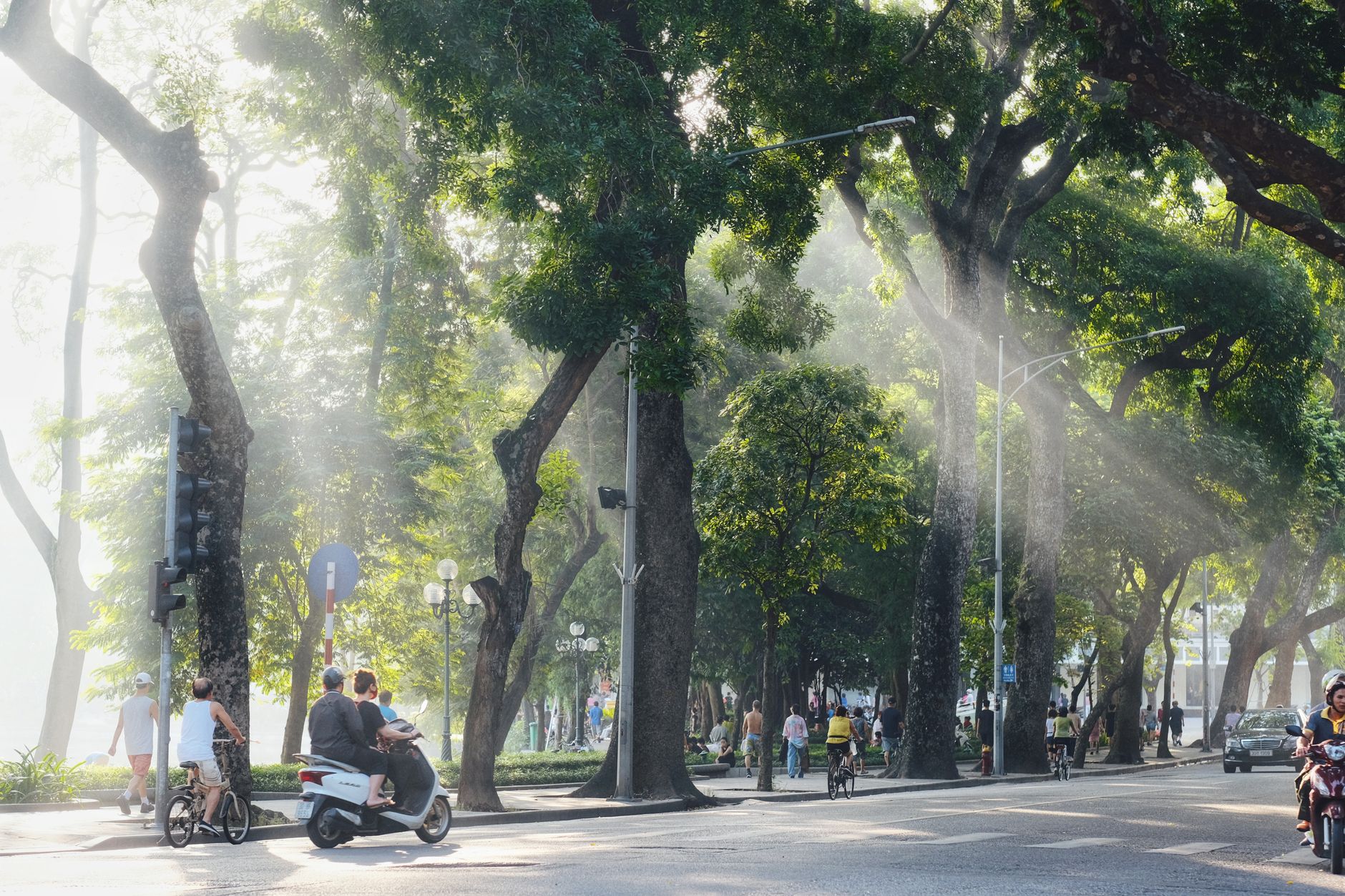
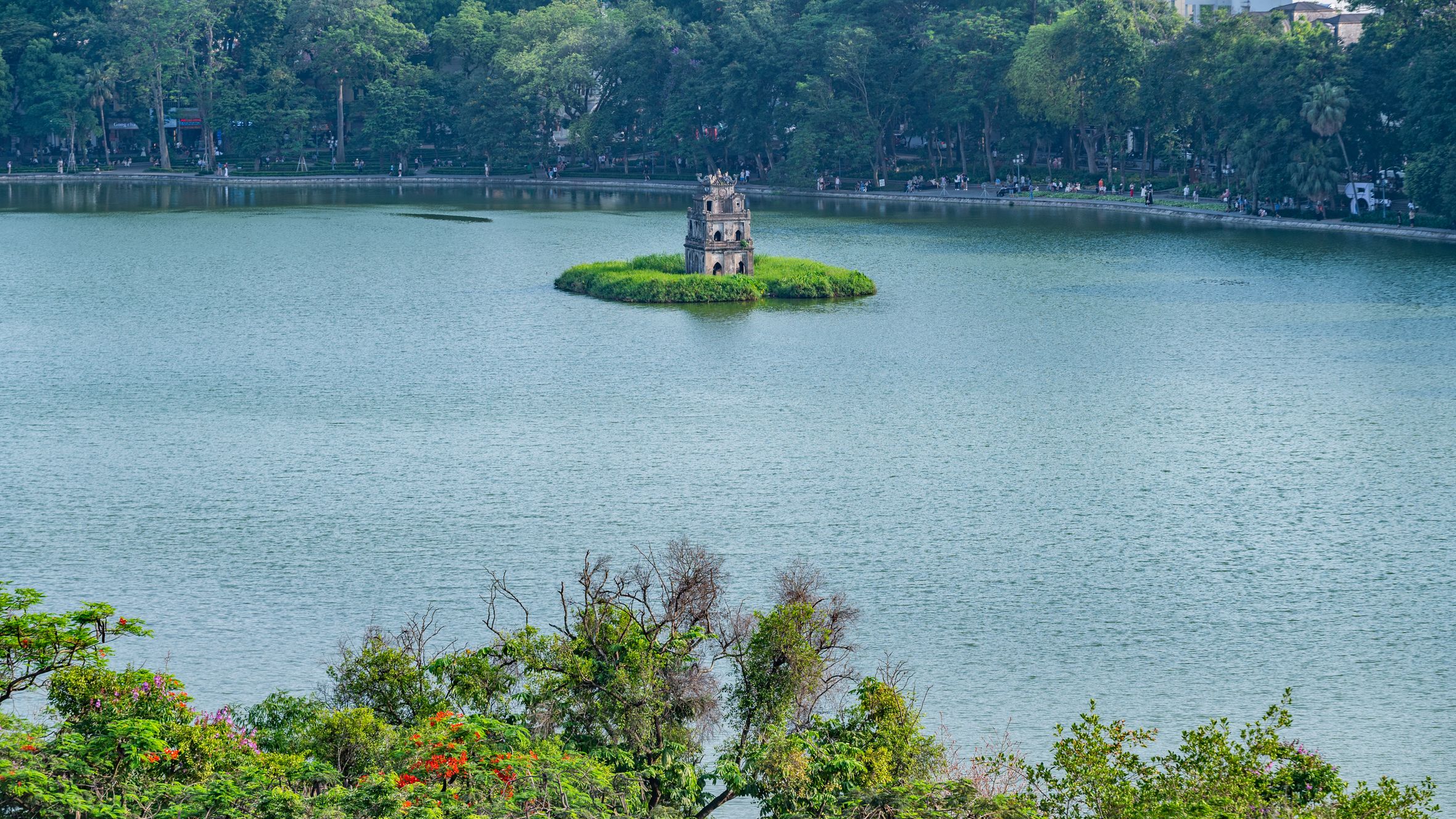
Start in Hanoi, but bypass the crowded center. Head straight to the "Tran Quoc Pagoda" on West Lake. It is the oldest in the city, dating back over 1,500 years. Visit at dawn when the monks are chanting and the lake air is still. Spend your afternoon at the "Temple of Literature," which, while Confucian, offers a structured, symmetrical peace that is rare in the city. For your second day, take a short trip to the outskirts to visit the ceramic village of Bat Trang. While known for pottery, the local shrines tucked into the narrow alleys offer a glimpse into the village's deep-rooted spiritual life.
Day 3 — The Limestone Silence of Ninh Binh
Travel 100km south to Ninh Binh (닌빈 / 宁平 / ニンビン). Skip the crowded boat tours of Tam Coc and head directly to "Bai Dinh." While the new complex is massive, the old pagoda nestled into the mountainside is where the true atmosphere resides. Spend the afternoon wandering the karst formations of Hoa Lu. The ancient capital is dotted with small, weathered temples that feel forgotten by time. Stay in a homestay near the rice paddies to hear the evening crickets, a stark contrast to the city.
Day 4-5 — The Imperial Stillness of Hue
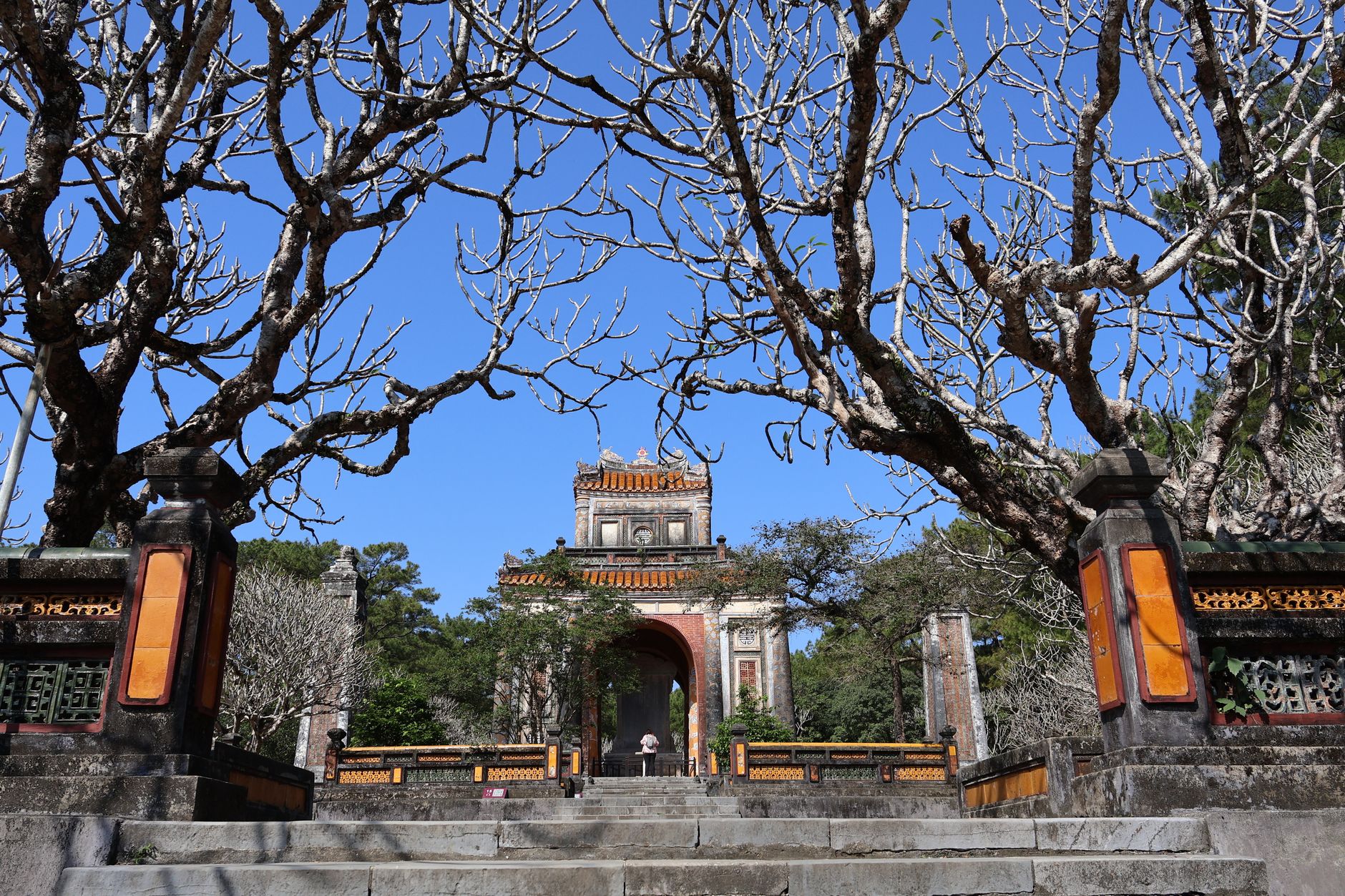
Fly to Hue, the heart of central Vietnam’s spiritual heritage. The "Tomb of Tu Duc" and "Tomb of Khai Dinh" are not just burial sites; they are masterclasses in landscape integration. Spend your time walking the pine-shaded paths of Tu Duc, designed as a retreat for the emperor to write poetry. In the evening, seek out a local vegetarian restaurant—Hue is famous for its Buddhist-influenced "com chay" (vegetarian rice) culture. Spend your second morning at a smaller, less-visited pagoda like Tu Hieu, where the monks are known for their practice of mindful walking.

Photo by Nguyen Ngoc Tien on Pexels
Day 6-7 — The Ancient Echoes of Hoi An
Travel south to Hoi An. While the town is busy, the early mornings are sacred. Visit the "My Son" sanctuary at sunrise before the tour buses arrive. The brick towers of the Cham people, set in a valley surrounded by jungle, offer a profound sense of history. Spend your afternoon in the town itself, but duck into the quiet courtyard of a local family home or a small clan shrine. For a meditative experience, take a bicycle ride to the surrounding countryside, where the small village shrines are rarely visited by outsiders.
Day 8-9 — The Highland Air of Da Lat
Fly to the central highlands. Da Lat is a different world, with cool air and pine forests. The "Truc Lam Zen Monastery" is the highlight here. Accessible by a cable car or a winding road, it sits overlooking Tuyen Lam Lake. The gardens are meticulously kept, and the atmosphere is one of disciplined calm. Spend your time here practicing seated meditation in the designated areas or simply walking the forest trails that surround the monastery grounds.
Photo by Nguyen Ngoc Tien on Pexels
Day 10 — The Urban Reflection of Saigon
End your journey in Saigon. It is the loudest city in the country, but it contains pockets of profound peace. Visit the "Jade Emperor Pagoda," where the incense smoke creates a thick, otherworldly atmosphere. Spend your final hours in a quiet cafe with a "vietnamese coffee," observing the city from a distance. Reflect on the transition from the ancient pagodas of the north to the modern, bustling energy of the south.
Practical notes
Dress modestly when visiting temples; keep shoulders and knees covered as a sign of respect. Many pagodas offer vegetarian meals for a small donation—it is a great way to participate in the local culture while supporting the temple community. Always remove your shoes before entering the inner sanctums.
Last updated · May 30, 2026 · independently researched, never sponsored.