Day 1 — Arrival in Da Nang
Skip the crowded beachfront hotels. Head straight to the Son Tra Peninsula. The air here is cleaner, and the morning mist over the forest provides an immediate reset. Spend your first evening with a bowl of "mi quang" at a local stall near the base of the mountain, then settle into a quiet villa overlooking the East Sea.
Day 2 — Coastal Stillness
Dedicate this day to the water. Rent a bicycle and ride along the coast toward the quieter stretches of beach north of the city. In the afternoon, visit the Marble Mountains, but bypass the main elevators. Take the stairs to find the smaller, less-visited caves where local monks often practice meditation. For dinner, seek out fresh "goi cuon" at a family-run shop.
Day 3 — The Transition to Hue
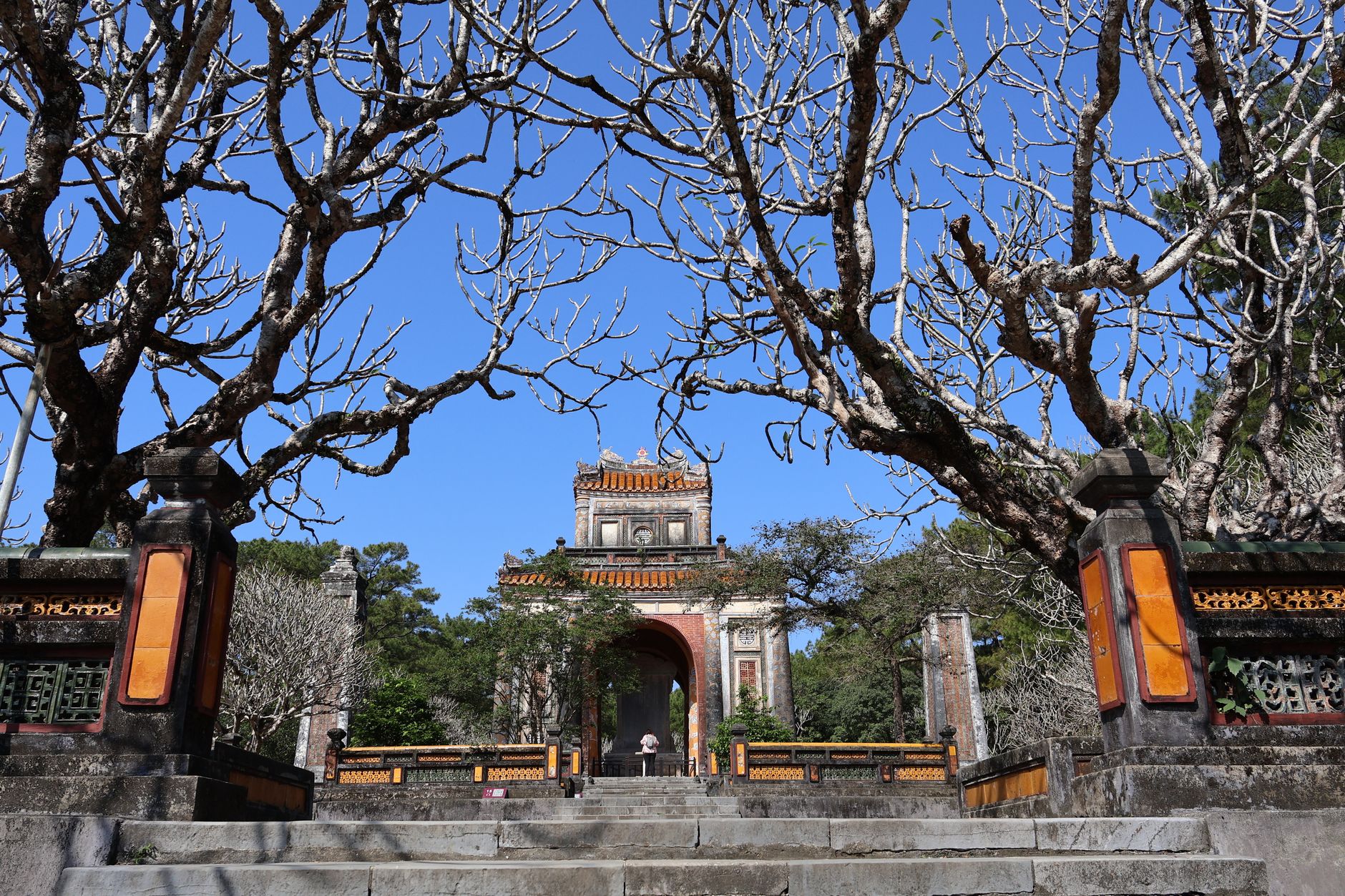
Take the train from Da Nang to Hue. The tracks hug the coastline, offering a slow-paced view of the water that no bus or flight can match. Once in Hue, check into a garden-style homestay. The city is defined by its slow pace and imperial history. Visit the "Tomb of Tu Duc" in the late afternoon when the crowds have thinned; the lotus ponds and pine forests are perfect for a quiet walk.
Day 4 — Imperial Gardens and Tea
Start your morning with "bun bo hue (분보후에 / 顺化牛肉粉 / ブンボーフエ)" from a street vendor near the Dong Ba Market. Spend the rest of the day exploring the quieter corners of the Imperial Citadel Thang Long’s southern cousin, the Hue Imperial Citadel. In the afternoon, find a traditional teahouse to sample local "lotus tea," a staple of the region’s contemplative culture.

Photo by Quang Nguyen Vinh on Pexels
Day 5 — Flight to the Highlands
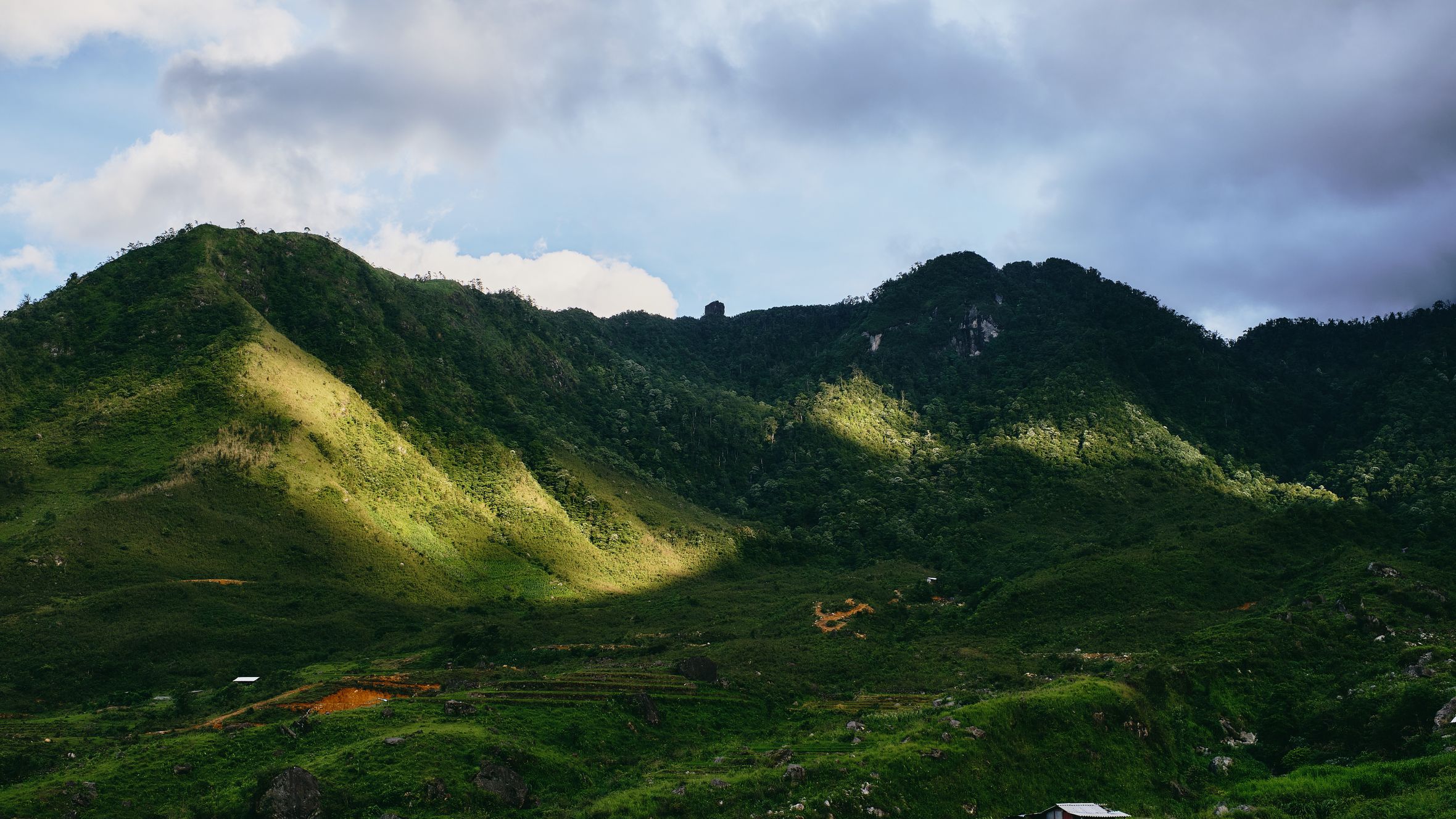
Fly from Hue to Da Lat. The shift from the humid coast to the pine-covered hills of the Central Highlands (중부 고원 / 中部高原 / 中部高原) is jarring in the best way. The air is crisp, and the pace of life slows down significantly. Spend your evening wandering the night market, but focus on the warm soy milk and grilled snacks rather than the tourist trinkets.
Day 6 — Forest Bathing in Da Lat
Da Lat is built for walking. Spend the day in the Tuyen Lam Lake area. The pine forests here offer excellent trails for "forest bathing." Avoid the main tourist waterfalls and instead hire a local guide to take you to the hidden coffee plantations. End your day with a cup of "vietnamese coffee" overlooking the valley as the fog rolls in.
Day 7 — Slow Living in the Highlands
Visit the local flower gardens early, before the tour buses arrive. Spend your afternoon at a local workshop learning about the traditional crafts of the region. For dinner, try a hot pot—a staple for the cool highland nights—featuring local greens and mushrooms.
Photo by Quang Nguyen Vinh on Pexels
Day 8 — Down to the Mekong
Travel south toward the Mekong Delta. The landscape shifts from mountains to flat, river-fed plains. Arrive in Can Tho by late afternoon. The heat will return, but the river breeze is a welcome relief. Find a spot along the Ninh Kieu Wharf to watch the boats pass.
Day 9 — The Rhythm of the River
Wake up at 5:00 AM to visit the Cai Rang floating market. It is a sensory experience that is best observed from a small wooden boat. After the market, spend the afternoon cycling through the fruit orchards on the outskirts of the city. This is the heart of the Mekong, where life is dictated by the tides and the harvest.
Day 10 — Departure from Saigon
Take a morning bus to Ho Chi Minh City. Use your final hours to visit the Ben Thanh Market for last-minute essentials, but spend your actual final meal at a quiet "com tam" stall in District 3. Reflect on the journey—from the salt air of the coast to the cool highland pines and the life-giving waters of the south.
Practical notes
Pack light layers; the temperature difference between the coast and the highlands can be as much as 10 degrees Celsius. Always carry a reusable water bottle, as many boutique homestays now provide refill stations to reduce plastic waste.
Last updated · May 30, 2026 · independently researched, never sponsored.