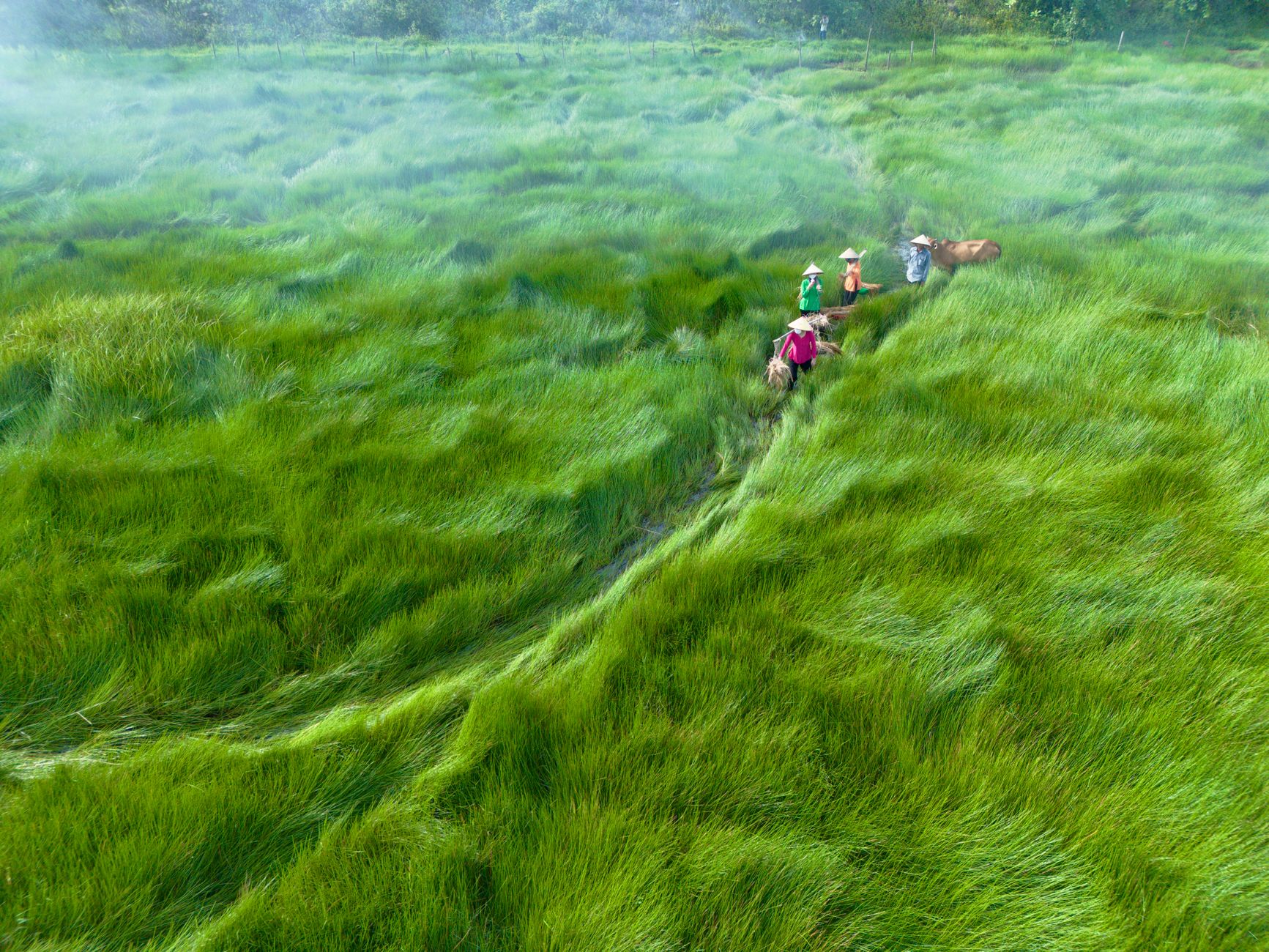
Tien Giang sits in the heart of the Mekong Delta (메콩 델타 / 湄公河三角洲 / メコンデルタ), where monsoon winds and seasonal flooding shape everything from boat traffic to orchard ripeness. Unlike the cooler north, there's no real "winter" here—just hotter, wetter seasons and less hot, less wet ones.
Dry season (November to April)
This is peak travel time, and for good reason. November through April brings lower humidity, less rain, and the best conditions for exploring the delta by boat. Days are warm (28–32°C / 82–90°F) but manageable; mornings are actually pleasant.
November and early December are ideal. The rains have just ended, water levels are high enough for scenic canoe trips through "floating forests," and the air feels fresher. Crowds are moderate—heavy enough that you'll see other tourists, light enough that you can still move freely through fruit markets and village homestays.
January to March gets busier as Western travelers arrive for Tet (뗏 (베트남 설날) / 越南春节 / テト) (Lunar New Year) and the weeks after. Prices tick up 10–15% in mid-January. If you're hoping to see Tet celebrations, go for late January or early February, but expect packed buses and booked-out boat tours. Many delta villages still observe Tet with family gatherings and temple visits; some tourist operations close for a few days.
April is the tail end of dry season—still warm and mostly dry, but the heat becomes oppressive (35°C / 95°F+). Tourist numbers drop slightly after March's peak.
Wet season (May to October)
Monsoon rains arrive in earnest by May. Humidity climbs; temperatures hover around 30–33°C (86–91°F) with sudden downpours. June and July are the wettest months, with short but heavy rainstorms that can last a few hours.
Rain doesn't shut down travel, but it changes the experience. Water levels rise, flooding some routes and opening others. Canoe trips become lush and moody; the delta's color shifts to deep green. Fewer tourists means friendlier prices and quieter homestays. You'll see locals going about daily life with less performative tourism overlay.
August to October gradually dry out. September and October still see rain but less frequently; crowds remain thin. These months are underrated if you don't mind occasional rain and can be flexible about boat schedules.
Month-by-month breakdown
November: Ideal. Dry, cool-ish mornings, manageable crowds. Orchard tours are good; water levels suit boat routes. Plan early for homestays.
December: Still excellent. A touch warmer than November. Mid-month tourism picks up slightly before Tet holiday season ramps.
January: Tet period (date varies, usually late January). Crowds spike; domestic travel surges. Festivities are real but tourism-focused experiences peak here. Book ahead.
February: Post-Tet. Weather is dry and pleasant; crowds ease mid-month. Many homestays and restaurants reopen after Tet closures. Good value.
March: Warm, dry, still good for delta tours. Tourist numbers remain elevated; prices don't drop much. Late March gets uncomfortably hot.
April: Hot and humid. End of dry season. Fewer foreign tourists; domestic travelers avoid the heat. If you go, expect sweat and take afternoon breaks.
May: Rains begin; humidity spikes. Tourist numbers fall. Prices drop 10–20% at mid-range guesthouses. Water levels rise; some boat routes change.
June–July: Peak wet season. Heavy rains, thick humidity. Tourist infrastructure quiets down. Roads can have localized flooding. Travel is slower and less predictable; rewards go to patient travelers who enjoy delta life off-peak.
August–September: Still wet but drying gradually. Fewer tourists than June–July. Late-August can be surprisingly pleasant if you hit a dry spell.
October: Rains tail off. Humidity lingers. Tourist numbers remain low; prices are friendly. Weather improves week by week.

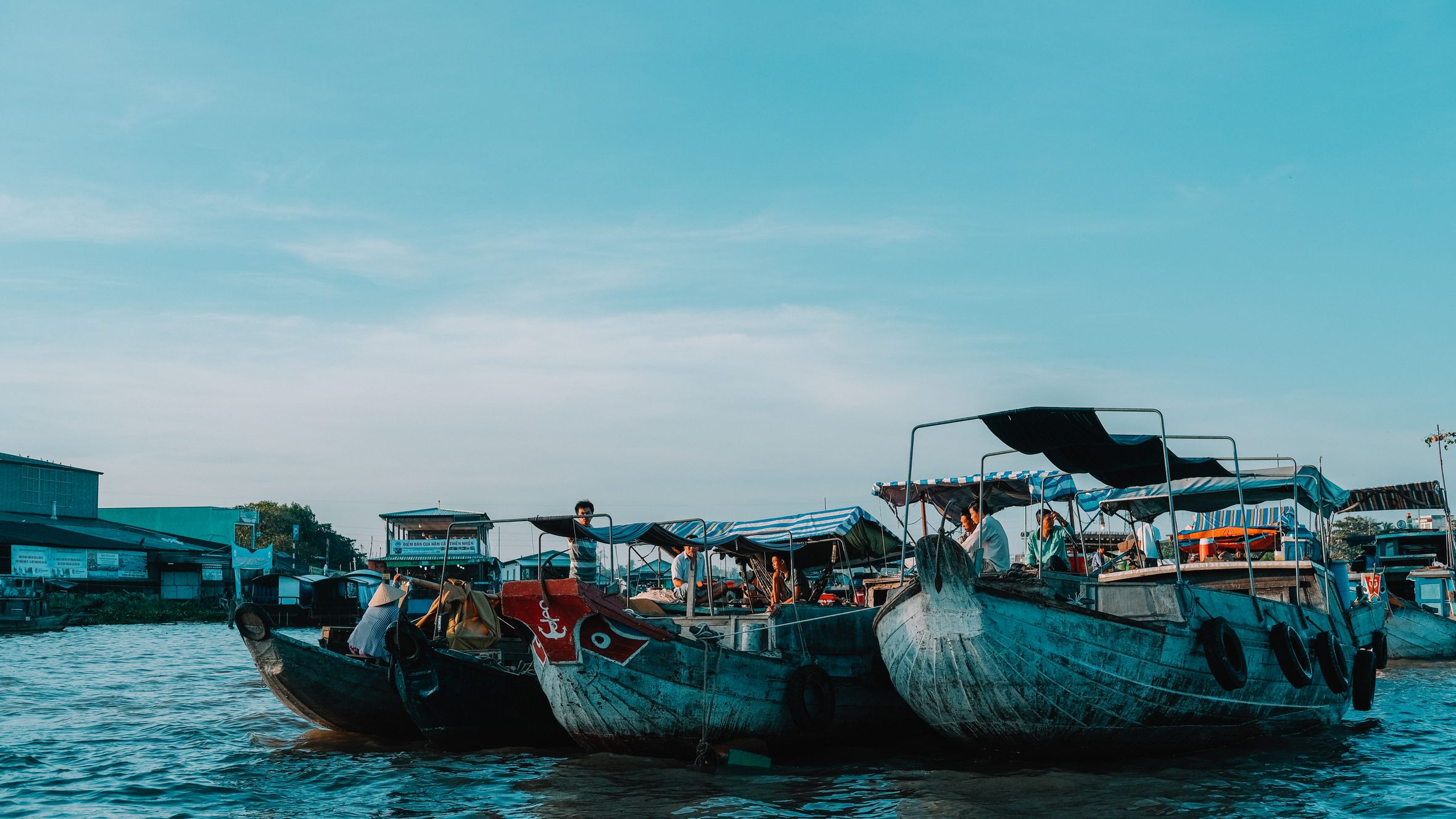
Photo by Quang Nguyen Vinh on Pexels
Crowd levels & prices
High season (November–early March): Tourist infrastructure is full. Boat tours run multiple departures daily. Hotel rates are at their peak—budget guesthouses around 150,000–250,000 VND/night go for 200,000–300,000 VND. Restaurant prices inch up but stay reasonable. Book accommodation and boat tours in advance.
Shoulder season (April, October): Weather is less ideal but tolerable. Tourist flow is moderate. Prices drop 10–20% from peak. You can often book tours same-day without losing options.
Low season (May–September): Heavy rain and humidity keep most package tourists away. Budget rooms can dip to 120,000–180,000 VND. Restaurants run at half-capacity and may close mid-week. Boat tours operate on demand, not schedules. If you want solitude and low prices, this is it—but rain reshuffles plans.
What to actually bring
For dry season: lightweight clothes, sunscreen, a wide-brimmed hat, and sunglasses. The sun reflects hard off water.
For wet season: a lightweight rain jacket, waterproof bag for phone/camera, and quick-dry clothes. Flip-flops are better than shoes; you'll have wet feet often. Mornings and evenings can be surprisingly cool even in the wet season; bring a thin layer.
Year-round: insect repellent (dengue-carrying mosquitoes don't take seasons off), and a sarong or light wrap useful in air-conditioned boats and temples.

Photo by Alberto Capparelli on Pexels
When to skip
If you dislike crowds and heat, avoid mid-January through late February (Tet season). If you prefer predictable weather, avoid May through July. If you want lush, green landscapes and don't mind rain, the wet season is worth it despite the risks.
Practical notes
Tien Giang's best weather is November through February. That's when you get clear skies, moderate heat, and water levels that suit boat tours. May through September are quiet and cheap but wet and less predictable. March–April and August–October are compromises: fewer tourists, odd weather, and fewer scheduled services. Book homestays and boat operators 1–2 weeks ahead in high season; same-day booking works fine in low season.
Last updated · May 29, 2026 · independently researched, never sponsored.