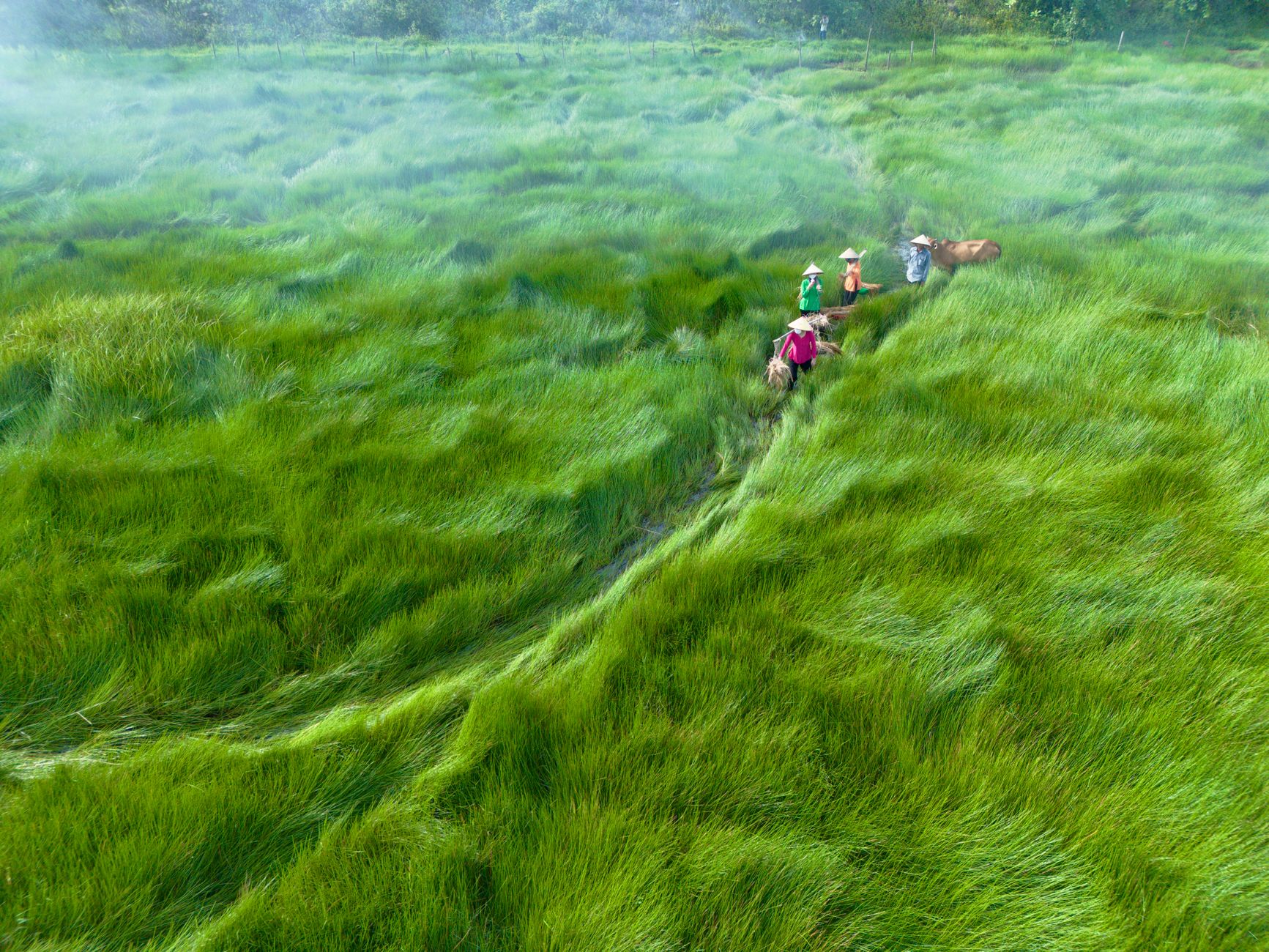
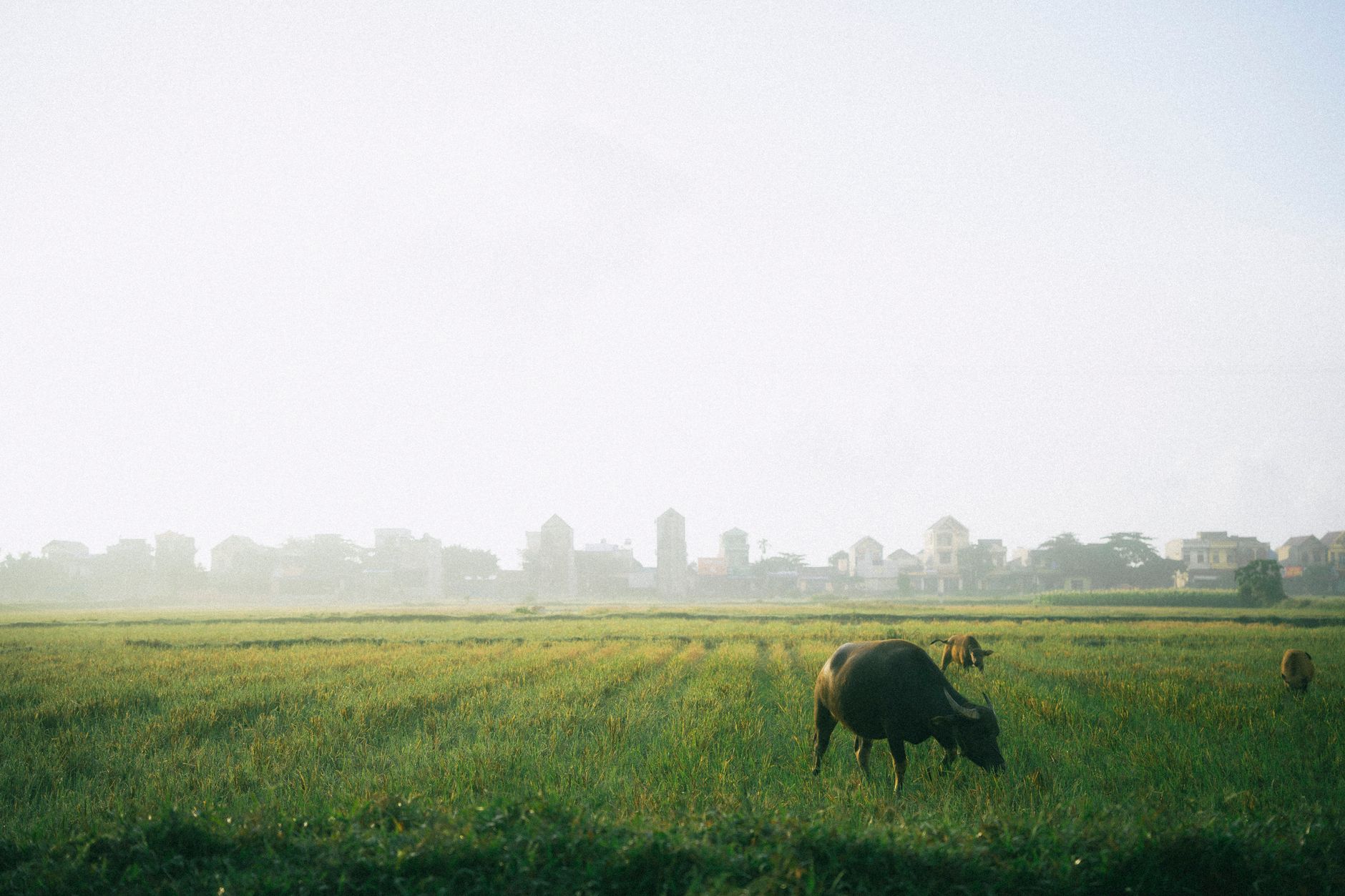
Tien Giang sits in the heart of the Mekong Delta (메콩 델타 / 湄公河三角洲 / メコンデルタ), sandwiched between Saigon and Can Tho. Most travelers skip it entirely, heading straight to the bigger delta towns. That's exactly why it's worth a stop: the province feels like the Mekong Delta before Instagram discovered it.
Unlike Can Tho (껀터 / 芹苴 / カントー)'s tour-boat infrastructure or Ben Tre's coconut-candy workshops, Tien Giang offers a slower, weirder experience — orchards thick with tropical fruit, fisheries where nobody speaks English, and temples that don't appear in guidebooks. The province capital, My Tho, serves as the main hub, but the real charm is in the surrounding villages and waterways.
My Tho: The Bones of Tien Giang
My Tho is the kind of city where you can walk the waterfront in 20 minutes. The Saigon River here is wide and brownish, lined with fishing boats and a modest promenade. There's no "must-see" monument, which is partly the point.
The Vinh Trang Pagoda sits on the outskirts, built in the 1800s with an eccentric mix of French colonial and Buddhist architecture — pink walls, a bell tower that looks more French church than temple. It's quiet, well-maintained, and locals outnumber tourists 10 to 1. Entry is free; a small donation to the monks is polite.
Near the river, the Central Market (Cho Tien Giang) is worth a wander. Vendors sell tropical fruit — mangoes, durian, rambutan, custard apples — alongside fresh fish and dried goods. Prices are 20–30% cheaper than Saigon markets. Stop by in the early morning (6–8 AM) when the energy is highest.
Floating Markets: Which Ones Are Real
Tien Giang has several floating markets, but they are NOT tourist attractions. They are functioning wholesale markets where fruit sellers from surrounding orchards barter with boat traders at dawn. If you want authenticity without being herded onto a "experience the real Mekong" speedboat tour, this is it.
Cai Be Floating Market is the most accessible and least overtouristed. It operates year-round, peaking 6–7 AM. You'll see vendors in wooden boats selling dragon fruit, pineapples, and watermelons to smaller boats; traders negotiate prices by holding up fingers. Most tourists who come here rent a private longtail boat (200,000–400,000 VND for 2 hours) from the My Tho riverfront rather than join a group tour. The water smells like fruit pulp and diesel. Bring a camera — just don't expect Instagram moments.
Phong Dien Floating Market is smaller and farther away (30 km northeast), less geared toward visitors. If you go, hire a local guide through your hotel (budget 500,000–800,000 VND for a half-day trip including transport and boat). The payoff is fewer foreign faces and more genuine haggling between vendors.
Orchards and Homestays
Tien Giang's main industry is growing tropical fruit: dragon fruit, pineapple, mango, and rambutan. Several orchards offer homestay-style visits where you can pick fruit, eat lunch cooked by the family, and sleep in a wooden bungalow overlooking the garden.
Sinh Tourist's Mekong homestay program is one of the bigger operations, but there are smaller, family-run alternatives if you ask at your hotel. Costs run 400,000–700,000 VND per person for overnight including meals. The appeal isn't luxury — it's eating rambutan straight off the tree at 6 AM and talking broken English with a farmer about monsoon seasons.

Photo by Quang Nguyen Vinh on Pexels
Temples and Spiritual Sites
Beyond Vinh Trang, the province has a string of lesser-known temples that reflect the delta's syncretic spirituality.
Chua Hang (Hang Cave Pagoda) sits in a small limestone hill 60 km away, accessible by boat from My Tho. It's more of a pilgrimage site than a tourist stop — monks live there, pilgrims come for Tet and other holidays. The cave itself is modest, but the climb up gives views of the delta's flat, water-logged landscape. Free entry; bring water and insect repellent.
Phu Thanh Pagoda is tucked into a village 20 km north, known locally for its library of Buddhist texts and monastic school. It's quiet and rarely crowded. The monks sometimes offer tea and conversation if you arrive in the afternoon.
Day Trips from My Tho
Islands in the Saigon River. A few inhabited islands — Tan Phu, Cho Island, Unicorn Island — are connected by small ferries or private boat. They're residential, not resort destinations. You can rent bicycles, eat fish at family-run "restaurants" (really just someone's house with plastic chairs), and watch the river from the ferry. Cost: ferry 20,000–50,000 VND; bike rental 50,000 VND.
Saigon Fruit Garden lies on the road to Ben Tre, about 40 km away. It's a working orchard, not a manicured park. You pick fruit, eat copious amounts, and buy whatever you want at farm prices. No entrance fee; pay for what you pick or eat. Go in the morning when it's cooler.
Tien Long Floating Market Village (also called Ghost Island or Xuan Phuong Village) is 25 km downriver. Locals live in floating houses; you can hire a small boat (150,000–250,000 VND per hour) to drift past and watch daily life — fishing, washing clothes, kids swimming. There's a small noodle stand if you want to eat with a view.

Photo by Kawê Rodrigues on Pexels
What to Skip
Tien Giang Aquarium near My Tho is undersized and poorly maintained. Skip it.
Expensive group "Mekong Delta Tours" based in Saigon that promise "authentic experiences" but drop you at the same three spots with 50 other tourists. If you want floating markets, go independent or hire a local driver and guide.
Coconut candy and souvenir workshops that claim to be "traditional." They're not; they're shopping operations. If you want souvenirs, the Central Market is cheaper and more genuine.
Getting Here
My Tho is 70 km southwest of Saigon, about 1.5 hours by car or minibus. Buses depart from Ben Thanh Station or Phuong Trang bus company; tickets cost 40,000–60,000 VND. If you're traveling the delta, it's on the way to Can Tho (180 km, 4 hours by minibus).
For exploring outside My Tho, rent a motorbike (100,000–150,000 VND per day) or hire a taxi/driver. Distances are manageable; roads are decent if uneven.
Practical Notes
Best time to visit: November to April (cool and dry). May to September is monsoon season — humidity peaks, some roads flood, but prices drop and crowds vanish. Restaurants and basic accommodation are affordable; a meal at a local eatery runs 30,000–80,000 VND. ATMs and pharmacies are available in My Tho. English is less common than in Saigon, so a translation app or basic phrases in Vietnamese help. If you're on a tight timeline, Tien Giang is a long day trip from Saigon rather than an overnight stay, though staying overnight gives you access to early-morning floating markets and a calmer rhythm.
Last updated · May 29, 2026 · independently researched, never sponsored.