Which banks charge what
Vietnam (베트남 / 越南 / ベトナム) has three main ATM networks — Vietcombank, BIDV, and Techcombank — plus dozens of smaller banks. The catch: fees depend on both your card issuer and which bank's machine you use.
Vietcombank (most common, 2,000+ ATMs nationwide): 20,000 VND per withdrawal for foreign cards. Yes, that's roughly $0.85 USD, and it stings on small withdrawals.
BIDV (1,800+ ATMs): typically 22,000 VND. Slightly pricier.
Techcombank (500+ ATMs, concentrated in big cities): 20,000 VND.
ACB (Asia Commercial Bank): 15,000–20,000 VND depending on location.
Smaller regional banks (VPBank, MB Bank, SacomBank): 15,000–20,000 VND, but ATM density is lower outside Hanoi and Saigon.
These are Vietnamese bank fees. Your own bank (the card issuer) may add another layer of charges on top — usually 1–3% of the amount withdrawn, plus a flat $3–5 fee. That means a single 3,000,000 VND withdrawal ($125 USD) can cost you 50,000–100,000 VND just in fees.
The real problem: your card issuer, not Vietnam's banks
Here's what nobody tells you: Vietnamese ATM fees are honest and low compared to most countries. The real gouging happens on your home bank's side.
If you're using a US bank card, check your institution's ATM fee policy before you land. Some examples:
- Chase: no foreign ATM fees if you use Chase's partner network; otherwise $5 USD fee plus 1% foreign transaction fee.
- Bank of America: $5 USD fee internationally.
- Citibank: varies by account type; premium accounts get reimbursement.
- UK banks (Barclays, NatWest): 2–3% foreign transaction fee standard.
- Australian banks (Westpac, CBA): $2–4 AUD per withdrawal, plus 2% currency conversion fee.
The 3% on a 5,000,000 VND ($210 USD) withdrawal is $6.30 USD right there. Add Vietcombank's 20,000 VND and you've paid $7.15 just to access your own money.
Step-by-step: minimize what you pay
Before you arrive:
- Call your home bank and ask explicitly: "What are your ATM fees abroad and foreign transaction fees?" Don't rely on online FAQs — rates change.
- Check if your bank has a partner network in Vietnam (rare, but worth asking).
- Ask about accounts that waive ATM fees for premium members. If you travel to Vietnam regularly, this can save $200+ per year.
Once in Vietnam:
- Withdraw once, withdraw big. A single 5,000,000 VND withdrawal costs you the same fee as 1,000,000 VND. Do the math: one withdrawal costs $0.85 + your bank's fee. Five small withdrawals cost five times that.
- Use Vietcombank or Techcombank first (they're everywhere, and consistent at 20,000 VND).
- Avoid ATMs in tourist areas and hotels — they sometimes charge higher fees (up to 50,000 VND) without warning.
- Check the screen before you confirm. Vietnamese ATMs ask if you accept the fee. Say no if it looks wrong and try another machine.
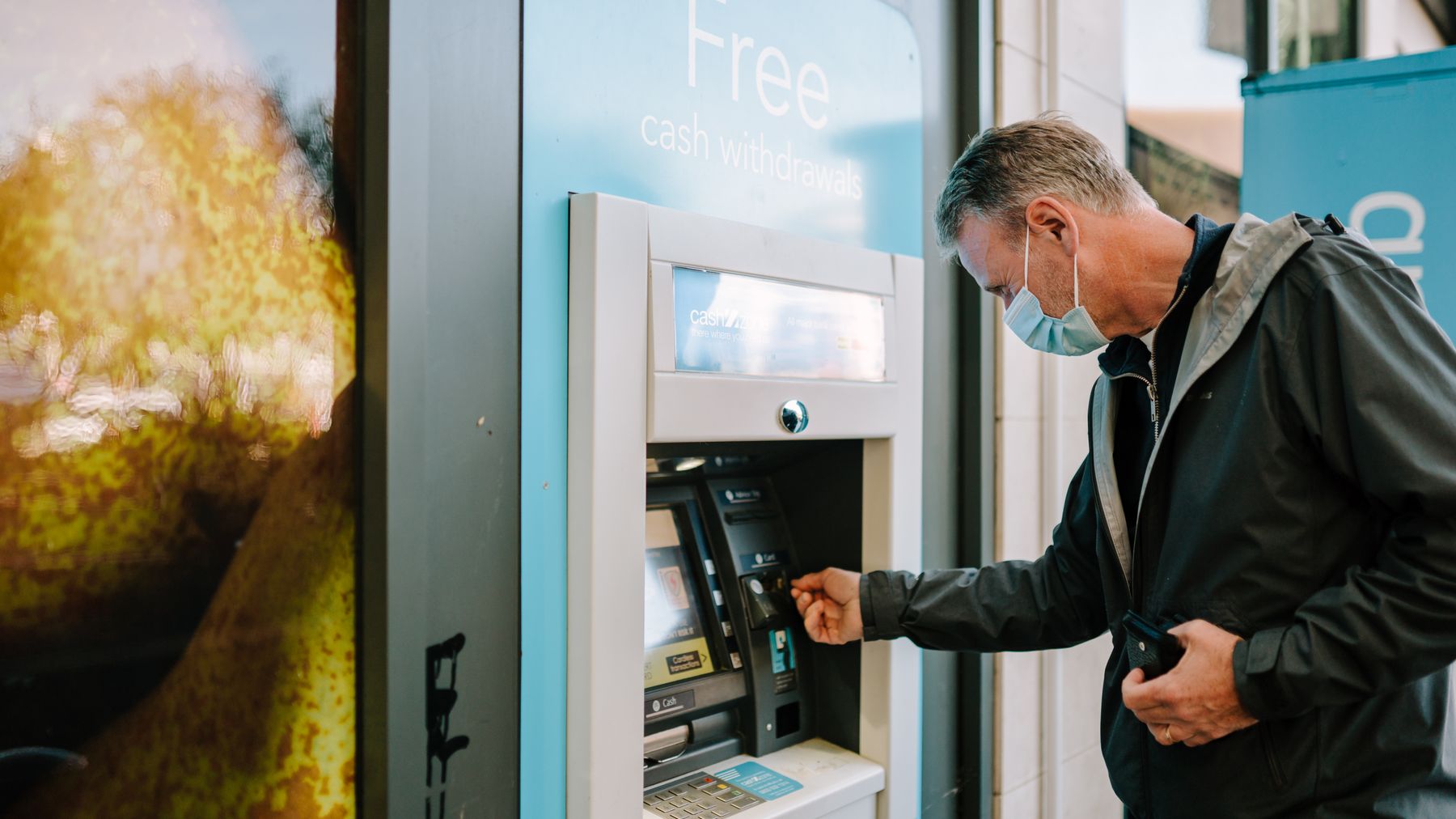
Photo by Centre for Ageing Better on Pexels
Alternative: get cash without ATM fees
Credit card cash advances (Vietcombank, BIDV): Charge your card at the counter, not the ATM. Fees are similar, but you get a receipt and can dispute errors. Downside: interest accrues immediately (usually 2–5% per month), so this is only smart if you plan to repay within days.
Money transfer services (like Wise, formerly TransferWise): Load a Wise debit card before you leave, then withdraw in Vietnam using their ATM network. Wise partners with Techcombank and others; the fee is usually lower (around 10,000 VND) and the exchange rate is transparent. Takes 24–48 hours to set up before travel, but worth it if you're staying 2+ weeks.
Exchange cash on arrival: If you're arriving in Hanoi or Saigon (사이공 / 西贡 / サイゴン), bring $200–300 USD or equivalent in cash and exchange it at a bank or licensed money exchanger (not the street). Airport rates are worse (2–3% markup), but major banks near Ben Thanh Market in Saigon or Dong Xuan Market in Hanoi give fair rates. You'll avoid the first ATM fee entirely.
Common pitfalls
- "Dynamic currency conversion" offers: Some ATMs ask if you want to see the charge in your home currency instead of VND. Always say no. The conversion rate they quote is typically 4–8% worse than the real market rate.
- ATMs that ask for a PIN twice: If an ATM rejects your PIN on the first try and asks again, cancel and try another machine. That's sometimes a skimming tactic.
- Withdrawing very late at night: Urban ATMs are reasonably safe, but the safest times are 8 AM–8 PM in busy areas. Avoid withdrawing large amounts after dark.
- Assuming all "international" ATMs have the same fee: They don't. Vietcombank, BIDV, and ACB ATMs next to each other might charge different amounts. Check the screen.

Photo by Vietnam Hidden Light on Pexels
What you'll actually spend
Assume these costs for a typical two-week trip:
- Three withdrawals of 3,000,000 VND each (9,000,000 VND total, roughly $375 USD).
- Vietnamese bank fees: 3 × 20,000 VND = 60,000 VND ($2.50 USD).
- US bank fees (example: 1% + $3 per transaction): 3 × $3 + 1% × 3 × $125 = $9 + $11.25 = $20.25 USD.
- Total fees: $22.75 USD, or about 6% of the cash withdrawn.
If you're in Vietnam longer or withdraw once, that percentage drops. If you withdraw five times in small amounts, it rises to 10%+.
Bottom line
You can't avoid fees entirely, but you can cut them roughly in half by withdrawing once or twice in large amounts, using Vietcombank or Techcombank, and knowing your home bank's policy beforehand. The Vietnamese banks are honest; the pain point is your card issuer's foreign transaction fee. If you travel to Vietnam frequently, opening an account with a bank that waives ATM fees abroad (or using Wise) pays for itself in a few trips.
Last updated · May 26, 2026 · independently researched, never sponsored.