Most travelers try to cram too much into a short trip, but the real texture of Vietnam (베트남 / 越南 / ベトナム) is found in the transit between regions. This 10-day itinerary relies on the Reunification Express rail line and local bus networks to move from the historic north to the humid, canal-laced south. It is not about luxury; it is about watching the landscape, the architecture, and the bowls of noodles change as you move 1,700 km down the coast.
Day 1-2: Hanoi and the Northern Rhythm
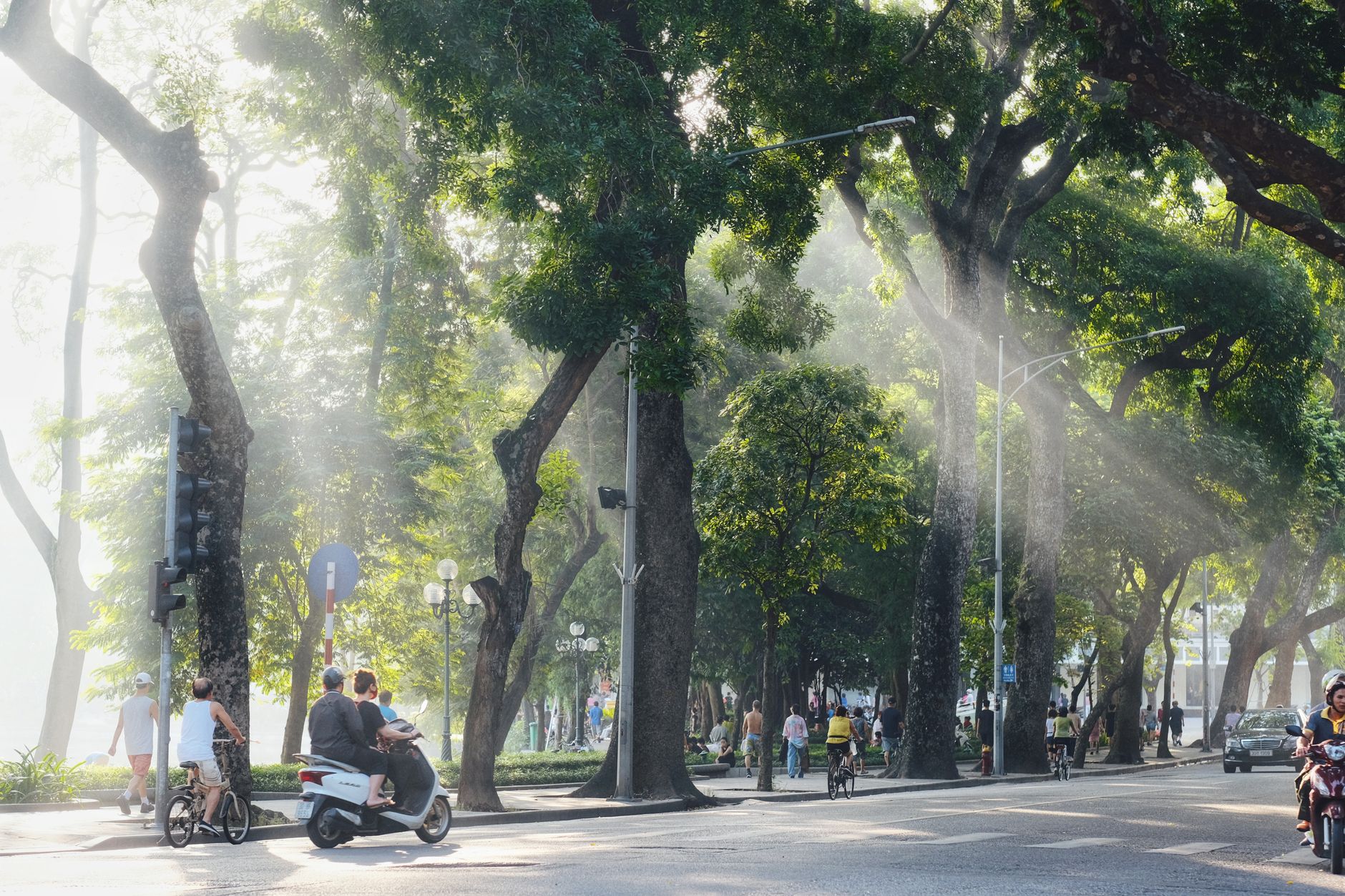
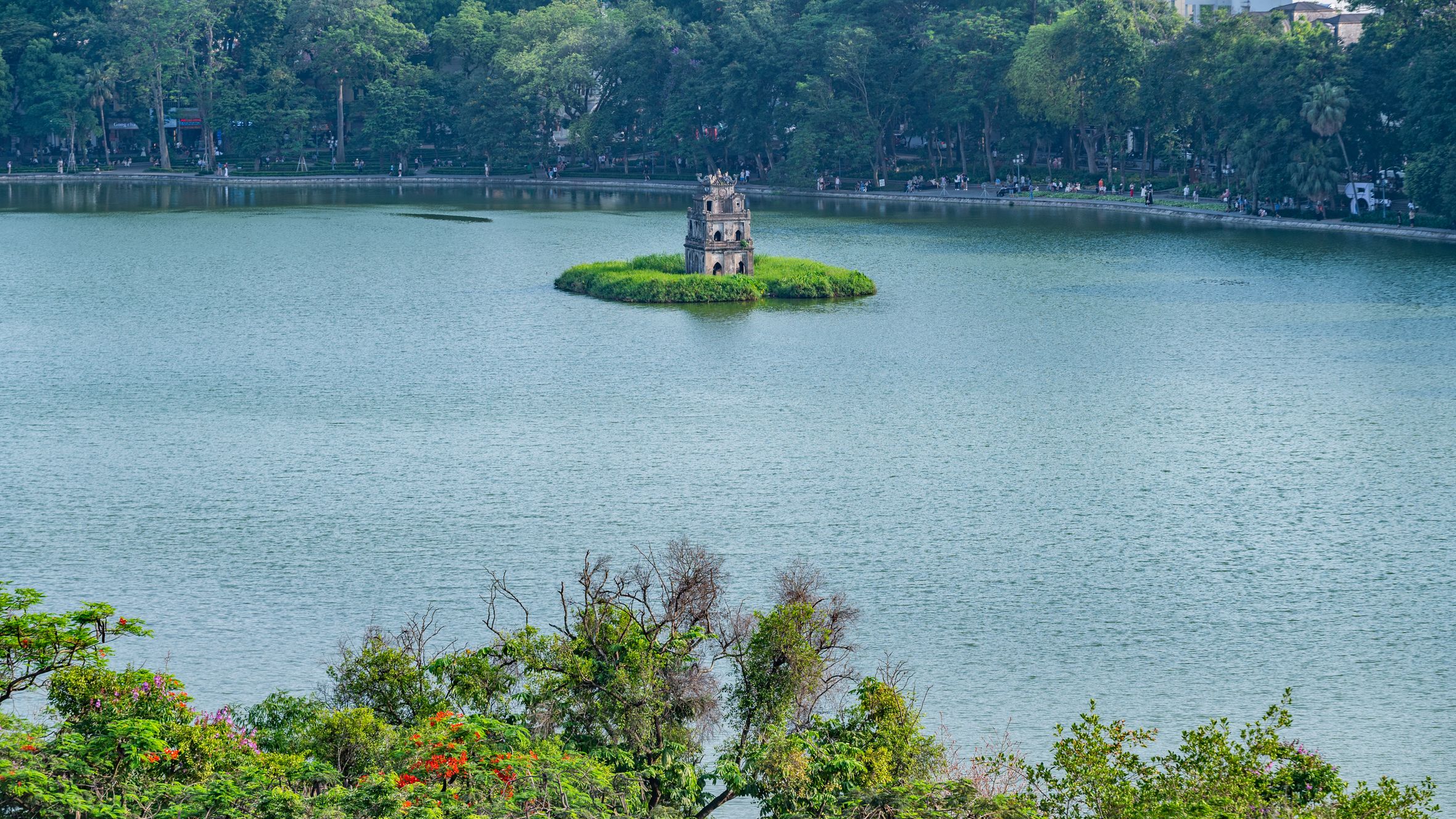
Start in Hanoi. Avoid the temptation to stay strictly in the Old Quarter. Spend your first two days walking the French-era boulevards near the "Temple of Literature" and "One Pillar Pagoda". For food, skip the tourist traps and find a stall serving "bun thang"—a delicate, chicken-based noodle soup that defines the northern palate. On your second evening, walk the "Long Bien Bridge" at sunset. It is a functional, rusted piece of history that offers a better view of the Red River than any rooftop bar.
Day 3-4: The Imperial Center of Hue
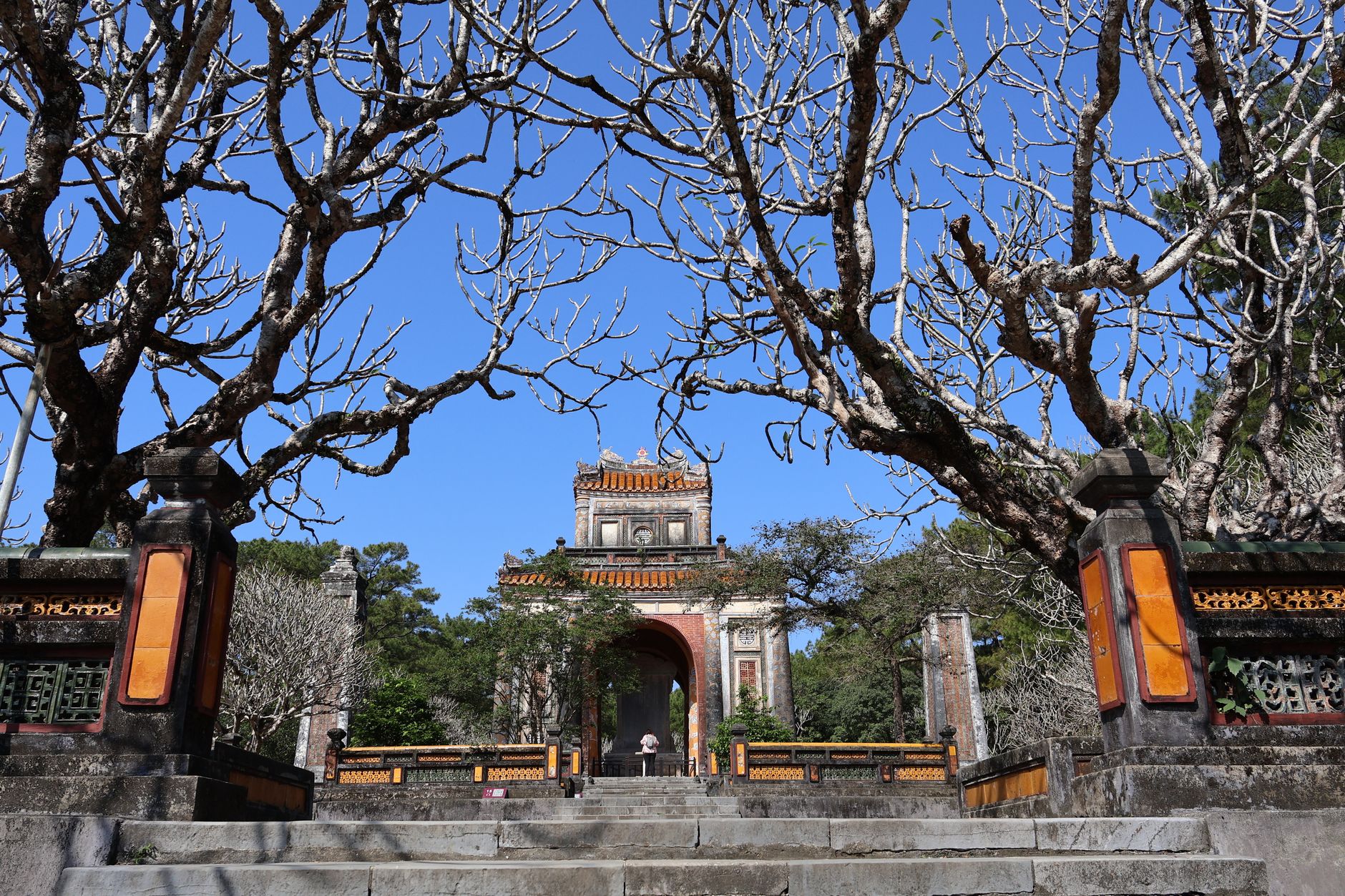
Take the overnight train south to Hue. It is a 12-hour journey that forces you to slow down. Once in Hue, the food shifts immediately; it is spicier and more refined. You must try "bun bo hue (분보후에 / 顺化牛肉粉 / ブンボーフエ)" for breakfast—the lemongrass-heavy broth is a stark contrast to the subtle flavors of the north. Spend your time cycling to the "Tomb of Tu Duc" and the "Tomb of Khai Dinh". These sites are sprawling and quiet if you arrive early. In the evening, look for stalls selling local rice cakes.

Photo by Toàn Đỗ Công on Pexels
Day 5-6: Hoi An and the Central Coast
Take a bus or private car over the Hai Van Pass to Hoi An. While the ancient town is crowded, the surrounding countryside is where the slow travel happens. Rent a bicycle and head toward the coast. In town, seek out "cao lau", a noodle dish unique to this region that uses water from local wells. Spend your second day visiting the nearby markets or taking a boat out toward the "Cu Lao Cham" islands if the weather permits. The pace here is dictated by the river, so spend your afternoons drinking "vietnamese coffee" by the water.
Day 7-8: The Highlands of Da Lat
Leave the coast and head inland to Da Lat. The climate shift is jarring—you will trade the humidity for cool, pine-scented air. Da Lat is the garden of the country. Visit the local markets to see the artichokes and strawberries that define the local agriculture. The food here is distinct, often featuring grilled snacks like "banh trang nuong" (often called Vietnamese pizza) to combat the evening chill. Spend your time wandering the hills rather than sticking to the central lake area.

Photo by Nguyen Ngoc Tien on Pexels
Day 9-10: Saigon and the Mekong Delta
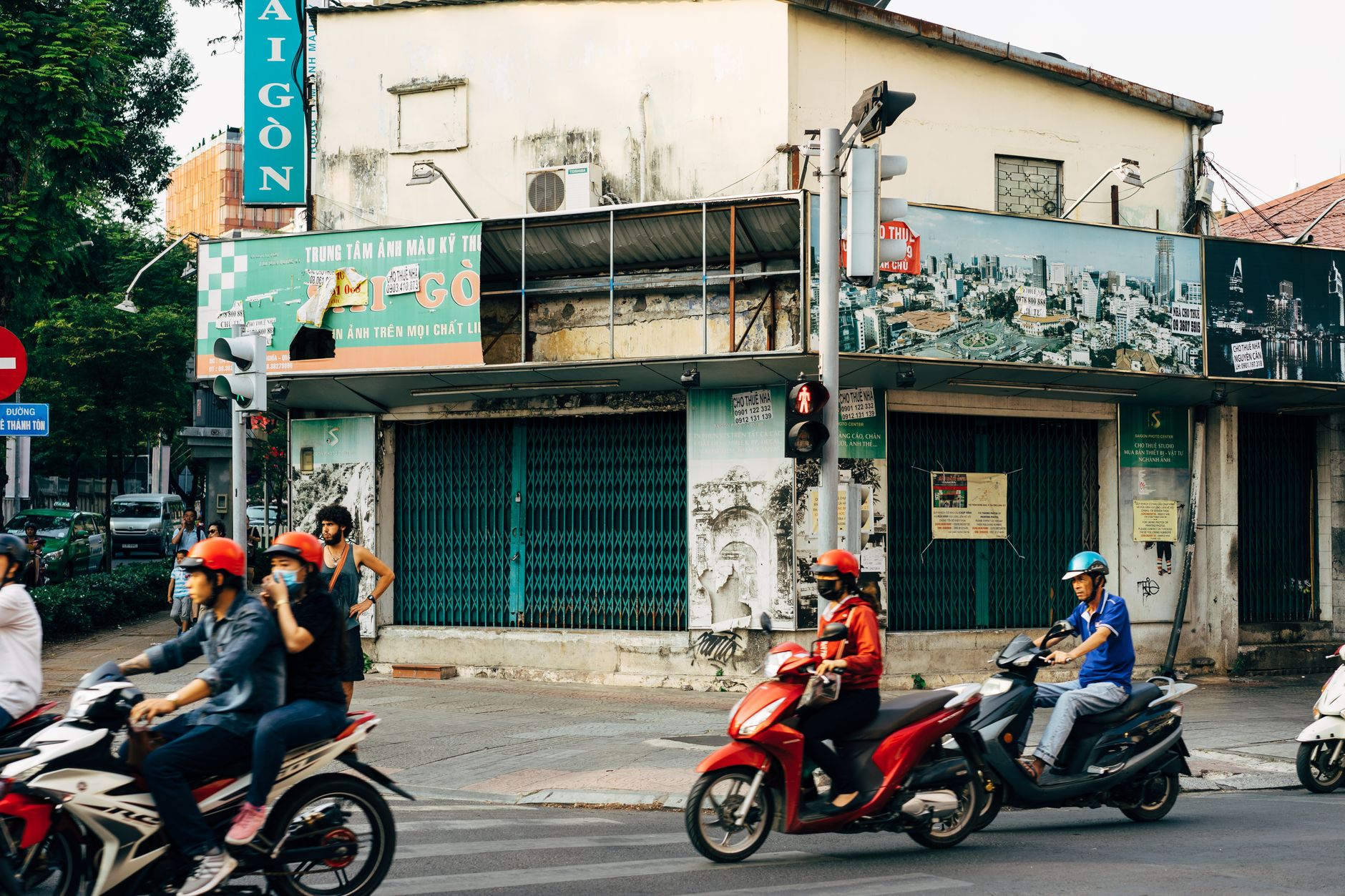
Finish your journey in Saigon. The energy here is frantic compared to the rest of the country. Dive into the "com tam" culture—broken rice served with grilled pork—which is the quintessential lunch for office workers. On your final day, take a bus to the edge of the Mekong Delta near Can Tho. Watch the river traffic and eat "hu tieu" at a floating market. It is the perfect end to a journey that started in the mountains of the north and ends in the silt-heavy waters of the south.
Practical notes
Book your train tickets at least a week in advance through the official railway website to ensure you get a soft-sleeper berth. Pack light; you will be navigating train platforms and bus stations where luggage space is limited and porters are rare. Always carry a small amount of cash in VND for street food, as most small vendors do not accept cards.
Last updated · May 30, 2026 · independently researched, never sponsored.