Binh Thuan sits on Vietnam (베트남 / 越南 / ベトナム)'s southeastern coast, squeezed between the sea and red sand dunes. The food here is shaped by that geography: fresh fish and squid dominate, cactus fruit (a regional obsession) appears in everything from juice to pickles, and noodle soups lean on seafood stock and shrimp paste. Most travelers bypass this province or pass through Phan Thiet without stopping properly. That's a mistake.
Binh Thuan's Signature Dishes
The province has three unmissable specialties that define eating here.
Mi Quang — the thin, turmeric-stained noodle soup common across central Vietnam, but Binh Thuan's version is specifically lighter and more herb-forward than Quang Nam's heavier version. The broth is built on shrimp stock, topped with a small portion of grilled shrimp or squid, peanuts, sesame crackers, and a heap of fresh herbs (mint, cilantro, dill). A bowl costs 35,000–50,000 VND at a local stall. Ask for mi quang tom (shrimp) or mi quang muc (squid). Skip restaurant versions; they're bloated with oil and MSG.
Hu Tieu — the clear, light noodle soup with pork bone or seafood broth. Binh Thuan's take uses fresh local shrimp and squid, thinly sliced, added raw to the hot broth. A standard bowl runs 40,000–60,000 VND. The texture of raw shrimp in hot broth is crucial — if it's tough or mushy, the soup was made hours ago. Eat it fresh, early in the morning at a wet market stall.
Banh Canh — a thicker noodle soup made with tapioca or rice flour, traditionally cooked until starchy and slippery. Binh Thuan's coastal version uses a stock of shrimp heads, pork ribs, and dried squid. A bowl costs 40,000–55,000 VND. The noodles should feel almost gelatinous; if they're firm and chewy, it's not the real thing. Many vendors add a small quail egg and a single piece of crab or shrimp.
Where Locals Eat: Markets and Street Corners
Forget sit-down restaurants for these meals. Binh Thuan's best food lives in wet markets and on street corners.
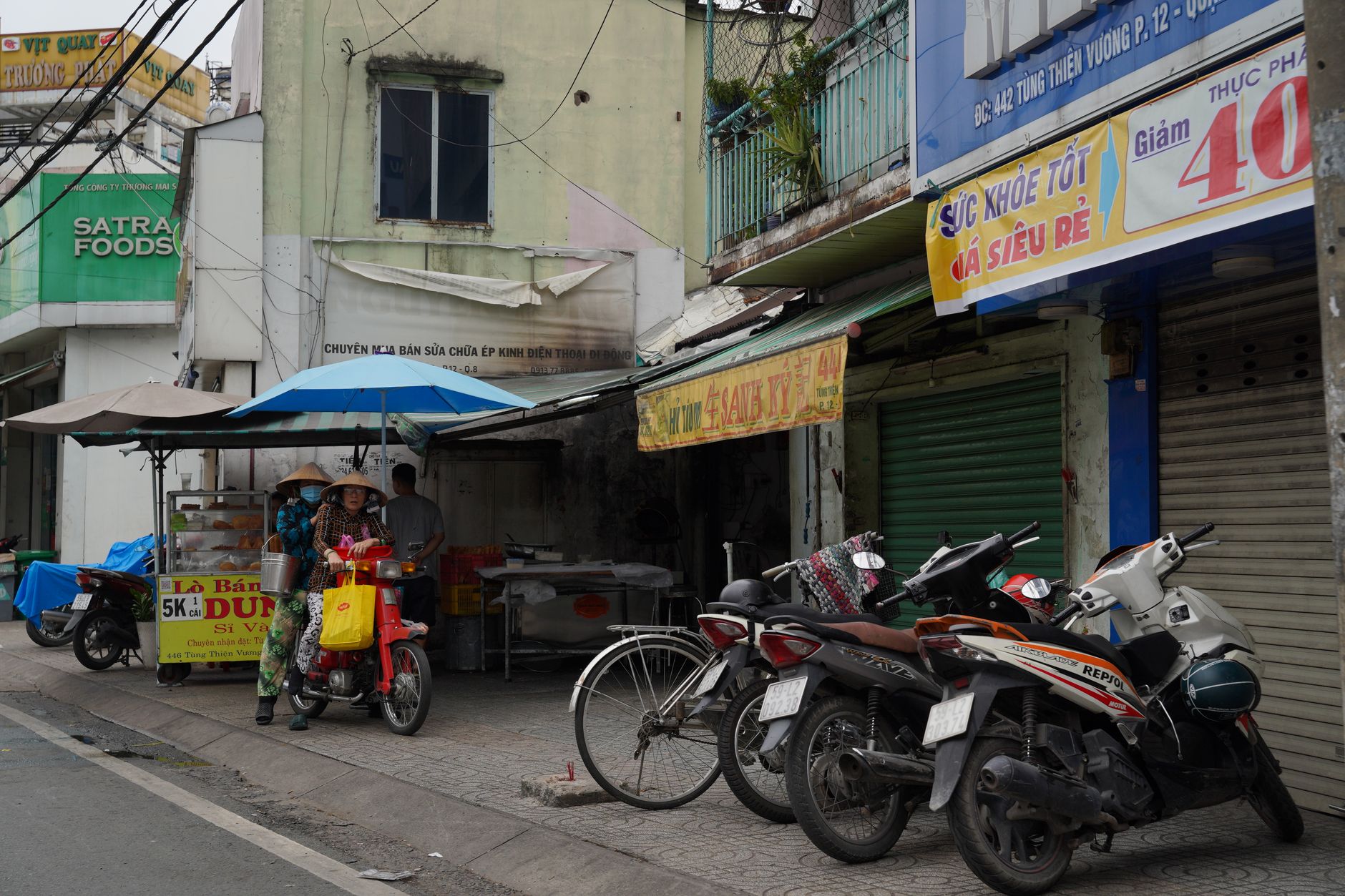
Phan Thiet Central Market (Cho Binh Thuan, or sometimes called Cho Lon) is the main market, crowded and sticky, full of seafood stalls on the ground floor and noodle vendors upstairs. Walk the noodle section early (6:30–8:00 a.m.) and pick the stall with the longest line. Each vendor specializes in one or two soups; the owner's grandmother probably invented the recipe. Expect to pay cash, eat standing at a plastic table, and sit elbow-to-elbow with factory workers and fishermen. This is the real thing.
Ham Tien Ward (Phan Thiet) — a mixed residential and commercial area about 2 km west of downtown, where you'll find banh canh (반깐 / 粗米粉汤 / バインカイン) stalls at dawn (5:30–7:30 a.m.) selling exclusively to locals. These vendors don't cater to tourists; they close by mid-morning. If you're serious about eating, stay there or sleep nearby.
Mui Ne beachfront and side streets — the tourist sprawl has some legitimately good banh mi and com tam stalls. The banh mi here uses local French bread (baked daily) with grilled shrimp or sardines; expect 25,000–35,000 VND for a well-made sandwich. Avoid the beachfront restaurants; they're priced for tourists and the fish is not fresh.
Seafood: Fresh and Grilled
Binh Thuan's coast supplies Saigon's high-end restaurants, so the fish and squid here are genuinely fresh. But there's a trick: order it at a casual open-air grill stall, not a sit-down restaurant.
Grilled squid is the easiest bet. A whole squid (about 300–400g) grilled over charcoal costs 120,000–180,000 VND. It's usually served with rice paper, fresh herbs, and a dipping sauce of lime, chili, and fish sauce. The squid should be tender and slightly charred, not rubbery. Ask the vendor to cut it thin so you can fold it into rice paper wraps.
Grilled shrimp (tom nuong) — large prawns from local catches, split lengthwise and grilled. You pay by weight (typically 250,000–350,000 VND per kg). Order half a kg if you're eating alone; it'll be 3–4 large shrimp. The flesh should be firm and sweet, not mushy or fishy-tasting.
Where to find these: look for stalls set up in small alleys or on side streets in Phan Thiet or Mui Ne around 5–6 p.m., when locals start cooking dinner. There's no signage; ask a local motorbike driver to point you to quan nuong (a grill spot). You'll eat better and cheaper than any tourist restaurant.

Photo by Marcus Luu on Pexels
Cactus Fruit and Local Produce
Binh Thuan's semi-arid landscape is ideal for cactus (prickly pear, or tram-phat in Vietnamese). The fruit is sweet, mildly astringent, and used in juice, pickles, jam, and even candy. If you're here April–June, when the fruit is in season, you'll see it everywhere—vendors selling whole fruits on street corners, juice stands advertising fresh nuoc tram (cactus juice), and markets stacked with jars of pickled cactus fruit.
Cactus juice — freshly pressed, diluted with a little lime and sugar, is refreshing and cheap (15,000–20,000 VND per glass). It's mildly sweet and slightly sour. Buy it from a vendor with a blender on the street; don't order it from a café (too sugary).
Cactus fruit pickles are sold in every market. They're sour, slightly spicy, and eaten as a side dish or snack. A jar (small, about 400g) costs 30,000–50,000 VND.
Cost Expectations
Binh Thuan is cheap. A full meal of noodle soup and a side of fried spring rolls at a local stall runs 60,000–80,000 VND. A grilled squid, rice, and vegetables for two people might total 250,000–350,000 VND. A banh mi sandwich and coffee costs 40,000–50,000 VND. The only places where you'll overpay is in Mui Ne's beachfront tourist strip, where seafood restaurants charge 200,000–400,000 VND for a modest grilled fish and rice.
If you're on a tight budget, eat at markets and street stalls. If you want to sit down, choose small family-run shops in residential neighborhoods, not tourist zones.

Photo by Hoàng Giang on Pexels
Tourist Traps and What to Skip
Mui Ne beachfront seafood restaurants — they're designed for package-tour groups and charge 2–3× what locals pay. The fish is often not fresh (it's been sitting in a display case). If you want seafood, go inland to a local grill spot.
Restaurant "fusion" versions of mi quang or banh canh — restaurants try to "improve" these soups with unnecessary garnishes, imported ingredients, or thickened broths. The best versions are at market stalls, served in chipped bowls, by vendors who've been doing it for 20+ years.
Packaged cactus products sold to tourists — overpriced jam and candy marketed as "Binh Thuan specialty" gifts. If you want cactus juice or pickles, buy them at the market for a third of the price.
Practical Notes
Binh Thuan's market food is best eaten early (6–8 a.m. for noodle soups). Many vendors close by 10 a.m. Grilled seafood is a dinner thing; stalls open around 5 p.m. If you're staying in Phan Thiet, ask your hotel staff where locals eat—they'll point you to alleys and neighborhoods tourists don't usually find. Bring cash; most street vendors don't take cards. And don't be put off by plastic tables and standing-room-only crowds—that's where the food is.
Last updated · May 29, 2026 · independently researched, never sponsored.