
Phu Yen gets overlooked by tourists rushing between Nha Trang (냐짱 / 芽庄 / ニャチャン) and Da Lat, which is exactly why it works. The province has calm beaches, fresh seafood, and manageable crowds. But the accommodation scene is smaller and less developed than coastal neighbors—which means fewer chain hotels, more local flavor, and prices that haven't inflated for Instagram crowds.
Understanding where to stay here matters. The province sprawls across three main areas: Tuy Hoa town (the administrative hub), the beaches around Song Cau, and scattered coastal villages. Your choice shapes how much beach time you get versus cultural immersion.
Tuy Hoa Town: Budget and Local Life
Tuy Hoa is the capital of Phu Yen province, 55 km north of Nha Trang. It sits inland, away from the coast, so if you're purely beach-focused, this isn't ideal. But if you want to eat where locals eat, haggle at markets, and avoid tourist markups, this is your base.
Guesthouses cluster around Tran Hung Dao Street and Le Thanh Ton Street, near the central market. Budget rooms run 150,000–300,000 VND (€6–12) a night. You're looking at bare-bones fan rooms with a bed, a squat toilet, maybe a cold shower. Wifi exists but may be temperamental. The upside: you're living in a real town, not a tourist strip. Restaurants nearby serve com tam (broken-rice) and pho at local prices. A full meal costs 30,000–50,000 VND (€1.20–2).
Why stay here? You're heading to Ha Noi or Da Lat (달랏 / 大叻 / ダラット) and just need a transit stop. You want to visit nearby Nhan Phu Beach (8 km away) or the Ma Trang Waterfall (25 km) without paying resort markups. You're on a genuinely tight budget and don't mind a basic room.
Why skip it? You want beach walking distance. You expect hot water, A/C, or consistent wifi. You're only staying 2–3 nights and don't want to spend it in a transport hub.
Song Cau: Mid-Range Beach Town
Song Cau sits 70 km south of Tuy Hoa, hugging a working fishing harbor. It's a real port town—boats unload squid and fish every morning—not a resort village. The waterfront is gritty and authentic, with seafood restaurants run by fishermen's families. The beach is sandy but pebbly in places, calm, and nearly empty.
Accommodation here is semi-developed. Mid-range guesthouses and small family-run hotels charge 400,000–700,000 VND (€16–28) for a double room with A/C, hot water, and decent wifi. You get a ceiling fan (sometimes A/C), clean sheets, and often a balcony with sea views. Breakfast is basic—bread, jam, instant coffee—but included. Staff speak limited English but are patient.
Some options:
- Song Cau Harbor view guesthouses (no global chain presence): book through Booking.com or ask at cafes. Expect 500,000 VND for a sea-facing room. The sound of fishing boats and roosters starts at 4 a.m., but that's authentic.
- Small family hotels like basic 2-star places: ~600,000 VND, slightly more amenities and quieter locations set back from the port.
Eating out is brilliant here. Fresh "ca trai nuong" (grilled fish) or "muc nuong" (grilled squid) costs 80,000–150,000 VND (€3.20–6) per plate, caught that morning. Local beer (Bia Saigon) is 15,000 VND per 330 ml bottle.
Why stay here? You want a beach town that hasn't been gentrified. You're into seafood and want to eat breakfast at 5 a.m. watching fishermen. You're comfortable with basic amenities and local chaos. You have 3–5 days and want to slow down.
Why skip it? You need reliable A/C or work-grade wifi. You prefer restaurants with English menus and tourist infrastructure. You get restless without organized tours.
Tuy An District: Quiet Coastal Escape
Tuy An stretches along the coast south of Song Cau, quieter still. This is where small beach resorts and homestays are starting to appear. You're talking 30–40 km of relatively empty coastline with fishing villages, salt ponds, and occasional small hotels.
Accommodation is sparse but growing. New mid-to-upscale guesthouses (200–300 rooms across the whole district) charge 600,000–1,200,000 VND (€24–48) for a clean room with A/C, sea view, and breakfast. Some places offer kayaking, snorkeling, or motorbike tours as add-ons.
Example price bracket: A 3-star beachfront homestay with 10 rooms, restaurant, and kayak rentals might charge 800,000 VND (€32) for a double with breakfast. You're not paying for a brand name, just decent service and location.
Food in Tuy An is simpler—fewer restaurants, more homestay meals. Expect 150,000–250,000 VND (€6–10) for lunch or dinner at guesthouses, slightly lower at local street stalls.
Why stay here? You want beach access without crowds or hype. You're a couple or small group with 4+ nights. You want minimal logistics (homestay handles meals, tours, ground transport). You don't need nightlife or shopping.
Why skip it? You need nightlife, multiple restaurant choices, or reliable transport options. You're solo and want social energy. You have only 1–2 nights.
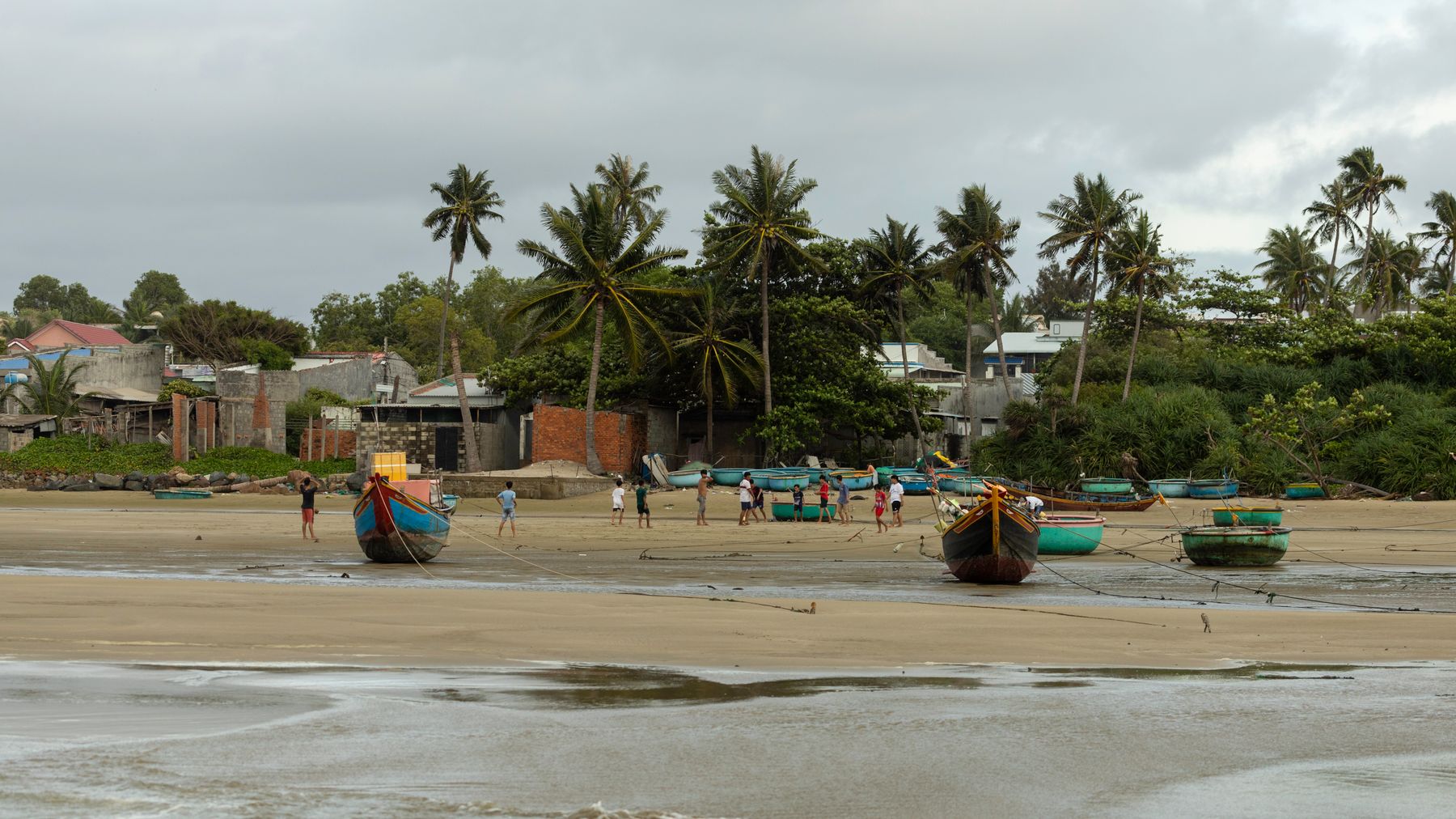
Photo by Serg Alesenko on Pexels
Nha Trang Day-Trip Alternative
Phu Yen is close enough to Nha Trang (50–60 km) that some travelers base themselves there and day-trip to Phu Yen beaches. Nha Trang has more hotels, more competition, cheaper rates (200,000–500,000 VND / €8–20 for budget-to-mid-range), and more English-speaking staff. If you want infrastructure with Phu Yen day-use, this works.
Downside: you're still in a tourism bubble. You miss the quieter rhythm of staying overnight in Song Cau or Tuy An. Nha Trang beaches are crowded. But for a 1–2 day stopover, it's practical.
Luxury Options (Limited)
Phu Yen has no international chains (no Marriott, Hilton, etc.). If you want upscale, look for:
- Beachfront eco-resorts in Tuy An (boutique, 10–30 rooms): 1,500,000–2,500,000 VND (€60–100). Often family-run, good seafood, spa, pool. Booking.com or direct inquiry.
- High-end homestays with private beach access: 1,200,000–1,800,000 VND (€48–72).
Luxury here means "clean, quiet, sea views, good food," not a spa lobby or turndown service. If you need those, Nha Trang is 1.5 hours south.
Photo by Quang Nguyen Vinh on Pexels
Getting Around
No buses connect the scattered beach neighborhoods reliably. You'll need a motorbike (rental: 100,000–150,000 VND / €4–6 per day from guesthouses) or arrange rides through your hotel. Taxis are rare outside Tuy Hoa town. Most guesthouses can hire a driver for ~300,000 VND (€12) for a half-day.
Practical Notes
Book guesthouses and mid-range hotels through Booking.com, Agoda, or by calling ahead (English often limited). Cash (VND) is essential outside Tuy Hoa; ATMs are scarce in beach villages. The best season is October to April (dry, cool). May to September brings rain and typhoon risk. June to August is hot and crowded (Vietnamese summer holidays). Visit in April or October for calm seas and fewer people.
Last updated · May 29, 2026 · independently researched, never sponsored.






