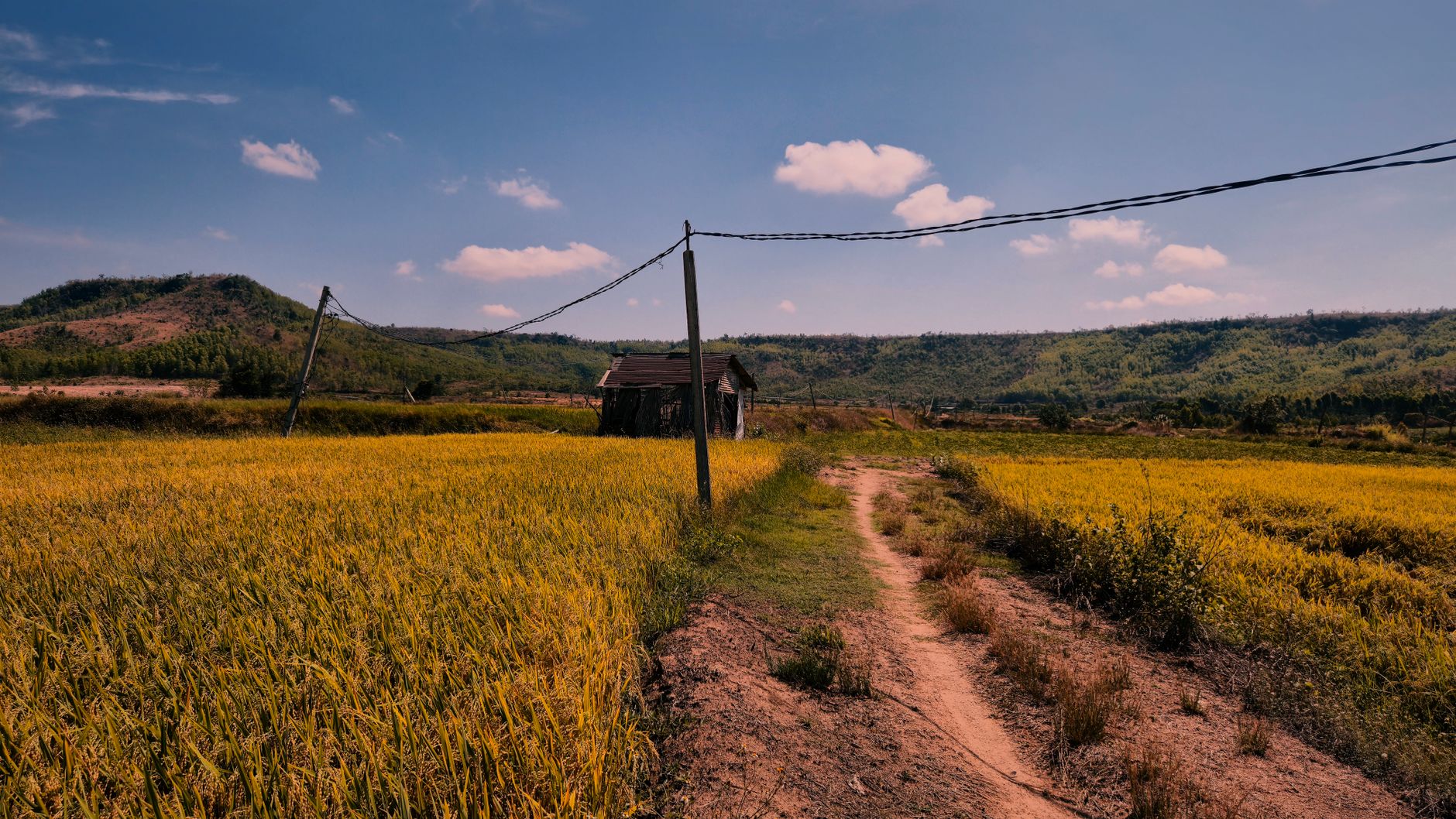
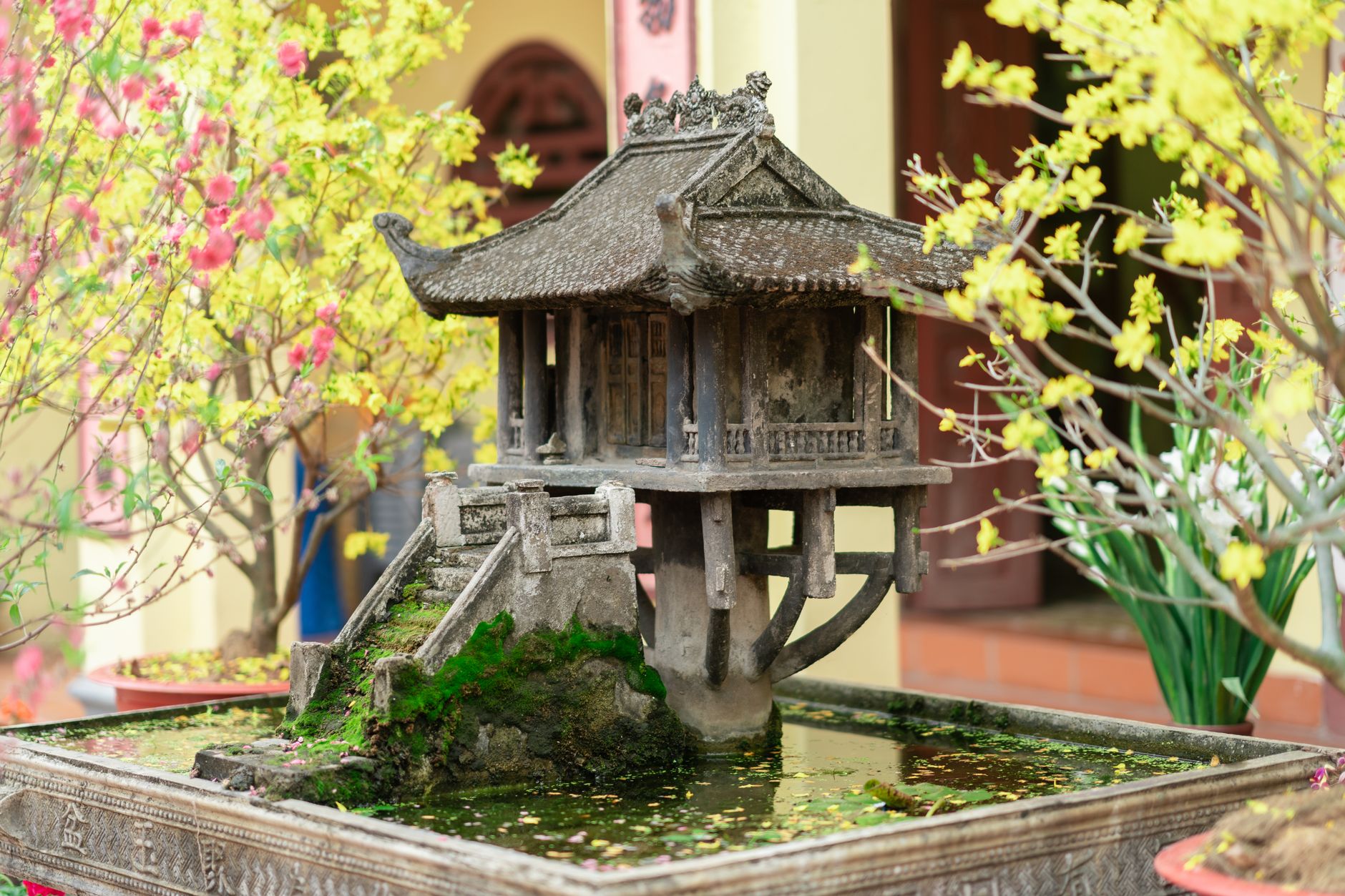
Gia Lai isn't a beach destination or colonial hill station, so don't expect the hostel density of Hanoi or Saigon, or the resort sprawl of Phu Quoc. What you get instead is straightforward, affordable lodging in and around Pleiku city—the provincial capital—aimed at Vietnamese travelers, business visitors, and a small stream of tourists passing through on the way to or from Ha Giang or further afield.
The good news: prices are low, no-frills guesthouses feel genuinely local, and you won't be nickeled and dimed by tourist inflation. The tradeoff is that high-end options are thin on the ground, and English-language booking sites often under-list what's actually available.
Pleiku City Center
This is where 95% of visitors stay. Pleiku proper sits at around 750 m elevation on the Central Highlands (중부 고원 / 中部高原 / 中部高原) plateau, so the air is crisp year-round and mosquitoes are less of a nuisance than in lowland Vietnam.
Budget: 200,000–400,000 VND (~$8–16 USD)
Guesthouses cluster around the old city core near Nguyen Hue Street and around the central market (Cho Pleiku). Look for signs reading "Nha Tro" or "Phong Tro"—these are backpacker-adjacent budget rooms, many run by locals who've never had an English review. Expect: clean concrete-block rooms, thin mattresses, cold-water showers (hot water is rare at this price), and maybe no AC in the cheapest places. WiFi is often included. Bathrooms are shared or private depending on price.
Specific tip: walk the side streets branching off Nguyen Hue (후에 / 顺化 / フエ) between the market and Tay Nguyen Street. You'll find 20+ unlisted guesthouses. Talk to the owners directly—many offer weekly discounts (giam gia) if you stay 3+ nights.
Mid-range: 400,000–800,000 VND (~$16–32 USD)
Small family-run hotels start here. These offer en-suite rooms, hot water (sometimes electric shower heads, sometimes solar), AC, and a breakfast nook or coffee corner. Some have a small restaurant. Staff rarely speak English but are patient and helpful. Rooms are often on the small side—think 15–20 m²—but tidy and freshly painted.
Hotel clusters: the block around Tran Hung Dao Street (west side of the market) has several mid-range options. Also check the area near Hung Vuong Street, a slightly quieter strip with a handful of newer places.
What you get: a private bathroom, decent bed, hot shower, and someone at the desk 24/7. Some places throw in a light breakfast—bread roll and egg coffee or instant coffee.
Who it suits: backpackers staying 2–4 nights, motorcycle travelers, anyone on a tight budget who doesn't need frills.
Tay Nguyen Street (South Side)
This is the "upmarket" strip of Pleiku, running south from the city core. Hotels here face lower streets and tend to be slightly newer.
Mid-range to comfort: 600,000–1,200,000 VND (~$24–48 USD)
Hotels like Pleiku Dream Hotel and a handful of others sit on or near this strip. Rooms are bigger (25–30 m²), beds are firmer, air-con is reliable, and hot water is plentiful. Some have a small restaurant or cafe, elevator access (rare in budget wards), and higher ceilings. A step up in finish without a huge jump in price.
Parking is less chaotic here than in the market ward, and the neighborhood is slightly quieter—better if you want to escape the morning market bustle.
Who it suits: tourists on a moderate budget (couples, small groups), business travelers, anyone wanting a comfortable room without resort markups.

Photo by Gibson Chan on Pexels
Pleiku Periphery (Ong Ich Khiem Street & Beyond)
If you have a motorbike or are okay with a short taxi ride, the outskirts offer a few newer hotels in quieter settings.
Mid-range to upper-mid: 700,000–1,400,000 VND (~$28–56 USD)
Hotels like Pleiku Garden Hotel sit on this road heading east out of town. These tend to be built in the last 5–10 years, with larger rooms, better bedding, possibly a small pool or garden, and more English-speaking staff. Still no-frills by beach-resort standards, but noticeably more comfortable than city-center budget places.
Trade-off: you're 10–20 minutes from the market and main restaurants, so you'll need transport to explore. Most visitors find it more convenient to stay in the center.

Photo by Quang Nguyen Vinh on Pexels
Practicalities & Tips
Booking: Agoda and Booking.com list most mid-range hotels, but budget guesthouses are often missed. Calling ahead (a receptionist or hotel staff can arrange a translator call for you) often yields better prices, especially for 3+ night stays.
Water & electricity: Power cuts are rare but not unheard of. Generators are common in mid-range places; budget guesthouses may shut down briefly. Cold showers are the norm in budget rooms; bring a jumper if you're cold-water–averse.
Breakfast: very few places include it. Most travelers grab coffee and bread at a sidewalk stall for 20,000 VND nearby. Some mid-range hotels offer an optional breakfast for 60,000–80,000 VND.
Transportation: taxis and Grab work in Pleiku. Walking the city center is safe and takes 15–20 minutes end-to-end. Many hotels offer motorbike rental (200,000–300,000 VND/day) if you want to explore the province—Chu Seh waterfall, local coffee plantations, Kon Tum province—on your own.
Language: English is minimal outside mid-range hotel reception. Learn a few Vietnamese phrases or use Google Translate for written requests.
Practical Notes
Gia Lai is not a destination for luxury travelers; there's no five-star resort infrastructure. What matters here is cleanliness, reliability, and location—all of which mid-range hotels deliver at very fair prices. Budget guesthouses work well if you're young, flexible, and happy in a basics-only room. Either way, book 1–2 nights ahead in the high season (Oct–Nov) and any time a national holiday approaches; outside those windows, walk-in rates are the norm and proprietors will negotiate. Pleiku is an honest, unpretentious town—choose a place that fits your comfort level and plan to spend your time exploring the Highlands, not the hotel lobby.
Last updated · May 29, 2026 · independently researched, never sponsored.