— КОНЕЦ —
Последнее обновление · May 30, 2026 · независимое исследование, без спонсорства.
We use minimal analytics + ads (no personal tracking). See our privacy policy.
Navigating a Vietnamese hospital is stressful enough without a language barrier. Here are the specific phrases you need to communicate your condition clearly to medical staff.
Другие статьи об этом городе.

Winter in the north is damp, grey, and surprisingly chilly. Forget the tropical gear and pack for layering to survive the humidity.

…
Hotels, homestays, hostels — strongest inventory in Vietnam.
Thousands of foreigners teach English or freelance in Vietnam on tourist visas. Here is what Vietnamese law actually says, when it gets enforced, and how to do it properly.
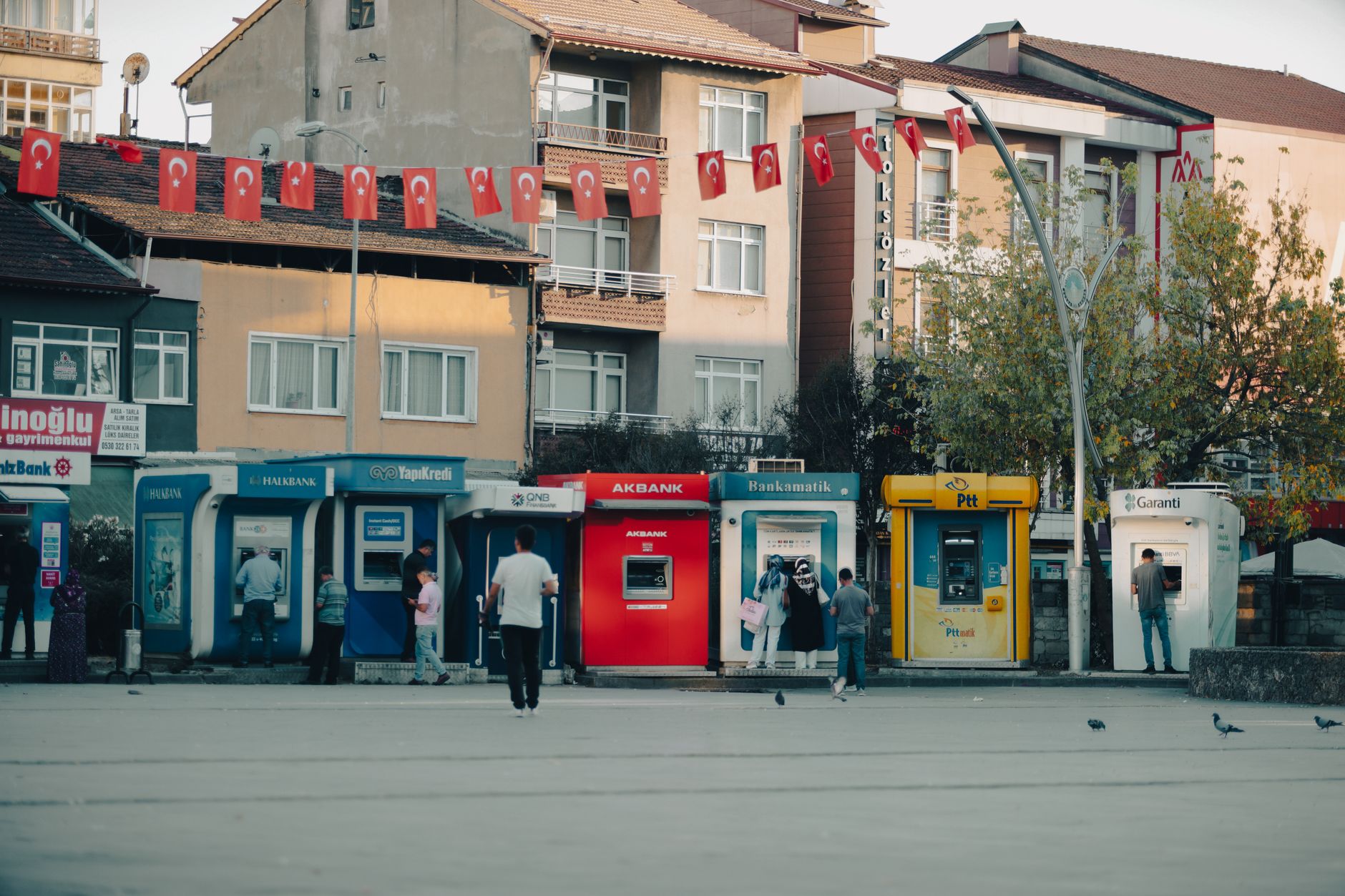
The Wise debit card works well in Vietnam if you know the fee structure. Here's how to use it at ATMs and merchants without losing money on bad rates.
Другие статьи в этом регионе.

The Wise debit card works well in Vietnam if you set it up right. Here's how to avoid fees, use the VND balance, and when it beats alternatives.

Vietnam's wellness scene has matured fast. Here's how to spend 7 days across four retreats — Hoi An, Da Lat, Phu Quoc, and Mai Chau — depending on your pace and budget.
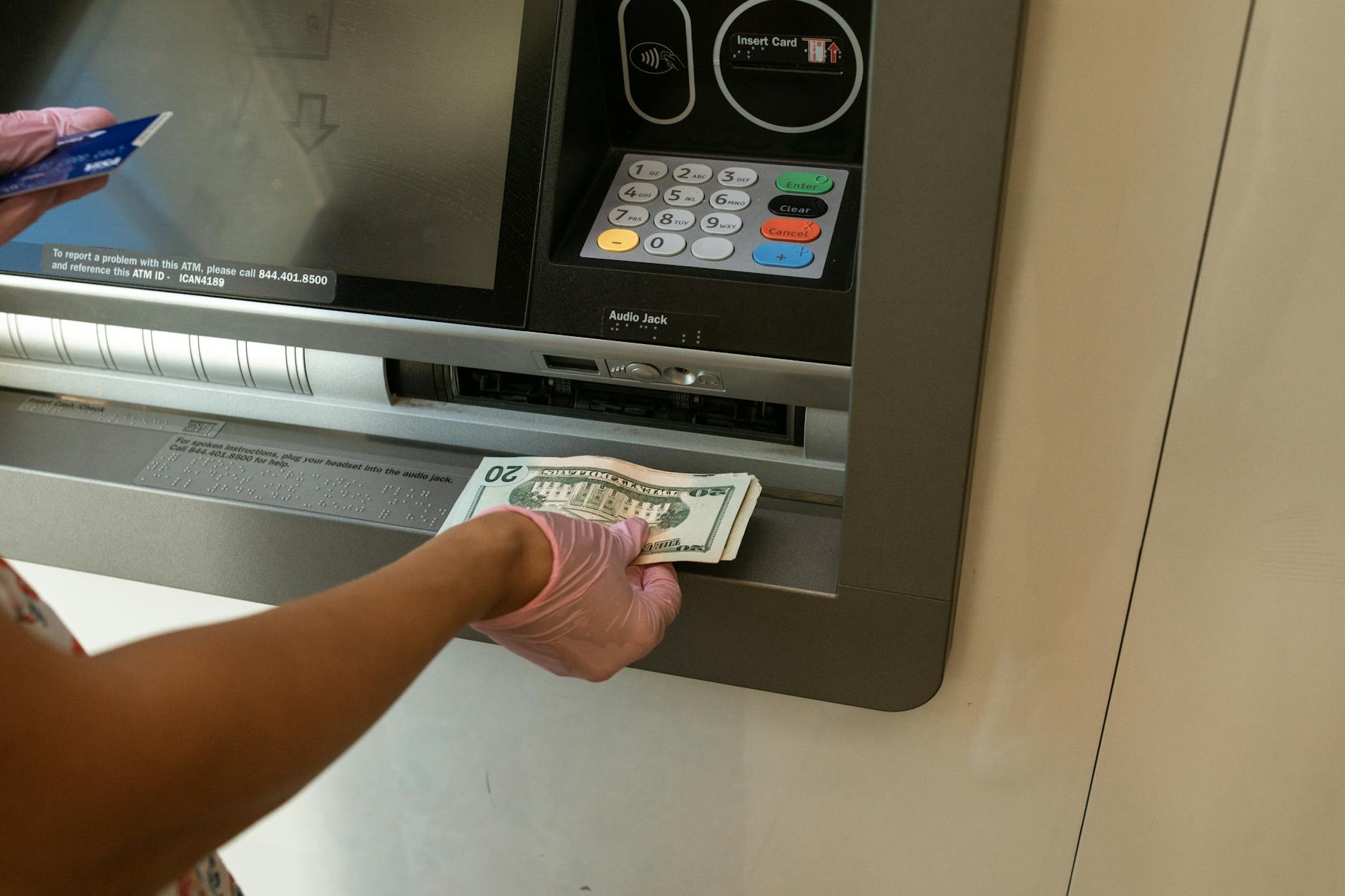
Vietnam runs on dong, but there are real situations where USD cash matters. Here is where you can actually pull USD from an ATM or bank counter.
More articles from the same category.
Forget the heavy gear. Packing for the Mekong Delta is about managing humidity, protecting your skin, and staying mobile on the water.

Wise works for sending VND to Vietnamese banks, but the process has quirks. Here's what fees to expect, which banks receive fastest, and why transfers get rejected.
Fees, speeds, and bank coverage compared for the three most-used international transfer services into Vietnam — so you pick the right one before you send.
Forget the resort-brochure packing lists. Here is the gear you actually need for Vietnam's coast, from the sands of Da Nang to the islands of Phu Quoc.
Mastering basic time and day markers in Vietnamese will save you from missed buses and confused taxi drivers. Here is the essential cheat sheet for your trip.

Most travel insurance policies have gaps that matter specifically in Vietnam — motorbike coverage, medical evacuation, and hospital payment methods. Here is what to check before you buy.
Getting sick or injured while traveling in Vietnam (베트남 / 越南 / ベトナム) is an immediate reality check. While many international clinics in Saigon or Hanoi have English-speaking staff, you may find yourself in a local district hospital or a smaller clinic where English is limited. Having a few precise, functional phrases on hand can be the difference between a quick diagnosis and hours of confusion.
Vietnamese is a tonal language, but in a medical emergency, clarity is more important than perfect pitch. If you are in pain, speak slowly and use short, direct sentences. If you have a travel insurance card or a list of your allergies, keep them printed in a small plastic bag in your wallet. Handing over a piece of paper is often more effective than trying to explain a medical history in a second language.
Phrase: Toi bi dau o day.
Pronunciation: Toy bee dow uh day.
Context: This is your primary tool. Point to the specific area of your body while saying this. If you have stomach pain, you can add bung (stomach) to the end: Toi bi dau o bung. For a headache, use dau dau.
Phrase: Toi bi di ung voi...
Pronunciation: Toy bee dee oong voy...
Context: This is critical. If you are allergic to penicillin or specific foods, have the name of the allergen written down in Vietnamese. Follow this phrase with the name of the medication or substance. If you carry an EpiPen, show it to the nurse immediately.

Photo by Loifotos on Pexels
Phrase: Phong cap cuu o dau?
Pronunciation: Fong cap coo uh dow?
Context: In a large hospital complex, signs can be confusing. Phong cap cuu is the standard term for the emergency department. If you are in a smaller clinic, you can simply ask Bac si o dau? (Where is the doctor?).
Phrase: Co bac si nao noi duoc tieng Anh khong?
Pronunciation: Caw bac see now noy duoc tieng Ang khong?
Context: Most hospitals in major cities like Da Nang or Ho Chi Minh City (호치민시 / 胡志明市 / ホーチミン市) will have at least one staff member on duty who can manage basic English. Do not be afraid to ask this repeatedly if you feel you are not being understood.
Phrase: Chi phi la bao nhieu?
Pronunciation: Chee fee la bow hieu?
Context: Vietnamese hospitals often require payment upfront or a deposit before procedures. It is standard practice to ask for the cost of a consultation or test before agreeing to it. If you are using travel insurance, ask for an hoa don do (red invoice/official receipt) for your claim later.
Photo by Loifotos on Pexels
Phrase: Toi bi chong mat.
Pronunciation: Toy bee chong mat.
Context: If you are suffering from heat exhaustion—a common issue for travelers in the central region—this phrase alerts staff that you are a fall risk and need to sit or lie down immediately.
When you arrive, you will likely be asked for your passport. Keep a photocopy or a digital scan on your phone. If you are visiting a public hospital, expect a more chaotic environment than you might be used to at home. Family members often stay in the room to assist with patient care, which is a cultural norm here. Don't be alarmed by the presence of non-medical staff in the wards; it is simply how the system functions.
If you find yourself needing a pharmacy, look for signs that say Nha Thuoc. Many pharmacists in Vietnam are highly knowledgeable and can provide basic advice for minor ailments like a stomach bug from a bad batch of "bun cha" or a scrape from a motorbike ride. However, for anything involving high fever, severe abdominal pain, or deep lacerations, go straight to a hospital.
Stay calm, keep your passport and insurance details accessible, and don't hesitate to use translation apps if your spoken Vietnamese isn't getting the point across. Most medical staff are accustomed to helping foreigners and will appreciate your effort to communicate clearly.