— КОНЕЦ —
Последнее обновление · May 30, 2026 · независимое исследование, без спонсорства.
We use minimal analytics + ads (no personal tracking). See our privacy policy.
Forget the resort-brochure packing lists. Here is the gear you actually need for Vietnam's coast, from the sands of Da Nang to the islands of Phu Quoc.
Другие статьи об этом городе.
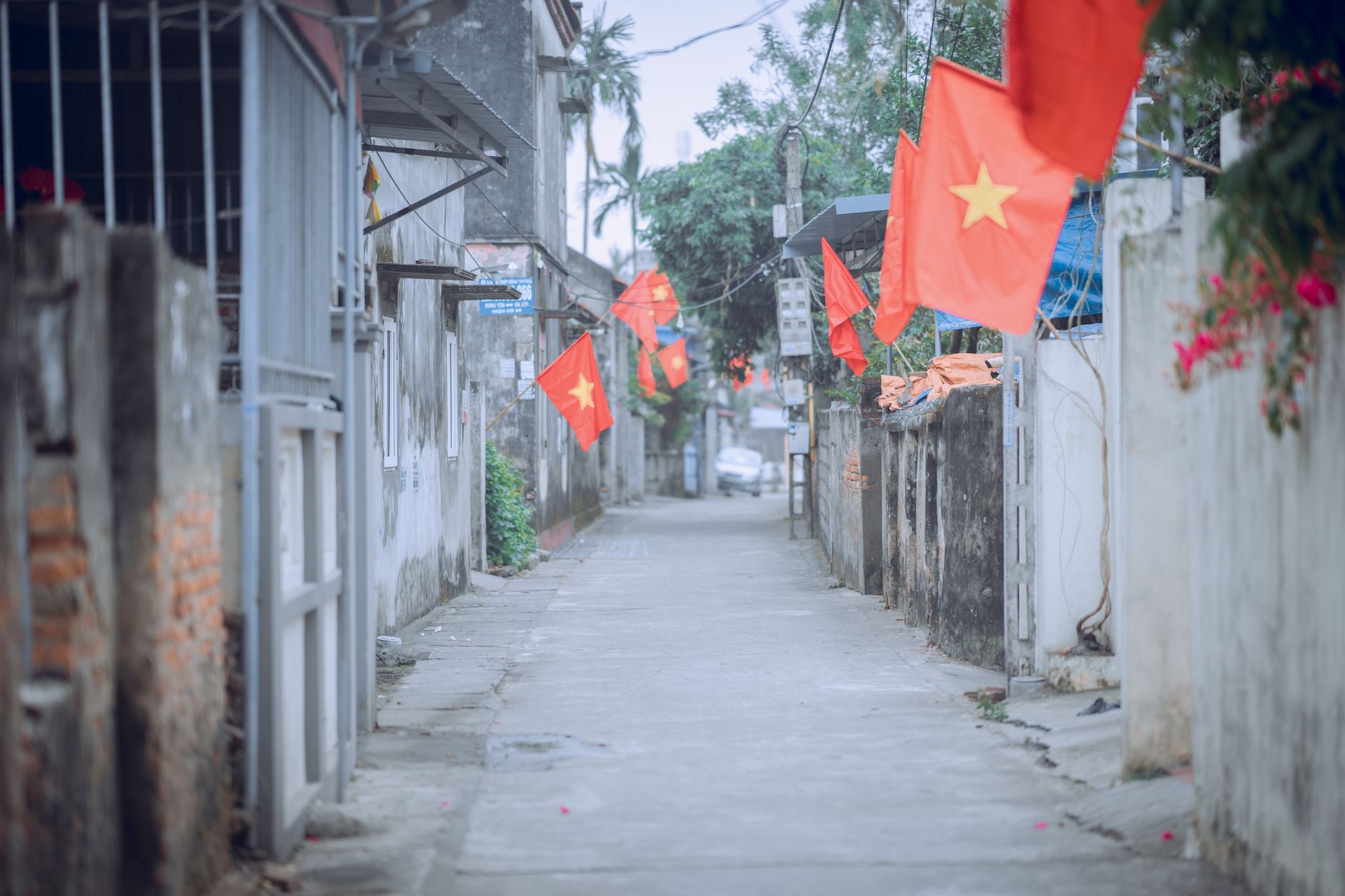
Navigating Vietnam's winding alleys is easier when you have a few phrases in your pocket. Here is how to ask for help without relying on a screen.
…
Hotels, homestays, hostels — strongest inventory in Vietnam.
Navigating a Vietnamese hospital is stressful enough without a language barrier. Here are the specific phrases you need to communicate your condition clearly to medical staff.

Navigating a clinic or hospital in Vietnam can be stressful when you are unwell. Here are the essential phrases to help you describe your symptoms clearly.
Другие статьи в этом регионе.
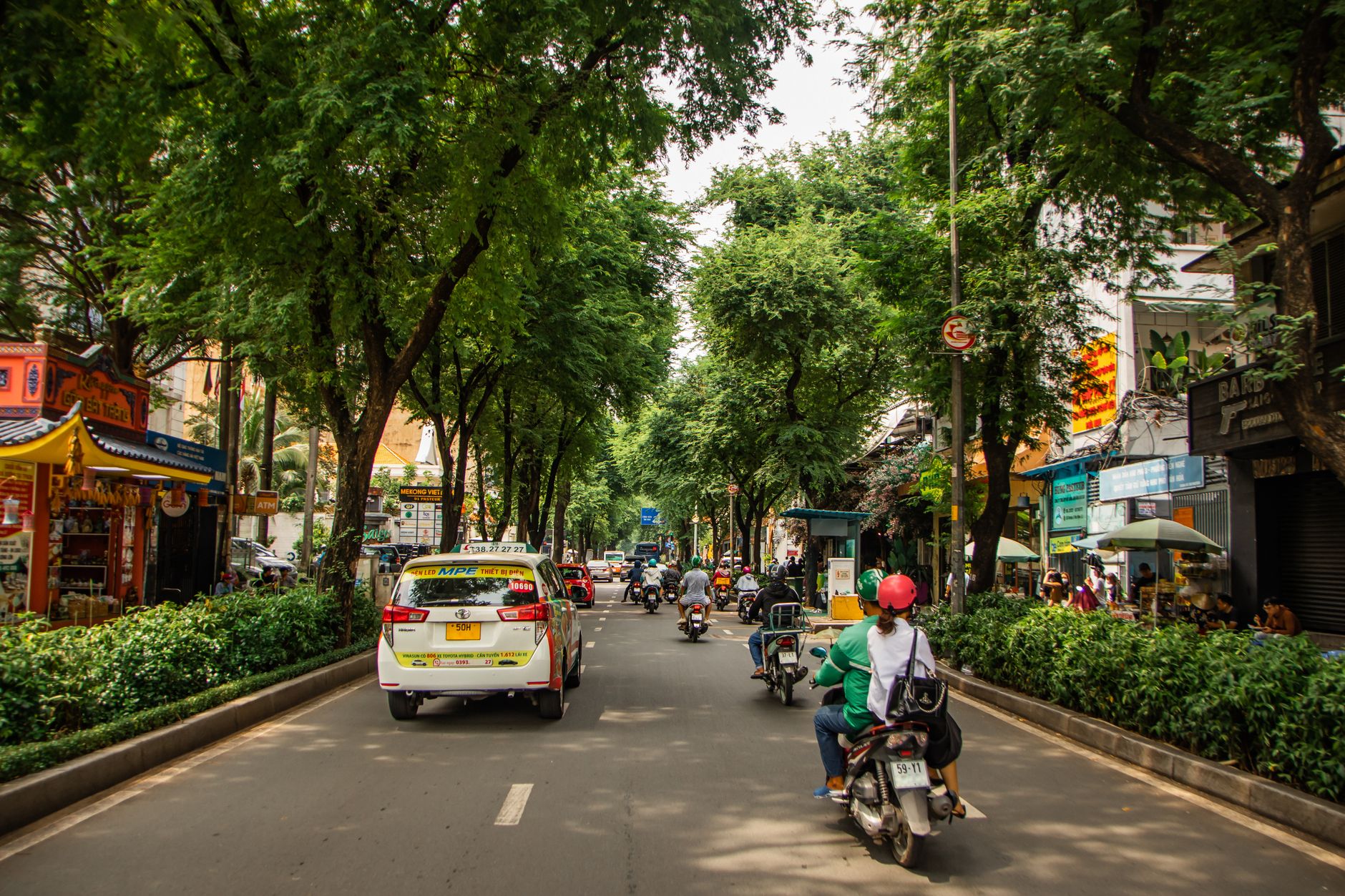
Vingroup's electric taxi fleet has reshaped ride-hailing in Vietnam's cities. Here's how Xanh SM stacks up against Grab and Be on price, comfort, and coverage.

The Wise debit card works well in Vietnam if you set it up right. Here's how to avoid fees, use the VND balance, and when it beats alternatives.

Vietnam's wellness scene has matured fast. Here's how to spend 7 days across four retreats — Hoi An, Da Lat, Phu Quoc, and Mai Chau — depending on your pace and budget.
More articles from the same category.

Locals live on Zalo, tourists default to WhatsApp — here's why that gap matters and how to bridge it before your trip.
Forget the heavy gear. Packing for the Mekong Delta is about managing humidity, protecting your skin, and staying mobile on the water.

Winter in the north is damp, grey, and surprisingly chilly. Forget the tropical gear and pack for layering to survive the humidity.

Thousands of foreigners teach English or freelance in Vietnam on tourist visas. Here is what Vietnamese law actually says, when it gets enforced, and how to do it properly.

The Wise debit card works well in Vietnam if you know the fee structure. Here's how to use it at ATMs and merchants without losing money on bad rates.
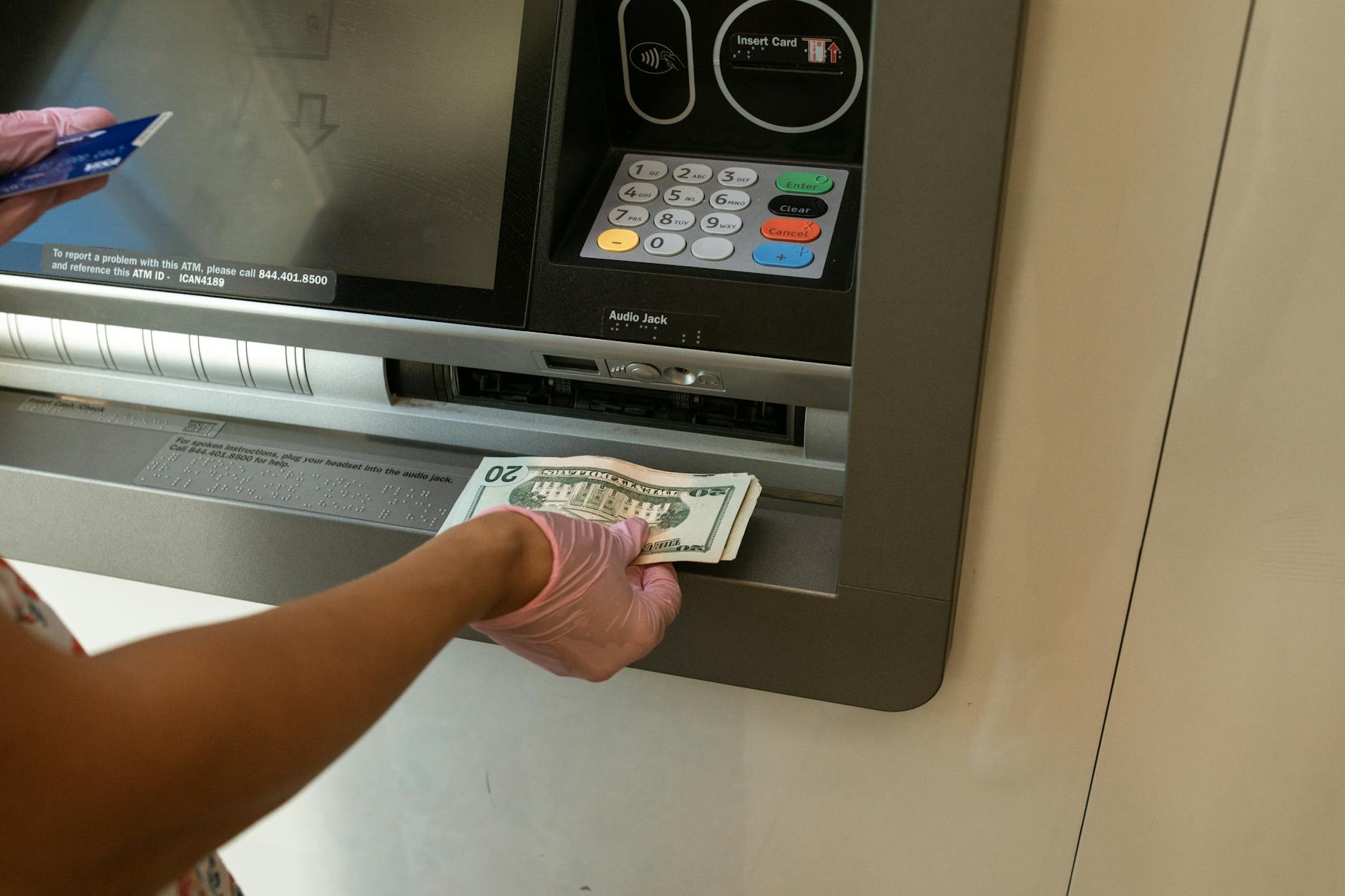
Vietnam runs on dong, but there are real situations where USD cash matters. Here is where you can actually pull USD from an ATM or bank counter.
Packing for a beach trip in Vietnam (베트남 / 越南 / ベトナム) is less about high-fashion swimwear and more about managing the intensity of the tropical sun and the humidity. Whether you are heading to the white sands of Phu Quoc or the surf-heavy stretches near Da Nang, the gear you bring determines your comfort level. Most visitors overpack heavy cottons that never dry and forget the essentials that keep you from spending your trip nursing a sunburn or a heat rash.
The sun here is aggressive, especially between 11:00 AM and 3:00 PM. While you can find sunscreen in convenience stores like Circle K or WinMart, the selection is often limited to whitening formulas that contain bleaching agents. If you have a specific brand you trust, bring it from home.
Beyond lotion, consider a "non la" (conical hat) for shade. You can buy one for 30,000 to 50,000 VND at any local market. It is more effective than a baseball cap because it provides 360-degree shade for your neck and shoulders. If you are planning to spend time on a motorbike to reach remote beaches, pack a lightweight, long-sleeved linen shirt. It keeps the sun off your skin without making you overheat.
Vietnam’s beaches vary wildly in terrain. In places like Nha Trang (냐짱 / 芽庄 / ニャチャン), the sand can be coarse or pebbly, while the central coast near Hoi An features fine, soft sand. Do not bring heavy leather sandals. You need footwear that can handle getting wet and drying quickly. A pair of sturdy, rubber-soled flip-flops or water shoes is essential. If you are planning to visit rocky coves or explore tide pools, water shoes with a decent grip are a lifesaver. Avoid buying cheap plastic flip-flops at the beach; they often break within an hour of walking on hot sand.

Photo by Loifotos on Pexels
If you are taking a boat trip to Cu Lao Cham or exploring the hidden bays around Cat Ba, a dry bag is non-negotiable. The humidity is high, and sudden tropical downpours are common. A 10-liter dry bag will keep your phone, camera, and dry clothes safe during transit. Do not rely on "waterproof" phone pouches sold by street vendors—they are notoriously unreliable. Invest in a proper roll-top dry bag before you leave home.
One common mistake is walking directly from the beach into a local restaurant in just a bikini or swim trunks. While tourist-heavy areas like Phu Quoc are more lenient, it is considered disrespectful to enter local eateries or pagodas in swimwear. Keep a lightweight sarong or a loose pair of linen trousers in your bag. It takes five seconds to throw on, and it makes you look like a traveler who respects local customs. Plus, it protects you from the aggressive air conditioning found in some hotel lobbies.
Photo by Loifotos on Pexels
Don't bring expensive jewelry to the beach. It is easy to lose things in the sand, and it makes you a target for opportunistic theft in crowded areas. If you are carrying a bag, keep it within sight at all times. If you are traveling solo, ask a local cafe owner to keep an eye on your bag while you swim; they are usually happy to help for the price of a "ca phe sua da".
Lastly, don't over-plan your beach time. The best moments in Vietnam often happen when you pull your motorbike over at a random stretch of sand, grab a fresh coconut, and watch the local fishermen head out to sea.
Pack light and focus on breathable fabrics. The best beach gear in Vietnam is the kind that lets you move easily between the ocean and the street-side stalls serving "goi cuon" or a cold drink without needing a full wardrobe change.