— HẾT —
Cập nhật lần cuối · May 29, 2026 · nghiên cứu độc lập, không tài trợ.
We use minimal analytics + ads (no personal tracking). See our privacy policy.
Locals have a reliable system for the morning after a bia hoi session. Here is what they actually eat and drink, and where foreigners usually get it wrong.
Cập nhật lần cuối · May 29, 2026 · nghiên cứu độc lập, không tài trợ.
Bài viết khác về thành phố này.

Locals live on Zalo, tourists default to WhatsApp — here's why that gap matters and how to bridge it before your trip.

…
Hotels, homestays, hostels — strongest inventory in Vietnam.
Winter in the north is damp, grey, and surprisingly chilly. Forget the tropical gear and pack for layering to survive the humidity.
Thousands of foreigners teach English or freelance in Vietnam on tourist visas. Here is what Vietnamese law actually says, when it gets enforced, and how to do it properly.
Bài viết khác trong vùng này.
The Wise debit card works well in Vietnam if you set it up right. Here's how to avoid fees, use the VND balance, and when it beats alternatives.
The Wise debit card works well in Vietnam if you know the fee structure. Here's how to use it at ATMs and merchants without losing money on bad rates.
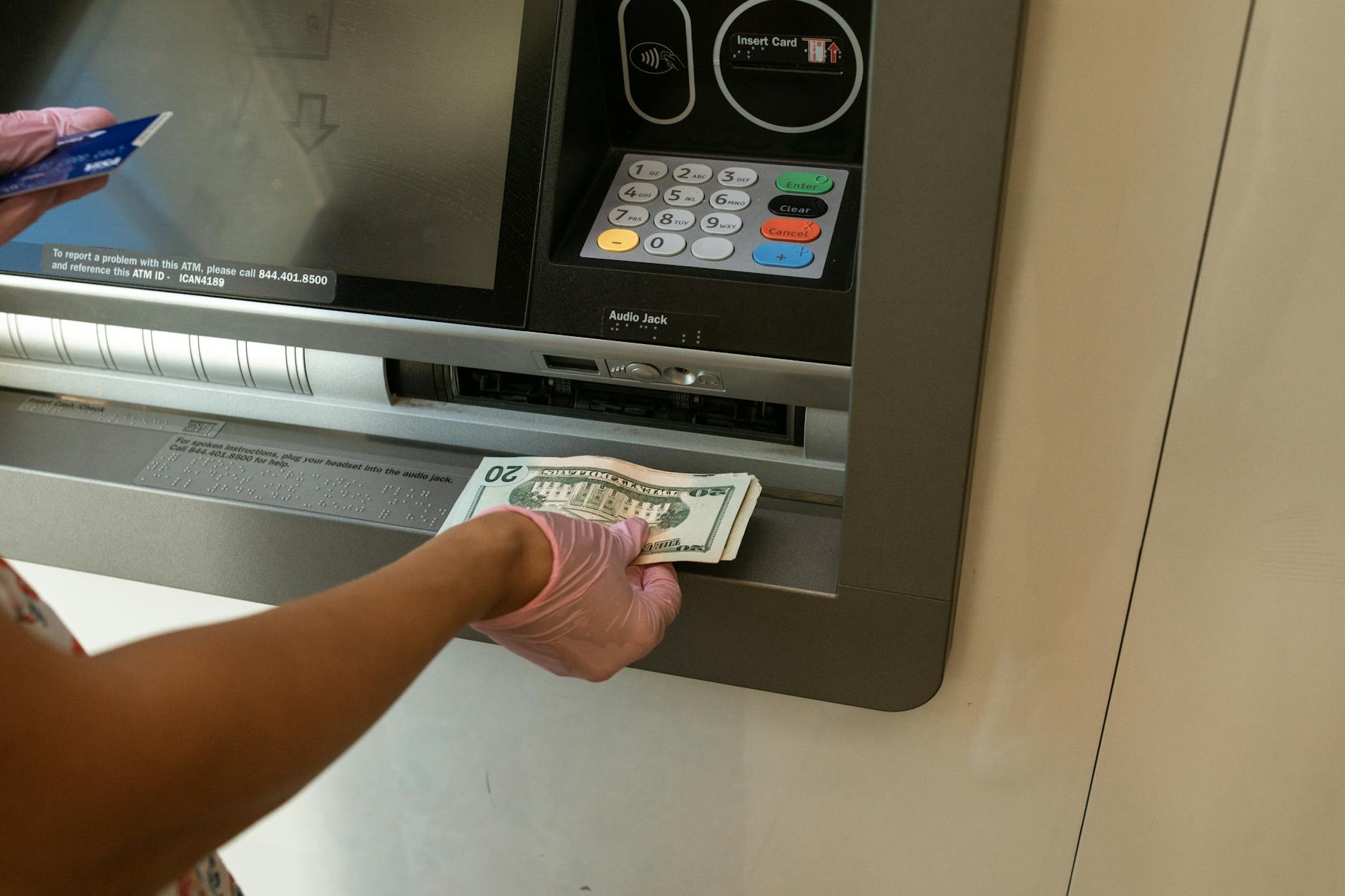
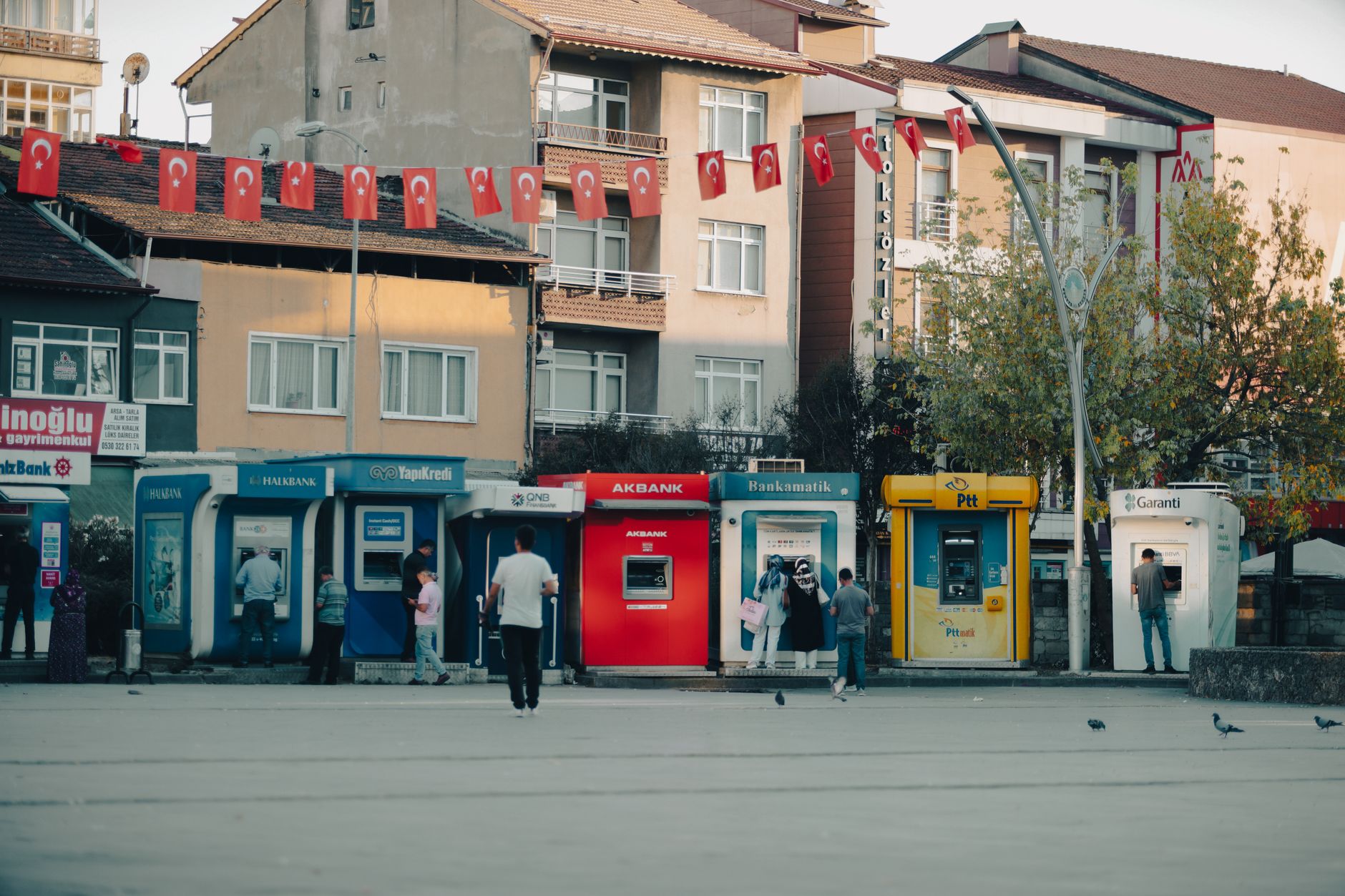
Vietnam runs on dong, but there are real situations where USD cash matters. Here is where you can actually pull USD from an ATM or bank counter.
More articles from the same category.
Forget everything you know about standard noodle soup. In the Central Highlands city of Pleiku, the local obsession is 'pho kho', a two-bowl ritual that defines the region's breakfast culture.

Quy Nhon is often overlooked for its neighbors, but its rice-based specialties, particularly the local take on vermicelli, define the city's culinary identity.
Phu Yen is often overshadowed by its neighbors, but its rice-based specialties and deep-sea ingredients offer a distinct flavor profile worth the detour.

Discover the best spots to enjoy a steaming bowl of bun rieu in the cool mountain city of Pleiku, featuring local favorites, pricing, and what makes this highland version unique.

Skip the tourist packages and eat your way through My Tho. Here is a curated, morning-to-night food trail featuring the best local spots, from iconic noodle soups to hidden market sweets.

Vietnam's herbal tea tradition goes well beyond lotus tea. Artichoke, chrysanthemum, and voi leaf each have a devoted following — here's what they taste like and where to find them.
A night of "bia hoi" in Hanoi or a round of rice wine at a Sapa homestay hits differently at 7am. Locals have had generations to work out the recovery protocol — and it is not a greasy breakfast or a Gatorade.
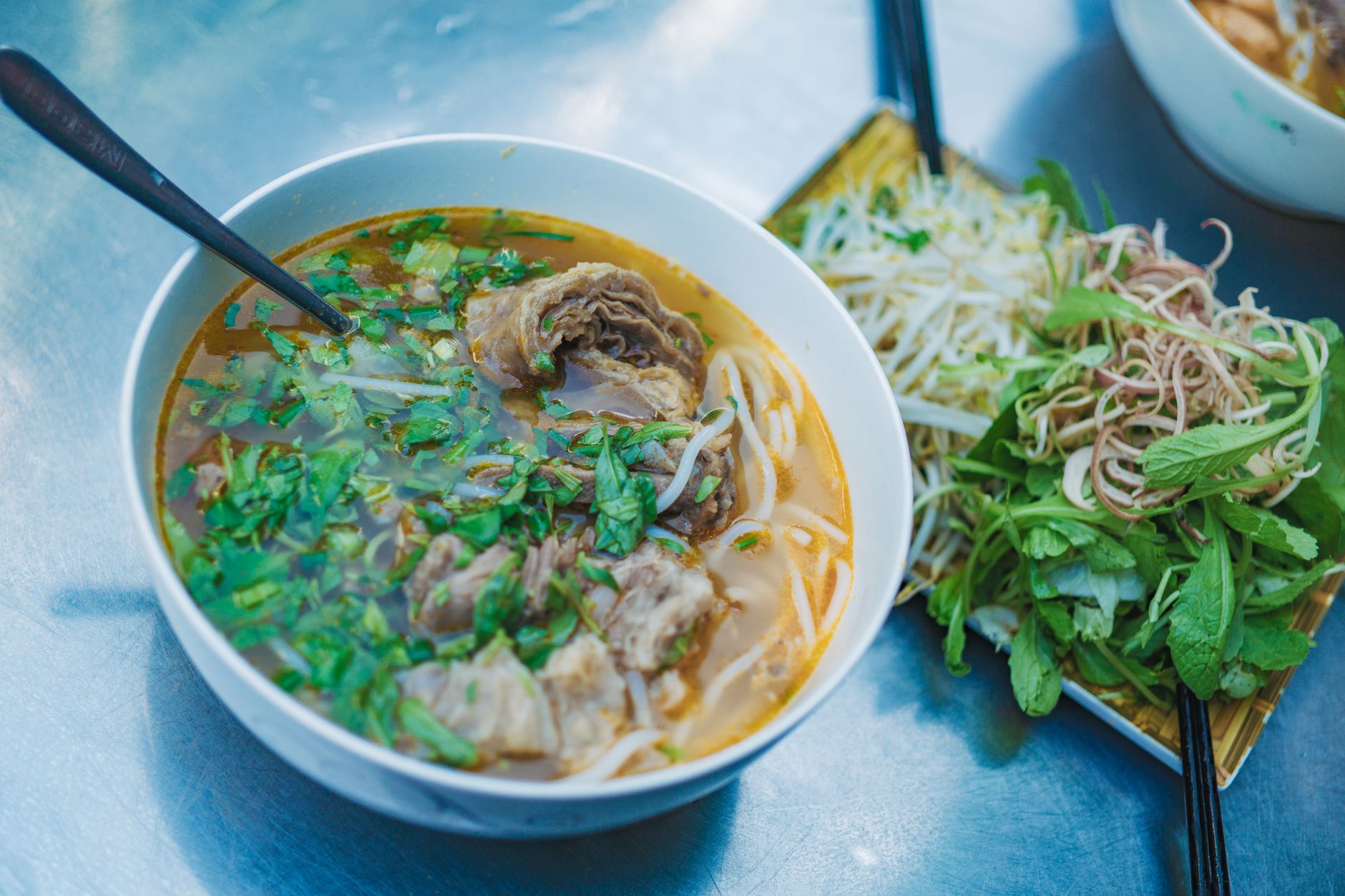
This is not myth. Pho as a hangover cure has a genuine logic behind it: bone broth heavy in sodium and minerals, warm enough to settle a restless stomach, light enough not to punish you further. Across Hanoi, the best pho shops open at 5:30am or 6am and are already half-full by 7am with people who clearly had a long previous evening.
The version that works best the morning after is pho (쌀국수 / 越南河粉 / フォー) bo — beef broth rather than chicken — because the fat content is slightly higher and the umami is deeper. Order it with extra broth (ask for "them nuoc dung"), skip the bean sprouts if your stomach is sensitive, and go easy on the chili. A bowl runs 40,000–70,000 VND depending on the city. The ritual matters as much as the recipe: sitting on a low plastic stool, eating slowly, sweating a little. Your body will cooperate.
In Saigon, some people prefer "hu tieu" the morning after — a lighter, clearer broth with rice noodles and pork, popular in the south. Same principle, different execution.
"Chao" is Vietnamese rice porridge, and it is the gentler, more forgiving option for hangovers that have escalated into genuine stomach distress. The texture is somewhere between congee and thick soup — soft, starchy, not demanding. A bowl of chao ga (chicken porridge) with shredded ginger costs around 30,000–50,000 VND from a street cart and will do more for an upset stomach than anything sold at a pharmacy.
Locals gravitate toward chao when the hangover involves nausea rather than just a headache. The ginger is not decorative — Vietnamese cooking uses it specifically as a digestive, and the combination of warm starch and ginger is hard to argue with at 8am.
Street carts selling chao are easy to find near wet markets early in the morning in any city. In Hue (후에 / 顺化 / フエ), some vendors add a small side of nem chua — fermented pork — which is probably not for everyone in that condition, but locals swear by the fermented element.

Photo by Quang Nguyen Vinh on Pexels
If pho and chao are the food side of the equation, rehydration in Vietnam operates on its own logic. The local rotation goes roughly like this:
Sugarcane juice first. "Nuoc mia" — fresh sugarcane juice pressed at streetside carts — hits your blood sugar fast, replaces potassium, and costs 10,000–15,000 VND a glass. It is aggressively sweet and, in the state you are in, often exactly right. The carts are everywhere, particularly in Saigon and Da Nang.
Coconut water second. Fresh young coconut, opened with a machete and handed to you with a straw, is available from vendors across the country for 15,000–25,000 VND depending on region. The electrolyte content is real, not marketing. In Phu Quoc or along any coastal stretch, you will see locals reaching for coconuts before they reach for anything else after a late night.
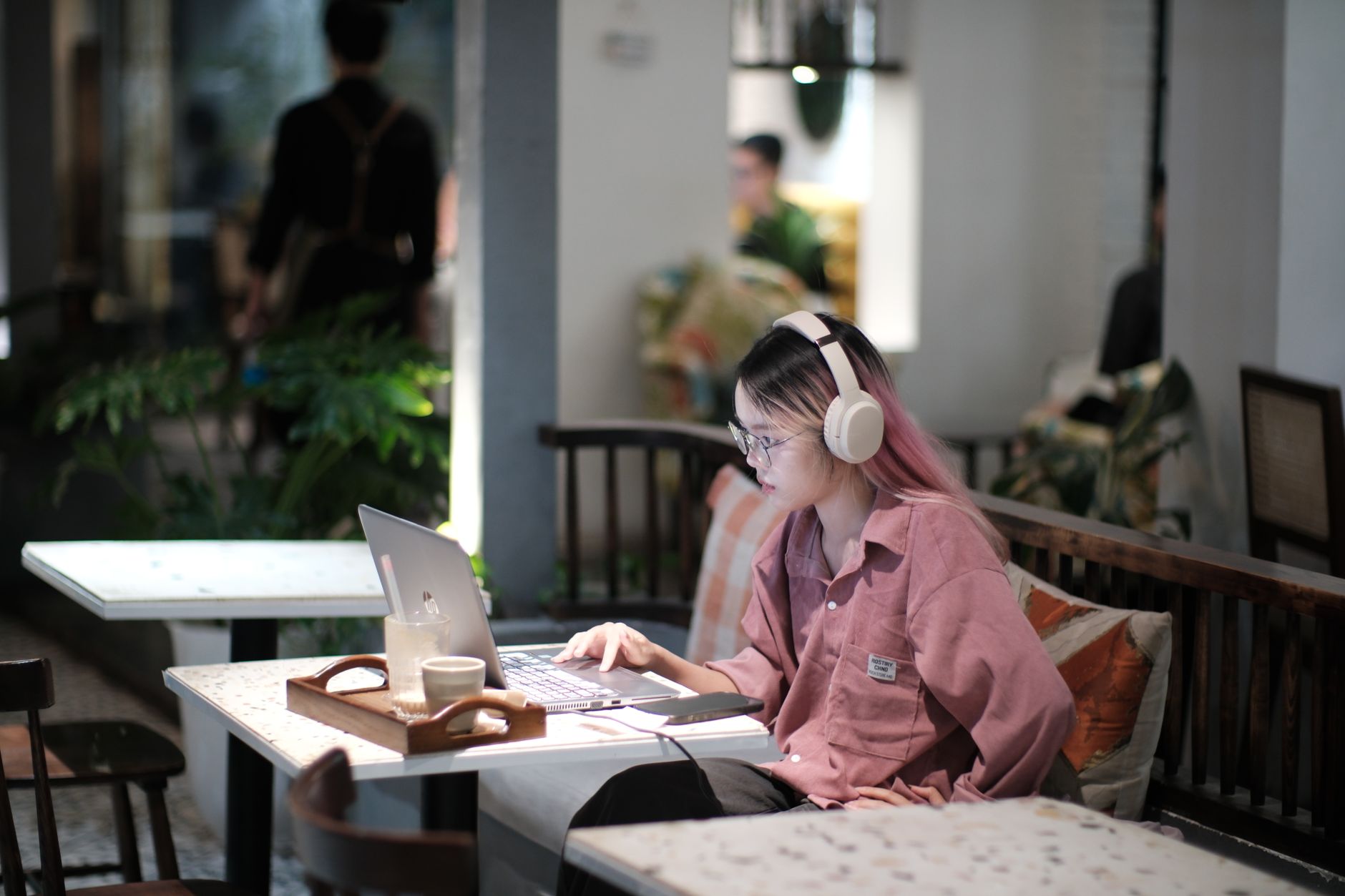
Tra da as maintenance. "Tra da" — iced green tea — is free or nearly free (5,000 VND at most) at the majority of street food stalls in the north, and many in the south. It is not a cure so much as a constant background hydration that locals keep cycling through the rest of the morning. Mild caffeine, mild tannins, large volume. It works by attrition.

Photo by Annushka Ahuja on Pexels
The most common mistake is reaching for Vietnamese coffee first thing. "Ca phe sua da" is strong — often brewed via a phin filter from robusta beans with significantly higher caffeine content than most Western coffee — and on an empty, alcohol-stressed stomach it will spike your heart rate and make the headache worse, not better. Locals who drink coffee the morning after almost always eat something substantial first.
The second mistake is skipping food entirely and drinking only water or electrolyte tablets. The Vietnamese approach is the reverse: eat something warm and broth-heavy first, then rehydrate around it. The broth itself carries most of the salt you need.
The third mistake is ordering aggressively spiced food — full chili pho, a bowl of "bun bo Hue" loaded with shrimp paste and lemongrass heat — before your stomach has had time to settle. Both are excellent dishes and both will punish you if you go in too hard too soon. If you want bun bo Hue the morning after, ask for it nhot (mild) and hold the mam ruoc on the side.
Finally: "egg coffee" is a Hanoi delight, but it is dense, sweet, and rich. Treat it as a late-morning reward once you are functional again, not a first move.
Most of this food is available from 6am–9am and slows down or disappears by mid-morning — street food culture in Vietnam runs early. If you sleep past 9am and miss the pho shops and chao carts at peak hour, a bowl of "banh canh" (thick udon-style noodles in pork broth) is a reliable backup that stays on menus longer. Bring small bills — 20,000 and 50,000 VND notes — because street vendors rarely have change for 200,000.