— HẾT —
Cập nhật lần cuối · May 30, 2026 · nghiên cứu độc lập, không tài trợ.
We use minimal analytics + ads (no personal tracking). See our privacy policy.
Mastering a few key phrases can save you from the confusion of finding your driver in a busy city. Here is your essential guide to communicating with ride-hail drivers.

Cập nhật lần cuối · May 30, 2026 · nghiên cứu độc lập, không tài trợ.
Bài viết khác về thành phố này.

Winter in the north is damp, grey, and surprisingly chilly. Forget the tropical gear and pack for layering to survive the humidity.

…
Hotels, homestays, hostels — strongest inventory in Vietnam.
Thousands of foreigners teach English or freelance in Vietnam on tourist visas. Here is what Vietnamese law actually says, when it gets enforced, and how to do it properly.

The Wise debit card works well in Vietnam if you know the fee structure. Here's how to use it at ATMs and merchants without losing money on bad rates.
Bài viết khác trong vùng này.

The Wise debit card works well in Vietnam if you set it up right. Here's how to avoid fees, use the VND balance, and when it beats alternatives.

Vietnam's wellness scene has matured fast. Here's how to spend 7 days across four retreats — Hoi An, Da Lat, Phu Quoc, and Mai Chau — depending on your pace and budget.
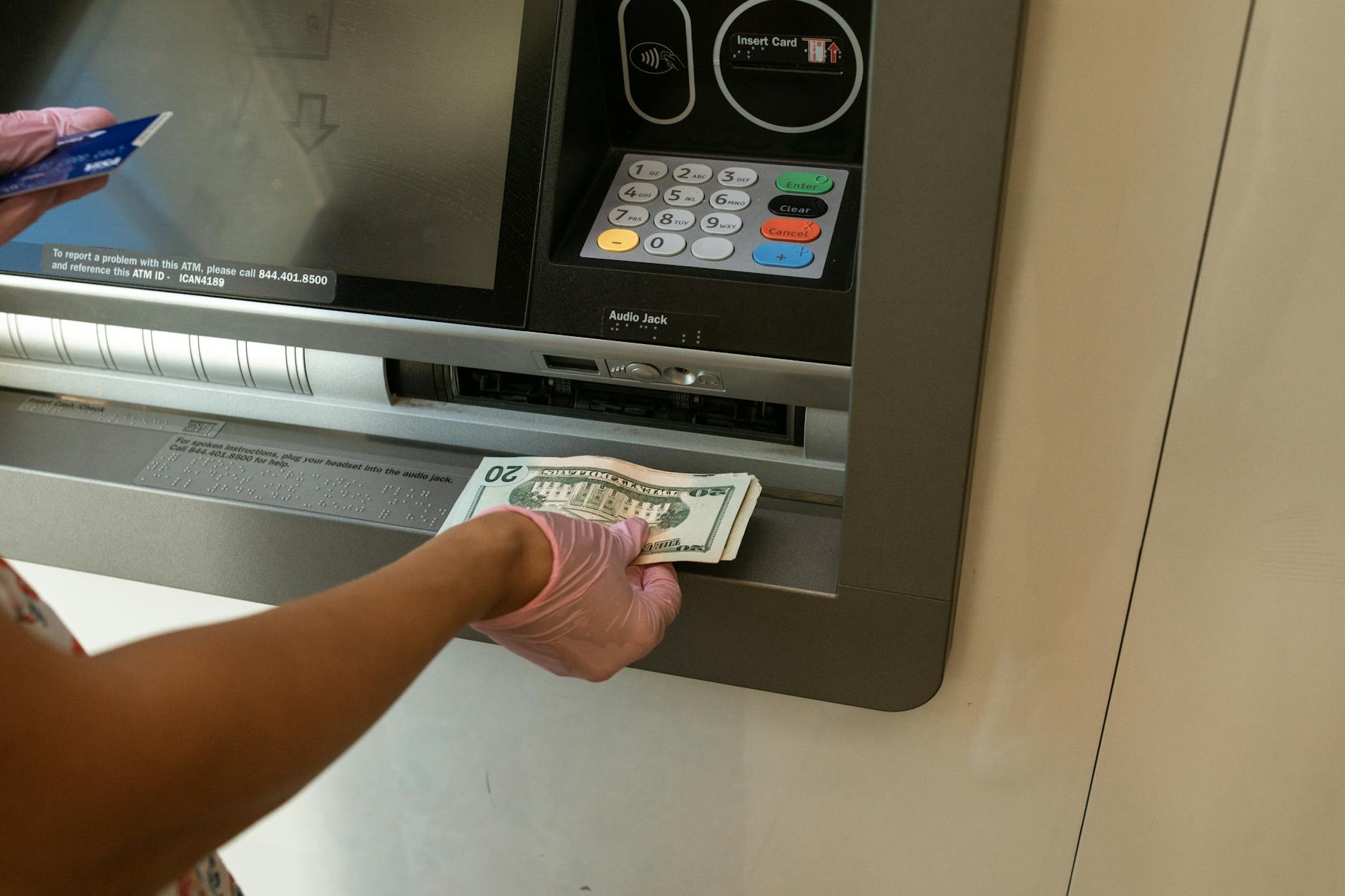
Vietnam runs on dong, but there are real situations where USD cash matters. Here is where you can actually pull USD from an ATM or bank counter.
More articles from the same category.

Forget the heavy gear. Packing for the Mekong Delta is about managing humidity, protecting your skin, and staying mobile on the water.

Wise works for sending VND to Vietnamese banks, but the process has quirks. Here's what fees to expect, which banks receive fastest, and why transfers get rejected.
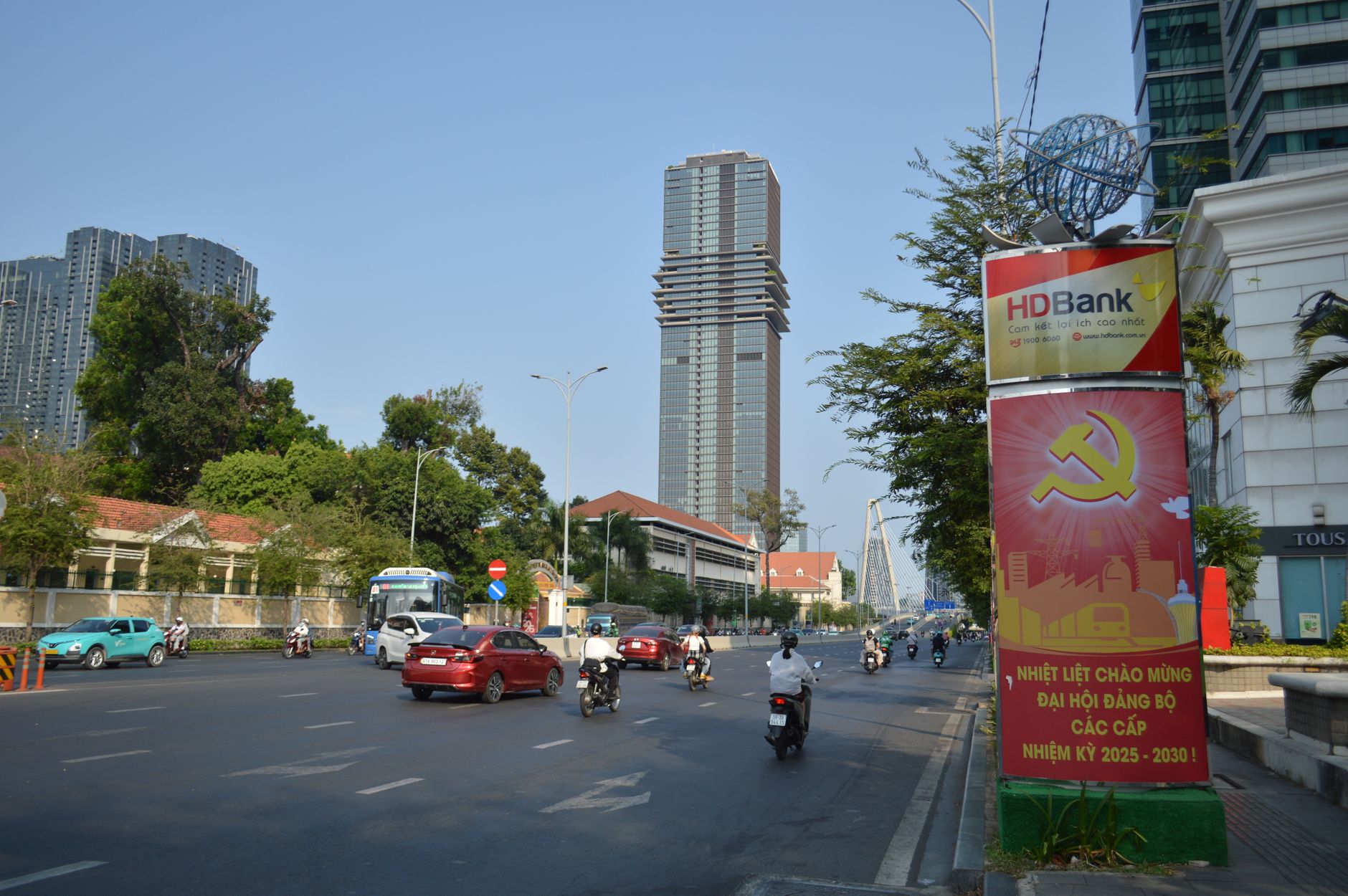
Fees, speeds, and bank coverage compared for the three most-used international transfer services into Vietnam — so you pick the right one before you send.
Forget the resort-brochure packing lists. Here is the gear you actually need for Vietnam's coast, from the sands of Da Nang to the islands of Phu Quoc.
Mastering basic time and day markers in Vietnamese will save you from missed buses and confused taxi drivers. Here is the essential cheat sheet for your trip.

Most travel insurance policies have gaps that matter specifically in Vietnam — motorbike coverage, medical evacuation, and hospital payment methods. Here is what to check before you buy.
While the Grab app handles the heavy lifting of GPS and payment, the final 50 meters—finding your driver in a sea of motorbikes or a crowded street corner—is where things get tricky. Most drivers in Vietnam (베트남 / 越南 / ベトナム) will call you the moment they accept the ride. If you do not speak Vietnamese, this can be a stressful experience. Learning these few phrases will help you bridge the gap and get on your way without the panic.
When your phone rings, start with a polite "Alo?". It is the universal way to answer a phone call in Vietnam. If you are not sure who is calling, it is almost certainly your driver.
This is your most important tool. You need to tell the driver your specific location. If you are standing in front of a landmark, use this phrase followed by the name of the place. For example, "Toi dang o Ben Thanh Market." If you are at a hotel, just say the name of the hotel. Keep it simple and direct.
If you are still walking to the pickup point or finishing a "vietnamese coffee", use this phrase. It lets the driver know you are coming and discourages them from canceling the ride. Pronounce it like chaw toy hai foot.
If the app shows the driver is nearby but you cannot see them, ask this. It is a direct question that prompts them to describe their location or honk their horn. If they say "Toi o day" (I am here), look for the license plate number displayed in your app—that is your true identifier.
Once you are in the car or on the back of a bike, you might need to give simple directions. "Di thang" means go straight. If you need to turn, use "Re trai" for left or "Re phai" for right. Most drivers follow the GPS, but these are helpful if you are heading to a specific alleyway or a hidden entrance.
When you reach your destination, use this to signal where you want to hop off. It is polite and clear. If you are in a rush, a simple "O day" (Here) also works perfectly well.
Vietnamese is a tonal language, which can be intimidating for beginners. Do not worry about getting the tones perfect; drivers are used to foreigners and will understand you based on context. Focus on the vowel sounds and the rhythm.

Photo by Nguyen Ngoc Tien on Pexels
In Vietnam, the ride-hailing culture is incredibly efficient. Whether you are ordering a car to get to the "Temple of Literature" or a motorbike to zip through the narrow alleys of "Hanoi", remember that the driver is working against the clock.
If you are taking a motorbike taxi, the driver will provide a helmet. It is legally required and essential for safety in the chaotic traffic of "Saigon". Do not be surprised if they ask you to move slightly to the left or right to avoid a puddle or a street vendor’s cart.
If you find yourself needing to communicate more complex needs, do not hesitate to use the built-in chat function in the Grab app. The app automatically translates your English into Vietnamese, which is often more reliable than verbal communication if your pronunciation is still a work in progress.
Lastly, always check the license plate. In cities like "Da Nang" or "Hue", there are hundreds of similar-looking bikes and cars. The plate number is the only thing that matters. If you are ever unsure, show the driver your phone screen with the booking details—it is the universal language of ride-hailing.
Photo by Nguyen Ngoc Tien on Pexels
Don't stress about being fluent; a few polite words go a long way in building rapport with your driver. Keep your phone charged, stay near a recognizable landmark, and enjoy the ride.