— HẾT —
Cập nhật lần cuối · May 29, 2026 · nghiên cứu độc lập, không tài trợ.
We use minimal analytics + ads (no personal tracking). See our privacy policy.
Vietnam's tea culture runs quiet and deep — here's what a real tea ritual looks like, how the pour-and-share etiquette works, and where to find it beyond the tourist version.

Cập nhật lần cuối · May 29, 2026 · nghiên cứu độc lập, không tài trợ.
Bài viết khác về thành phố này.

Locals live on Zalo, tourists default to WhatsApp — here's why that gap matters and how to bridge it before your trip.
…
Hotels, homestays, hostels — strongest inventory in Vietnam.
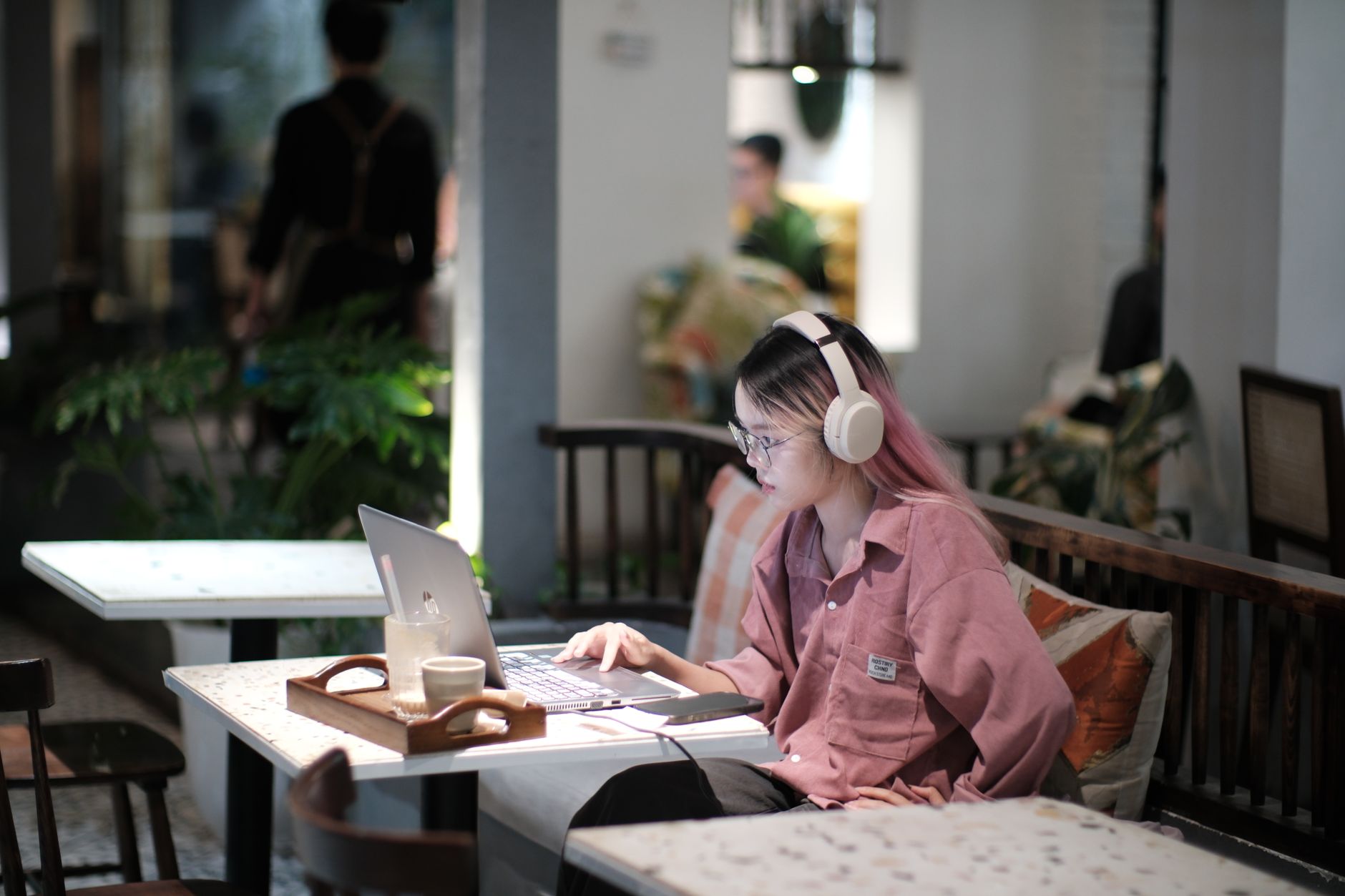
Da Lat has quietly become Vietnam's most liveable remote-work base — cool air, cheap rent, and more cafes than you can reasonably test in a month.
Winter in the north is damp, grey, and surprisingly chilly. Forget the tropical gear and pack for layering to survive the humidity.
Bài viết khác trong vùng này.

The Wise debit card works well in Vietnam if you set it up right. Here's how to avoid fees, use the VND balance, and when it beats alternatives.
Thousands of foreigners teach English or freelance in Vietnam on tourist visas. Here is what Vietnamese law actually says, when it gets enforced, and how to do it properly.
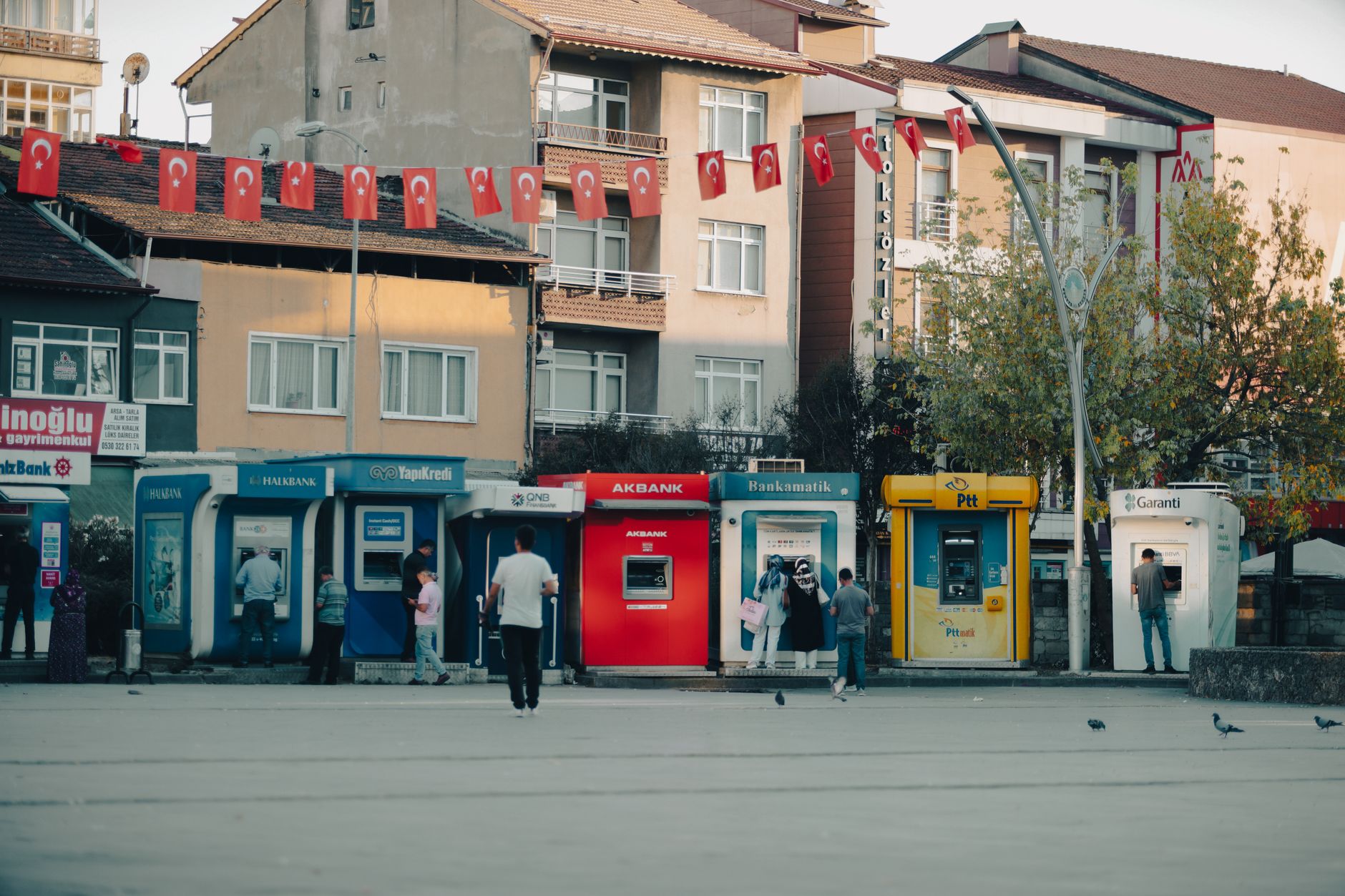
The Wise debit card works well in Vietnam if you know the fee structure. Here's how to use it at ATMs and merchants without losing money on bad rates.
More articles from the same category.

Forget everything you know about standard noodle soup. In the Central Highlands city of Pleiku, the local obsession is 'pho kho', a two-bowl ritual that defines the region's breakfast culture.

Quy Nhon is often overlooked for its neighbors, but its rice-based specialties, particularly the local take on vermicelli, define the city's culinary identity.
Phu Yen is often overshadowed by its neighbors, but its rice-based specialties and deep-sea ingredients offer a distinct flavor profile worth the detour.

Discover the best spots to enjoy a steaming bowl of bun rieu in the cool mountain city of Pleiku, featuring local favorites, pricing, and what makes this highland version unique.

Skip the tourist packages and eat your way through My Tho. Here is a curated, morning-to-night food trail featuring the best local spots, from iconic noodle soups to hidden market sweets.

Vietnam's herbal tea tradition goes well beyond lotus tea. Artichoke, chrysanthemum, and voi leaf each have a devoted following — here's what they taste like and where to find them.
Forget the rushed ca phe sua da on a plastic stool. Vietnam (베트남 / 越南 / ベトナム) has an older, slower drinking tradition — and if you make room for it, it will change how you spend at least one afternoon on your trip.
Most travelers encounter Vietnamese coffee (베트남 커피 / 越南咖啡 / ベトナムコーヒー) first and assume that's the whole story. But "tra" — tea — has been part of daily Vietnamese life for centuries, and the ritual around it is less ceremony in the formal Japanese sense and more a deeply ingrained social habit. You share tea the way you share a meal: unhurried, with attention.
The core tradition is called "tra dao" in the north — a hot, lightly oxidized green tea poured from a small clay or ceramic pot into thumb-sized cups, passed around a low table. It's what happens when guests arrive at a home in Hanoi. It's what the men at a sidewalk table in Hue are doing at 7am that looks like nothing but is actually the whole point of the morning.
In the south, around Saigon and the Mekong Delta, tea tends to be lighter, sometimes sweetened with dried chrysanthemum or jasmine, served in taller glasses. The pace is the same. The intent is the same.
The mechanics are simple enough that you won't embarrass yourself, but knowing them makes the experience more meaningful.
The host always pours. You don't reach for the teapot yourself — wait. Cups are filled only about two-thirds, never to the brim, because a full cup is harder to pass without spilling and signals the host isn't paying attention. When a cup is offered to you with two hands, receive it with two hands or at minimum with your right hand and your left touching your right forearm. It's a small gesture of respect that registers immediately.
Drink slowly. Don't drain the cup in one go the way you might knock back an espresso. Sip, set it down, let conversation move. When your cup is nearly empty, it may be refilled before you ask — that's attentiveness, not pushiness. If you're done, leave a small amount in the cup.
The first pour from a new pot is sometimes discarded — a quick rinse of the cups — especially with aged or premium teas. Don't read this as waste. It's warming the ceramic and washing away any dust.

Photo by Nguyen Ngoc Tien on Pexels
Vietnam grows most of its tea in the northern highlands — the terraced hills around Thai Nguyen province produce what many consider the country's best green tea, a variety called "tra Tan Cuong" that's grassy and clean without bitterness when brewed right. Ha Giang and the Yen Bai highlands have ancient wild tea trees, some hundreds of years old, producing small-batch leaves that specialty shops in Hanoi now sell for 200,000–800,000 VND per 100g.
"Lotus tea" — tra sen — is the prestige offering in Hanoi. Fresh lotus stamens are packed inside lotus flowers overnight to absorb their scent, then removed and blended with green tea. The result is floral without being perfumed. A small tin of decent Tay Ho lotus tea runs 150,000–400,000 VND. It's a better souvenir than a fridge magnet.
In the center and south, jasmine tea ("tra lai") is more common and more affordable — 20,000–40,000 VND for a pot at most traditional teahouses.
The honest answer is: someone's home. If you're staying with a local host, are invited to a colleague's house, or are traveling with a Vietnamese friend, tea will appear. That's the most authentic version.
For travelers without that access, a few places do it right:
The area around Tran Quoc Pagoda on the west bank of Tay Ho lake has small tea shops tucked behind the tourist traffic that serve traditional northern green tea for 15,000–25,000 VND a pot. You'll sit on low wooden stools and get multiple refills. Dong Xuan Market's back streets have similar setups — less scenic, more real.
The Temple of Literature's surrounding streets have a handful of "tra co dien" (traditional tea) spots that lean into the aesthetic without being performative. Worth an hour after walking the grounds.
Hue takes the tea ritual seriously in a way that reflects its imperial history. Several shophouses near the Tomb of Tu Duc and Tomb of Khai Dinh serve traditional "royal tea" sets — a curated tasting of three or four teas with candied ginger and sesame rice crackers, for around 80,000–120,000 VND per person. Some are staged for tour groups; look for ones where the host is actually drinking alongside you.
Hoi An has a high ratio of tourist-facing tea experiences — expect incense, cushions, and Instagram lighting. That doesn't make them worthless, but calibrate expectations. A more grounded option is to simply visit one of the older merchant houses in the old town late morning, when organized tour groups are elsewhere, and ask the caretaker about the tea they're drinking. More often than not, you'll get a cup and a conversation.
Da Lat sits near the central highland tea-growing region and has several working tea estates within 15–20km of the city center. Cau Dat Farm is the most visited — and for good reason. You can walk the rows, then sit for a proper tasting of locally grown oolong and green teas for around 50,000 VND. It's educational without being a spectacle.
Photo by Nguyen Ngoc Tien on Pexels
The difference is usually in the pace and the host's attention. A tourist tea ceremony has a script and a gift shop at the end. A real one has silences, refills, and no particular agenda. Both can be pleasant — just know which one you're walking into.
If the menu has "traditional Vietnamese tea ceremony — 250,000 VND/person" and a QR code for TripAdvisor reviews, you're in the tourism product. If someone pulls a battered clay pot off a shelf and rinses the cups while you're still figuring out where to sit, you're somewhere better.
Bring cash in small denominations — most traditional teahouses don't take cards and won't have change for a 500,000 VND note. If you're serious about tea as a souvenir, buy from a dedicated tea shop rather than an airport stall; staff can advise on storage, and the stock turns over faster. Vacuum-sealed tin packaging keeps green tea fresh for two to three months after opening.