— HẾT —
Cập nhật lần cuối · May 29, 2026 · nghiên cứu độc lập, không tài trợ.
We use minimal analytics + ads (no personal tracking). See our privacy policy.
Typhoon season in Vietnam is real and it closes airports. Here is what the airlines actually do, what your insurance covers, and how to move fast when a storm is coming.
Cập nhật lần cuối · May 29, 2026 · nghiên cứu độc lập, không tài trợ.
Bài viết khác về thành phố này.

Locals live on Zalo, tourists default to WhatsApp — here's why that gap matters and how to bridge it before your trip.

…
Hotels, homestays, hostels — strongest inventory in Vietnam.
Winter in the north is damp, grey, and surprisingly chilly. Forget the tropical gear and pack for layering to survive the humidity.

Thousands of foreigners teach English or freelance in Vietnam on tourist visas. Here is what Vietnamese law actually says, when it gets enforced, and how to do it properly.
Bài viết khác trong vùng này.

The Wise debit card works well in Vietnam if you set it up right. Here's how to avoid fees, use the VND balance, and when it beats alternatives.

The Wise debit card works well in Vietnam if you know the fee structure. Here's how to use it at ATMs and merchants without losing money on bad rates.
Vietnam runs on dong, but there are real situations where USD cash matters. Here is where you can actually pull USD from an ATM or bank counter.
More articles from the same category.

Forget the heavy gear. Packing for the Mekong Delta is about managing humidity, protecting your skin, and staying mobile on the water.

Wise works for sending VND to Vietnamese banks, but the process has quirks. Here's what fees to expect, which banks receive fastest, and why transfers get rejected.
Fees, speeds, and bank coverage compared for the three most-used international transfer services into Vietnam — so you pick the right one before you send.
Forget the resort-brochure packing lists. Here is the gear you actually need for Vietnam's coast, from the sands of Da Nang to the islands of Phu Quoc.
Mastering basic time and day markers in Vietnamese will save you from missed buses and confused taxi drivers. Here is the essential cheat sheet for your trip.

Most travel insurance policies have gaps that matter specifically in Vietnam — motorbike coverage, medical evacuation, and hospital payment methods. Here is what to check before you buy.
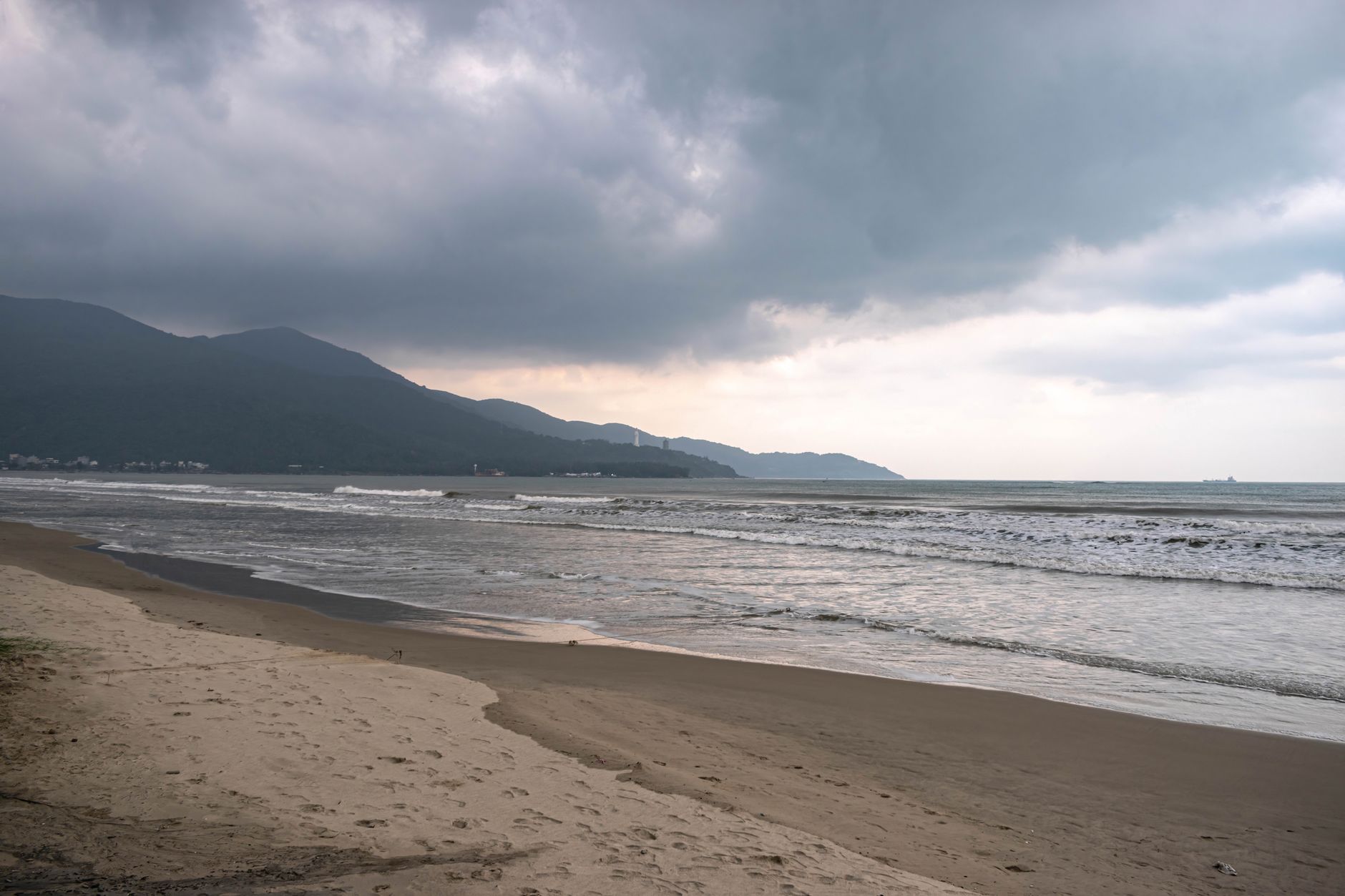
Typhoon season runs roughly June through November, peaks in September and October, and Da Nang takes the worst of it almost every year. If you have a flight into central Vietnam during that window, knowing the rebooking mechanics before you need them is worth more than any travel hack.
Da Nang (다낭 / 岘港 / ダナン) International handles the bulk of disruptions — it sits directly in the typhoon corridor that tracks west from the South China Sea. Phu Cat (Quy Nhon), Chu Lai (Tam Ky), and Dong Hoi (gateway to Phong Nha) also close regularly when storms make landfall in the central region. Hanoi and Saigon are occasionally affected by outer bands, but full closures are rare. Phu Quoc and Can Tho see disruption more from the southwest monsoon than typhoons proper.
The Civil Aviation Authority of Vietnam (베트남 / 越南 / ベトナム) (CAAV) typically issues a NOTAM — notice to airmen — 12 to 24 hours before a closure, sometimes less. Airlines start cancelling flights before the official NOTAM if their ops teams are tracking the storm path.
Vietnam Airlines is the most structured when storms hit. Once a cancellation is declared, they send an SMS and email to the contact on the booking. You get a free rebooking to the next available flight on the same route within 30 days, or a full refund to the original payment method. Refunds for e-tickets to international cards take 7 to 15 business days in practice, sometimes longer. Call their hotline at 1800 1100 (free within Vietnam) early — wait times spike the moment cancellations go out.
Vietjet has a worse reputation here but has improved. Their policy on force-majeure cancellations (typhoons qualify) allows a free date change within 60 days or a credit shell. Cash refunds are technically available but slow — expect 30 to 45 days back to a Vietnamese bank account, longer to foreign cards. Their app is the fastest channel for rebooking; the call centre often has multi-hour waits during a storm event.
Bamboo Airways handles smaller route networks, so options for rerouteing are limited. If Da Nang is closed and Bamboo has no alternate routing via Hanoi or Saigon, they will issue a credit note. Push for the cash refund in writing if that is what you need — they do grant them under CAAV consumer protection rules, it just takes persistence.
Pacific Airlines (budget, partially owned by Vietnam Airlines) follows a similar force-majeure policy to Vietjet. Check the booking confirmation for the operating carrier — some Vietjet-coded flights are operated by Pacific.

Photo by Quang Nguyen Vinh on Pexels
Here is what actually works when you are watching a typhoon track toward Da Nang on Windy or Zoom Earth:
Do not wait for the cancellation email. As soon as a storm is named and tracking toward your airport, log into the airline app and look for the "disruption waiver" or "voluntary change" option. Airlines quietly open fee-free change windows 48 to 72 hours before a likely closure. Vietnam Airlines in particular posts these waivers on their website.
Decide: skip or reroute. If Da Nang is your goal, check whether flying into Hue and taking a taxi (roughly 100 km, around 600,000 to 700,000 VND by metered cab) or a bus gives you a workable entry. Alternatively, fly into Saigon and take an overnight sleeper bus north — not glamorous, but it moves.
Book the new flight before cancelling the old one. This sounds counterintuitive, but if seats are filling fast, secure the alternative first, then process the refund or waiver on the cancelled ticket. Seats on Hanoi and Saigon routes from the storm zone evaporate quickly.
Keep all receipts. Hotel cancellation fees, taxis to alternate airports, extra nights — all of these are potentially claimable on travel insurance.

Photo by Kirandeep Singh Walia on Pexels
Most mid-range travel insurance policies (World Nomads, Allianz, AXA, and the Vietnamese market option Bao Viet) cover trip interruption and delay due to named storms. The key phrases in the policy document to check:
What most standard policies do NOT cover: cancelling a trip because a storm might hit. The storm needs to have already caused a cancellation or delay. Buy CFAR if you are travelling September through October and have significant non-refundable hotel bookings — places like Hoi An have strict cancellation policies during peak season.
Vietnam-purchased insurance (Bao Viet, PTI, PVI) is cheap — 200,000 to 400,000 VND for short domestic trips — and does cover flight cancellations, but claim processes require original receipts and can take weeks.
Download the Vietnam Airlines and Vietjet apps before you travel, and make sure your booking contact details are current — an old email means you miss the cancellation alert. The CAAV Telegram channel and local English-language news sites post airport closure updates faster than airline apps during active storms. If you are based in Da Nang, Hoi An, or Hue during typhoon season for more than a few days, keep a 48-hour exit window in your itinerary as a buffer — not paranoia, just how experienced travellers handle the central coast in October.