景点介绍
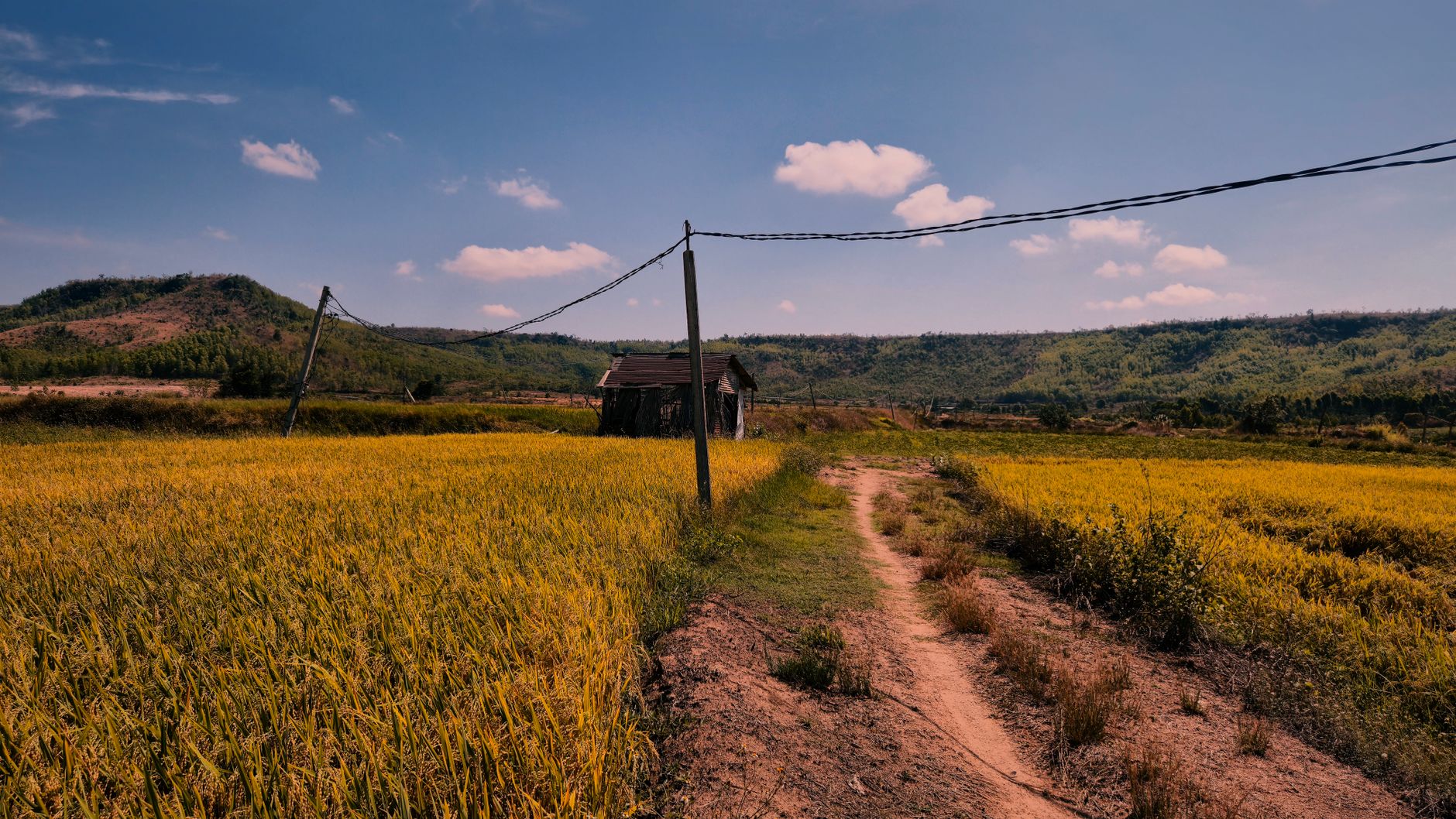
Dap Tan Son 是一座灌溉水库,位于越南中部高原(중부 고원 / 中部高原 / 中部高原)Gia Lai 省与 Binh Dinh 省北部边缘的交界地带。大坝最初主要为了满足下游橡胶园、咖啡农场和稻田的农业灌溉需求而建,由此形成了一个规模不小的湖泊。湖泊四周环绕着低矮的丘陵,山上覆盖着灌木林和红土。这里并非什么大型旅游开发项目。没有售票亭,也没有停满旅游大巴的停车场。而这正是它的魅力所在。
这座水库的历史可以追溯到越南统一后高原地区的基础设施建设时期,是滋养 Kon 河与 Ba 河水系的更庞大灌溉网络的一部分。几十年来,它除了服务农民之外,鲜有其他用途。直到近些年,每逢周末,来自 Quy Nhon 和 Pleiku 的国内游客开始出现在这里——主要是追逐平静水面上黄金时刻光影的摄影师,以及寻找远离喧嚣的野餐地点的家庭。
为什么值得一去
真正的原因有三个。首先是风景。中部高原往往被外国游客忽视,他们通常会首选 Da Lat 或 Sapa 来满足对山景的向往。Dap Tan Son 则提供了截然不同的体验:广阔的水面映照着赤褐色的山丘,零星散布的桉树林,以及黎明时分偶尔飘过的渔船。它没有 Ha Long Bay 那种震撼人心的视觉冲击——它宁静、开阔,几乎空无一人。
其次,如果你正驱车行驶在 QL19(越南 (베트남 / 越南 / ベトナム) 风景最优美的国道之一)上,往返于 Pleiku 和 Quy Nhon 之间,这里非常适合作为半日游的绕道之选。水库距离主路很近,不会耽误你太多时间。
第三,这个地区能让你领略到高原少数民族的文化风情。Bahnar 和 Jarai 族人居住在附近的村落里,你可以看到传统的高脚屋、公共的“rong”屋,如果时机合适,还能赶上与丰收节相关的锣钲仪式。
最佳游玩时间
中部高原主要分为两个季节:旱季(11月至次年4月)和雨季(5月至10月)。就 Dap Tan Son 而言:
- 11月至2月:最佳月份。刚过雨季,水位依然很高,空气凉爽(早晨气温在 18–25°C 之间),天空晴朗。周围的群山也最为翠绿。
- 3月至4月:气候更干燥、更炎热(中午气温可达 35°C),但湖泊依然很上镜。红土路上的灰尘会变大。
- 5月至10月:雨季。道路可能会变得泥泞,尤其是靠近水库最后几公里的未铺装土路。好处是:能看到壮观的云层变化,以及空无一人的湖岸。
工作日总是比周末安静,周末会有许多 Pleiku 的家庭开车来这里野餐。
交通指南
Dap Tan Son 位于 Pleiku 市中心东南约 50 km 处,距离 Quy Nhon 以西约 80 km。最常见的路线是:
从 Pleiku 出发: 沿 QL19 向东往 Binh Dinh 方向行驶。经过 An Khe 镇后,留意向南通往水库的岔路口——当地人都知道,Google Maps 上的定位也很准确。最后 5–7 km 是水泥村路和压实土路混合的路段。骑摩托车可以轻松应对;汽车在旱季通行无碍,但在大雨过后的泥泞路段可能会有些吃力。
从 Quy Nhon 出发: 沿 QL19 向西行驶,穿过 An Khe 隘口(Deo An Khe,这段路本身风景就极佳)。摩托车车程约 2 小时,汽车约 1.5 小时。
没有直达水库的公共巴士。你需要自己解决交通工具——可以在 Pleiku 租一辆摩托车(本田 Wave 每天 150,000–200,000 VND),或者包车带司机(从 Pleiku 出发的一日游大约 1,200,000 VND)。

图片由 HONG SON 拍摄,来自 Pexels
游玩项目
水库周边
- 漫步坝顶:大坝顶部是一条平坦的水泥路,大约 300 米长,一侧可以俯瞰湖面,另一侧则能饱览下方的山谷风光。
- 摄影:清晨(6:00–7:30)和傍晚(16:00–17:30)的光线最佳。黎明时分,水面上偶尔会笼罩着一层薄雾。
- 钓鱼:当地人会用简单的鱼竿和鱼线在岸边钓鱼。如果你自带装备也可以加入——不需要许可证,也没有商业化的钓鱼项目。
- 野餐:溢洪道附近平坦的草地非常适合野餐。请自带食物和水;现场没有任何商贩。
附近探索
- Bahnar 村落:距离水库几公里外,你可以向人打听去最近的带有 rong 屋的“lang”(村庄)怎么走。请保持尊重——这里是人们的家园,不是展览馆。带点小礼物(水果、零食)比直接给钱更受欢迎。
- An Khe 镇:往 QL19 方向返回约 20 分钟车程。这里有一个值得一逛的早市,可以买到当地的咖啡豆、菠萝蜜干和“com lam”(竹筒饭)。
餐饮推荐
水库本身没有任何商业设施——没有餐厅、没有咖啡馆,也没有便利店。请提前做好规划。
在 An Khe(距离最近且有餐饮选择的城镇):
- 市场摊位供应“bun”汤面和“com binh dan”(家常快餐饭),价格在 25,000–40,000 VND 之间。
- 主路沿线有几家“quan nhau”(大排档/夜宵摊)提供烤肉和炸春卷——高原风味的“cha gio”,配有胡椒味的蘸酱。
- 家庭小店售卖的当地 Vietnamese coffee(越南冰咖啡),每杯价格为 12,000–18,000 VND。
在 Pleiku(如果返回该市):
- 尝尝“pho kho”(干拌粉)——这是 Gia Lai 的特色美食,粉和汤是分开的,粉里拌有蒜油和猪肉末。摊位主要集中在 Hung Vuong 和 Tran Phu 街附近,每碗 35,000–50,000 VND。
住宿指南
水库附近没有住宿设施。你的选择有:
- Pleiku:选择最多。Le Loi 街上的经济型酒店每晚 250,000–400,000 VND。像 Duc Long Gia Lai Hotel 这样的中档酒店提供干净的客房,价格在 600,000–900,000 VND 左右。
- An Khe:有少数几家“nha nghi”(宾馆),价格为 150,000–250,000 VND。设施简陋但够用——通常是风扇房、薄床垫和共用浴室。
- 露营:如果你能自给自足,可以在水库附近露营。这里没有设施,没有安保——只有你和青蛙作伴。

图片由 Tường Chopper 拍摄,来自 Pexels
实用建议
- 带上防晒霜和帽子。高原的阳光极具欺骗性——在海拔较高的地方,你晒伤的速度会比预想的快得多。
- 携带现金。水库附近没有自动取款机(ATM)。An Khe 有几台,Pleiku 则有很多。
- 在离开 QL19 之前加满油。通往水库的路上没有加油站。
- 水库附近的手机信号时断时续。请提前下载好离线地图。
- 如果你打算将此地纳入更长的中部高原大环线,Pleiku–Kon Tum–Dak Lak 路线能让你体验到更多的少数民族文化、瀑布和咖啡种植园。
常见避坑指南
- 中午抵达:光线平淡,酷热难耐,你会纳闷这里到底有什么好大惊小怪的。请尽量早点或晚点来。
- 不带水或食物:人们总以为会有商店。绝对没有。请至少带上 2 升水,并从镇上买些 banh mi(반미 / 越式法包 / バインミー)带着。
- 期待这是一个成熟的旅游景点:这里没有英文指示牌,没有导游,也没有游船项目。这是一个正在运作的水库,只是碰巧风景很美。请相应地调整你的期望值。
- 大雨过后不查路况就开上土路:在决定前往之前,先向 An Khe 的当地人打听一下路况——即使你只会用蹩脚的越南语加上比划,问一句“duong vao dap co di duoc khong?”(能去大坝吗?)也是管用的。
结语
Dap Tan Son 不会跻身任何人的越南十大必去景点榜单。它也无意如此。如果你恰好沿着 QL19 途经 Gia Lai,或者想找个理由在 Pleiku 和海岸线之间放慢脚步,这座水库能为你提供几个小时的宁静时光,让你欣赏到大多数游客从未见过的风景。这就足够了。
最后更新 · May 29, 2026 · 独立调研,无任何赞助。