— ENDE —
Zuletzt aktualisiert · May 30, 2026 · unabhängig recherchiert, nie gesponsert.
We use minimal analytics + ads (no personal tracking). See our privacy policy.
Navigate Lang Son like a local. Learn about taxi availability, motorbike rentals, local bus routes, and how to travel between the city center and the border gates.

Weitere Artikel zu dieser Stadt.

Lang Son's roast duck and slow-braised pork belly are the real reasons food-minded travelers make the trip north. Here's what to order and where.

…
Hotels, homestays, hostels — strongest inventory in Vietnam.
Chua Tam Thanh is a cave pagoda carved into a limestone cliff in Lang Son, one of northern Vietnam's most undervisited provincial capitals. Here's what to expect.

Den Bac Le is one of northern Vietnam's most important Mother Goddess temples. Here's what to expect, how to get there, and what most visitors get wrong.
Weitere Artikel in dieser Region.

Winter in the north is damp, grey, and surprisingly chilly. Forget the tropical gear and pack for layering to survive the humidity.
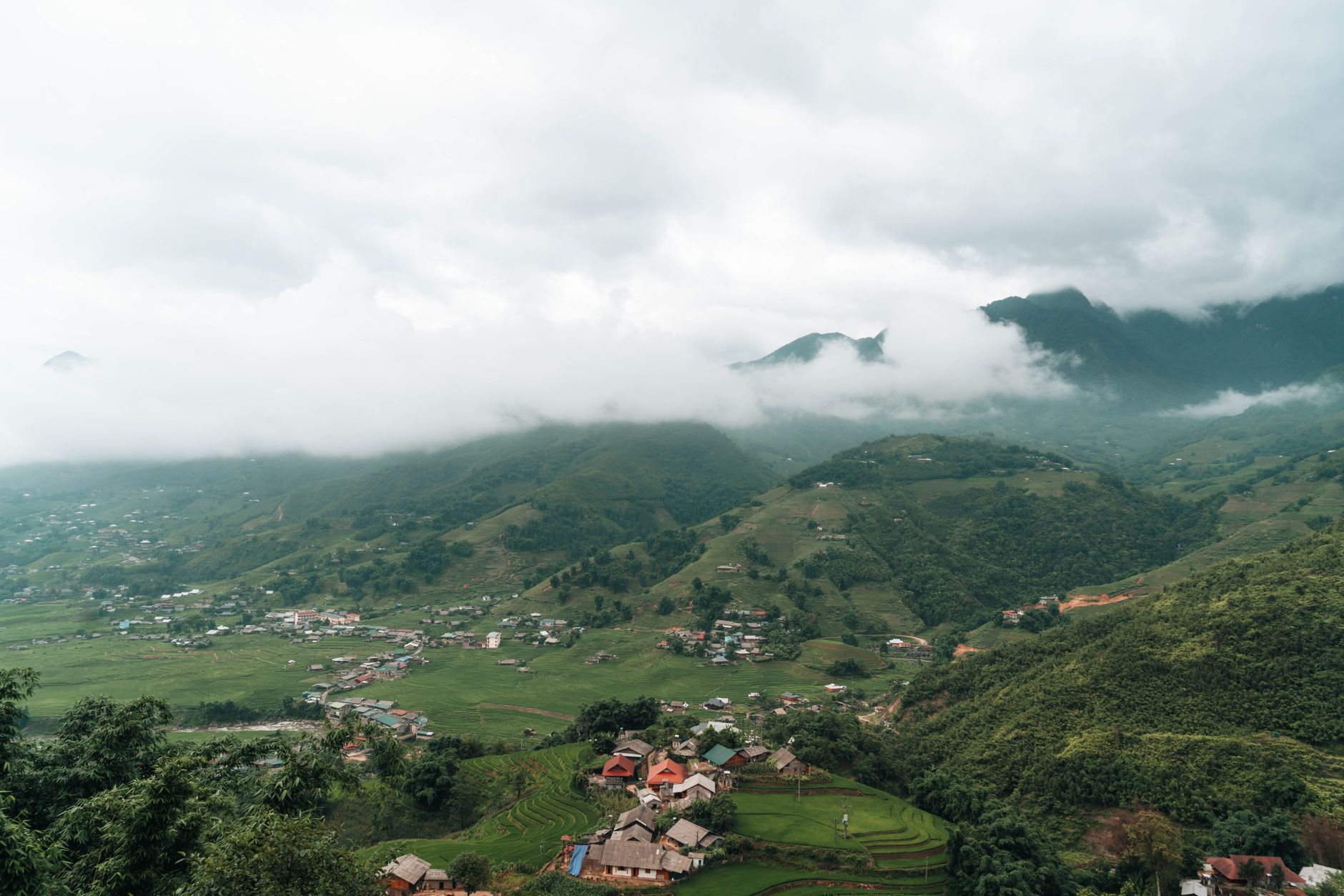
Y Ty is a Ha Nhi ethnic commune in Lao Cai province where sea-of-cloud mornings run from September to March — and almost nobody shows up compared to Sa Pa.

Y Ty's sea of fog is not a rumor — but it only appears reliably for a few weeks a year. Here's when to go, where to stand, and how to sleep close enough to catch it.
More articles from the same category.
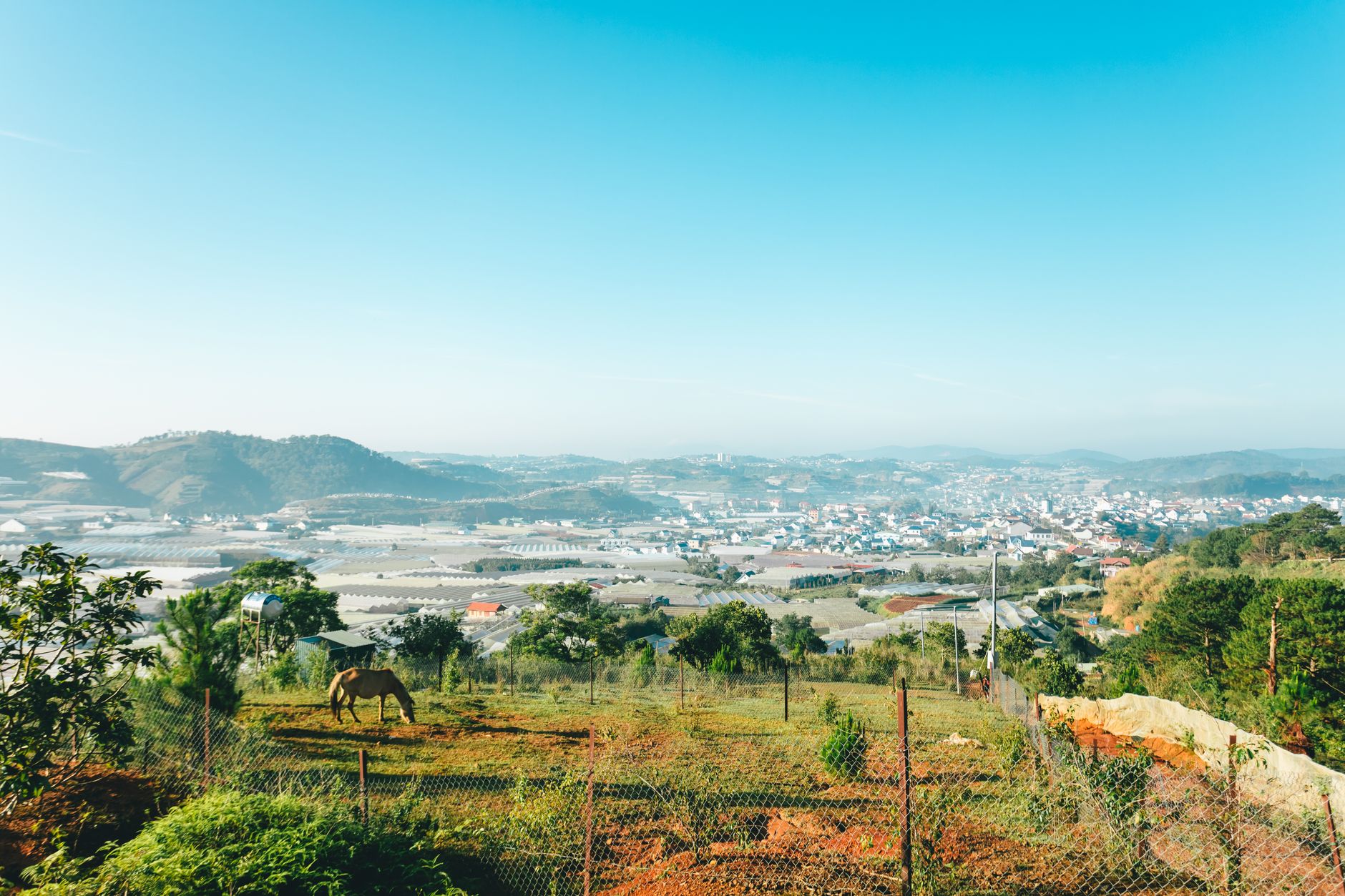
Yok Don is Vietnam's biggest national park and one of its least-visited. Here's what actually lives inside — and how to do it properly.

Yen Tu in Quang Ninh province is Vietnam's most significant Buddhist pilgrimage site — a forested mountain where a 13th-century king renounced his throne and founded a homegrown school of Zen.
Skip the crowds of Sapa for Y Ty, a remote highland outpost in Lao Cai where clouds settle in the valleys and ancient mud-walled houses dot the terraced hills.

Skip the mega-resort bubble and head south to the An Thoi archipelago. This independent day-trip route covers speedboat logistics, quiet snorkeling spots, and local seafood.

A practical, no-nonsense guide to visiting Phong Nha Cave independently, including how to navigate the boat-sharing system, costs, and what to expect.

Ditch the crowded tourist loops of the Mekong Delta for Tri Ton, a quiet district of emerald palmyra fields, sacred Khmer pagodas, and incredible street food.
Lang Son is often treated as a quick border crossing or a footnote on the way to Cao Bang, but navigating this mountainous province requires a bit of local strategy. Unlike Vietnam's major hubs, you cannot rely on ride-hailing apps here; instead, getting around means navigating local taxi lines, negotiating with "xe om" drivers, or renting a semi-automatic bike to tackle the karst-lined highways.
Understanding the geography and transport options beforehand will save you both time and money when exploring this northern borderland.
To plan your transport, you first need to understand how Lang Son is spread out. The province is highly mountainous, but the key points of interest lie along a relatively straight northern corridor:
Because attractions like the Tam Thanh Cave are close to the city center, you can easily walk or take a short taxi ride between them. However, trips to Mau Son or the border gates require dedicated wheels.
If you open Grab or Gojek upon arriving in Lang Son, you will likely see an empty map. Ride-hailing apps do not operate reliably here. You might occasionally spot a stray GrabBike driver near the market, but GrabCar is non-existent.
Instead, you will need to rely on traditional metered taxis. Fortunately, they are plentiful around the train station, the bus terminal, and major markets like Cho Dong Kinh.
Reliable local taxi brands include:
Expect a flag-drop rate of about 12,000 to 15,000 VND, with subsequent kilometers costing around 15,000 VND. If you plan to take a taxi to Mau Son or the border, negotiate a fixed round-trip rate with the driver beforehand rather than keeping the meter running. A round-trip to Mau Son with waiting time usually costs between 600,000 and 800,000 VND.
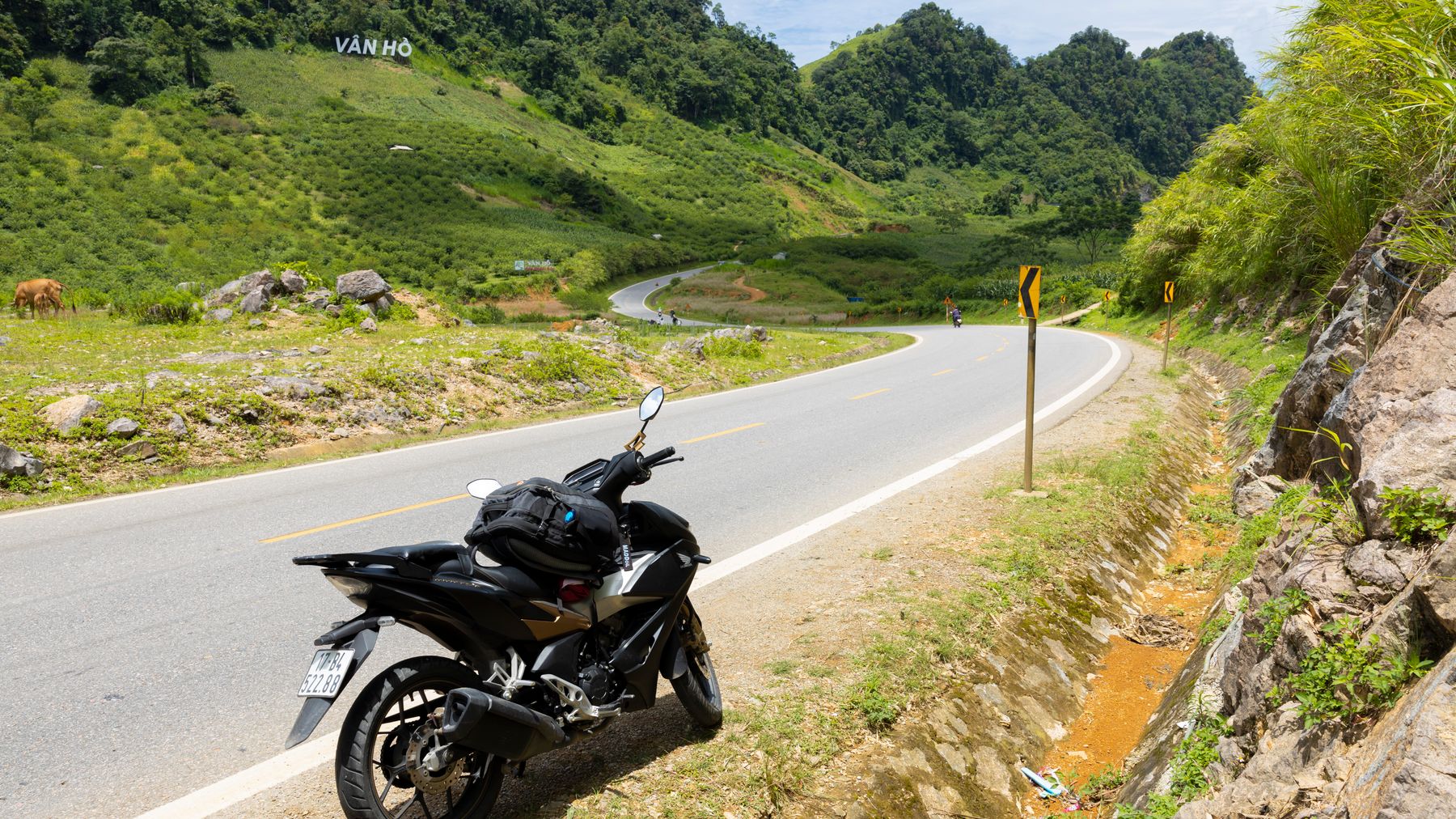
Photo by HONG SON on Pexels
Unlike Sapa or Ha Giang, Lang Son does not have a massive tourist infrastructure, meaning motorbike rental shops are not on every corner. Most hotels do not keep a fleet of bikes, but they can usually call a local provider to deliver one to your lobby.
If you prefer to arrange it yourself, look for rental signs near the Lang Son Train Station or ask at budget homestays.
For solo travelers on a budget, local buses are the cheapest way to travel between Lang Son city and the border town of Dong Dang.

Photo by Tường Chopper on Pexels
Most travelers arrive in Lang Son from Hanoi (하노이 / 河内 / ハノイ). The most efficient way to make this journey is by limousine van. Companies like Khanh An Limousine or Huu Nghi Limousine run modern 9-seater vans every hour from Hanoi.
These vans cost around 220,000 to 260,000 VND and take about 2.5 to 3 hours via the Hanoi - Lang Son expressway. They will drop you off directly at your hotel in Lang Son city or at the border gate if you are crossing into China.
Alternatively, the daily train from Hanoi to Lang Son is slow (taking over 4 hours) but offers a scenic, relaxed journey through the countryside. The train drops you at Ga Lang Son, right in the center of town, where you can easily grab a local taxi or "xe om" to your hotel, perhaps stopping for a quick bowl of local "pho (쌀국수 / 越南河粉 / フォー)" or some "nem chua" along the way.
Always carry cash in small denominations (10,000 to 50,000 VND) as local bus drivers, "xe om" riders, and small taxi operators rarely accept card payments or bank transfers. Keep a offline map downloaded on your phone, as mobile signal can become patchy when riding near the mountainous border zones.