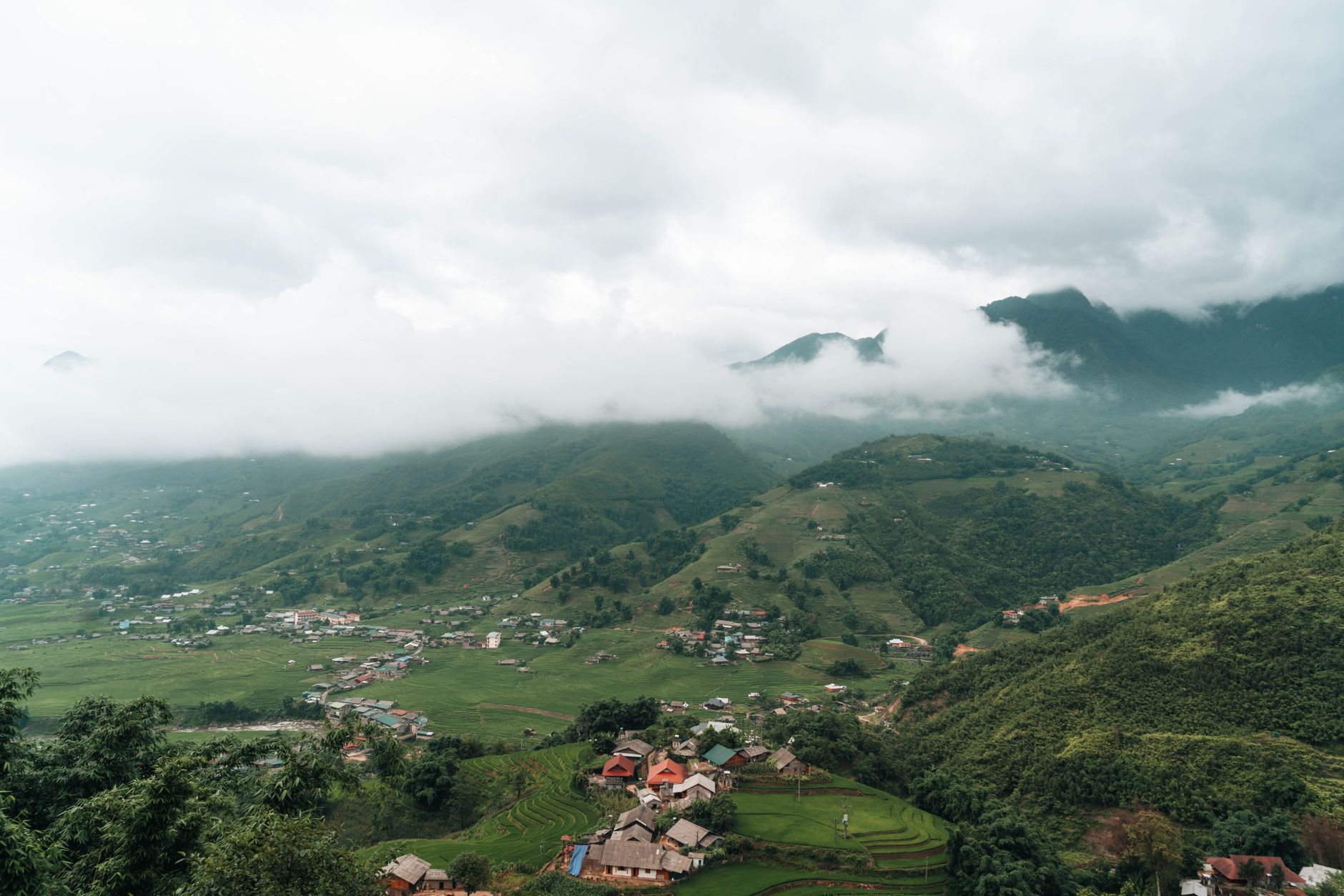
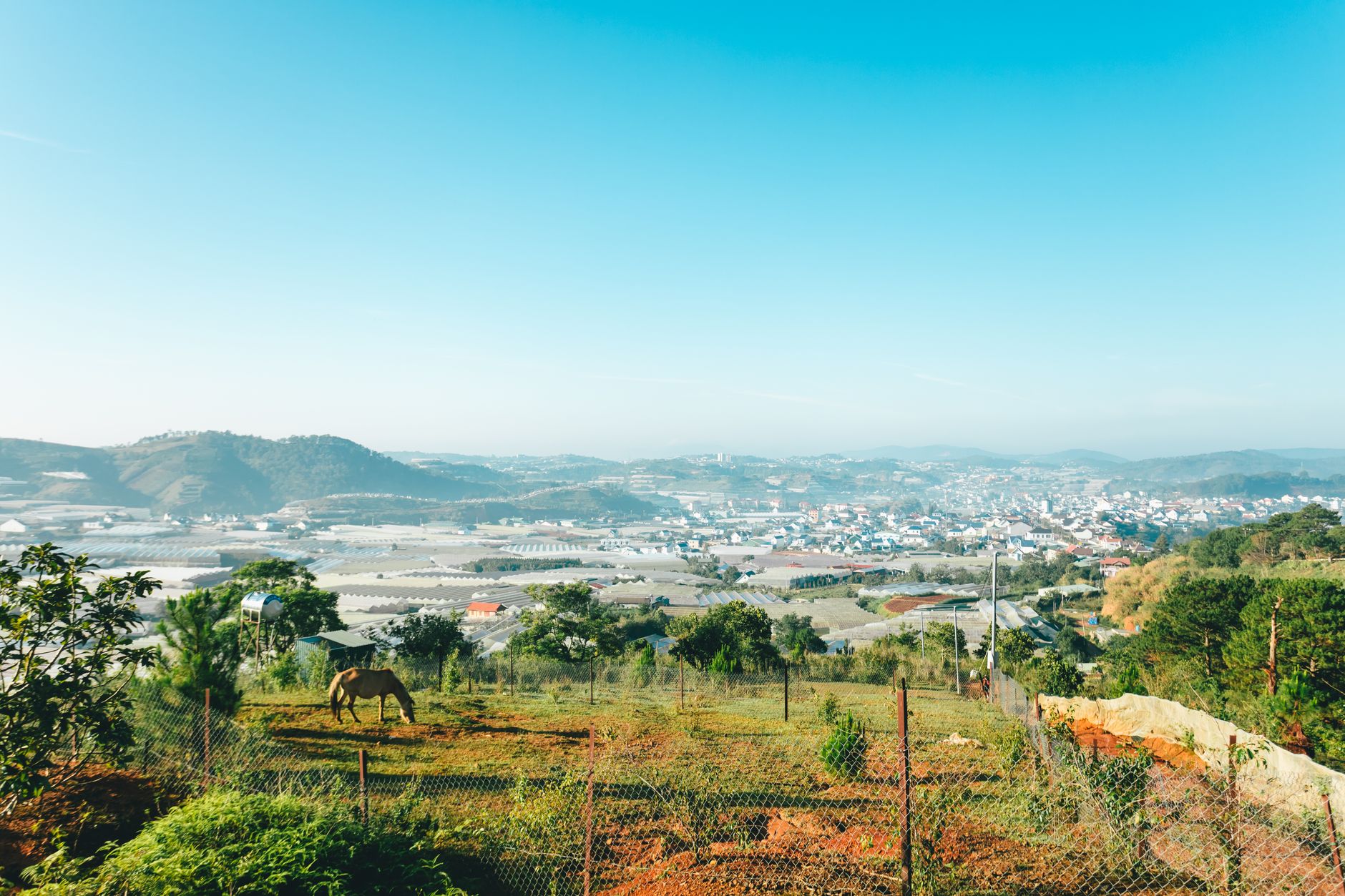
Lang Son is often treated as a quick border crossing or a footnote on the way to Cao Bang, but navigating this mountainous province requires a bit of local strategy. Unlike Vietnam's major hubs, you cannot rely on ride-hailing apps here; instead, getting around means navigating local taxi lines, negotiating with "xe om" drivers, or renting a semi-automatic bike to tackle the karst-lined highways.
Understanding the geography and transport options beforehand will save you both time and money when exploring this northern borderland.
The Layout: City Center vs. The Borderlands
To plan your transport, you first need to understand how Lang Son is spread out. The province is highly mountainous, but the key points of interest lie along a relatively straight northern corridor:
- Lang Son City: The central hub where you will find most hotels, cafes serving "ca phe sua da", and local eateries.
- Dong Dang Town: Located about 14 km north of the city center. This is a historic junction town and home to the Dong Dang temple.
- Huu Nghi Border Gate: The main international border crossing with China, situated about 17 km north of Lang Son city.
- Mau Son Mountain: Located 30 km east of the city. The road here is steep, narrow, and winds up to an altitude of over 1,500 meters.
Because attractions like the Tam Thanh Cave are close to the city center, you can easily walk or take a short taxi ride between them. However, trips to Mau Son or the border gates require dedicated wheels.
Taxi and Ride-Hailing Reality in Lang Son
If you open Grab or Gojek upon arriving in Lang Son, you will likely see an empty map. Ride-hailing apps do not operate reliably here. You might occasionally spot a stray GrabBike driver near the market, but GrabCar is non-existent.
Instead, you will need to rely on traditional metered taxis. Fortunately, they are plentiful around the train station, the bus terminal, and major markets like Cho Dong Kinh.
Reliable local taxi brands include:
- Taxi Mai Linh: (0205) 38 38 38 38
- Taxi Khanh Linh: (0205) 38 28 828
- Taxi Huu Nghi: (0205) 38 76 76 76
Expect a flag-drop rate of about 12,000 to 15,000 VND, with subsequent kilometers costing around 15,000 VND. If you plan to take a taxi to Mau Son or the border, negotiate a fixed round-trip rate with the driver beforehand rather than keeping the meter running. A round-trip to Mau Son with waiting time usually costs between 600,000 and 800,000 VND.
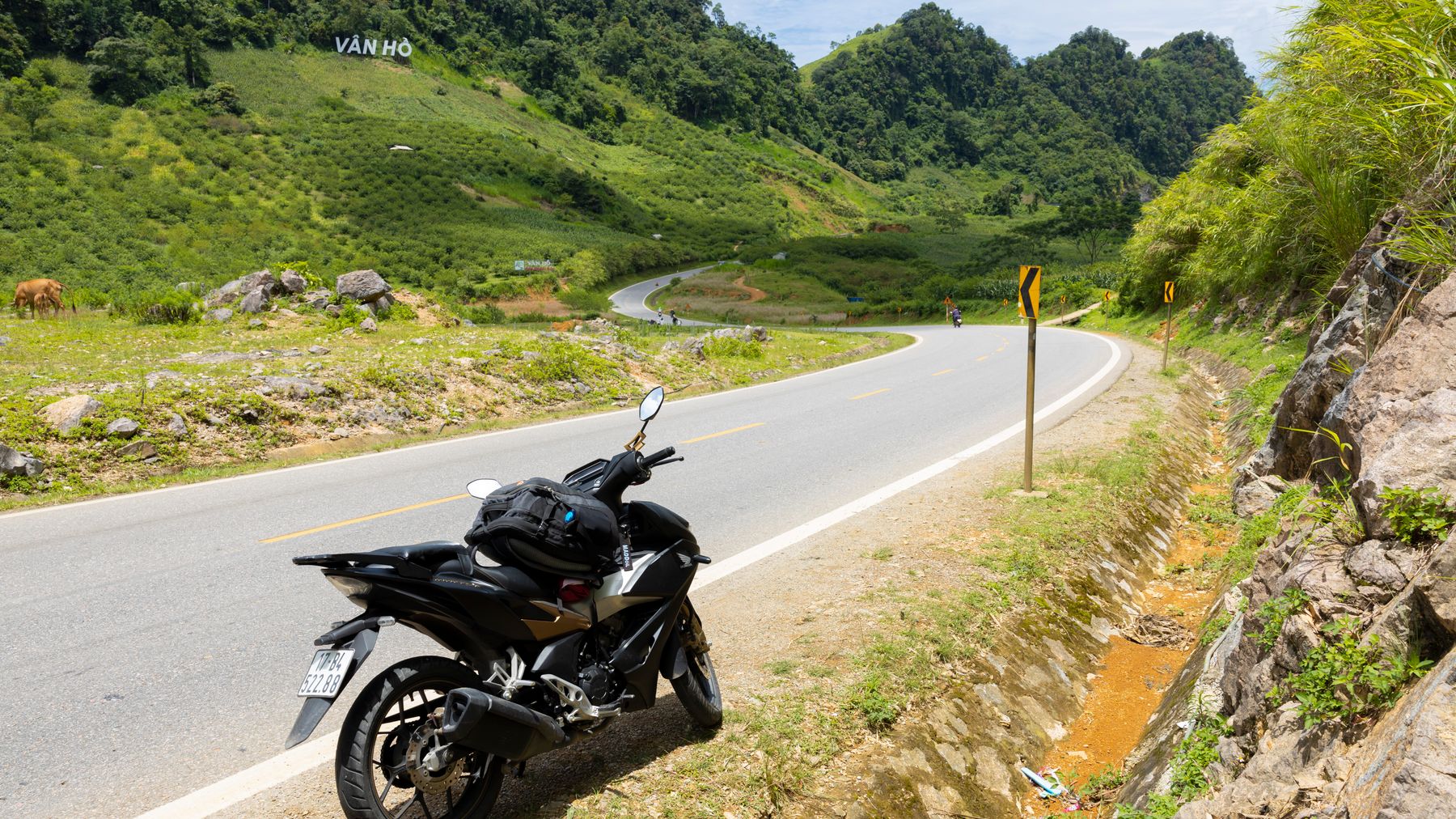
Photo by HONG SON on Pexels
Motorbike Rental: Where and How
Unlike Sapa or Ha Giang, Lang Son does not have a massive tourist infrastructure, meaning motorbike rental shops are not on every corner. Most hotels do not keep a fleet of bikes, but they can usually call a local provider to deliver one to your lobby.
If you prefer to arrange it yourself, look for rental signs near the Lang Son Train Station or ask at budget homestays.
- Rates: Expect to pay 150,000 to 200,000 VND per day for a semi-automatic bike (like a Honda Wave) and 200,000 to 250,000 VND for an automatic (like a Honda Vision).
- Fuel: You will receive the bike almost empty. Head straight to the nearest Petrolimex station. A full tank will cost around 70,000 to 90,000 VND.
- Road Conditions: The main highway (QL1A) connecting Hanoi to the border is well-paved but heavily trafficked by large container trucks. If you ride to Mau Son, be prepared for sharp switchbacks, thick fog, and occasional loose gravel.
Local Buses and "Xe Om"
For solo travelers on a budget, local buses are the cheapest way to travel between Lang Son city and the border town of Dong Dang.
- Bus Route 01 & 02: These buses run regularly from the city center up to the Huu Nghi border gate and Dong Dang. The fare is flat, usually between 10,000 and 20,000 VND per trip. You can catch them along Ba Trieu or Tran Dang Ninh streets.
- Xe Om (Motorbike Taxis): Traditional motorbike taxis gather outside the train station, Dong Kinh Market, and the Ky Lua night market. They do not use meters, so you must negotiate the price before mounting the bike. A short trip within the city should cost no more than 20,000 to 30,000 VND. A trip to Dong Dang should cost around 80,000 to 100,000 VND.

Photo by Tường Chopper on Pexels
Getting from Hanoi to Lang Son
Most travelers arrive in Lang Son from Hanoi (하노이 / 河内 / ハノイ). The most efficient way to make this journey is by limousine van. Companies like Khanh An Limousine or Huu Nghi Limousine run modern 9-seater vans every hour from Hanoi.
These vans cost around 220,000 to 260,000 VND and take about 2.5 to 3 hours via the Hanoi - Lang Son expressway. They will drop you off directly at your hotel in Lang Son city or at the border gate if you are crossing into China.
Alternatively, the daily train from Hanoi to Lang Son is slow (taking over 4 hours) but offers a scenic, relaxed journey through the countryside. The train drops you at Ga Lang Son, right in the center of town, where you can easily grab a local taxi or "xe om" to your hotel, perhaps stopping for a quick bowl of local "pho (쌀국수 / 越南河粉 / フォー)" or some "nem chua" along the way.
Practical notes
Always carry cash in small denominations (10,000 to 50,000 VND) as local bus drivers, "xe om" riders, and small taxi operators rarely accept card payments or bank transfers. Keep a offline map downloaded on your phone, as mobile signal can become patchy when riding near the mountainous border zones.
Last updated · May 30, 2026 · independently researched, never sponsored.