— FIN —
Última actualización · May 30, 2026 · investigación independiente, sin patrocinios.
We use minimal analytics + ads (no personal tracking). See our privacy policy.
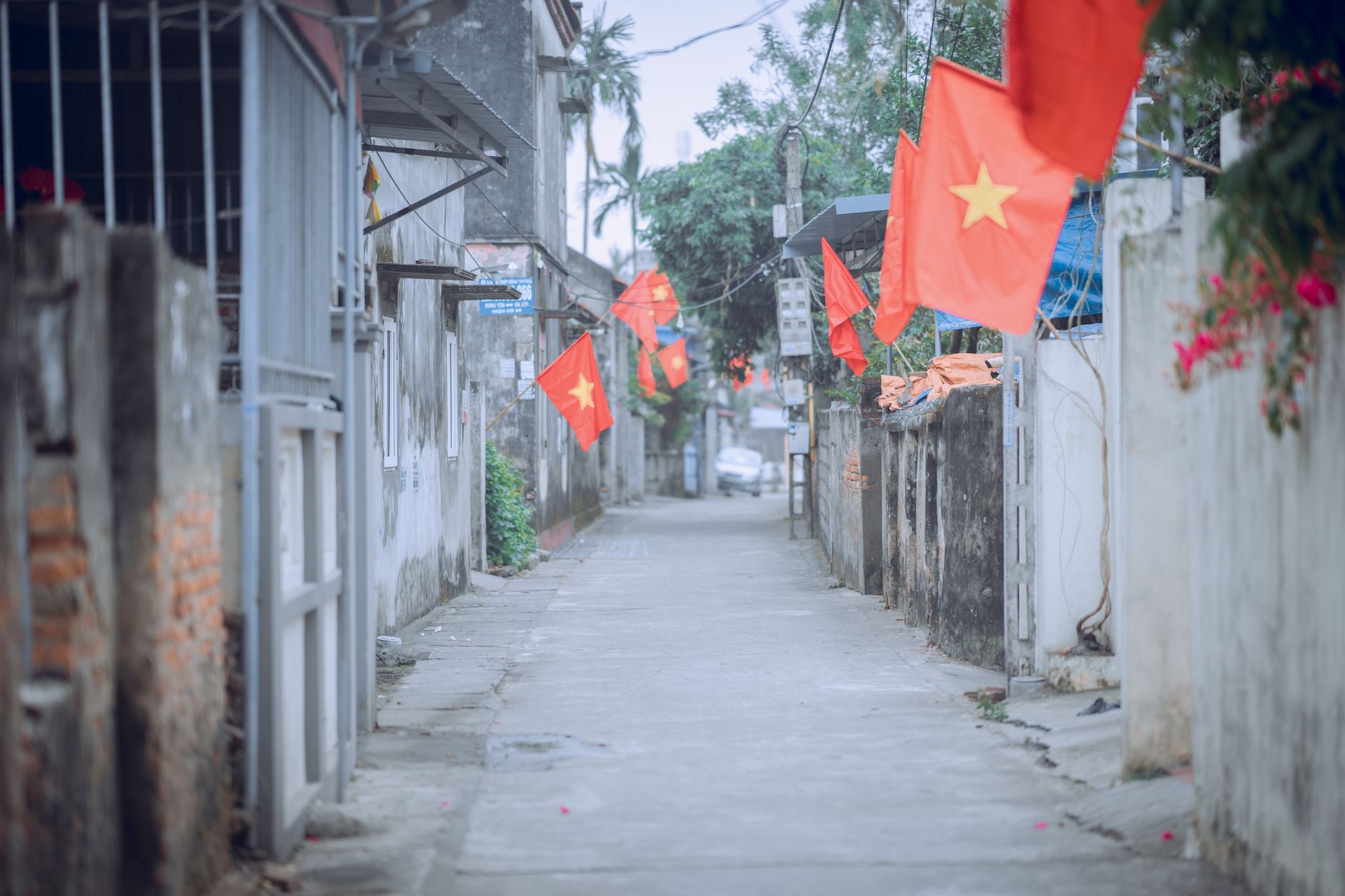
Navigating Vietnam requires more than just a map. Learn these essential phrases to ask locals about distance and travel time with confidence.
Última actualización · May 30, 2026 · investigación independiente, sin patrocinios.
Otros artículos sobre esta ciudad.

Winter in the north is damp, grey, and surprisingly chilly. Forget the tropical gear and pack for layering to survive the humidity.

…
Hotels, homestays, hostels — strongest inventory in Vietnam.
Thousands of foreigners teach English or freelance in Vietnam on tourist visas. Here is what Vietnamese law actually says, when it gets enforced, and how to do it properly.
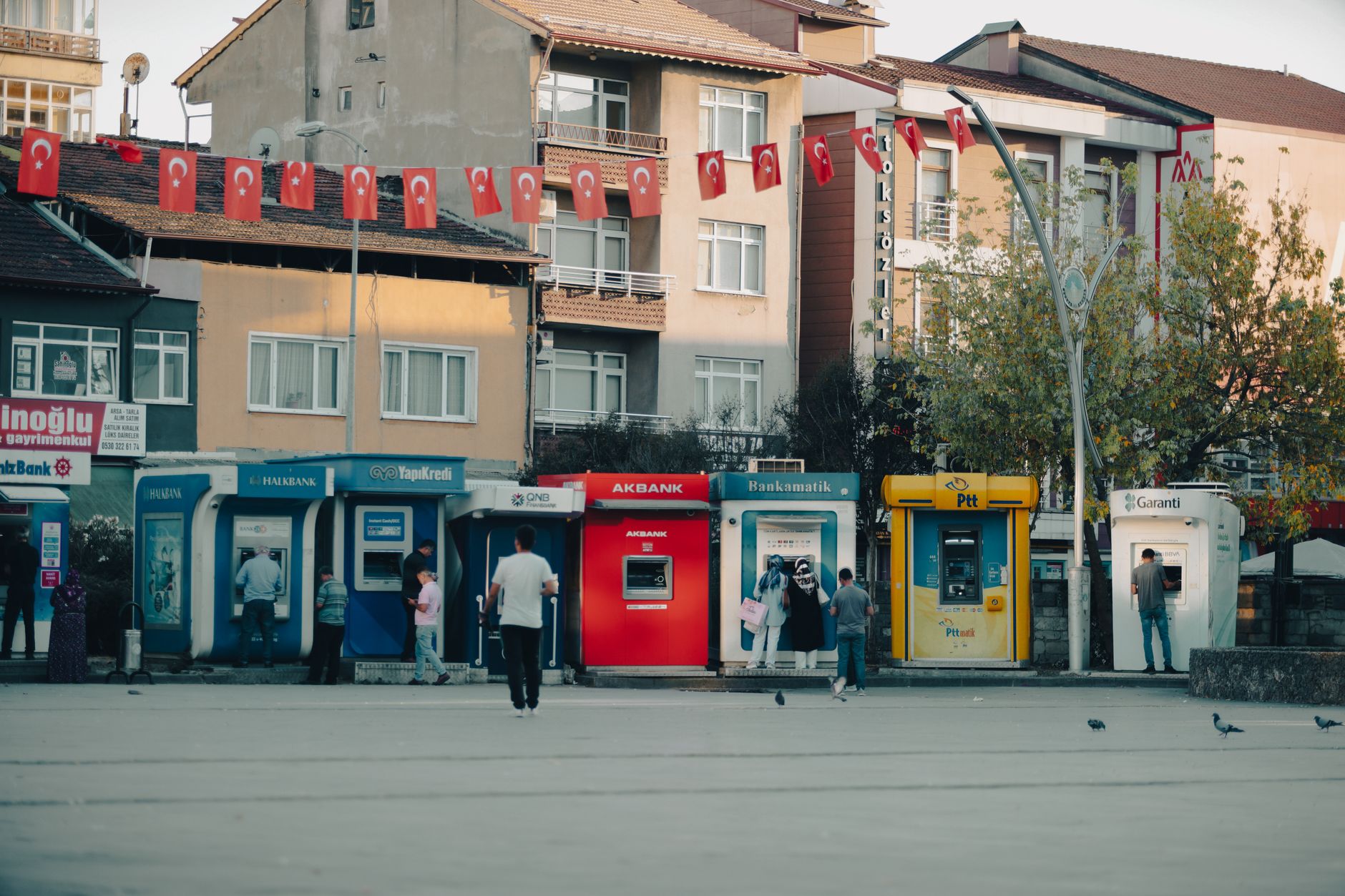
The Wise debit card works well in Vietnam if you know the fee structure. Here's how to use it at ATMs and merchants without losing money on bad rates.
Otros artículos en esta región.

The Wise debit card works well in Vietnam if you set it up right. Here's how to avoid fees, use the VND balance, and when it beats alternatives.
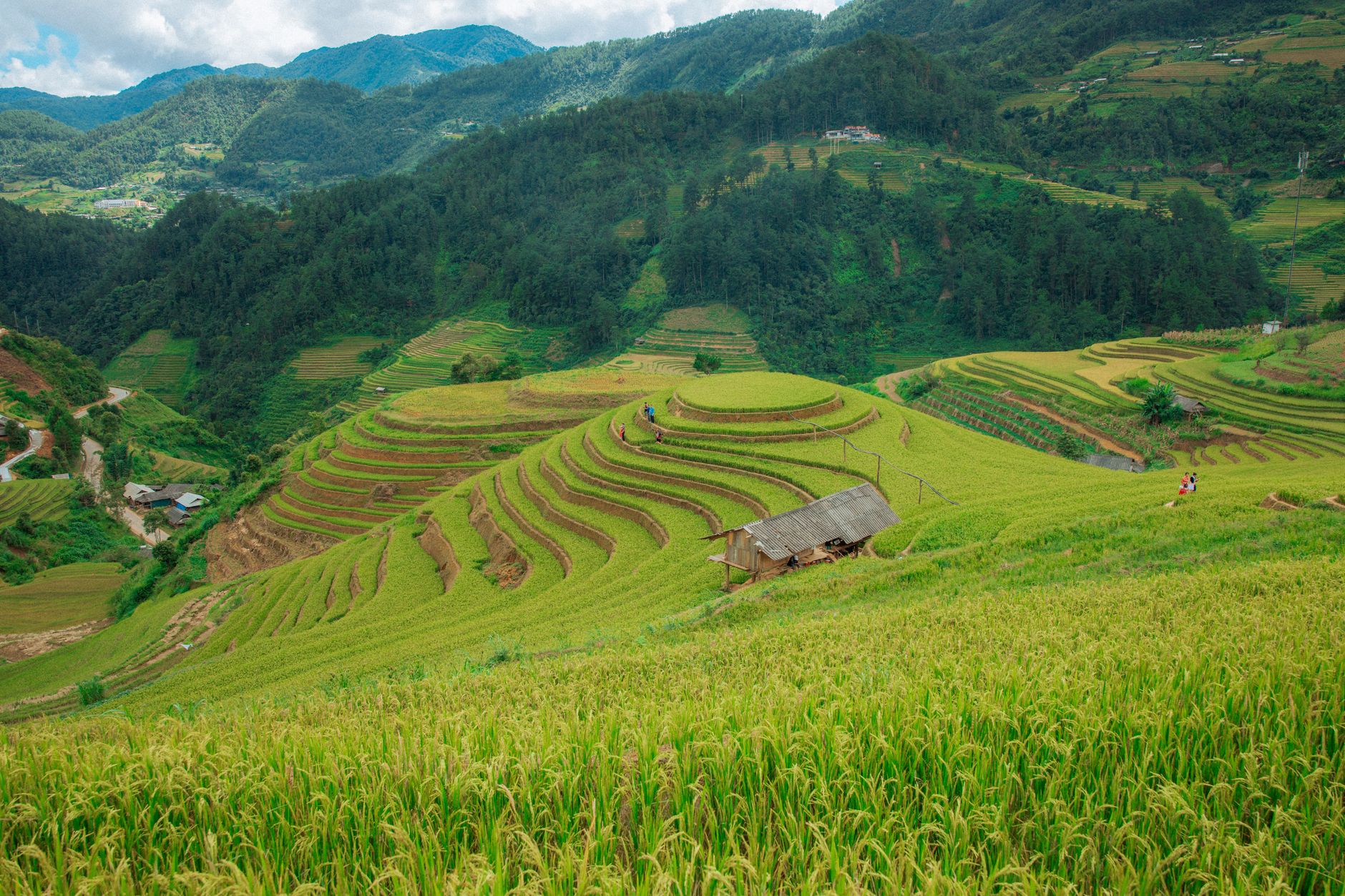
Vietnam's wellness scene has matured fast. Here's how to spend 7 days across four retreats — Hoi An, Da Lat, Phu Quoc, and Mai Chau — depending on your pace and budget.
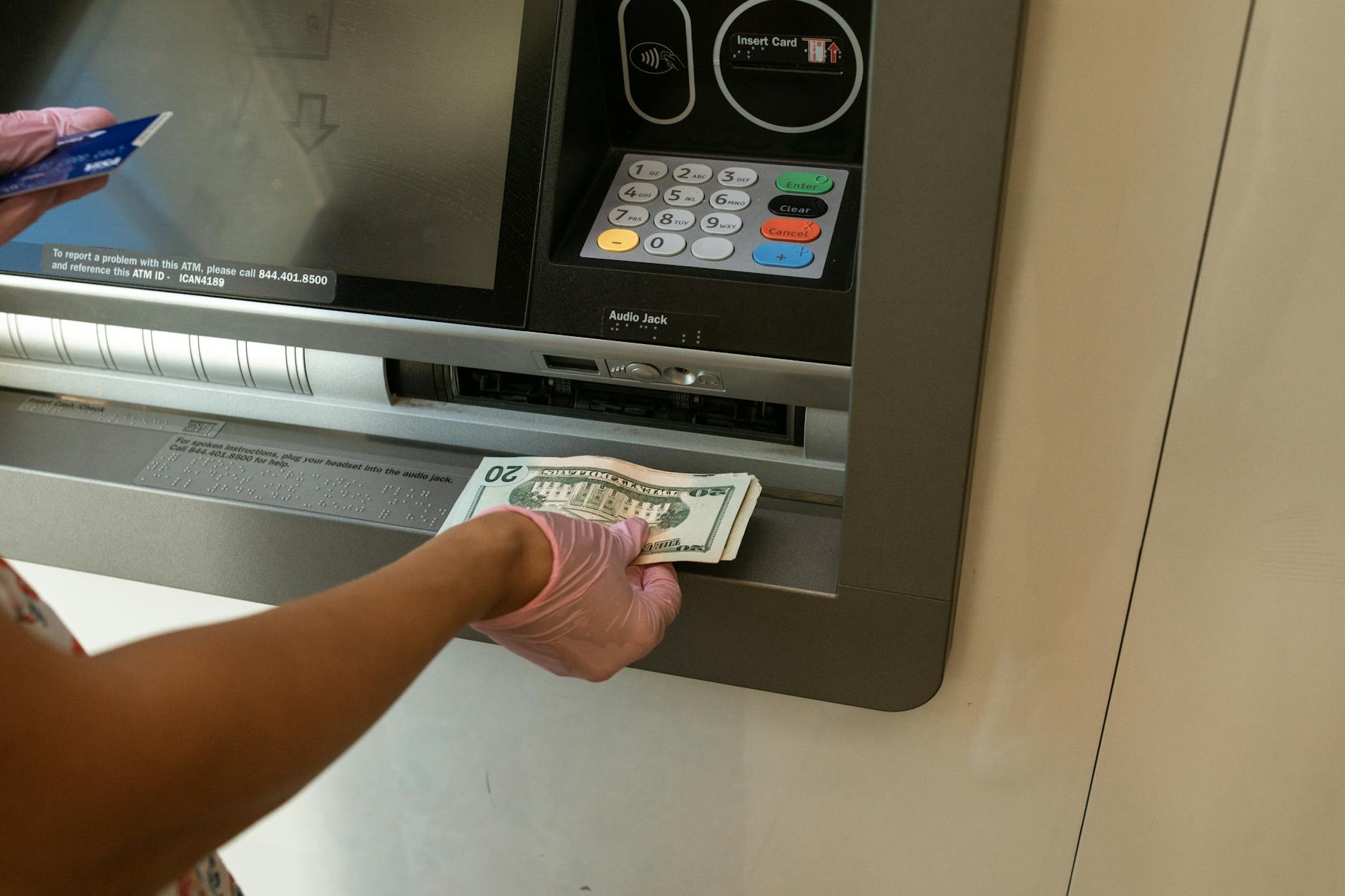
Vietnam runs on dong, but there are real situations where USD cash matters. Here is where you can actually pull USD from an ATM or bank counter.
More articles from the same category.
Forget the heavy gear. Packing for the Mekong Delta is about managing humidity, protecting your skin, and staying mobile on the water.

Wise works for sending VND to Vietnamese banks, but the process has quirks. Here's what fees to expect, which banks receive fastest, and why transfers get rejected.
Fees, speeds, and bank coverage compared for the three most-used international transfer services into Vietnam — so you pick the right one before you send.
Forget the resort-brochure packing lists. Here is the gear you actually need for Vietnam's coast, from the sands of Da Nang to the islands of Phu Quoc.
Mastering basic time and day markers in Vietnamese will save you from missed buses and confused taxi drivers. Here is the essential cheat sheet for your trip.

Most travel insurance policies have gaps that matter specifically in Vietnam — motorbike coverage, medical evacuation, and hospital payment methods. Here is what to check before you buy.
In Vietnam, maps can be deceptive. A 10km stretch on a highway in the Mekong Delta (메콩 델타 / 湄公河三角洲 / メコンデルタ) is a vastly different experience than 10km through the winding mountain passes of Ha Giang. Locals have an intuitive sense of 'travel time' that often accounts for road conditions, traffic, and the sheer unpredictability of the commute. Learning to ask these questions will save you from waiting for a bus that is stuck in traffic or underestimating a motorbike journey.
When you approach a local, a polite smile and a slight nod go a long way. Use these phrases to get the information you need.
Vietnamese: Tu day den [Location] bao xa? Pronunciation: Too zay den [Location] bow sah?
This is your most versatile tool. If you are in Hanoi and want to know the distance to the Temple of Literature, you would say: Tu day den Van Mieu bao xa?
Vietnamese: Di mat bao lau? Pronunciation: Zee mat bow low?
Distance in kilometers is often less useful than time. Di mat bao lau asks specifically for the duration of the journey. If the answer is 'mot tieng', that means one hour.
Vietnamese: Co xa khong? Pronunciation: Caw sah khom?
Use this when you are debating whether to walk or grab a taxi. If the answer is 'khong xa', it’s close enough to walk. If they say 'xa lam', you should probably find a ride.
Vietnamese: Di bo duoc khong? Pronunciation: Zee baw duoc khom?
Walking in cities like Saigon or Hue can be tricky due to motorbikes on sidewalks. This phrase helps you gauge if the route is pedestrian-friendly or if you are better off taking a Grab bike.
Vietnamese: Ben xe o dau? Pronunciation: Ben seh aw dow?
If you are planning a trip to Ninh Binh (닌빈 / 宁平 / ニンビン) or Sapa, you will likely need to find the regional bus station. This phrase is direct and effective.

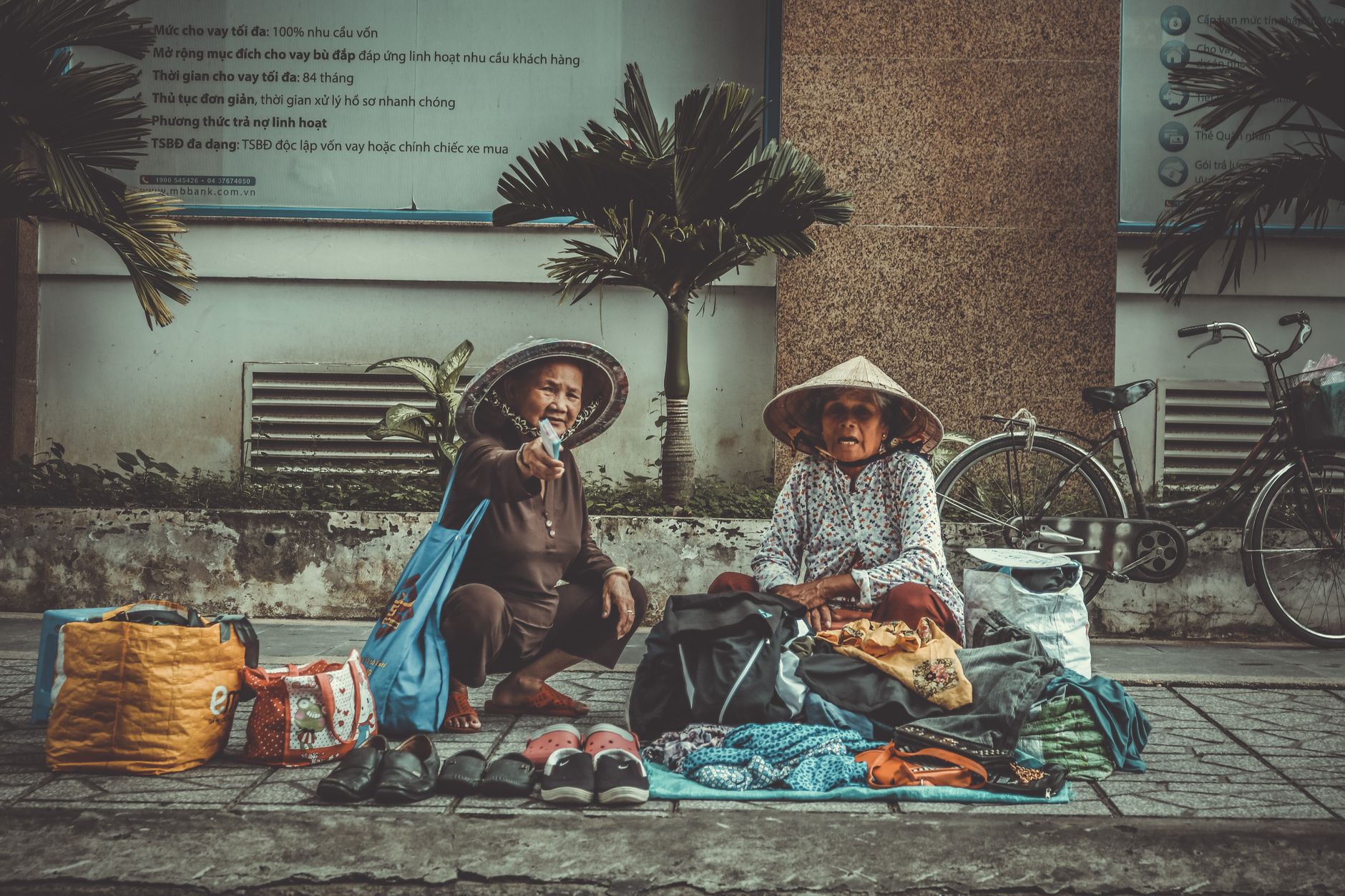
Photo by Nguyen Ngoc Tien on Pexels
Numbers in Vietnamese can be tricky for beginners, but you only need to master a few to understand the responses:
If someone tells you 'nam cay so', they mean five kilometers. If they say 'muoi phut', they mean ten minutes. Don't be surprised if the answer is vague—in many parts of the countryside, locals might point and say 'di thang' (go straight) or 'gan thoi' (it's close).
Photo by Nguyen Ngoc Tien on Pexels
Vietnamese people are generally helpful, but they may be shy about their English. By initiating the conversation in Vietnamese, you lower the barrier. If you are asking for directions to a heritage site like the Imperial Citadel in Hue or the One Pillar Pagoda in Hanoi, try to have the name written down on your phone.
Remember that 'distance' is subjective. A local motorbike rider might think 5km is a short trip, while someone walking might find it daunting. Always clarify your mode of transport if possible—adding 'di xe may' (by motorbike) or 'di taxi' to your question helps the local give you a more accurate time estimate.
Don't worry about perfect tones. Most locals will understand you based on the context of your question and your gestures. The effort of speaking a few words of the local language is almost always rewarded with a smile and a more helpful answer.