Why you need to ask
In Vietnam, maps can be deceptive. A 10km stretch on a highway in the Mekong Delta (메콩 델타 / 湄公河三角洲 / メコンデルタ) is a vastly different experience than 10km through the winding mountain passes of Ha Giang. Locals have an intuitive sense of 'travel time' that often accounts for road conditions, traffic, and the sheer unpredictability of the commute. Learning to ask these questions will save you from waiting for a bus that is stuck in traffic or underestimating a motorbike journey.
The essential phrases
When you approach a local, a polite smile and a slight nod go a long way. Use these phrases to get the information you need.
1. How far is it from here to [Location]?
Vietnamese: Tu day den [Location] bao xa? Pronunciation: Too zay den [Location] bow sah?
This is your most versatile tool. If you are in Hanoi and want to know the distance to the Temple of Literature, you would say: Tu day den Van Mieu bao xa?
2. How long does it take to get there?
Vietnamese: Di mat bao lau? Pronunciation: Zee mat bow low?
Distance in kilometers is often less useful than time. Di mat bao lau asks specifically for the duration of the journey. If the answer is 'mot tieng', that means one hour.
3. Is it far?
Vietnamese: Co xa khong? Pronunciation: Caw sah khom?
Use this when you are debating whether to walk or grab a taxi. If the answer is 'khong xa', it’s close enough to walk. If they say 'xa lam', you should probably find a ride.
4. Can I walk there?
Vietnamese: Di bo duoc khong? Pronunciation: Zee baw duoc khom?
Walking in cities like Saigon or Hue can be tricky due to motorbikes on sidewalks. This phrase helps you gauge if the route is pedestrian-friendly or if you are better off taking a Grab bike.
5. Where is the bus station?
Vietnamese: Ben xe o dau? Pronunciation: Ben seh aw dow?
If you are planning a trip to Ninh Binh (닌빈 / 宁平 / ニンビン) or Sapa, you will likely need to find the regional bus station. This phrase is direct and effective.

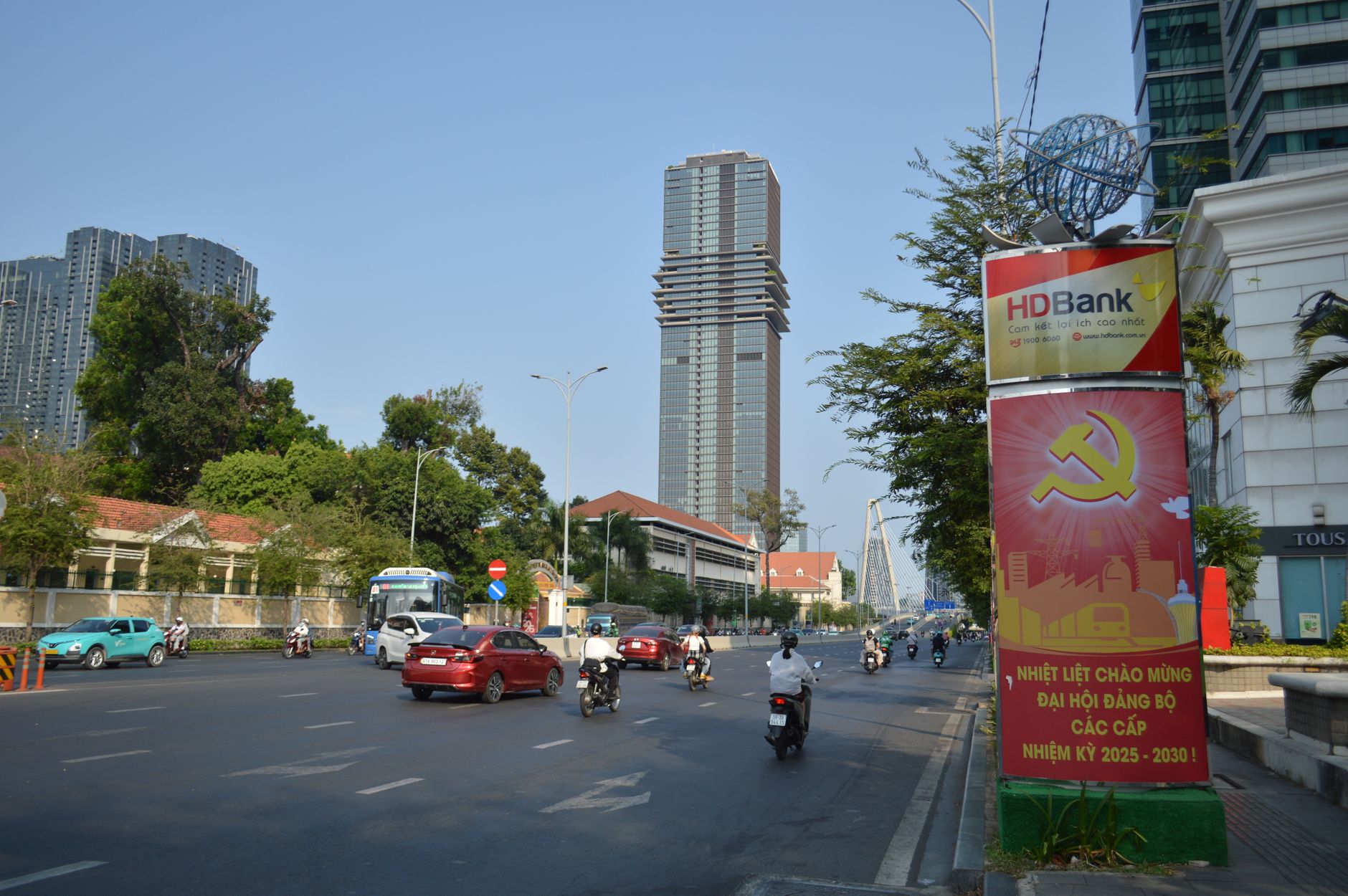
Photo by Nguyen Ngoc Tien on Pexels
Understanding the answers
Numbers in Vietnamese can be tricky for beginners, but you only need to master a few to understand the responses:
- Mot: One
- Hai: Two
- Nam: Five
- Muoi: Ten
- Tieng: Hour
- Phut: Minute
- Cay so: Kilometer (colloquial)
If someone tells you 'nam cay so', they mean five kilometers. If they say 'muoi phut', they mean ten minutes. Don't be surprised if the answer is vague—in many parts of the countryside, locals might point and say 'di thang' (go straight) or 'gan thoi' (it's close).
Photo by Nguyen Ngoc Tien on Pexels
Cultural context for asking
Vietnamese people are generally helpful, but they may be shy about their English. By initiating the conversation in Vietnamese, you lower the barrier. If you are asking for directions to a heritage site like the Imperial Citadel in Hue or the One Pillar Pagoda in Hanoi, try to have the name written down on your phone.
Remember that 'distance' is subjective. A local motorbike rider might think 5km is a short trip, while someone walking might find it daunting. Always clarify your mode of transport if possible—adding 'di xe may' (by motorbike) or 'di taxi' to your question helps the local give you a more accurate time estimate.
Final note
Don't worry about perfect tones. Most locals will understand you based on the context of your question and your gestures. The effort of speaking a few words of the local language is almost always rewarded with a smile and a more helpful answer.
Last updated · May 30, 2026 · independently researched, never sponsored.