Day 1 — The Gateway to the North
Arrive in Ha Giang City by sleeper bus from Hanoi. Spend your first day acclimating to the altitude and prepping your bike. Head to a local shop for a bowl of "pho" with thin-sliced beef to fuel up. Spend the afternoon walking up to the Cam Mountain viewpoint for a look over the city. Off-script suggestion: Visit the small village of Thon Tha, just 5km from the center, to see traditional stilt houses before the crowds arrive.
Day 2 — Climbing to Quan Ba
Start the ascent toward the Dong Van Karst Plateau. The road climbs steadily through the Bac Sum pass. Stop in Quan Ba to see the "Heaven Gate" pass. The air gets noticeably thinner here. Off-script suggestion: Skip the main tourist cafe at the pass; look for the small roadside stalls selling roasted corn and "lotus tea" nearby.
Day 3 — The Limestone Maze
Ride toward Yen Minh. The landscape shifts from lush green to jagged, grey limestone. The road is narrow and requires focus. Stop for lunch in Yen Minh town—look for "banh cuon" served with a side of pork bone broth. Off-script suggestion: Take the detour toward Du Gia early to see the remote valley landscape before the afternoon mist rolls in.
Day 4 — Deep into Du Gia
This is the heart of your adventure. The road to Du Gia is rugged and often unpaved. You will pass through Hmong and Tay villages. Spend the night in a homestay. Off-script suggestion: Ask your host for "thang co" if you are feeling adventurous, though it is an acquired taste.

Photo by Quang Nguyen Vinh on Pexels
Day 5 — The Waterfall Circuit
Spend the day exploring the waterfalls around Du Gia. The water is freezing, but it is the best way to wash off the road dust. Off-script suggestion: Hike the trail behind the main waterfall to find the hidden swimming holes locals use.
Day 6 — Toward the Border
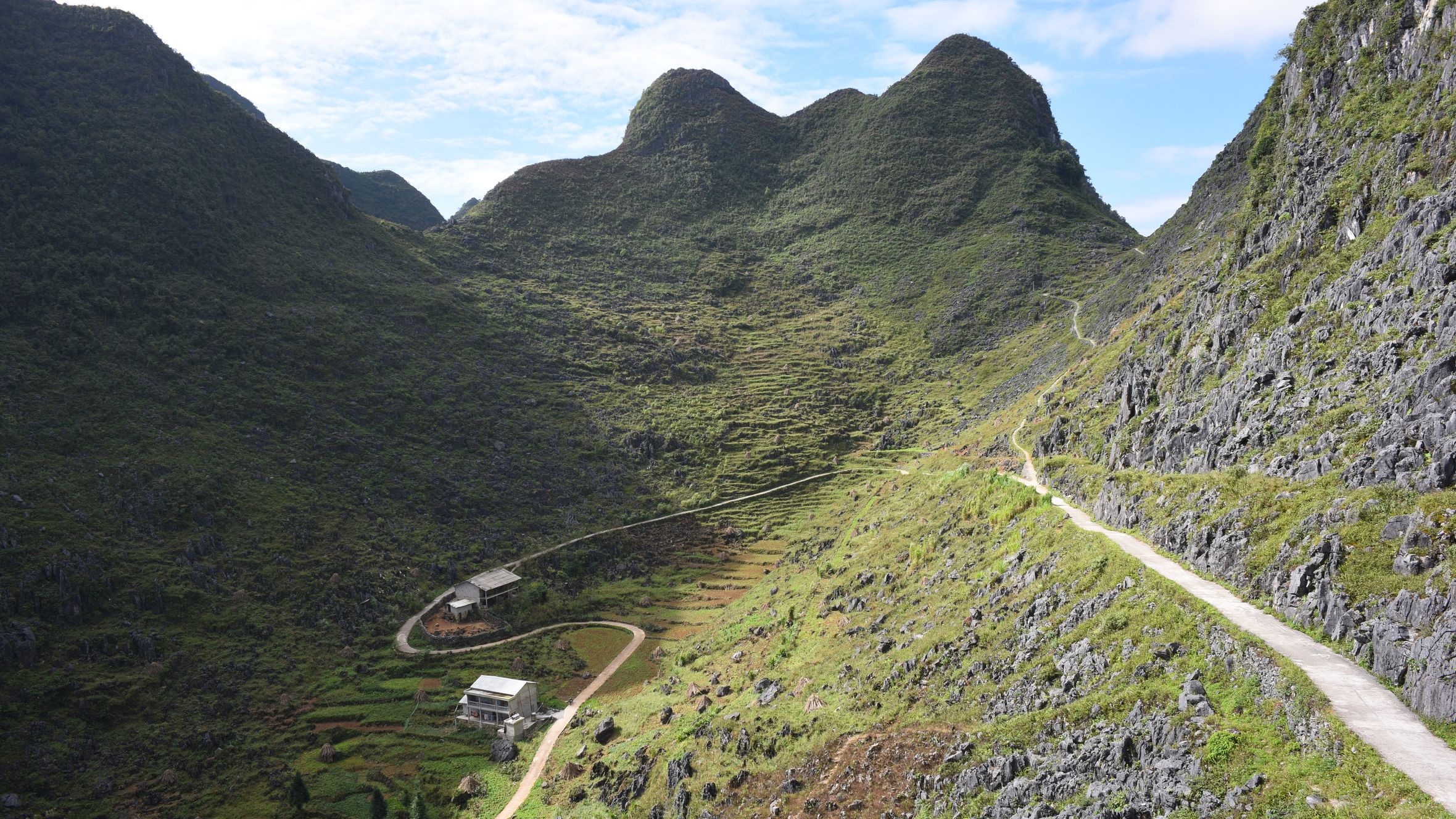
Head north toward Meo Vac. This stretch features some of the most dramatic canyon views in the country. The road hugs the cliffside, overlooking the Nho Que River far below. Off-script suggestion: Stop at the Ma Pi Leng pass viewpoint, but walk 500 meters further down the trail to escape the selfie-stick crowds.
Day 7 — The River Below
Take the steep path down to the Nho Que River. You can rent a boat or kayak to navigate the canyon floor. The scale of the limestone walls from the water is humbling. Off-script suggestion: Bring a packed lunch of "banh mi (반미 / 越式法包 / バインミー)" from Meo Vac, as there are no formal restaurants at the river level.
Photo by Quang Nguyen Vinh on Pexels
Day 8 — Dong Van Old Quarter
Spend the day in Dong Van. Explore the ancient houses in the Old Quarter. If you are here on a Sunday, the market is a chaotic, vibrant display of local textiles and livestock. Off-script suggestion: Visit the Lung Cu Flag Tower, but focus your time on the smaller villages surrounding the base of the hill.
Day 9 — The High Passes
Ride the loop back toward the northernmost point. The roads are quiet and the views of the terraced fields are constant. Eat a hearty dinner of "com tam (껌땀 / 碎米饭 / コムタム)" in a local eatery in town. Off-script suggestion: Look for the local "corn wine"—it is potent, so drink sparingly.
Day 10 — Return to the City
Make the final push back to Ha Giang City. The descent is long and hard on the brakes. Celebrate the end of the trip with a bowl of "bun rieu" at a street stall near the bus station. Off-script suggestion: Stop at the small museum in Quan Ba on your way down to learn about the local geology.
Practical notes
Ha Giang is not for beginner riders; ensure your bike is in top condition and you have an international driving permit. Pack layers, as temperatures drop significantly at night even in the summer months.
Last updated · May 30, 2026 · independently researched, never sponsored.