Ten days in Hanoi is a luxury of time that allows you to move past the bucket-list checklists and sink into the city's layered, thousand-year-old rhythm. This itinerary bypasses the rushed tour buses to focus on architectural details, neighborhood wet markets, traditional craft heritage, and the quiet corners where local life unfolds.
Day 1 — The Old Quarter & Street Food Roots
Start your journey in the historical heart of the city. Begin with a morning walk around "hoan kiem" Lake, watching locals practice tai chi under the rising mist. Afterward, head into the maze of the Old Quarter for your first bowl of beef "pho" at Pho Gia Truyen on Bat Dan Street (around 55,000 VND), where the broth has simmered overnight.
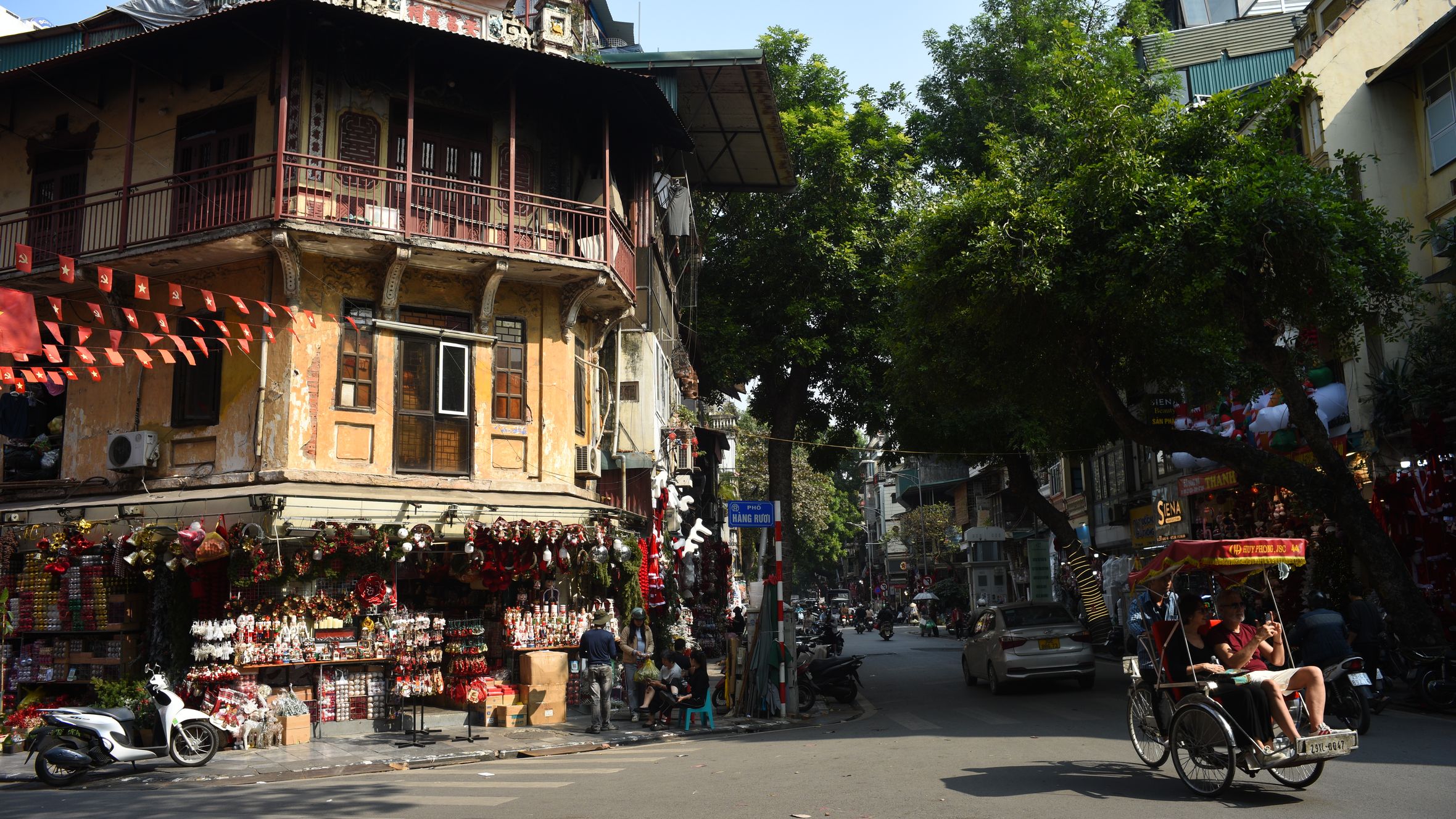
Spend the afternoon wandering the guild streets, where shops still cluster by trade—tin, paper, tombstone carving, and herbal medicine. As dusk falls, grab a low plastic stool at the corner of Ta Hien and Luong Ngoc Quyen for a cold glass of "bia hoi" (fresh draft beer) for 15,000 VND.
Off-script suggestion: Skip the crowded lakeside temple and seek out Bach Ma Temple on Hang Buom Street. It is the oldest temple in the Old Quarter, dating back to the 11th century, featuring a quiet courtyard and a lacquered white horse statue honoring the city's guardian spirit.
Day 2 — French Quarter & Literary History
Transition from the dense Old Quarter to the wide, tree-lined boulevards of the French Quarter. Start at the "temple of literature" (Van Mieu), Vietnam (베트남 / 越南 / ベトナム)'s first university founded in 1070. Walk through the five courtyards and study the stone turtles bearing the names of ancient scholars.
In the afternoon, visit the Vietnam National Fine Arts Museum, housed in a former French girls' boarding school. The collection ranges from prehistoric stone carvings to modern lacquer paintings depicting wartime resilience.
Off-script suggestion: Have an afternoon coffee at Cafe Lam on Nguyen Huu Huan Street. During the mid-20th century, the owner allowed impoverished artists to pay for their coffee and meals with paintings. Today, those original works still line the narrow wooden walls.
Day 3 — West Lake & Ancient Pagodas
Head north to "west lake" (Ho Tay), the city's largest lake and a hub of spiritual history. Visit "tran quoc pagoda", which stands on a small peninsula. Dating back to the 6th century, its multi-tiered red tower is one of the oldest Buddhist structures in Vietnam.
Walk along the Thanh Nien causeway to Truc Bach Lake, then spend the afternoon exploring the quiet residential alleys of the Tay Ho peninsula. Stop at a local teahouse to sample traditional "lotus tea", where tea leaves are scented inside live lotus blossoms.
Off-script suggestion: Visit Quan Thanh Temple at the southern edge of the lake. It is one of the four sacred temples protecting the ancient capital, housing a massive four-ton bronze statue of Huyen Thien Tran Vu cast in 1677.
Day 4 — Traditional Arts & Performance
Hanoi (하노이 / 河内 / ハノイ) is the cradle of northern Vietnamese performing arts. Spend the morning visiting the Vietnam Museum of Ethnology, which offers deep context on the country's 54 ethnic groups, complete with full-scale traditional houses rebuilt in the outdoor garden.
In the evening, book tickets for a performance. While "water puppetry" at the Thang Long Theater is the most famous option, seek out a intimate "ca tru" (ancient chamber music) performance in a restored heritage house.
Off-script suggestion: Walk down Phung Hung Street to view the public art project where old railway stone arches have been painted with murals depicting Hanoi's historical street scenes, street vendors, and mid-century trams.

Photo by Nguyen Ngoc Tien on Pexels
Day 5 — Craft Villages: Ceramics at Bat Trang
Take a day trip 15 km southeast of the city center to "bat trang" ceramic village, which has produced pottery since the 14th century. You can take public bus 47A from Long Bien transit point for less than 10,000 VND.
Spend the day wandering the narrow brick alleys where raw clay dries on walls. Watch artisans paint intricate blue-and-white patterns on vases, bowls, and tea sets.
Off-script suggestion: Visit the Bat Trang Ceramic Museum, a striking modern architectural landmark made of seven interlocking clay-canyon structures designed to look like giant potter's wheels.
Day 6 — Architecture & War History
Explore the Imperial Citadel Thang Long, a UNESCO World Heritage site that served as the political center of Vietnam for eight centuries. Walk through the imposing Doan Mon gate and descend into the underground military bunker used during the war in the 1960s.
Afterward, walk to the nearby "one pillar pagoda", a historic Buddhist temple built on a single stone pillar designed to resemble a lotus blossom rising from the water.
Off-script suggestion: Walk 15 minutes north into the residential neighborhood of Ngoc Ha to find Huu Tiep Lake. Tucked between quiet homes, a rusted piece of a B-52 bomber shot down in 1972 still juts out of the green water.
Day 7 — Markets & Daily Life
Set your alarm for 4:30 AM to catch the city waking up. Walk across the historic "long-bien-bridge", designed by the Dayde & Pille company in the late 19th century. Watch the stream of motorbikes loaded with fresh flowers and vegetables heading into the city from the Red River delta.
After sunrise, head to "dong xuan market" to observe the chaotic energy of the wholesale trade. For breakfast, find a stall serving "bun thang", a delicate chicken noodle soup topped with shredded egg, pork roll, and herbs.
Off-script suggestion: Explore the wet market stalls along Hang Hom Street, where locals buy fresh tofu, live fish, and seasonal herbs, offering a raw look at daily Hanoian life away from the tourist shops.
Photo by Nguyen Ngoc Tien on Pexels
Day 8 — Ancient Village of Duong Lam
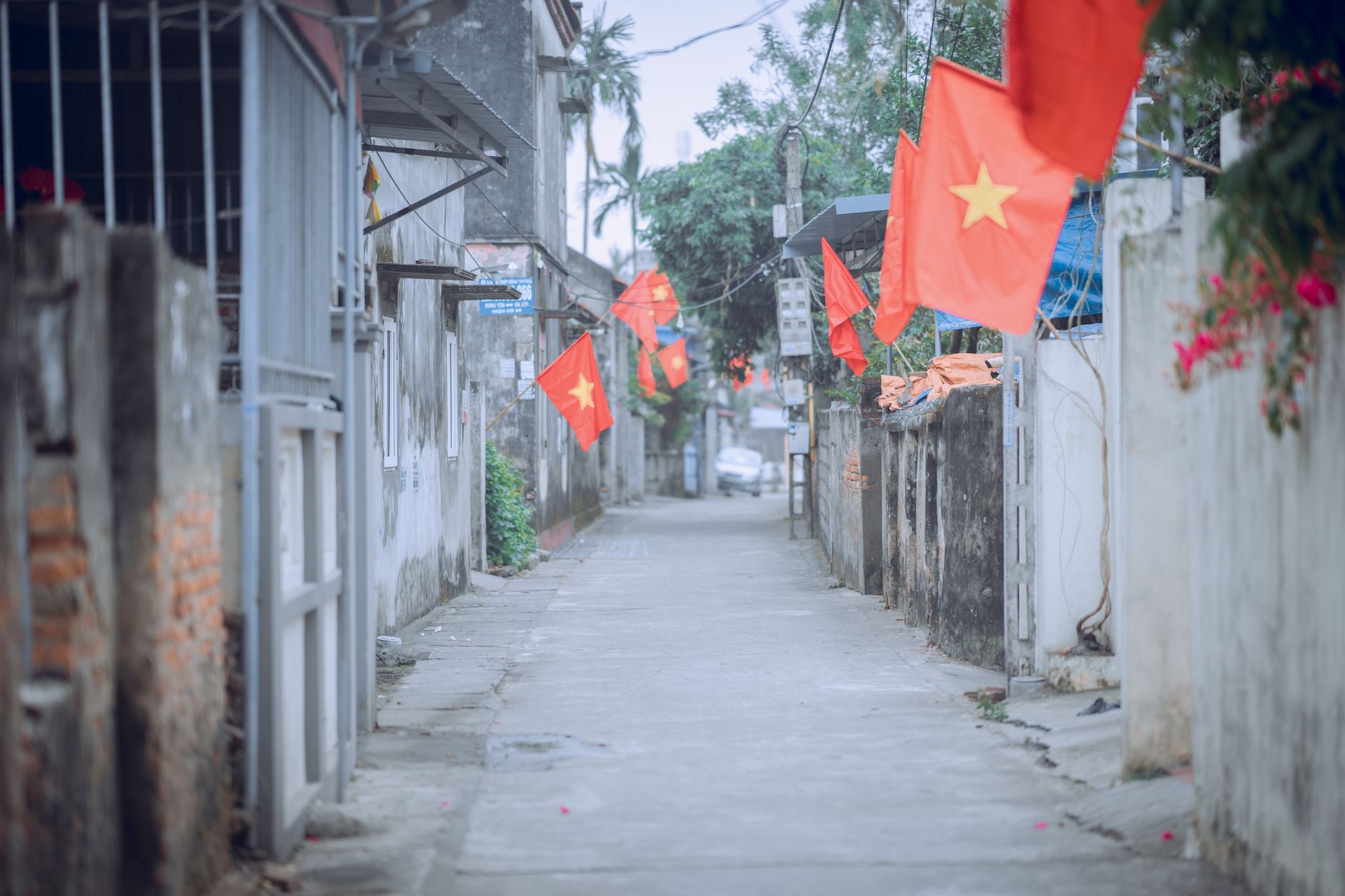
Travel 60 km west of Hanoi to "duong lam" ancient village. This destination preserves the traditional architecture of the Red River delta, featuring houses built from laterite bricks (a local red clay soil) that are over 300 years old.
Rent a bicycle to ride through the narrow stone paths, passing ancient communal houses, banyan trees, and old water wells.
Off-script suggestion: Stop at Mia Pagoda on the edge of the village, which houses 287 ancient Buddhist statues made of clay, wood, and bronze, each displaying unique facial expressions.
Day 9 — Coffee Culture & Modern Art
Hanoi runs on caffeine, and its coffee shops are social institutions. Spend the morning sampling "egg coffee" (robusta coffee topped with a sweet, whipped egg yolk foam) at Cafe Giang, where the drink was invented in the 1940s.
In the afternoon, explore the city's contemporary art scene. Hanoi has a growing community of independent galleries and creative spaces housed in repurposed industrial buildings.
Off-script suggestion: Visit Manzi Art Space on Phan Huy Ich Street. Set inside a quiet, whitewashed French villa, it operates as a cafe, art gallery, and independent bookstore supporting local avant-garde artists.
Day 10 — Culinary Masterclass & Final Sunset
Dedicate your final day to mastering Hanoi's culinary secrets. Book a small-group cooking class that starts with a trip to a local neighborhood market to select fresh ingredients. Learn to balance the five fundamental tastes of northern cuisine.
For lunch, enjoy your creations or head out for a classic plate of "bun cha" (grilled pork patties in a warm dipping sauce with rice noodles). Spend your final evening watching the sunset over West Lake from a lakeside cafe.
Off-script suggestion: Head to the quiet island of Ngu Xa on Truc Bach Lake to try "pho cuon"—fresh, wide sheets of noodle wrapped around stir-fried beef, coriander, and lettuce, dipped in a light fish sauce.
Practical notes
To navigate Hanoi comfortably, download the Grab app for reliable taxi and motorbike rides, which typically cost between 30,000 and 80,000 VND within the city center. Wear sturdy walking shoes to handle uneven sidewalks, and always carry small cash denominations (10,000 to 50,000 VND) for street food stalls and temple donations.
Last updated · May 30, 2026 · independently researched, never sponsored.