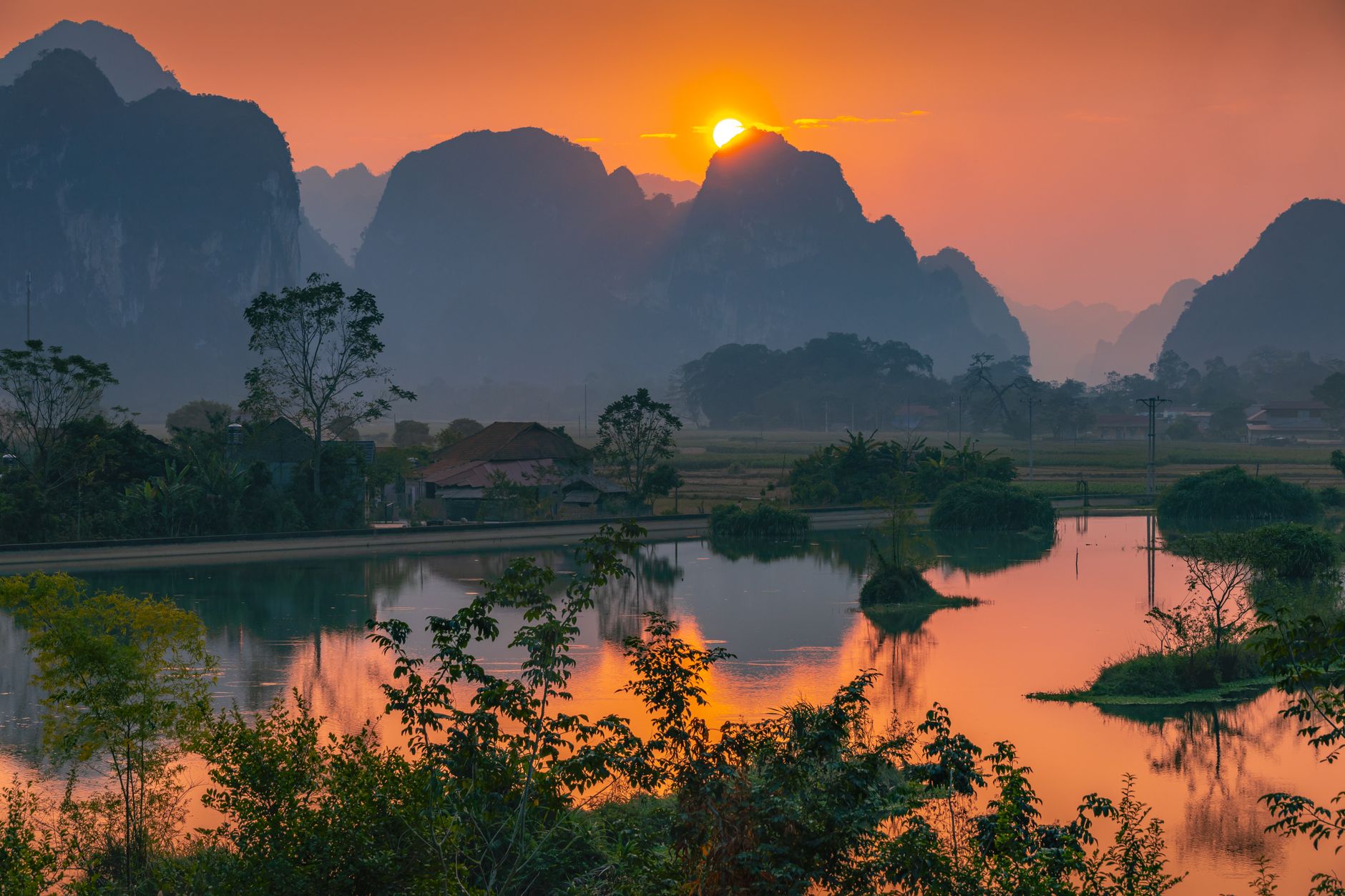
Bach Ma National Park sits in central Vietnam (베트남 / 越南 / ベトナム)'s Annamite Mountains, straddling the border between Thua Thien Hue and Da Nang provinces. At 220 square kilometers and 1,250 meters elevation, it's one of Vietnam's wettest regions—which means lush forests, frequent mist, and surprisingly cool air even during peak summer heat.
The park divides into three zones: a strictly protected core, an administrative area, and a buffer zone. You can walk the trails yourself, hire a moped, or book a guide vehicle—the last option best for steep terrain and navigation.
The French Hill Station Era
In 1932, French engineer Girard spotted Bach Ma's summit as prime real estate for a colonial hill station. By 1937, the place had exploded: 139 villas and hotels, a post office, market, hospital, and about two thousand residents at peak season. Most visitors were high-ranking French officials seeking relief from the heat of Hue.
The settlement earned the nickname "Dalat of central Vietnam"—not unfair, given the cool climate and built-out amenities. Today, stone walls and foundations scatter across the heights, silent reminders of that era. The ruins themselves are modest, weathered, but oddly peaceful—a strange artifact of colonialism that tourists find compelling precisely because nature is slowly reclaiming the place.
After independence from France in the 1950s, the villas emptied. They've remained abandoned ever since, though the park itself was formally protected by South Vietnam in 1962 and declared a national park in 1986.
You can still trace the outlines of individual villas along the summit ridge. Some have partial walls standing, others are little more than moss-covered foundations with frangipani trees growing through the floors. Villa 18, near the summit lookout, is one of the most intact and a common photo spot. The whole scene feels like a set piece from a novel—crumbling European architecture swallowed by tropical jungle at 1,200 meters.
Biodiversity and Conservation
Bach Ma occupies a biogeographical crossroads: northern and southern Vietnamese ecosystems overlap here. Combine that with habitats ranging from coastline to high mountain forest, and you get exceptional species diversity.
The forest is primarily moist evergreen and montane, with patches of scrub and grassland where human activity has left marks. The steep granite topography means water runs fast, feeding numerous streams and waterfalls—ideal for both plants and animals.
Historical records mention Asian elephants, white-cheeked gibbons, and red-shanked douc langurs in the park, though current populations are poorly documented. Birds are the conservation star: Vietnamese crested argus, Annam partridge, and Edwards's pheasant (once presumed extinct) nest here. BirdLife International designated Bach Ma an Important Bird Area because of its concentration of endemic and rare bird species. If you're serious about birdwatching in Vietnam, this park belongs on your list.
The park also shelters over 1,400 plant species, including several orchid varieties that bloom between March and May. Herpetologists come here too—Bach Ma has documented over 30 amphibian and reptile species, some endemic to this single mountain range.

Image by Dragus via Wikimedia Commons (CC BY-SA)
Key Trails and Waterfalls
Bach Ma's trail system branches off the main 19-kilometer summit road at several points. None require technical climbing gear, but all demand decent fitness and proper footwear.
Do Quyen Trail (Rhododendron Trail) — About 1 km one way, starting near the summit area. This is the easiest walk and ends at a lookout point where, on clear days, you can see the coastline near Lang Co lagoon and the Hai Van Pass. The trail passes through dense rhododendron forest that flowers red and pink between February and April.
Five Lakes Trail (Ngu Ho) — Roughly 2.5 km one way, descending steeply through old-growth forest to a series of five connected pools fed by cascading streams. The water is cold year-round—genuinely refreshing after the hike down, but remember you have to climb back up. Allow 3-4 hours round trip. The stone steps are slippery when wet, which is most of the time.
Hai Vong Dai (Sea-Watching Tower) — A short walk from the road near the summit, this concrete observation platform offers panoramic views on clear mornings. Arrive before 9 AM for your best chance at visibility before the clouds roll in.
Truoi Waterfall Trail — A longer, less-visited route in the lower section of the park. The waterfall drops roughly 20 meters into a wide pool. This trail sees fewer tourists and feels wilder. Budget a full morning.
For serious birdwatching, the lower-elevation trails between 600 and 900 meters are most productive, especially at dawn. The Vietnamese crested argus is heard more often than seen—its loud, repeated call echoes through the canopy. Bring binoculars and patience.
What to Bring and Expect
Pack proper hiking boots—the 19-kilometer road to the summit is steep, and trails branch off in multiple directions. Rain gear is non-negotiable; Bach Ma receives some of the highest rainfall in Vietnam. Bring a light jacket even in summer; the air cools dramatically as you climb.
Visibility can be poor on misty days, which happens often. A local guide adds real value, pointing out bird calls you'd miss alone and explaining the ecology and history of the ruins. Park staff can arrange guides at the entrance.
Beyond rain gear and boots, pack a refillable water bottle (at least 1.5 liters for a half-day), insect repellent, and sunscreen for the rare clear day. Leeches are active during the wet season, particularly on the Five Lakes trail—long socks tucked into pants help. A small dry bag for your phone and camera is worth the minor hassle.
The entrance fee is 60,000 VND per person (roughly 2.50 USD). Guide vehicle hire for the summit road runs around 300,000-400,000 VND one way per vehicle, depending on group size and negotiation. Hiring a local guide costs approximately 400,000-600,000 VND for a half day. These prices fluctuate, so confirm at the ticket office.

Image by David Frohlich via Wikimedia Commons (CC BY-SA)
Where to Eat and Stay
Bach Ma is a day trip for most visitors, but staying overnight deepens the experience—especially for birdwatchers who want to be on trails at first light.
Inside the park: There are basic guesthouses and a few restored villa accommodations near the summit area. Expect simple rooms, intermittent hot water, and limited electricity. Prices range from 300,000 to 800,000 VND per night depending on the room and season. Book through the park management board office in Phu Loc district or at the entrance gate. Don't expect online booking to work reliably.
Food inside the park is limited to a small canteen near the summit that serves "com binh dan" (everyday rice plates)—rice with a few stir-fried dishes, soup, and vegetables. A meal runs about 50,000-80,000 VND. Bring snacks and extra water; there's no convenience store on the mountain.
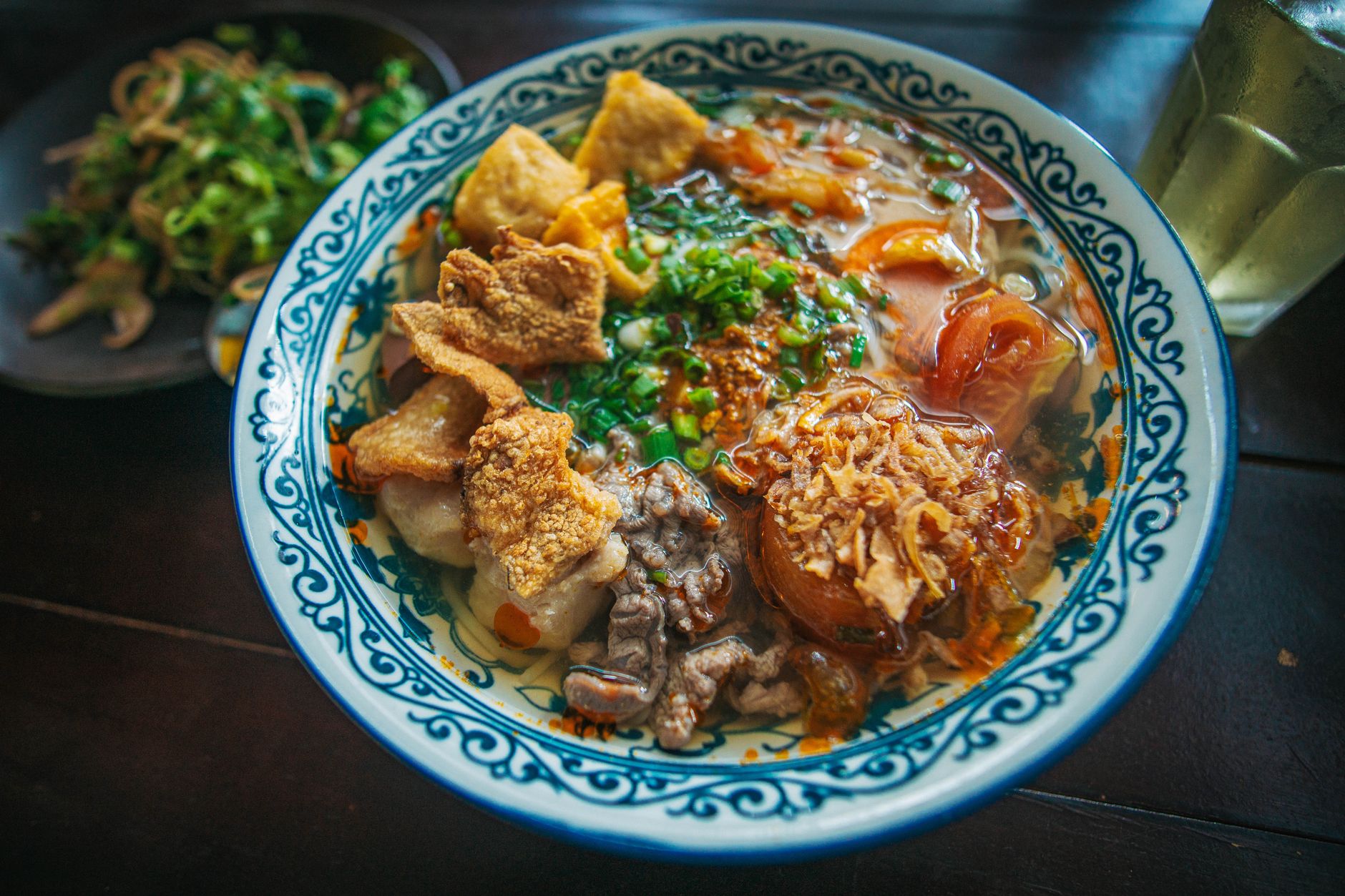
Outside the park: The town of Phu Loc, about 10 km east on National Highway 1A, has a handful of local restaurants serving central Vietnamese staples—"bun bo Hue" (spicy beef noodle soup), "banh beo" (steamed rice cakes), and grilled seafood from the nearby Lang Co lagoon. A proper meal at a local "quan an" (eatery) costs 40,000-80,000 VND per person.
If you'd rather base yourself in a proper city, Hue is about an hour's drive and has everything from backpacker hostels to boutique hotels along the Perfume River. Da Nang works too but adds an extra 20-30 minutes and the Hai Van Pass crossing, which is scenic but slow.
For a multi-day central Vietnam trip, Bach Ma pairs naturally with the imperial citadel and street food scene in Hue, the old town of Hoi An, and the beaches around Da Nang. Two nights in Hue with a day trip to Bach Ma, then onward to Hoi An, is a solid itinerary.
Getting There
Bach Ma is roughly 50 kilometers from both Hue and Da Nang. From either city:
- By car with driver: Hire through your hotel or a travel agency. The road is paved but curvy and steep; self-driving is possible but requires confidence. Expect to pay 800,000-1,200,000 VND for a return car from Hue with waiting time.
- By moped: Rent in Hue or Da Nang if you're an experienced rider and familiar with Vietnamese traffic. The ascent is long and grades are serious. A semi-automatic moped rental runs about 150,000-200,000 VND per day.
- Organized tour: Easier and safer; many companies in Hue and Da Nang offer half-day or full-day trips. Group tours start around 600,000 VND per person including transport and guide.
Public buses do not serve the park directly. Once you reach the park entrance (roughly 500 meters elevation), you can hire a guide vehicle, walk, or rent a moped for the remaining climb.
From Da Nang, you'll cross the Hai Van Pass (or take the tunnel beneath it) before turning off toward the park entrance on Highway 1A. The turn-off is near Cau Hai lagoon—look for the brown national park sign. GPS coordinates for the entrance gate: approximately 16.19°N, 107.85°E.
When to Visit
The cooler months (November to March) are ideal—less rain, better visibility, and the temperature difference between lowland and summit is most refreshing. July and August are hot and humid everywhere, making Bach Ma's cool air especially welcome, but expect dense cloud and frequent rain. April to June and September to October are transitional—warm but manageable.
Even in dry season, bring rain gear. The park's high rainfall is not myth.
February to April is the sweet spot for birdwatching and wildflowers. The rhododendrons bloom, migratory species are still around, and rainfall is at its lowest. If you're visiting specifically for Edwards's pheasant sightings, talk to the park's conservation staff—they track active areas and can direct guides accordingly.
Common Mistakes Foreigners Make
- Underestimating the weather. Visitors arrive in shorts and flip-flops because it was 35°C in Hue. At the summit, temperatures can drop below 15°C with wind chill, and rain appears without warning. Dress in layers.
- Trying to do everything in half a day. The drive up alone takes 45 minutes to an hour by vehicle. If you want to hike the Five Lakes trail and explore the summit ruins, plan a full day or stay overnight.
- Skipping the guide. The trails are marked but not always clearly, especially lower-elevation birdwatching routes. A guide costs a few hundred thousand dong and transforms the visit from a walk in the woods to an actual education.
- Expecting cafes and Wi-Fi at the summit. Bach Ma is not Dalat or Sapa. Infrastructure is minimal. Charge your phone, download offline maps, and bring your own food.
- Visiting only in clear weather. Some travelers cancel if the forecast shows clouds. The mist is part of the experience—it's a cloud forest. The atmosphere on a foggy morning, with the ruins emerging from the haze, is worth the reduced views.
- Ignoring leeches. During rainy months (September-November especially), leeches are everywhere on the forest floor. They're harmless but startling if you're not prepared. Tuck your pants into your socks. It looks silly. It works.
Quick Reference
- Location: Phu Loc district, Thua Thien Hue (후에 / 顺化 / フエ) province, central Vietnam
- Distance: ~50 km south of Hue, ~65 km north of Da Nang
- Elevation: Sea level to 1,450 m (summit area ~1,250 m)
- Area: 220 sq km
- Entrance fee: 60,000 VND (~2.50 USD)
- Guide vehicle: 300,000-400,000 VND one way
- Local guide: 400,000-600,000 VND half day
- Best months: February to April (dry, flowers, birds)
- Avoid: October-November (heaviest rain, poor trails)
- Key trails: Do Quyen (1 km), Five Lakes / Ngu Ho (2.5 km), Hai Vong Dai lookout
- Overnight: Basic guesthouses inside the park, 300,000-800,000 VND/night
- Nearest towns: Phu Loc (10 km), Lang Co (20 km), Hue (50 km)
- Useful Vietnamese: "Cho toi mot ve vao cong" (One entrance ticket, please), "Duong di len dinh o dau?" (Where is the road to the summit?)
Bottom Line
Bach Ma won't make the Instagram shortlist next to Ha Long Bay or Hoi An's lantern-lit streets. That's precisely the point. It's a place where the forest is louder than the tourists, where a French colonial era literally crumbles underfoot, and where the temperature drops ten degrees in twenty minutes of driving. If you're passing between Hue and Da Nang and want something beyond pagodas and "banh mi" stalls, take the turn-off at Cau Hai. You won't regret the detour.
Last updated · May 29, 2026 · independently researched, never sponsored.