Day 1 — The Gateway to the North
Arrive in Ha Giang city by late afternoon. Use this time to calibrate your gear and scout the immediate surroundings. The light hitting the limestone karsts near the city outskirts during the final hour of daylight is surprisingly rich.
- Off-script: Head to the small village of Thon Tha for a quiet sunset walk through the rice paddies before the tourist crowds arrive.
Day 2 — Climbing to Quan Ba
Head north toward Quan Ba. The winding roads offer high-altitude perspectives of the valley floor. Stop at the Heaven Gate pass, but don't just shoot the main viewpoint—look for the smaller trails leading upward for a cleaner composition of the valley.
- Off-script: Try a bowl of "pho" at a roadside stall in Tam Son; the broth here is often lighter and more fragrant than in the cities.
Day 3 — The Karst Plateau
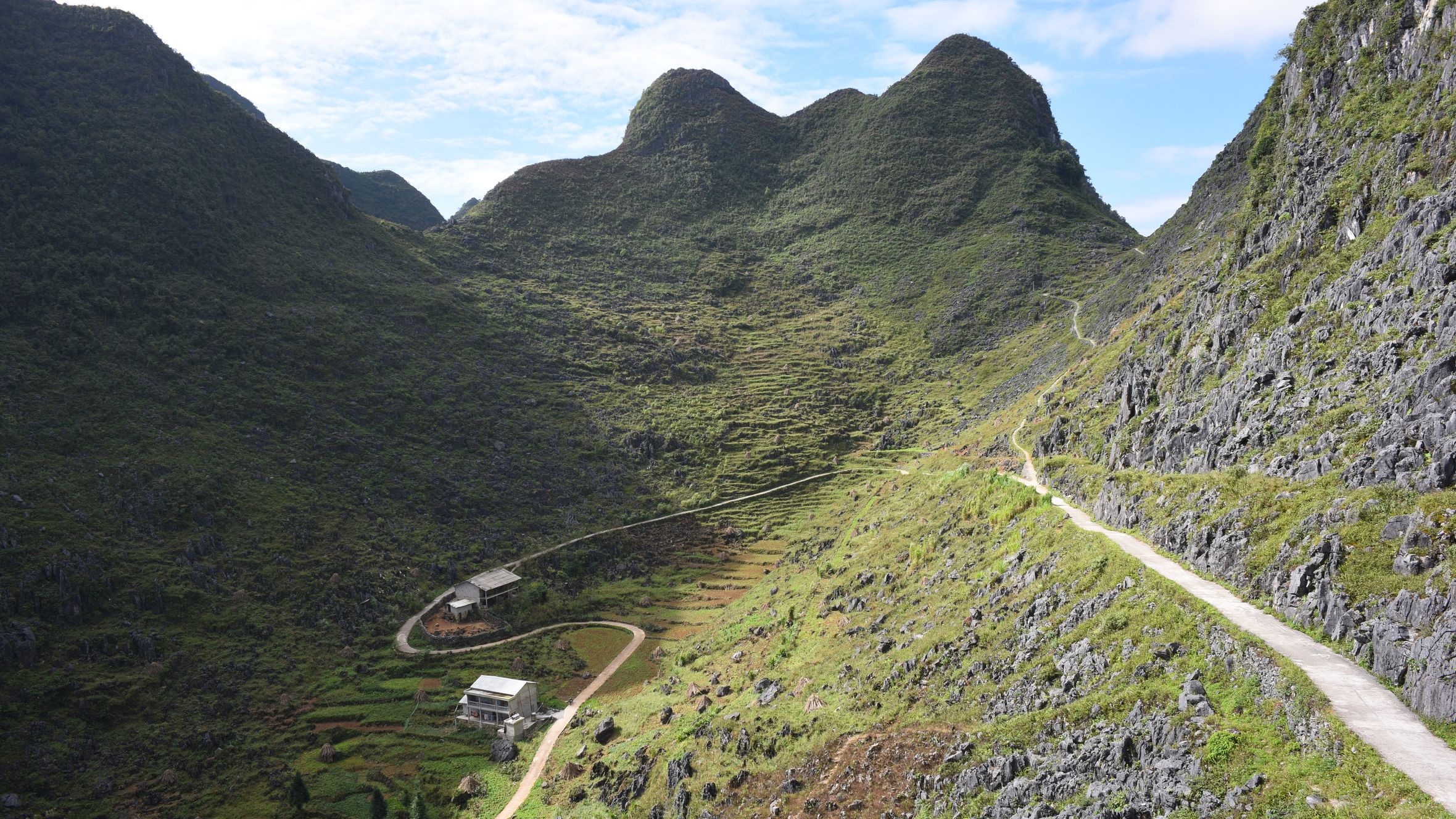
Move into the Dong Van Karst Plateau. The geology here is dramatic, with jagged rock formations that demand a wide-angle lens. Focus on the contrast between the grey stone and the green maize fields.
- Off-script: Visit the Lung Tam linen weaving village. The natural indigo dyes provide a deep, moody color palette for portrait photography.
Day 4 — The Vertical Landscape
Spend the day in the vicinity of Yen Minh. The pine forests here offer a different texture compared to the stark rock of the higher altitudes. The morning mist is your best friend for atmospheric shots.
- Off-script: Look for local vendors selling "thang co"—a traditional horse meat stew. Even if you don't eat it, the preparation process is visually fascinating.

Photo by Quang Nguyen Vinh on Pexels
Day 5 — The Border Edge
Travel toward Lung Cu. The flag tower is the obvious draw, but the surrounding border villages are where the real stories are. Focus on the architecture of the Hmong stone houses.
- Off-script: Hike to the small, unnamed hill behind the main village for a panoramic shot of the border landscape without the tourist clutter.
Day 6 — Dong Van Old Quarter
Dedicate this day to the town of Dong Van. The old quarter is best captured during the early morning "blue hour" when the yellow lanterns are still lit and the streets are empty.
- Off-script: Grab a "vietnamese coffee" at a cafe overlooking the market square and wait for the local ethnic minority groups to arrive for the morning trade.
Day 7 — Ma Pi Leng Pass
This is the highlight for most. The Nho Que River cuts a deep, emerald-colored line through the canyon. The best light hits the canyon walls around 9:00 AM.
- Off-script: Take the steep path down to the riverbank for a low-angle perspective of the towering cliffs that most photographers miss from the top.

Photo by Ama Journey on Pexels
Day 8 — Meo Vac and Beyond
Meo Vac feels more rugged and less polished than Dong Van. Use your telephoto lens to capture the daily life of farmers working on the near-vertical slopes.
- Off-script: Seek out a local market if it happens to be a market day; the explosion of colors from the traditional clothing is a dream for street photography.
Day 9 — The Road Back
Begin the return journey toward Ha Giang city. The light changes as you descend, and the vegetation becomes lusher. Stop at the smaller, unnamed passes where you can shoot without other travelers in your frame.
- Off-script: Stop at a roadside "banh mi" cart for a quick lunch; the crusty bread is a welcome change from the heavy mountain stews.
Day 10 — Final Frames
Spend your final morning in the outskirts of Ha Giang (하장 / 河江 / ハーザン) city. Review your shots and look for any gaps in your series—perhaps a missing detail shot or a portrait you didn't quite get.
Practical notes
Ha Giang is best navigated by motorbike, but if you are carrying heavy camera gear, hiring a local driver is safer and allows you to focus entirely on the light. Pack a circular polarizer to cut the glare off the limestone and the river, and always carry extra batteries as the cold mountain air drains them faster than expected.
Last updated · May 30, 2026 · independently researched, never sponsored.