Central Vietnam (베트남 / 越南 / ベトナム) packs three distinct personalities into a tiny geographical footprint. By combining the imperial quiet of Hue, the modern coastal energy of Da Nang, and the preserved merchant history of Hoi An, you get a complete picture of the region without spending half your trip in transit.
This 10-day loop starts and ends in Da Nang (다낭 / 岘港 / ダナン), the region's main transport hub, using trains and local drivers to keep travel times under three hours per leg. Here is how to pace your journey for a deeper, slower look at the central coast.
Day 1 — Arrival in Da Nang and Train to Hue
Fly into Da Nang International Airport. Instead of staying in the city immediately, head straight to the Da Nang Railway Station (a 10-minute Grab ride costing about 50,000 VND) to catch the train north to Hue.
The three-hour train ride is an attraction in itself. The tracks hug the cliffs of the Hai Van Pass, offering window-seat views of isolated bays and jungle-clad mountains. A soft-seat ticket costs around 100,000 VND. Arrive in Hue by late afternoon, check into a quiet guesthouse in the Phu Hoi ward, and head out for a bowl of "bun bo hue" (spicy beef noodle soup) at a no-frills local stall like Quan Cam.
Day 2 — The Imperial Citadel and Riverside Walks
Dedicate your first full day in Hue to the Imperial Citadel, the seat of the Nguyen Dynasty from 1802 to 1945. Walk through the massive stone gates to explore the temples, pavilions, and the remains of the Forbidden Purple City. Plan to spend at least three hours here; the scale is vast, and the quiet courtyards invite slow wandering.
In the afternoon, escape the heat with a walk along the Perfume River. Stop by the Dong Ba Market to watch vendors haggle over fresh produce, dried seafood, and local spices. For dinner, seek out "banh cuon" (steamed rice rolls) or local royal dumplings like "banh beo" served in small ceramic saucers.
Day 3 — Royal Tombs by Bicycle
Hue's royal tombs are scattered along the hills south of the city. Rent a sturdy bicycle or hire a local motorbike rider for the day. Avoid trying to see all of them; focus on two contrasting sites instead.
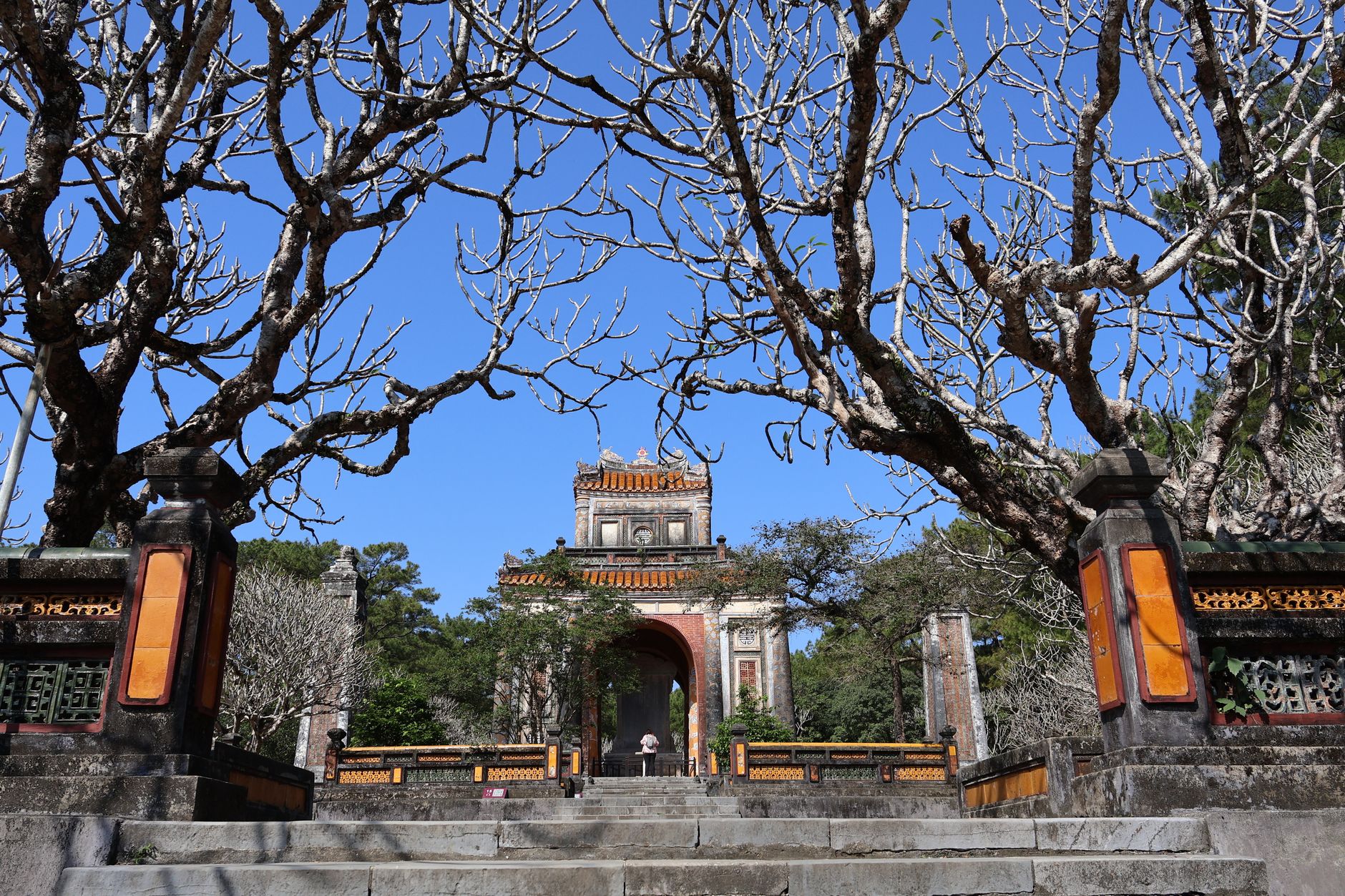
First, visit the Tomb of Tu Duc, designed by the emperor himself as a peaceful retreat featuring a large lake, pine forests, and wooden pavilions. Next, head to the Tomb of Khai Dinh. Built in the 1920s, this tomb is a striking, almost gothic blend of traditional Vietnamese architecture and European concrete, decorated inside with intricate glass and porcelain mosaics. Return to the city center for a glass of traditional lotus tea by the river.
Day 4 — Hue to Da Nang via the Coast
Check out of your Hue hotel and hire a private car or book a seat on a limousine bus (about 150,000 VND) to head back south to Da Nang. While the train is scenic, a road transfer allows you to stop at the top of the Hai Van Pass to look at the old French and American bunkers.
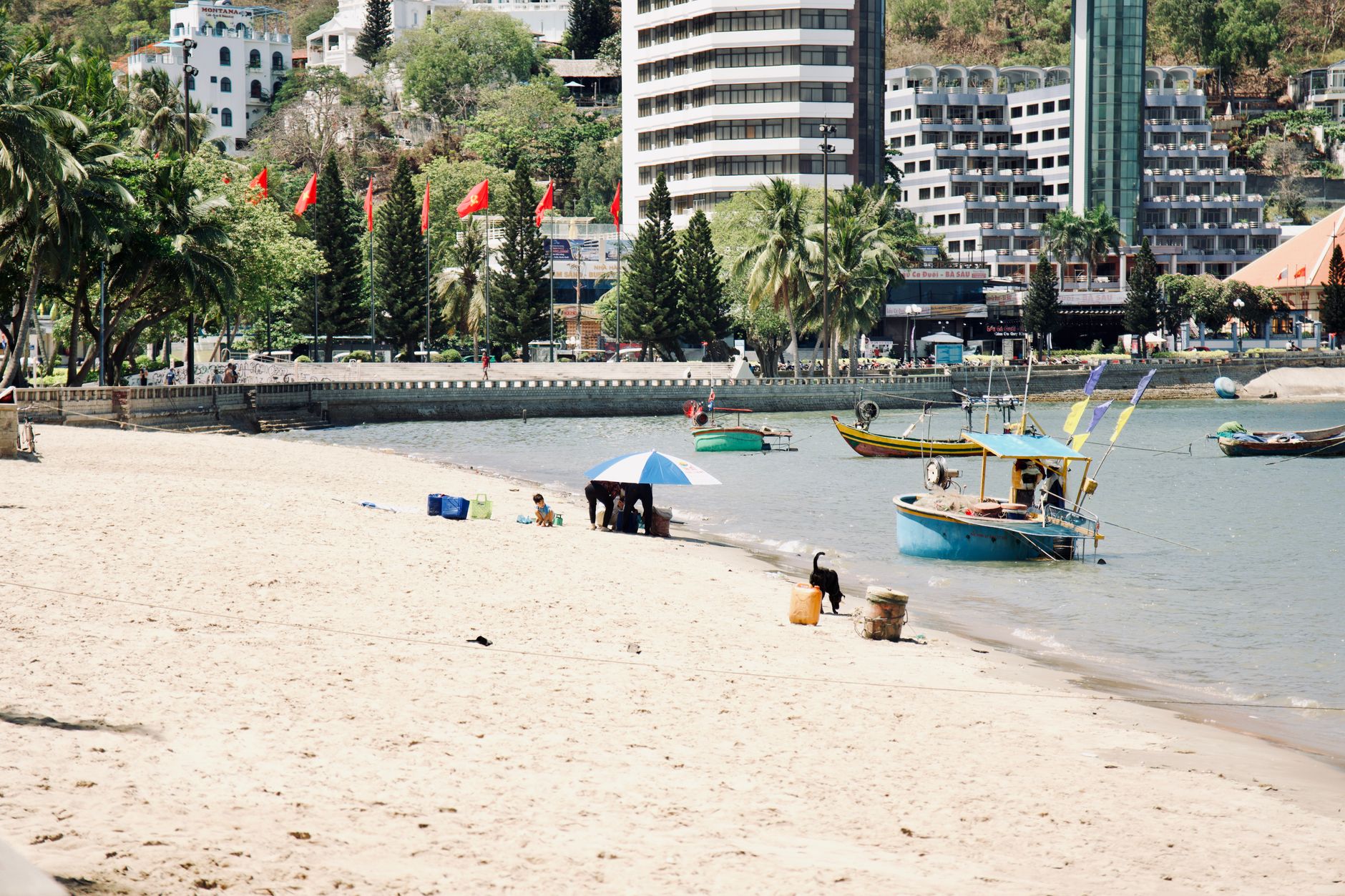
Arrive in Da Nang by midday and check into a hotel near My Khe Beach. Spend the afternoon walking the wide, sandy shoreline. In the evening, head to the Han River waterfront to watch the city lights. If it is Saturday or Sunday, walk near the Dragon Bridge at 9:00 PM to watch it breathe fire and water.

Photo by Võ Văn Tiến on Pexels
Day 5 — Coastal Peaks and Local Noodles
Start early to beat the midday sun and ride a scooter or take a taxi up the Son Tra Peninsula (also known as Monkey Mountain). The winding coastal road offers views of the Da Nang skyline. Stop at the Linh Ung Pagoda to see the giant Lady Buddha statue, then continue up the steep roads toward the old radar stations for quiet forest views.
For lunch, head back into the city center for "mi quang" (wide rice noodles served with a rich, shallow broth, pork, shrimp, fresh herbs, and toasted sesame rice crackers). Spend the afternoon resting, then head out for fresh seafood along Vo Nguyen Giap street, where you can choose live fish and clams prepared to order by weight.
Day 6 — Marble Mountains and Sandy Bays
In the morning, travel 9 km south of the city center to the Marble Mountains. This cluster of five marble and limestone hills is home to Buddhist sanctuaries, hidden caves, and viewpoints. Climb the stone steps into Huyen Khong Cave, where sunlight streams through holes in the cavern ceiling.
In the afternoon, escape the crowds by heading to Non Nuoc beach or finding a quiet cafe in the An Thuong tourist quarter. Try a glass of "ca phe sua da" (iced coffee with condensed milk) while watching the street life go by. For dinner, try "banh xeo" (crispy savory crepes filled with pork and bean sprouts) at Banh Xeo Ba Duong.
Day 7 — Da Nang to Hoi An Ancient Town
Hoi An is just 30 km south of Da Nang. A Grab taxi takes about 45 minutes and costs roughly 350,000 VND. Check into a homestay surrounded by green gardens just outside the historic center.
Spend your afternoon walking the pedestrian-only streets of the Hoi An Ancient Town. The yellow-walled merchant houses, assembly halls, and the Japanese Covered Bridge reflect a mix of Chinese, Japanese, and European influences. As night falls, the paper lanterns light up the streets and the Thu Bon River. Sit down at a riverside eatery for a bowl of "cao lau" (chewy noodles topped with sliced pork and local greens).
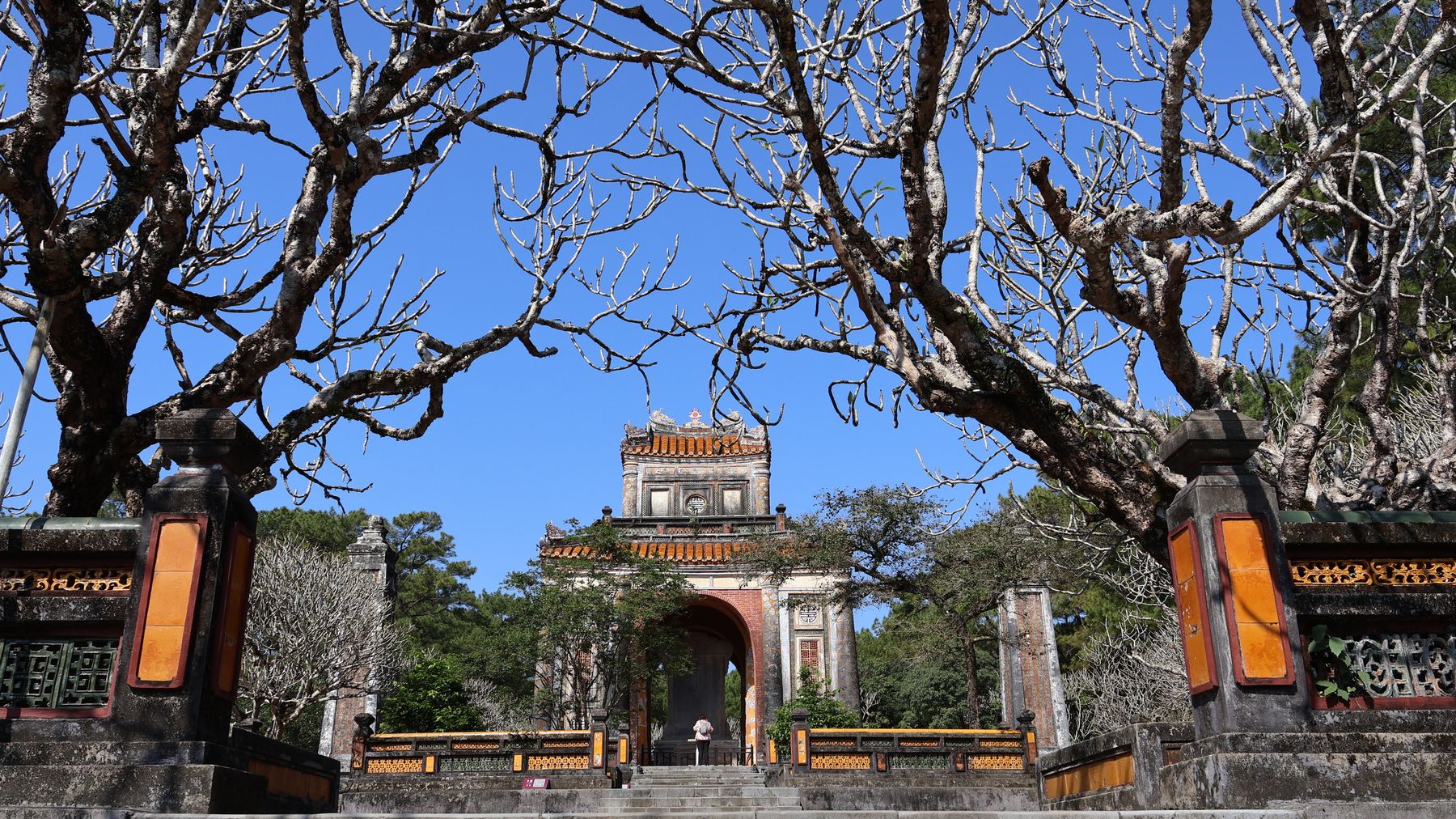
Photo by Minh Lê on Pexels
Day 8 — Rice Paddies and Coastal Breezes
Rent a bicycle from your homestay and ride out into the Cam Thanh rice fields. The flat, quiet dirt paths are perfect for slow cycling. You will pass water buffaloes, small vegetable gardens, and local shrines.
Keep pedaling toward An Bang Beach, located 4 km from the ancient town. It is a relaxed stretch of sand lined with local seafood shacks and cafes. Grab a fresh coconut, read a book under a thatch umbrella, and stay for lunch. On the way back, stop by a local stall for a crispy "banh mi" loaded with pate, pork, and fresh herbs.
Day 9 — My Son Sanctuary Day Trip
Book a morning trip to My Son, the ancient religious center of the Champa Kingdom, located about 40 km inland from Hoi An. Nestled in a green valley beneath Cat's Tooth Mountain, these red-brick temple ruins date from the 4th to the 14th centuries.
Walking among the moss-covered towers offers a quiet contrast to the busy streets of Hoi An. Return to Hoi An by afternoon. Spend your final evening shopping for local crafts, visiting a tailor, or simply enjoying a quiet dinner of "goi cuon" (fresh spring rolls) by the river.
Day 10 — Return to Da Nang and Departure
Enjoy a slow breakfast at your homestay. Take one last walk through the morning market in Hoi An to pick up some local tea or spices. Arrange a direct private transfer back to Da Nang International Airport (45 minutes) for your flight home or your next destination in Vietnam.
Practical notes
- Best time to visit: February to April offers dry, mild weather across all three destinations. Avoid the rainy season from October to December, when heavy downpours and occasional flooding can disrupt travel in Hue and Hoi An.
- Getting around: Grab is highly reliable and affordable for short trips in Da Nang and Hoi An. For Hue's tombs, hiring a private car for a half-day (around 600,000 VND) is the most comfortable option.
Last updated · May 30, 2026 · independently researched, never sponsored.